The Role of Oil Analysis in Preventing Equipment Failures
Oil analysis has become one of the most effective methods for monitoring equipment health in modern industrial operations. As a non-destructive testing process, it evaluates both lubricant condition and internal component wear by analyzing oil samples collected during normal operation.
At its core, oil analysis provides critical insight into wear, contamination, and lubricant degradation. Because oil circulates through key system components, it carries microscopic evidence of internal conditions. This makes routine monitoring an essential practice for identifying early indicators of potential failure.
Industries such as manufacturing, construction, and energy rely on oil analysis services to maintain operational efficiency. These services help detect abnormalities including metal particulates, water contamination, and viscosity changes—each of which can signal developing mechanical issues.
Oil analysis also plays a key role in improving maintenance strategies. By identifying issues early, operations can shift from reactive repairs to proactive maintenance planning. This approach helps reduce unplanned downtime and supports more consistent equipment performance under demanding conditions.
In summary, oil analysis is more than a diagnostic tool—it is a strategic component of effective maintenance programs. It enables better decision-making, supports operational efficiency, and extends the service life of critical equipment.
How Lubricant Monitoring Strengthens Predictive Maintenance
Lubricant monitoring is a structured analytical process used to evaluate both lubricant condition and overall equipment health. By examining key physical and chemical properties—such as viscosity, acidity, contamination levels, and wear metals—it provides a clear picture of how systems are performing over time.
As machinery operates, lubricants naturally degrade due to heat, friction, and continuous use. Additive performance declines, contaminants accumulate, and the oil’s ability to protect components diminishes. Ongoing monitoring allows these changes to be identified early, enabling maintenance teams to take corrective action before issues escalate into equipment damage.
Advanced testing methods, including spectroscopy, particle counting, and infrared analysis, deliver detailed insight into oil composition. These techniques help identify specific types of wear, such as abrasion, corrosion, and fatigue, allowing for more targeted maintenance decisions.
One of the key advantages of lubricant monitoring is its ability to reveal issues that are not visible during routine inspections. For example, an increase in metal particles may indicate internal component wear, while the presence of water can signal potential seal failure.
By integrating lubricant monitoring into maintenance programs, organizations gain a deeper understanding of equipment performance. This data supports predictive maintenance strategies, improves planning, and reduces the likelihood of unexpected failures.
Why Professional Oil Analysis Services Are Essential for Modern Operations
Professional oil analysis services play a critical role in helping organizations implement effective maintenance strategies. These services provide comprehensive testing, detailed data analysis, and actionable insights that support informed decision-making.
Specialized laboratories use advanced equipment to evaluate key characteristics of oil samples, including contamination levels, wear metals, and chemical composition. The results are analyzed to identify trends and potential issues, allowing maintenance teams to prioritize actions based on actual equipment conditions rather than assumptions.
Accuracy is a primary advantage of professional oil analysis services. Laboratory testing delivers precise measurements and reliable results, which are essential for making confident maintenance decisions. In addition, many providers supply detailed reports with clear recommendations, helping organizations optimize maintenance schedules and improve overall performance.
Scalability is another key benefit. Oil analysis services can be applied across a wide range of assets, enabling organizations to monitor entire fleets or facilities efficiently. This is particularly valuable for large-scale operations that require consistent oversight across multiple systems.
By leveraging professional oil analysis services, organizations can improve equipment reliability, reduce maintenance costs, and enhance operational efficiency. These services support the development of structured maintenance programs that keep equipment operating at peak performance.
How Predictive Maintenance Improves Equipment Performance
Predictive maintenance represents a significant advancement over traditional maintenance approaches. Instead of relying on fixed schedules or reactive repairs, it uses data and analytics to identify potential equipment issues before failures occur.
Oil analysis is a key component of predictive maintenance, providing critical insight into equipment condition. By tracking trends in oil properties, maintenance teams can detect early warning signs and schedule interventions at the most effective time.
This approach delivers several important benefits. It reduces unplanned downtime by addressing issues early, lowers maintenance costs by avoiding unnecessary repairs and replacements, and improves operational safety by minimizing the risk of major equipment failures.
Predictive maintenance also enhances overall efficiency. By aligning maintenance activities with actual equipment needs, organizations can ensure assets remain available and productive when they are needed most.
In today’s competitive industrial landscape, predictive maintenance has become a necessary strategy. It supports higher levels of equipment reliability while helping organizations maintain consistent, efficient operations.

Early Warning Signs in the Oil Analysis
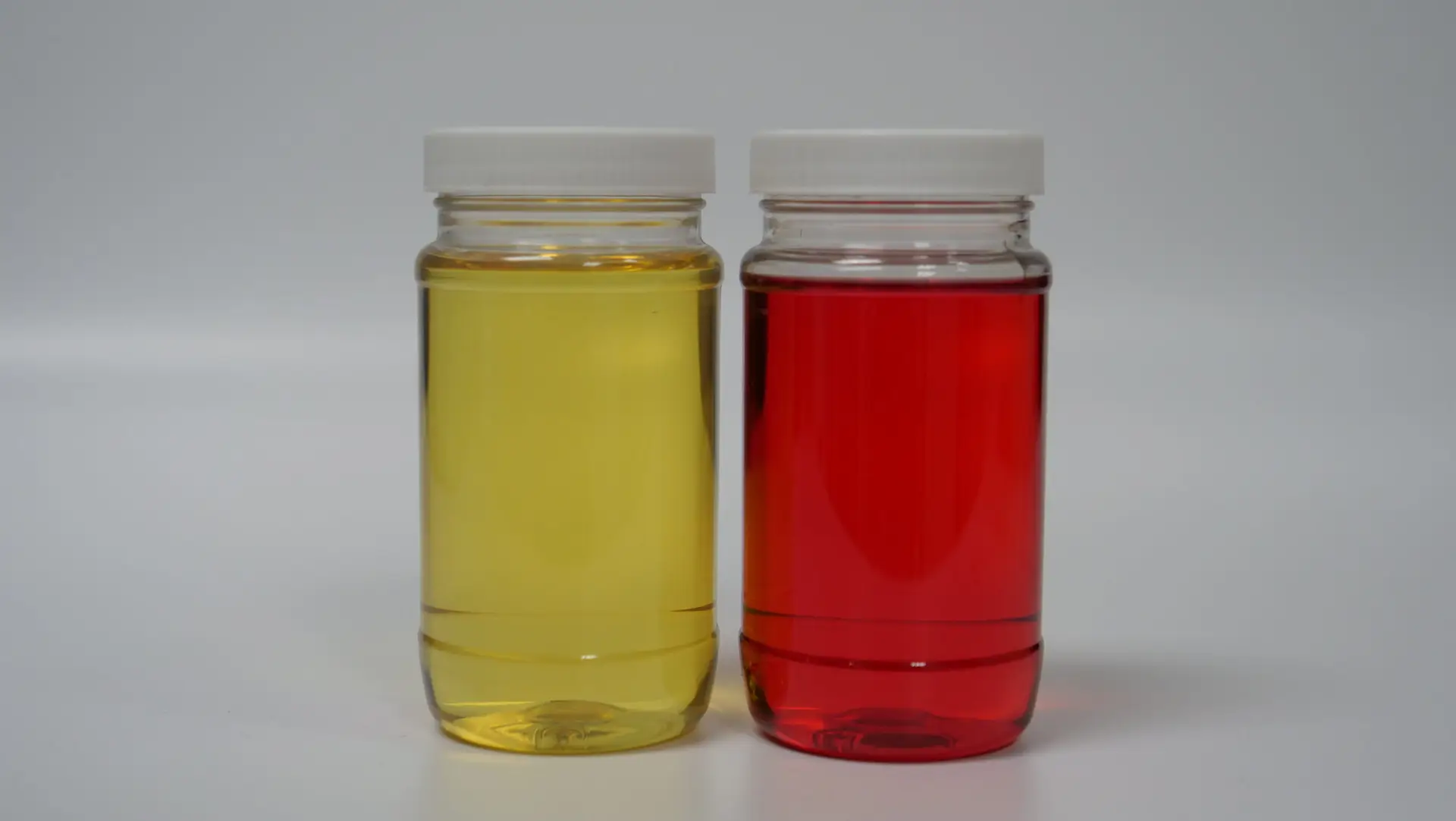
Early detection of potential equipment failure is one of the most valuable benefits of oil analysis. By evaluating oil samples, maintenance teams can identify developing issues before they escalate into major problems.
The presence of metal particles in oil can indicate wear in components such as bearings, gears, or pistons. Similarly, elevated levels of contaminants—such as dirt or water—may point to issues with seals or filtration systems.
Changes in oil properties, including viscosity and acidity, also provide important insights. A decrease in viscosity can reduce lubrication effectiveness, while increased acidity may lead to corrosion. Monitoring these parameters helps prevent damage and supports consistent equipment performance.
The formation of oxidation byproducts is another indicator of lubricant degradation. As oil breaks down over time, the risk of increased wear and potential failure rises.
By identifying these warning signs early, organizations can take corrective action before issues become critical. This proactive approach helps prevent equipment failures, reduce maintenance costs, and limit unplanned downtime.
How Oil Analysis Improves Equipment Reliability
Equipment reliability is a critical factor in industrial operations, directly influencing productivity, safety, and overall operational efficiency. Oil analysis plays a key role in improving reliability by delivering data-driven insights into machine condition.
Through continuous monitoring and analysis, organizations can track changes in oil properties and identify patterns that indicate developing issues. This information enables maintenance teams to make informed decisions and implement targeted corrective actions.
Oil analysis data also helps optimize maintenance strategies. Historical trends can be used to determine optimal timing for oil changes and component replacements, reducing unnecessary maintenance while extending equipment service life.
In addition, oil analysis supports root cause identification for equipment failures. Understanding the underlying causes of wear and degradation allows organizations to implement preventive measures and reduce the likelihood of recurring issues.
When combined with digital monitoring tools and analytics platforms, oil analysis becomes even more effective. Real-time tracking and automated alerts enable faster response times and improved decision-making.
By leveraging these insights, organizations can strengthen equipment reliability, ensure consistent performance, and reduce operational disruptions.
Cost & Efficiency Benefits of Oil Analysis
Oil analysis programs help reduce costs and improve operational efficiency by identifying equipment issues early and preventing failures before they lead to downtime.
A key benefit is reduced unplanned maintenance through predictive strategies that address problems before they escalate. It also helps optimize lubricant usage by extending oil change intervals when appropriate, lowering overall costs.
Improved equipment reliability supports more consistent productivity and helps organizations meet production goals. In addition, maintenance resources can be better prioritized, focusing on the most critical issues first.
Overall, oil analysis enhances efficiency, reduces expenses, and supports smarter maintenance decisions.