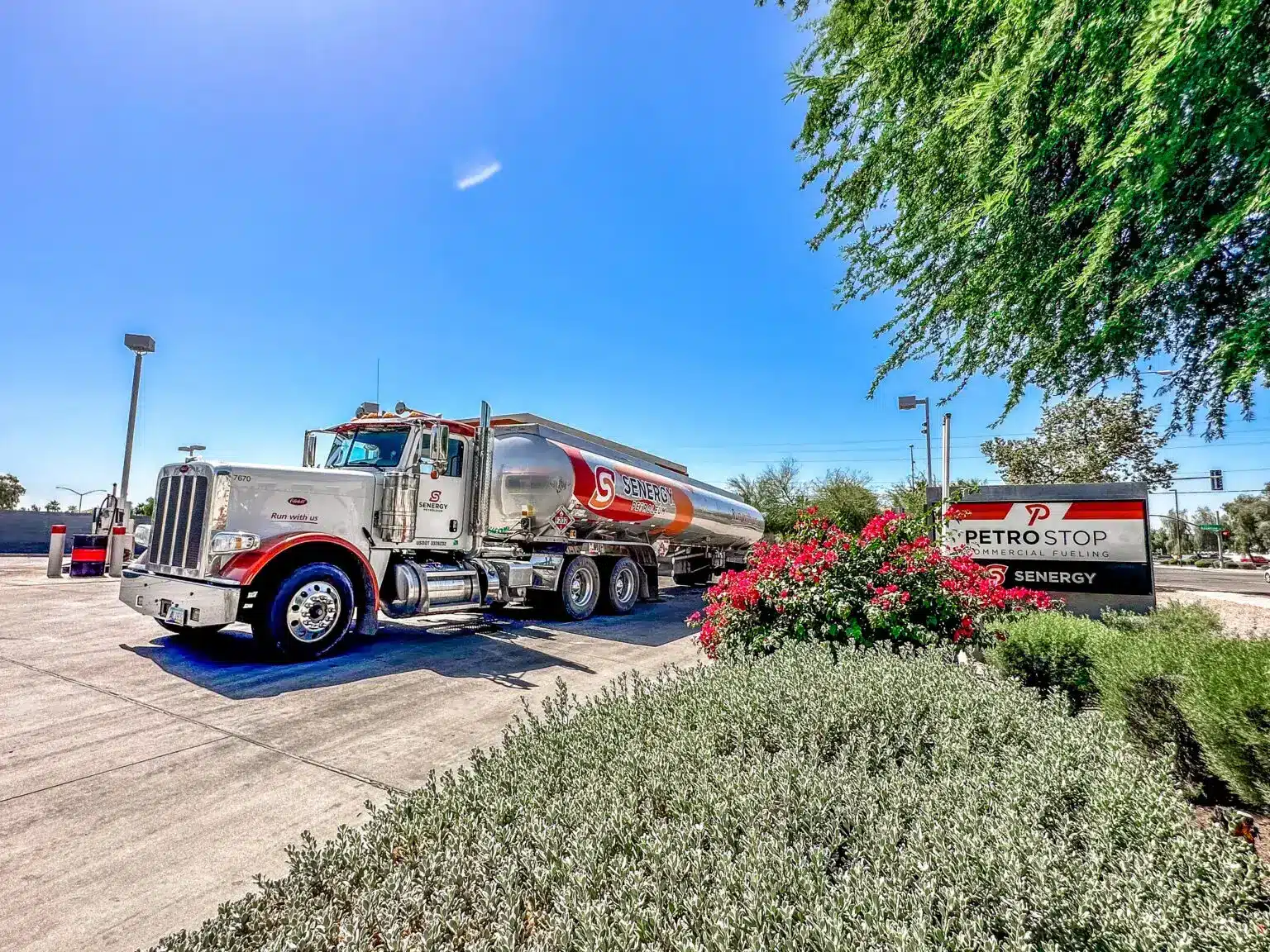
The Role of High-Quality Gasoline in Commercial Fleets
Consistent performance and operational efficiency remain essential for commercial fleets in today’s competitive logistics and transportation industries. Fuel quality plays a critical role in keeping operations running smoothly, yet it is often overlooked. From delivery trucks and service vehicles to heavy-duty equipment, the quality of fuel used directly impacts engine performance, reliability, and overall productivity.
Fuel quality affects more than basic engine operation. High-quality fuels help engines perform more efficiently while reducing unnecessary wear and tear. Businesses that invest in premium commercial fuels can experience fewer breakdowns, improved fuel economy, and more dependable daily operations. For industries where delays can result in lost revenue and customer dissatisfaction, reliable fuel performance is especially important.
As fleet operations continue to prioritize efficiency and uptime, many businesses are turning to premium fuel solutions. Cleaner, higher-quality fuels can improve engine responsiveness, support equipment longevity, and help maintain consistent performance under demanding operating conditions.
Reliable commercial fuel solutions help fleets maintain operational consistency and long-term equipment performance. Selecting the right fuel remains an important part of maximizing productivity, reducing maintenance concerns, and supporting dependable fleet operations in all conditions.
How Premium Gasoline Supports Fleet Reliability
Premium gasoline is specifically formulated to provide improved combustion and enhanced engine protection compared to regular gasoline. With a higher octane rating, premium fuel helps reduce engine knocking and supports smoother operation, especially in high-compression engines commonly used in commercial fleet applications.
High-quality fuels also contain detergents and performance additives designed to keep critical engine components clean. These additives help reduce carbon buildup on fuel injectors and intake valves, allowing engines to operate more efficiently. Cleaner engine systems can contribute to improved fuel economy, more consistent performance, and reduced maintenance concerns over time.
Fuel quality plays a significant role in overall engine reliability. Inconsistent fuel blends or contaminated fuel can negatively impact engine performance and contribute to long-term mechanical issues. Premium gasoline is formulated to provide greater consistency, stability, and dependable operation across a wide range of operating conditions.
For fleet managers and business owners, understanding the difference in fuel quality is essential. Investing in premium fuel can help reduce component wear, support consistent vehicle performance, and improve operational reliability. When paired with high-quality lubricants, premium gasoline can further enhance engine protection and reduce internal engine friction.
Premium gasoline is more than a fuel upgrade. It is a strategic investment for businesses focused on maximizing fleet performance, improving equipment reliability, and supporting efficient day-to-day operations.
Fuel Quality's Effect on Fleet Performance
The type of fuel used in fleet vehicles directly impacts overall performance and operational efficiency. High-quality fuel promotes better combustion, helping vehicles achieve smoother acceleration, stronger performance, and more consistent power delivery. This is especially important for fleets operating in demanding environments such as long-haul transportation, construction, and urban delivery routes.
Premium fuel can improve throttle response while reducing unnecessary engine strain. Fleet vehicles are able to operate at their intended performance levels more consistently, helping businesses maintain reliable service and meet demanding schedules.
Fuel quality also plays a major role in fuel economy. Improved combustion efficiency allows engines to extract more usable energy from each gallon of fuel, helping fleets maximize mileage and reduce operating costs. For businesses managing large fleets with significant fuel consumption, these efficiency gains can create meaningful long-term savings.
In addition, high-quality fuel helps reduce the buildup of deposits within engine components and fuel systems. Cleaner systems help minimize performance issues that can disrupt daily operations and increase maintenance requirements. When combined with Clean Fluid Solutions, fleets can further support system cleanliness, fuel stability, and long-term equipment reliability.
Engine Efficiency and Long-Term Cost Savings
High-quality gasoline can help engines operate more efficiently by promoting more complete combustion. Efficient fuel combustion reduces wasted energy and allows engines to perform at a higher level while using fuel more effectively. This improved efficiency supports stronger vehicle performance and reduced fuel consumption across fleet operations.
Improved fuel economy also delivers measurable financial benefits. While premium fuel may carry a higher upfront cost, the long-term value often outweighs the initial expense. Reduced fuel consumption, fewer maintenance issues, and extended engine life can all contribute to lower overall operating costs for commercial fleets.
Focusing only on short-term fuel expenses can lead to larger long-term maintenance concerns. Lower-quality fuel may contribute to engine deposits, increased component wear, and mechanical performance issues over time. These problems can result in costly repairs, unexpected downtime, and disruptions to daily operations.
Using high-quality commercial fuels helps support efficient engine performance and long-term equipment reliability. When paired with the right lubricants, fleets can further reduce mechanical stress and maintain smoother day-to-day operations.
Investing in fuel quality is a strategic decision that supports both operational efficiency and long-term cost management. Businesses that prioritize high-quality fuel solutions can benefit from improved fleet reliability, reduced maintenance concerns, and stronger overall performance.
Reducing Fleet Maintenance with High-Quality Fuel
Maintenance remains one of the biggest concerns for commercial fleet operators. Frequent repairs and unexpected breakdowns can disrupt operations, increase costs, and reduce productivity. Using high-quality fuel is one of the most effective ways to help minimize maintenance-related issues and support long-term equipment reliability.
Premium gasoline contains detergents and cleaning additives designed to help prevent harmful engine deposits. These deposits can clog fuel injectors, reduce engine efficiency, and create performance problems over time. High-quality fuel helps maintain cleaner engine systems, supporting more reliable operation and reducing the frequency of maintenance concerns.
Fuel quality also affects the lifespan of critical engine components. Cleaner combustion produces fewer harmful residues that can contribute to wear on internal engine parts. As a result, fleets may experience extended equipment service life and fewer mechanical failures.
When paired with Clean Fluid Solutions, fleets can further improve system cleanliness and overall vehicle performance. Maintaining clean, high-performing fluid systems helps support engine health, operational consistency, and long-term reliability.
Reducing maintenance issues also helps lower operating costs and improve fleet uptime. Vehicles spend more time on the road and less time in the shop, allowing businesses to maintain productivity and support uninterrupted operations.
Although premium gasoline may involve a higher upfront cost, it can serve as a proactive maintenance strategy that helps fleets avoid costly repairs, reduce downtime, and maintain dependable performance over the long term.
Supporting Fleet Efficiency with High-Quality Fuel
Commercial fleet operations continue to prioritize efficiency, reliability, and long-term performance. Fuel quality plays an important role in helping fleets maintain consistent operation while supporting equipment longevity and overall productivity.
Premium gasoline provides a cleaner and more consistent burn compared to lower-quality fuels. Cleaner combustion can help reduce engine deposits, improve operational consistency, and support smoother engine performance across a wide range of fleet applications.
Higher-quality fuel also helps improve engine efficiency by allowing vehicles to operate more effectively under demanding conditions. Improved combustion performance can help fleets maximize fuel usage, maintain dependable power delivery, and reduce unnecessary strain on engine components.
When combined with Clean Fluid Solutions, fleets can further support system cleanliness and optimize vehicle performance. Maintaining clean fluid systems helps reduce contamination, improve operational reliability, and extend the service life of critical equipment components.
Investing in high-quality fuel solutions also reflects a commitment to operational excellence and dependable fleet management. Businesses that prioritize fuel quality can strengthen equipment performance, reduce maintenance concerns, and support reliable service for their customers.
Choosing high-quality gasoline allows fleet operators to balance performance, reliability, and long-term operational efficiency while helping maintain consistent results across daily operations.
Fleet Performance and Management
Effective fleet management involves more than selecting the right fuel. Combining high-quality commercial fuels, lubricants, and Clean Fluid Solutions helps support reliable performance, reduced maintenance, and long-term equipment reliability.
Consistent fuel quality helps fleets operate efficiently, while premium lubricants reduce friction and protect critical engine components. Clean Fluid Solutions further support system cleanliness and operational consistency across fuel, cooling, and other vehicle systems.
Together, these solutions help fleets improve performance, minimize downtime, and maintain dependable day-to-day operations while supporting a competitive edge in the industry.