
The Role of Fuel Additives in Protecting Heavy-Duty Equipment

Fuel additives are chemical compounds designed to enhance, stabilize, or modify the properties of diesel fuel. In heavy-duty industries where equipment reliability is essential, these additives act as a first line of defense against performance issues. Diesel fuel, while powerful, is prone to oxidation, contamination, and quality changes during storage and handling. Left unaddressed, these problems can increase wear and tear on engines that already operate under high stress and heavy loads.

Fuel additives address these weaknesses by improving combustion, reducing deposits, and protecting fuel systems from corrosion. From mining loaders to agricultural tractors and municipal snowplows, the benefits are extensive. Advances in additive technology have produced highly specialized formulations targeting specific challenges, such as injector fouling, microbial contamination, or cold-weather gelling. Understanding these fundamentals shows that additives are not optional—they are strategic tools for maintaining reliable fuel systems.

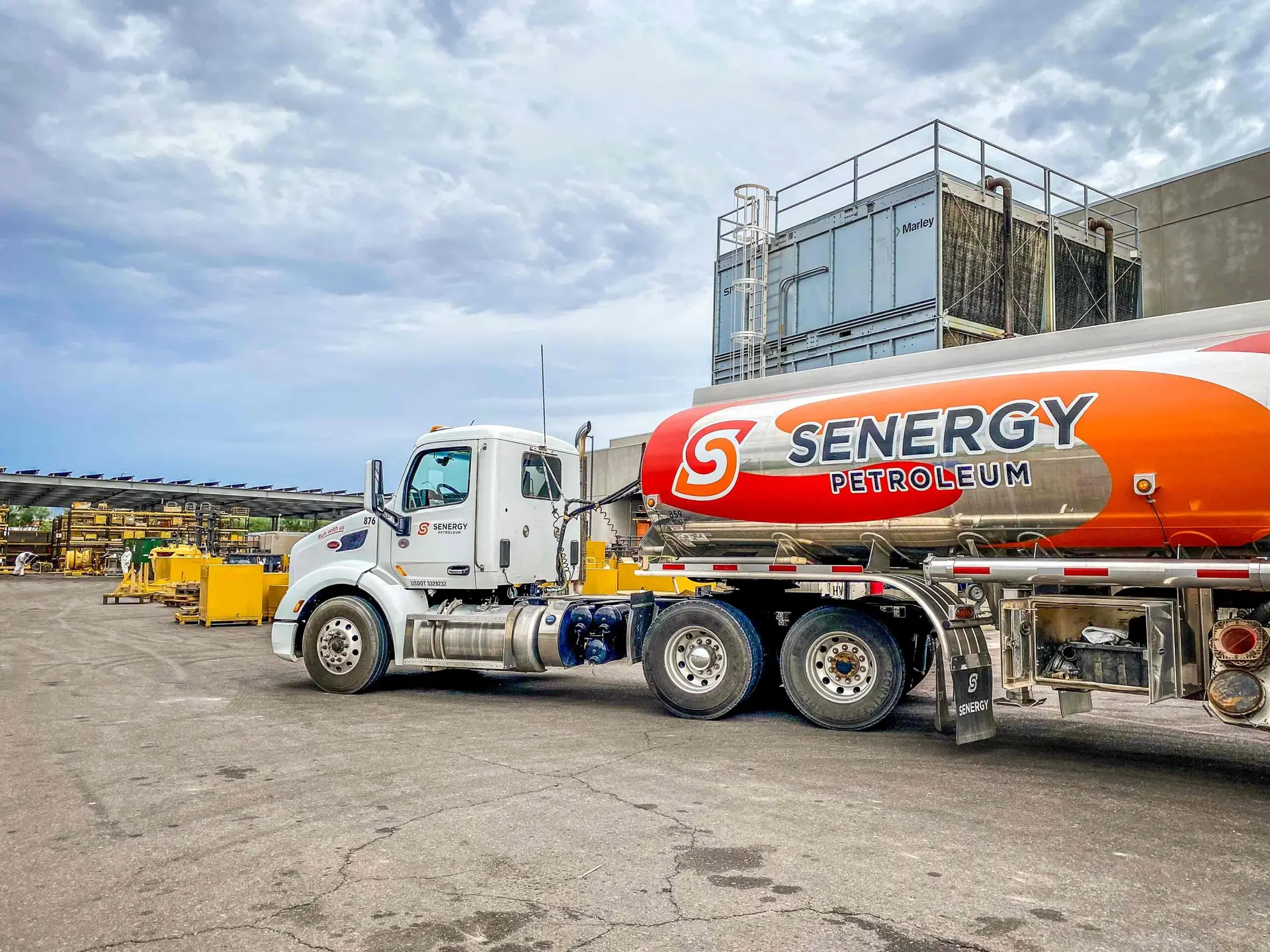
Protecting Performance with Diesel Treatment Products

Heavy-duty diesel engines are built for durability, but they remain sensitive to fuel quality. Over time, even minor inconsistencies in diesel can reduce efficiency. Diesel treatment products address this by stabilizing fuel chemistry and cleaning critical components. For example, detergents in these products prevent injector deposits, ensuring proper spray patterns, which are essential for optimal combustion. Research shows that clean injectors improve horsepower, prevent engine knocking, and maintain consistent performance.

Lubricity enhancers in these treatments counteract the reduced lubrication properties of ultra-low sulfur diesel (ULSD), extending the life of pumps and injectors. Anti-oxidants slow diesel degradation in storage tanks, reducing the risk of gum and varnish formation. Companies that rely on long-haul equipment, such as freight haulers or large construction contractors, experience tangible benefits in reduced maintenance downtime and fewer unexpected failures. Consistent use of diesel treatment products extends engine life, delivering measurable long-term cost savings.

Preventing Fuel Contamination with Additives

Fuel contamination is one of the leading threats to equipment performance and longevity. Studies show that water intrusion, microbial growth, and particulate matter account for the majority of premature injector failures in heavy-duty machinery. Additives provide immediate protection. Water dispersants help eliminate condensation that forms in storage tanks, while biocides inhibit microbial colonies that produce corrosive sludge. Stabilizers also prevent sediment buildup and extend the shelf life of stored fuel.

In agriculture and government fleets, where equipment may remain idle for weeks or months, the risk of contamination is especially high. Without intervention, contaminated fuel clogs filters, damages injectors, and causes costly downtime. Advances in additive technology have produced more targeted solutions, combining multiple protective functions in a single product for easier use. For organizations, this provides confidence that stored or transported fuel stays clean and ready. When incorporated into equipment fuel protection strategies, additives significantly reduce contamination-related repair costs.

Boosting Fleet Efficiency with Fuel Additives

Fleet operators face constant pressure to manage fuel costs, which make up a significant portion of operational expenses. Studies show that even a 2–3% improvement in fuel economy can translate into hundreds of dollars in annual savings for a medium-sized fleet. Fleet-focused fuel additives are designed to maximize energy output by improving combustion efficiency.

For example, cetane improvers enhance ignition timing, resulting in cleaner and more complete fuel burn. This reduces soot buildup, lowers exhaust smoke, and optimizes power output. Friction-reducing additives improve lubricity within the fuel system, minimizing energy losses. While gains per gallon may seem small, they accumulate across an entire fleet. In stop-and-go urban operations or long-haul trucking, smoother combustion also reduces the frequency of diesel particulate filter regeneration, lowering maintenance costs.

R&D-backed formulations ensure these additives deliver measurable improvements in performance. By investing in fleet-focused fuel additives, companies position themselves to operate more efficiently while protecting their bottom line.

Maintaining Diesel Performance Through Seasonal Fuel Additives

Seasonal variability is often an overlooked factor in fuel management. Diesel behaves differently in cold and hot conditions, and without proper treatment, system reliability can suffer. In winter, fuel gelling is a common issue, as paraffin crystals form, blocking filters and preventing fuel flow. Anti-gel additives, developed through rigorous R&D, keep fuel operable at temperatures well below freezing, ensuring engines start and run smoothly.

In summer, higher temperatures accelerate oxidation, increasing the risk of varnish and sludge deposits. Stabilizers combat these effects by slowing chemical breakdown. For agricultural operators relying on peak-season readiness and municipal fleets responsible for snow removal or road maintenance, seasonal additives are critical. Advanced formulations even combine cold-flow improvers with corrosion inhibitors, providing year-round protection in a single product. By adjusting additive use to seasonal conditions, companies maintain operational reliability, reduce downtime, and extend the life of essential heavy-duty systems.

Protecting Diesel Injectors with Fuel Additives

Fuel injectors are among the most critical and expensive components of modern diesel engines. High-pressure common-rail (HPCR) systems, widely used in heavy-duty equipment, operate at pressures exceeding 30,000 psi, making injectors particularly vulnerable to deposits and wear. Studies show that even minor injector fouling can cause significant drops in fuel efficiency and power output. Additives containing detergents target these deposits, keeping spray nozzles clean for precise fuel atomization. Lubricity enhancers protect injector plungers and fuel pumps, helping prevent premature failure.

Corrosion inhibitors also safeguard sensitive components from water or acidic byproducts in the fuel. For industries such as construction and government operations, where equipment downtime can halt projects or critical services, protecting injectors is not optional—it is essential. Fuel management strategies that incorporate the right additives ensure consistent fuel delivery, smoother combustion, and longer injector life, providing both performance stability and long-term cost savings.

Preventive Maintenance with Fuel Additives

Preventive maintenance has long been recognized as more cost-effective than reactive repairs, and fuel additives fit squarely into this approach. When equipment is sidelined due to clogged injectors, gummed-up pumps, or contaminated tanks, costs extend beyond repair bills to include lost productivity, missed deadlines, and strained budgets. Fuel additives provide an affordable safeguard against these risks.

Cleaner combustion reduces soot, extending oil change intervals and minimizing wear on exhaust systems. Water-management additives prevent rust in tanks and lines, helping avoid catastrophic failures. Fleets that implement regular additive programs experience fewer repairs and longer equipment lifespans. R&D-backed studies show that additive use can reduce overall fuel-related maintenance costs by 10–15%. For operators in agriculture or government services, where budgets are closely monitored, these savings are critical. By embracing preventive maintenance, organizations maximize equipment uptime and profitability with minimal interruptions.

Protecting Your Fleet with the Right Additives

Choosing the right fuel additive requires assessing operational needs, climate, and storage practices. Specialized formulations—targeting cold-flow, detergency, or microbial protection—ensure fleets stay protected. Multipurpose diesel treatments offer balanced solutions for mixed fleets, while partnering with a trusted provider guarantees access to expert guidance and high-quality products. By selecting additives tailored to their operations, companies maximize ROI, protect equipment, and keep performance and maintenance on track. Run With Senergy to keep your fleet running smoothly, season after season.

Stay Up To Date!

Keep up with Deals, Industry Updates, and more!

"*" indicates required fields

This field is for validation purposes and should be left unchanged.