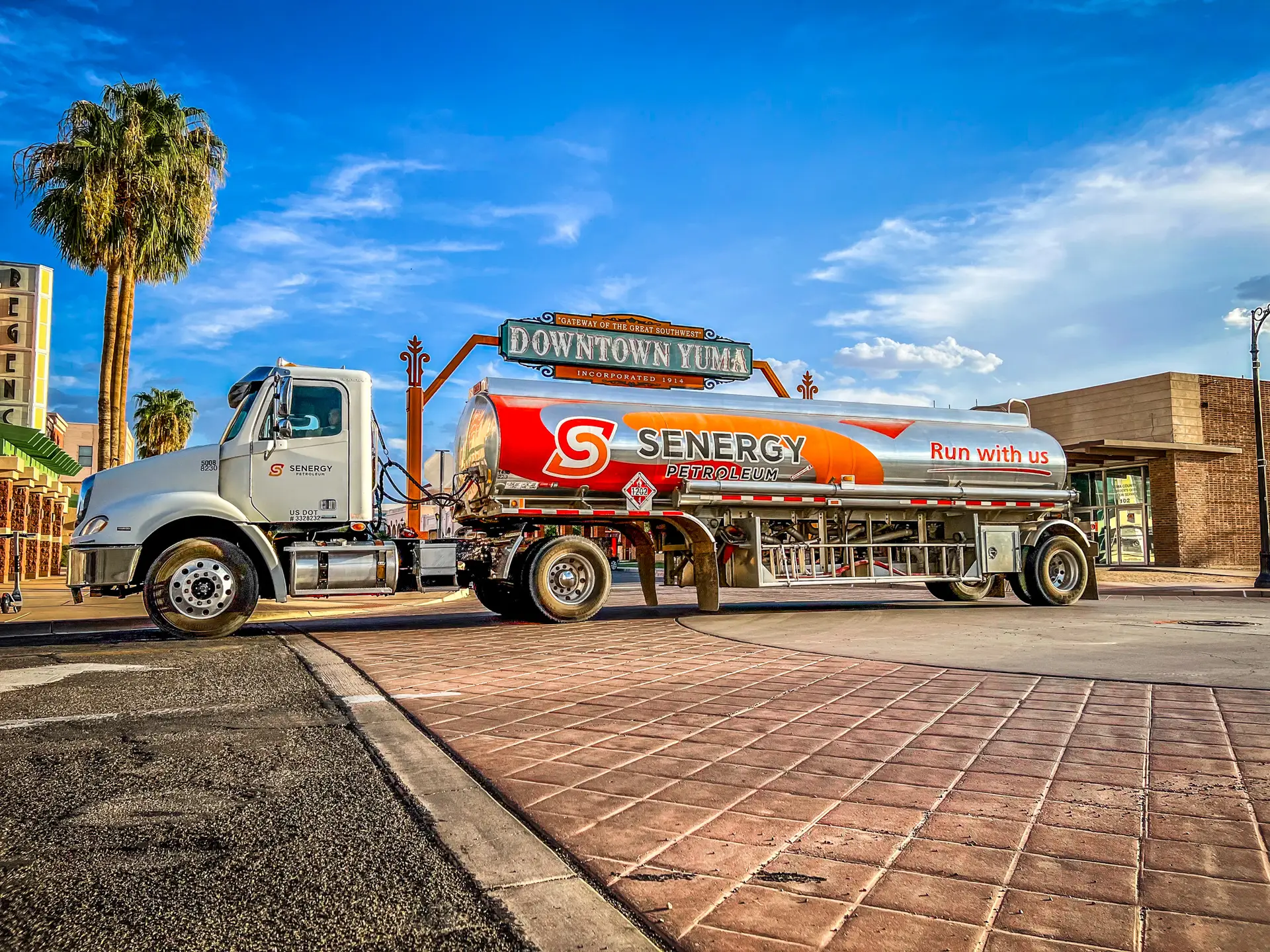
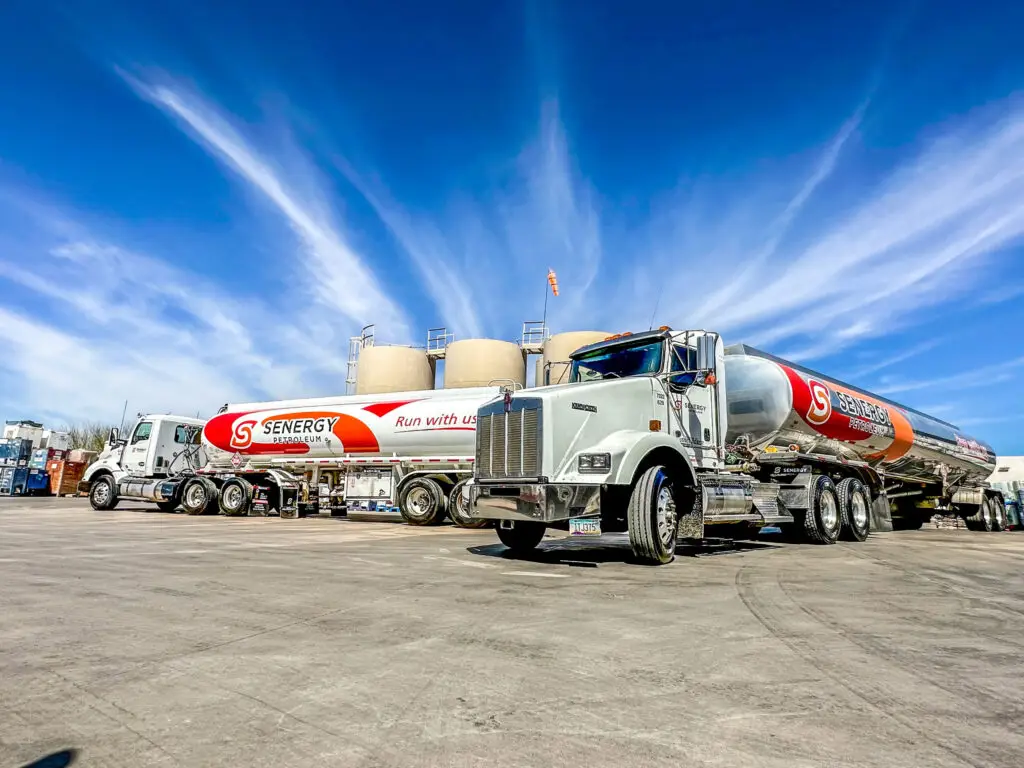
The Role of Clean Fuel in Reducing Equipment Downtime
Fuel is the backbone of industries that rely on heavy equipment, from agriculture and construction to government fleets and transportation agencies. The quality of fuel directly impacts performance, reliability, and operating costs. Poor fuel quality leads to costly delays and operational challenges, while a clean, consistent supply supports smooth engine operation, reduces wear on parts, and maintains productivity. Contamination from dirt, water, and microbes poses risks that can shorten engine life, making fuel quality not just a technical concern but a critical business decision. For companies that depend on uptime, prioritizing clean fuel is an investment in long-term performance and profitability.
Preventing Fuel Contamination to Avoid Costly Downtime
Fuel contamination is one of the leading causes of unexpected equipment downtime. Rust, debris, and microbial growth can clog filters, damage injectors, and create combustion inefficiencies. Water in fuel tanks accelerates corrosion and fosters microbial colonies that form sludge, further restricting fuel flow. These issues often result in unplanned shutdowns, costly repairs, and extended operational delays. For agriculture, fleets, and other equipment-reliant businesses, downtime disrupts schedules and reduces production output. Preventing contamination through regular tank inspections and clean fuel supply systems is essential. Companies that neglect these measures often spend significantly more on repairs than they would have invested in proper preventive fuel handling. Reducing downtime is straightforward—it begins with eliminating the root cause: fuel contamination.
Clean Fuel and How It Affects Engine Life
Engines are designed to perform under precise conditions, and clean fuel is essential to keeping them operating at their best. A reliable supply of clean fuel prevents harmful deposits that can restrict airflow and cause costly damage over time. For industries such as construction and transportation, extending the lifespan of equipment translates directly into capital savings. The cost of maintaining clean fuel is minimal compared to the expense of premature engine replacement or downtime. Companies that prioritize fuel quality protect their assets, improve efficiency, and set the foundation for sustainable long-term growth. Clean fuel is not only about performance—it is about safeguarding valuable equipment investments.
Best Practices to Avoid Fuel Contamination
Maintaining stable fuel quality requires strong contamination prevention practices. Regular tank cleaning, water drainage, and the use of high-quality filters form the first line of defense. Monitoring storage conditions is also essential, as temperature fluctuations and condensation can increase the risk of moisture infiltration. Periodic fuel testing helps identify contaminants before they cause equipment damage. Reliable suppliers further support operations by delivering fuel that meets industry standards. In addition, proper tank venting and sealing systems protect stored fuel from airborne particulates and moisture. Many organizations now use fuel management systems that track consumption, quality, and delivery performance—tools that not only optimize efficiency but also reduce the risk of unexpected breakdowns. By prioritizing contamination prevention, companies protect equipment, avoid costly downtime, and ensure long-term reliability.

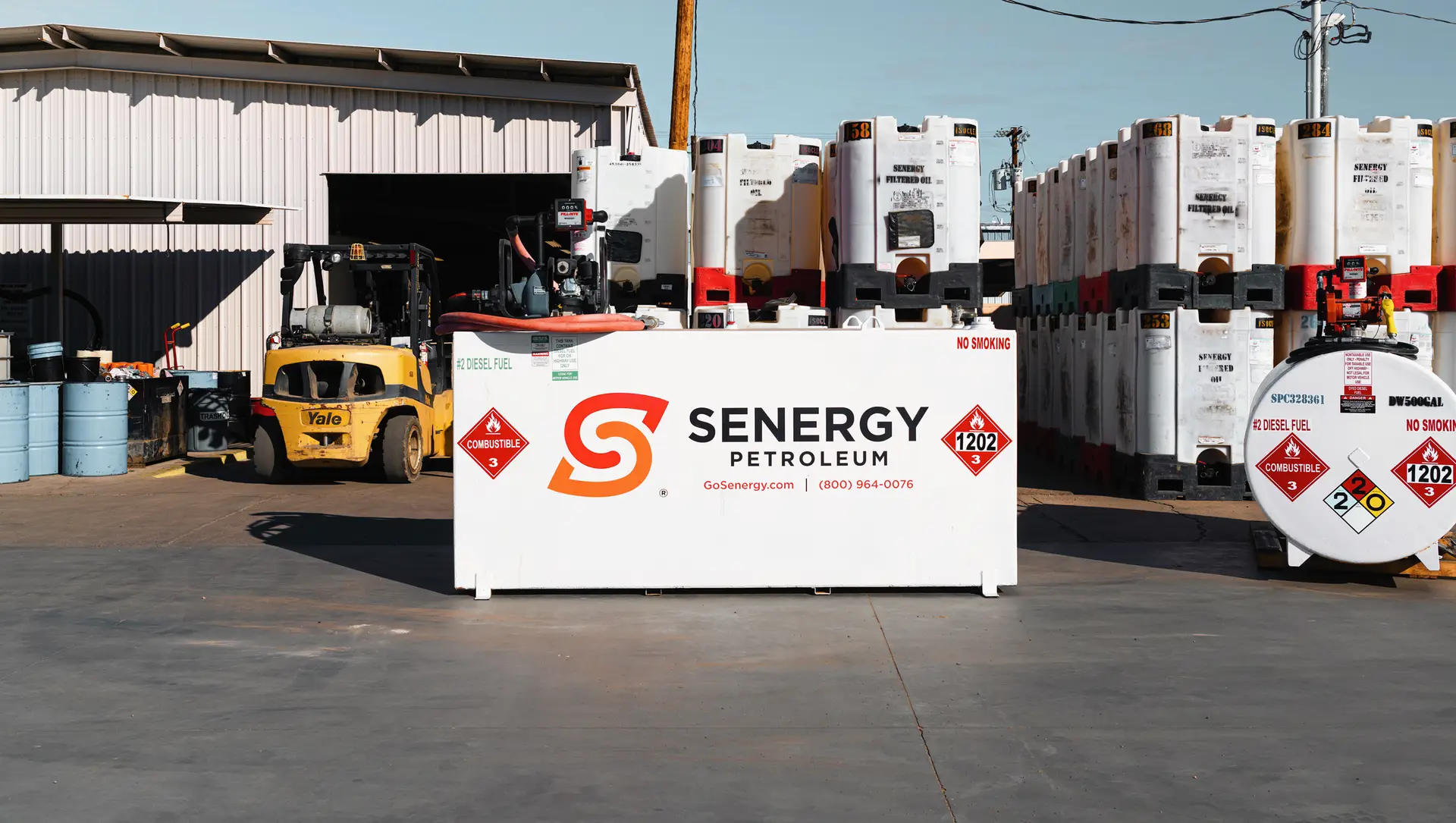
How Clean Fuel Protects Your Bottom Line
Equipment downtime is one of the most costly challenges a business can face. It slows production, delays deliveries, and often adds unplanned labor expenses. Clean fuel directly supports uptime by keeping equipment running smoothly and reducing the need for repairs. Lower maintenance costs, extended service intervals, and fewer component replacements all contribute to measurable savings. For operations with tight schedules, avoiding breakdowns also prevents missed deadlines, penalties, or lost revenue. Beyond cost savings, companies that maintain reliable equipment gain a competitive edge by consistently delivering on time. Fuel quality is not simply a technical matter—it is a strategic business decision. Investing in clean fuel translates to greater profitability, increased uptime, and long-term operational success.
Fuel Efficiency Starts with Clean Fuel
Equipment efficiency is measured not only by output but also by how effectively fuel is converted into usable energy. Clean fuel supports optimal combustion, maximizing power while minimizing waste. This efficiency translates into better fuel economy and lower overall operating costs. Engines running on clean fuel operate more smoothly, experience less vibration, and maintain higher performance. In contrast, contaminated fuel disrupts combustion, forcing engines to work harder, consume more fuel, and reduce productivity. For fleets, farmers, and builders, efficiency directly impacts fuel expenses, uptime, and overall productivity. A consistent supply of clean fuel keeps equipment in peak condition, reduces maintenance needs, and drives long-term operational success. When machinery operates at its best, businesses benefit with reliable performance and greater profitability.
Choosing the Right Fuel Supplier for Reliability and Performance
Not all fuel suppliers maintain the same level of quality control, making supplier selection one of the most important decisions for businesses that rely on equipment availability. Trusted suppliers deliver clean fuel through advanced filtration, periodic testing, and strict handling procedures. They also provide clear quality standards, giving businesses confidence in their fuel supply. The right supplier enables organizations to implement contamination prevention measures at scale, while also offering value-added services such as fuel management systems, site testing, and emergency response support. These services directly improve equipment reliability and reduce the risk of downtime. In industries where every minute matters, a supplier’s role extends far beyond delivery—they become a partner in operational success. By choosing a supplier that prioritizes quality, businesses secure consistent performance, minimize downtime, and ensure long-term reliability.
Fuel Quality That Keeps You Running
Clean fuel is not just a requirement—it’s a strategic investment in efficiency, reliability, and customer trust. Companies that prioritize fuel quality protect their operations from costly breakdowns, extend the life of their equipment, and create a foundation for long-term growth. For farmers, ranchers, government agencies, and transportation fleets, clean fuel means uninterrupted performance, measurable profitability, and confidence in every job. When you choose to Run With Senergy, you choose a partner committed to delivering clean, dependable fuel every time. When operations depend on uptime, you can trust Senergy to keep your business moving forward. The most successful companies don’t just run their equipment—they Run With Senergy.