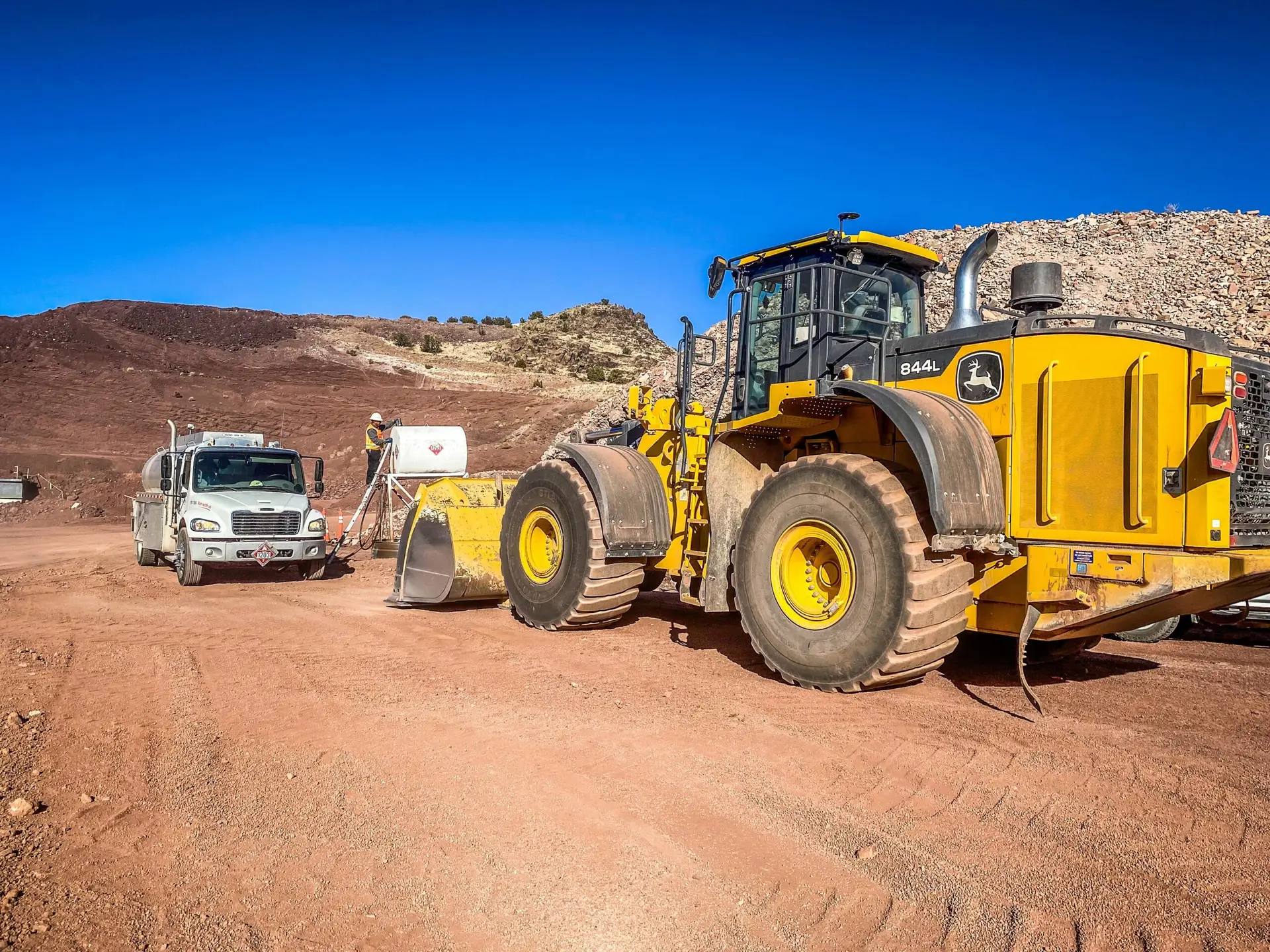
The Right Way to Fuel Construction Equipment On-Site

Reliable, on-site fueling is critical to keeping your equipment running and your project on schedule. Poor fueling practices can lead to costly downtime, safety risks, and damage to your fuel systems. At Senergy, we understand that construction projects can’t afford interruptions—which is why dependable, on-site fuel delivery isn’t just a convenience, it’s a necessity. When fueling is handled right, you reduce fire hazards, protect your equipment, and keep your crew moving. A solid fueling strategy supports worker safety, equipment performance, and overall job site efficiency. In short, consistent and well-executed on-site fueling lays the foundation for successful project execution—day after day.


Getting Fuel Right: Storage and Handling Best Practices

Choosing the right type of fuel is the first step in keeping heavy-duty equipment running without interruption. Most diesel-powered machinery uses ultra-low sulfur diesel, but for some off-road applications, dyed diesel is permitted. It’s important to confirm local regulations regarding dyed diesel use to avoid penalties. Storage tanks should be secure, clearly labeled—red for dyed diesel, green or clear for standard on-site fuel—and designed with accessibility in mind for fuel truck deliveries. Proper placement should also support spill containment and efficient access. Filters, water separators, and well-maintained hoses, pumps, and transfer fittings all play a role in clean and efficient fuel delivery. A well-planned fuel storage setup helps minimize issues and keeps your operation moving without delays.

Smooth Fuel Deliveries Start with Smart Coordination

Scheduling fuel deliveries on a construction site requires careful coordination. Time deliveries to avoid interfering with active equipment or crew workflows. Ensure fuel trucks have clear access to tanks without disrupting operations. During delivery, trained personnel oversee the process—confirm pumps are grounded, hoses stay secure, filters remain active, and any potential spills stay contained. The driver and site operator verify product type, quantity, and meter readings to prevent errors. Log fuel usage and inventory levels with each delivery to maintain accurate tracking. After fueling, recheck seals and fittings and document the delivery with a signed record. Following these steps prevents misfueling, theft, and paperwork mistakes—ensuring accountability and keeping your job site running smoothly.

Why On-Site Fueling Is a Must for Productive Job Sites

Reliable on-site fueling is essential to keeping your equipment running and your project on track. Poor fueling practices can lead to spills, safety issues, and costly downtime. On-site fuel delivery isn’t just convenient—it’s critical for operations that demand consistent equipment performance. With rising fuel costs and tighter operating margins, construction projects depend on dependable fuel service partners to maintain efficiency and compliance. Following best practices helps prevent contamination, reduce fire hazards, and avoid regulatory setbacks. Clear fueling protocols also protect crews, minimize delays, and support overall project flow. The impact of strong fuel management goes beyond day-to-day operations—it plays a direct role in equipment lifespan, project timelines, and budget control. Simply put, effective on-site fueling is the foundation of successful project execution.

Fuel Type and Storage: Getting the Basics Right

Choosing the correct fuel type is one of the most important decisions when fueling heavy-duty equipment. Most diesel-powered machinery requires ultra-low sulfur diesel, but for certain off-road applications, dyed diesel—marked red for tax-exempt use—is acceptable. It’s important to confirm local regulations regarding dyed diesel to avoid fines. Fuel storage tanks should be secure, locking, and clearly labeled—red for dyed diesel, green or clear for standard on-site fuel. Tank placement should allow for safe fuel truck access and take spill containment into account. Filters and water separators help ensure clean fuel delivery. Well-maintained hoses, pumps, and transfer connections reduce the risk of leaks or cross-contamination during fueling. A solid storage and handling setup lays the groundwork for efficient, safe operations and keeps your project moving without delays.

Fuel Delivery Done Right: Timing, Accuracy, and Oversight

Coordinating fuel deliveries on a job site takes planning. Deliveries should be scheduled during windows that won’t interfere with active equipment or critical site operations. Trucks need clear access to tanks without disrupting the workflow. During the delivery, trained personnel should supervise the process—confirming pumps are grounded, hoses are securely connected, filters are engaged, and any potential spills are contained. Both the driver and site operator should double-check the fuel type and quantity, inspect for any signs of contamination, and verify meter readings. Fuel usage and inventory should be logged during each delivery for accurate tracking. After fueling, seals and fittings should be rechecked and properly documented. A clean handoff includes signed delivery records. Following these steps helps prevent misfueling, theft, and reporting errors—supporting accountability and smooth operations from start to finish.

Staying Compliant on the Job Site

Compliance with fuel regulations is non-negotiable on today’s construction sites. Fueling operations must follow IRS and EPA rules, particularly when it comes to off-road use and proper handling of dyed diesel. Dyed diesel should only be used for approved off-road equipment and must be managed according to regulatory requirements. Fuel storage tanks must meet local codes for containment, spill control, and labeling. Depending on storage volume, some sites may be required to maintain a Spill Prevention, Control, and Countermeasure (SPCC) plan. Refueling areas should be located away from storm drains, high-traffic zones, and other sensitive areas. Regular inspections, accurate documentation, and proper training are key to keeping operations compliant. Even minor incidents must be reported promptly. Keeping crews up to date on fueling procedures and regulatory requirements helps protect the operation, avoid fines, and ensure smooth audits—so the job stays on track and under control.

Training, Audits, and Accountability

A fueling program is only as strong as the people behind it. Teams should receive thorough initial and refresher training that covers safety, contamination prevention, spill response, and compliance procedures. Certifications should be documented, and annual training should be part of the regular schedule. Crews need clear system checklists and an understanding of why these practices matter. Random and scheduled audits of fueling activity, equipment, and records help catch issues early. Emergency drills—like spill containment or fire response—build preparedness. Auditors should review log accuracy, fueling procedures, and equipment condition, with any findings addressed through immediate corrective action. Encourage employee feedback to improve processes and keep fueling efficient and safe. Tracking incidents over time helps identify recurring problems. Investing in training and team engagement builds a strong culture of accountability, making safe, reliable fuel management second nature—not just another box to check.

Smarter Systems for Smarter Sites

The fueling landscape is evolving fast. Today’s advanced fuel monitoring systems and telematics integrations provide real-time, remote visibility into fuel usage—reducing human error and improving efficiency. Smart dispensing equipment can verify vehicle ID, compare against expected usage baselines, and immediately flag anomalies to site managers. RFID-tagged tanks and equipment help track fuel movement and detect unauthorized activity. These technologies streamline oversight, reduce downtime, and help ensure the right fuel gets to the right equipment at the right time. Digital modeling tools can even forecast fuel needs based on equipment schedules, helping operations avoid overstock or running short. For construction teams focused on uptime and control, adopting smarter fueling tools is a clear competitive edge.

Drive Your Project Forward with Senergy

Effective fueling isn’t just about getting diesel into tanks—it’s a careful balance of safety, compliance, accountability, and foresight. Partnering with expert fuel delivery services, maintaining strong storage and fueling infrastructure, and enforcing disciplined on-site fueling processes are critical. Clean fuel protocols and contamination prevention protect equipment performance and ensure regulatory compliance.

Accurate record-keeping and digital tools give managers valuable insights to control costs and spot issues early. Equally important are regular employee training, audits, and emergency preparedness, keeping teams informed and responsible. By embracing fueling innovations and best practices, construction teams reduce risk, boost efficiency, and position themselves for lasting success. Run With Senergy—where fueling excellence drives your project forward.

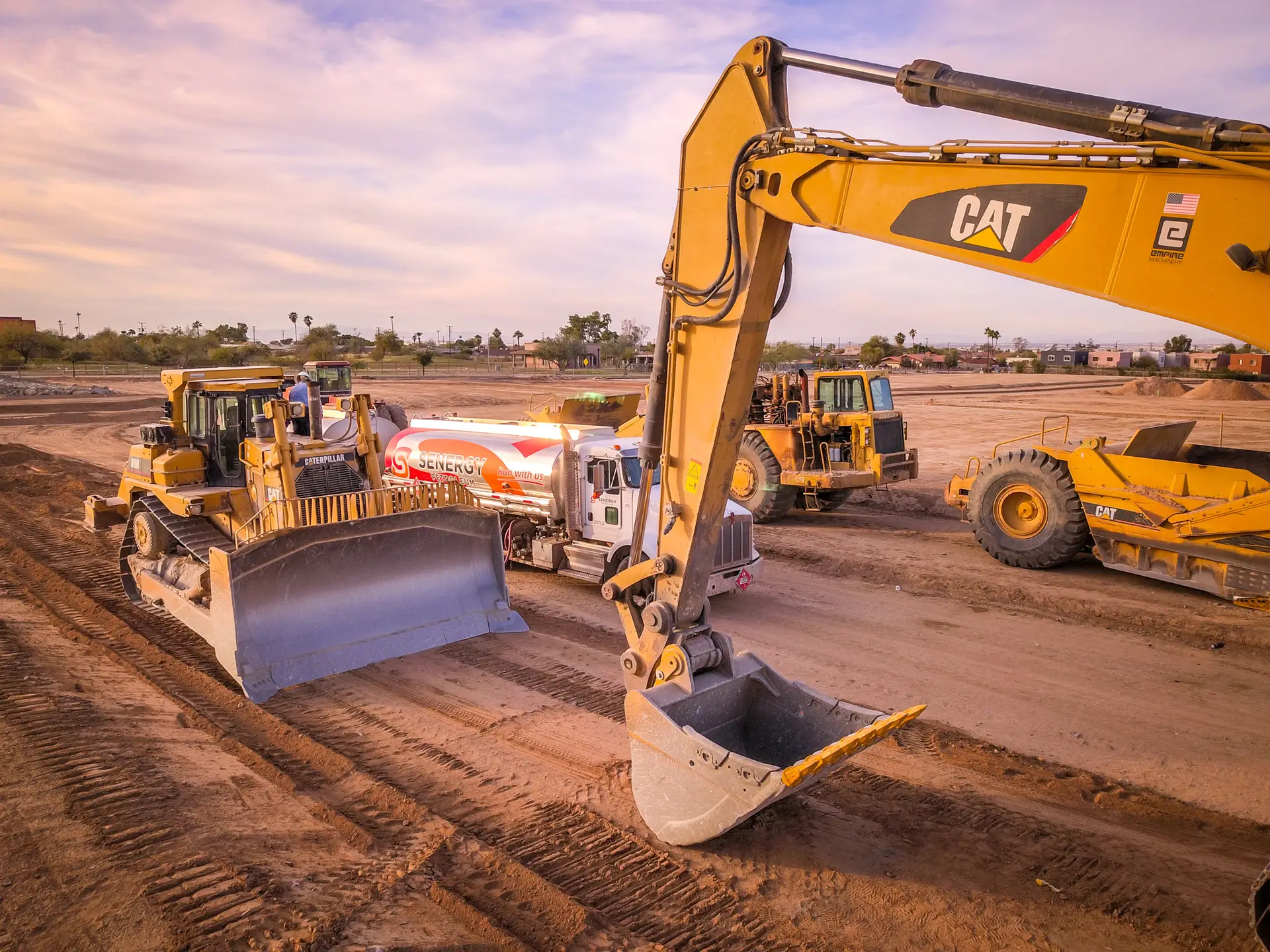
A Senergy Petroleum fuel truck refueling heavy construction equipment at a worksite. The scene includes a large excavator arm in the foreground, along with a bulldozer and other machinery on a dirt surface under a cloudy sky.

Stay Up To Date!

Keep up with Deals, Industry Updates, and more!

"*" indicates required fields

This field is for validation purposes and should be left unchanged.