The Right Tank Setup for Bulk Fuel Storage

For industries such as agriculture, construction, transportation, and government fleets, having the right fuel storage setup is a critical investment. Bulk fuel tanks enable businesses to purchase and store fuel in larger quantities, reducing reliance on external fueling stations and lowering costs through bulk purchasing. But storage involves more than simply installing a tank—it requires careful planning to ensure fuel quality, daily operational efficiency, and long-term safety. Tank design, placement, and protection standards all play a key role. When properly designed, bulk fuel storage provides reliability, minimizes downtime, and improves overall performance. Overlooking these factors can lead to contamination, costly repairs, and unnecessary risks. A well-planned storage system creates the right balance of safety, efficiency, and savings, making it an essential part of effective fuel management.

Choosing the Right Bulk Fuel Tanks

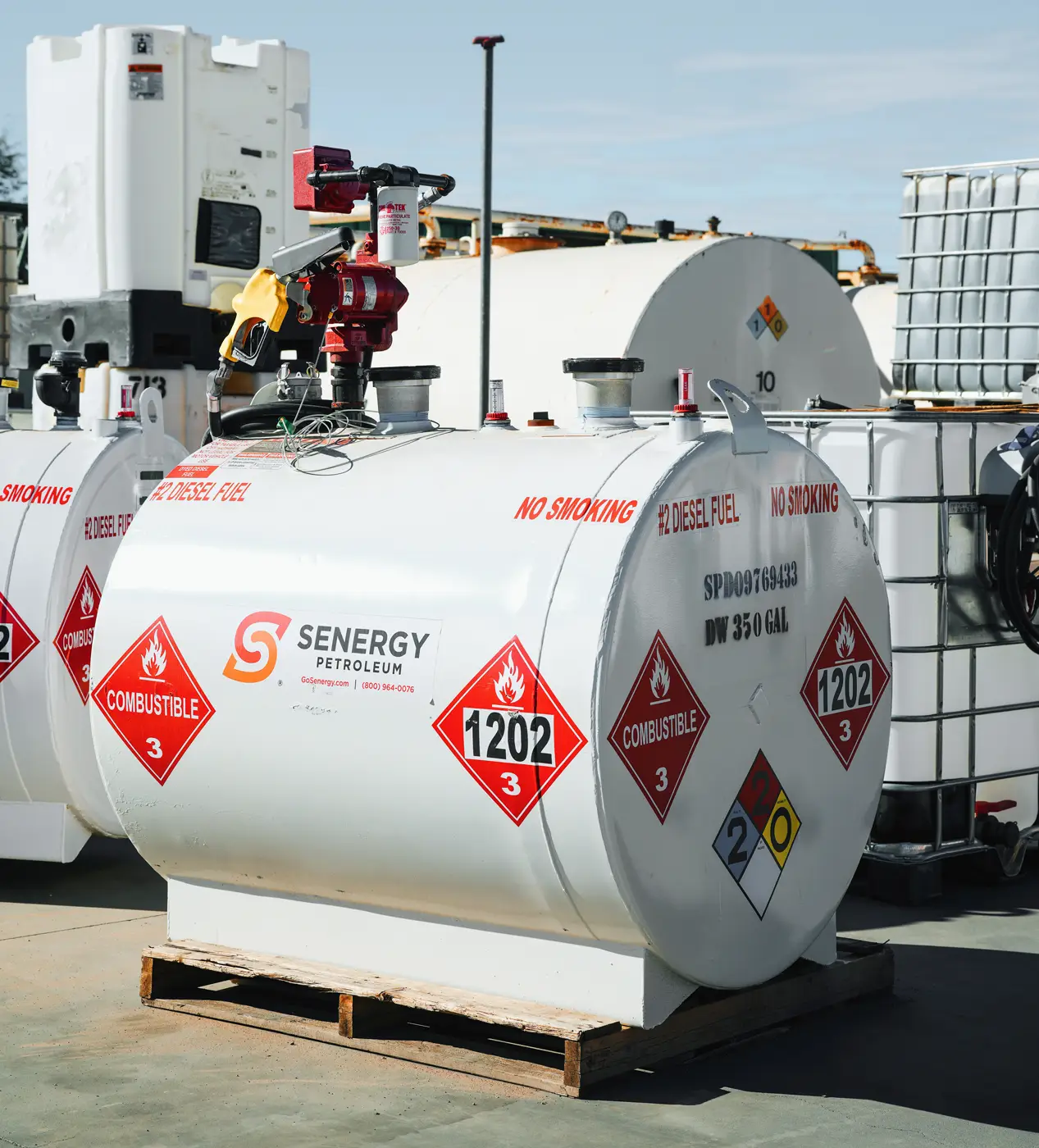
The choice of bulk fuel tanks plays a critical role in both efficiency and safety. Tanks are available in a range of shapes, sizes, and materials, including steel and fiberglass, each offering unique advantages. Steel tanks are durable and cost-effective, while fiberglass tanks resist corrosion and provide extended longevity. Capacity should be matched to business needs—for example, fuel station operators may require larger-capacity tanks than a municipal fleet. Tanks are also available in single-wall or double-wall designs, with double-wall options providing greater protection against leaks. Above-ground fuel storage is often preferred for accessibility and ease of maintenance, while underground systems save space but require more stringent compliance measures. When selecting a tank, organizations should evaluate available space, local conditions, and refueling frequency. Partnering with licensed providers ensures that tanks meet industry standards and deliver long-term reliability. The right tank selection safeguards fuel quality and supports operational efficiency.

Above-Ground Fuel Storage Advantages

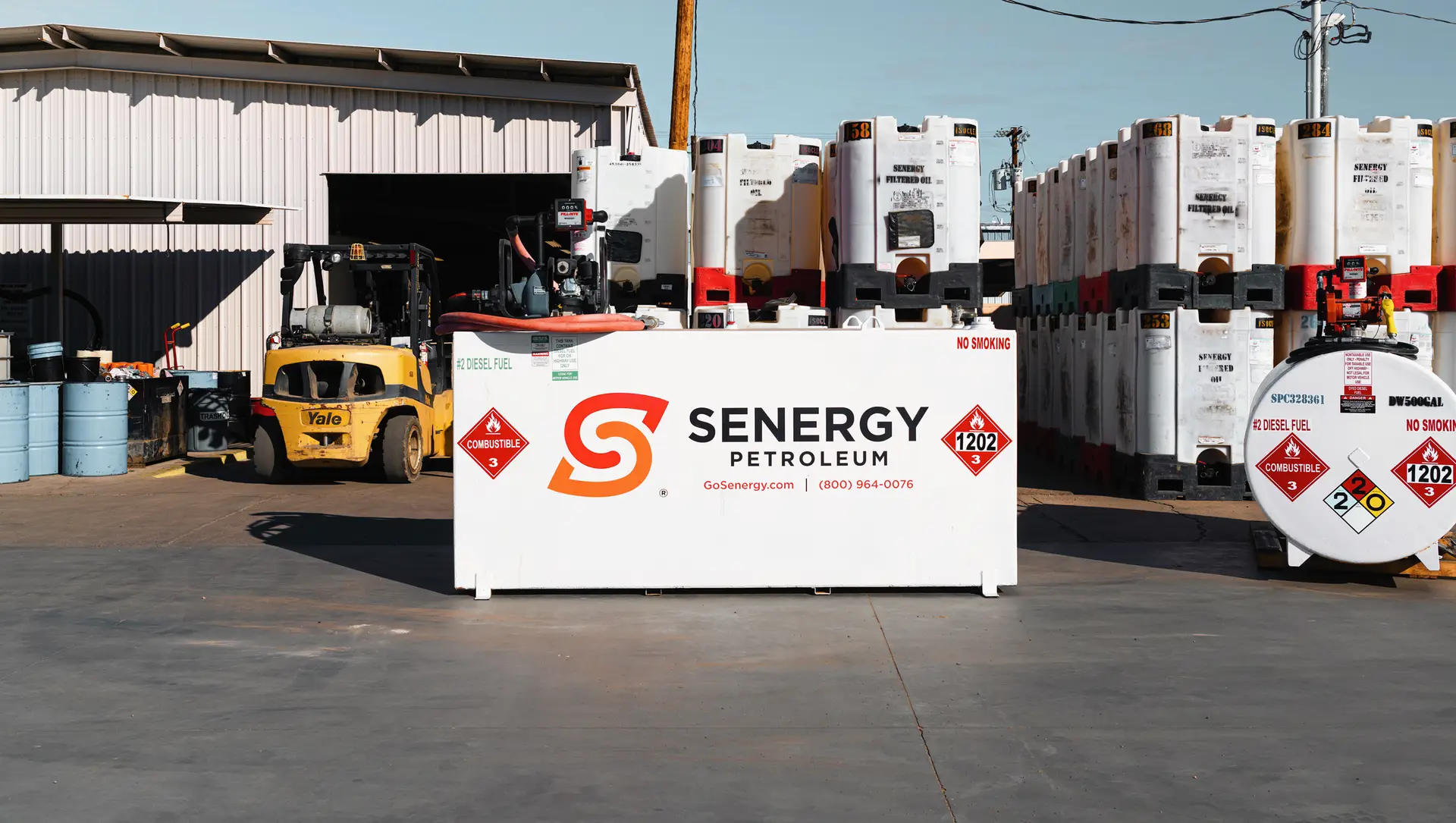
For many organizations, above-ground fuel storage is often the most practical solution. These tanks are easier to install and maintain than underground systems, making them a cost-effective choice for both small and large operations. Inspections are simpler as well, allowing issues to be identified and resolved before they escalate. Above-ground fuel tanks are available in a wide range of capacities and can be customized with pumping systems, meters, and spill containment features. Safety is also an advantage, as leaks are more easily detectable, and tanks can be secured with fencing and lockable valves to prevent theft or tampering. Agricultural operations, construction companies, and government fleets often prefer these tanks for their accessibility and convenience. With the right planning, above-ground tanks provide a reliable and efficient bulk fuel storage solution.

Commercial Fuel Tank Systems for Businesses

Commercial fuel tank systems go beyond basic storage—they are complete solutions designed to meet the fueling needs of a wide range of industries. These systems often include tanks, pumps, filtration units, monitoring devices, and spill-prevention features. For fuel station operators, they ensure a steady supply and efficient refueling for customers. In agriculture, they provide on-site fueling for tractors, trucks, and equipment, saving valuable time during peak seasons. Municipalities and government operations depend on these systems to keep emergency services, transit fleets, and public works vehicles running without interruption. Many advanced systems now incorporate digital monitoring tools that track fuel levels, detect leaks, and deliver real-time usage data. These features increase accountability and help reduce losses from fuel waste or theft. Choosing a comprehensive system rather than just a tank enables businesses to streamline fueling, maintain reliability, and strengthen operational performance.

Fuel Tank Installation Tips for Success

A successful fuel storage setup depends on proper planning and execution. Before installation, businesses should evaluate daily, weekly, and seasonal fuel usage to determine the correct tank capacity. Location is equally important—tanks should be placed on level ground with clear access for delivery and company vehicles. Every decision should be guided by safety and compliance standards, including required setbacks, containment measures, and fire protection guidelines. Spill containment basins, grounding systems, and protective barriers such as bollards further reduce risk for above-ground tanks.

Investing in high-quality pumps, hoses, and meters helps minimize wear and extend equipment life. Companies should also consider future expansion by selecting a site that allows room for additional tanks as needs grow. Working with experienced professionals who specialize in commercial fuel tank installation provides valuable expertise and ensures the system is built to meet all safety and operational requirements.


Safety and Compliance Considerations

Fuel storage comes with significant responsibilities. Strict regulations require businesses to meet safety standards for containment, fire protection, and system integrity. Bulk fuel tanks must incorporate secondary containment measures, venting systems, fire suppression, and proper grounding to minimize risk. Routine inspections are essential, along with accurate recordkeeping for maintenance and compliance checks. Employee training also plays a key role, ensuring staff can operate fueling equipment safely and respond appropriately in emergency situations. Non-compliance can result in costly fines, lawsuits, and reputational damage. For above-ground fuel storage, visibility makes monitoring simpler, but companies must still safeguard tanks against vandalism or unauthorized access. By following best practices and investing in compliant commercial fuel tank systems, businesses can strengthen reliability, reduce liability, and protect their operations.

Maintaining Bulk Fuel Tanks for Longevity

Even the best-designed system requires ongoing care. Bulk fuel tanks should be inspected regularly for rust, leaks, or damage. Scheduled cleaning helps prevent sediment buildup, which can clog filters and damage equipment. Water intrusion is another concern, often caused by condensation inside tanks. Installing desiccant breathers and conducting routine fuel testing helps maintain fuel integrity and performance. Pumps, hoses, and filters should also be checked frequently to ensure efficient operation. For above-ground fuel storage, protective coatings and sheltering structures extend tank life by guarding against weather exposure.

A proactive maintenance plan not only protects the investment but also ensures a consistent fuel supply. Scheduled servicing by licensed technicians adds another level of security, addressing issues before they escalate. Long-term reliability depends on balancing routine maintenance with compliance requirements, keeping operations running smoothly while avoiding costly downtime or repairs.

Fueling Success Together

The right tank setup is more than just equipment—it’s about partnering with experts who ensure safety, compliance, and efficiency every step of the way. From selecting the right size and design to providing maintenance, training, and ongoing support, dependable service helps businesses reduce risk and protect their investment. With a well-planned system in place, operations can run smoothly and reliably for years to come when you choose to Run With Senergy.

Stay Up To Date!

Keep up with Deals, Industry Updates, and more!

"*" indicates required fields

This field is for validation purposes and should be left unchanged.