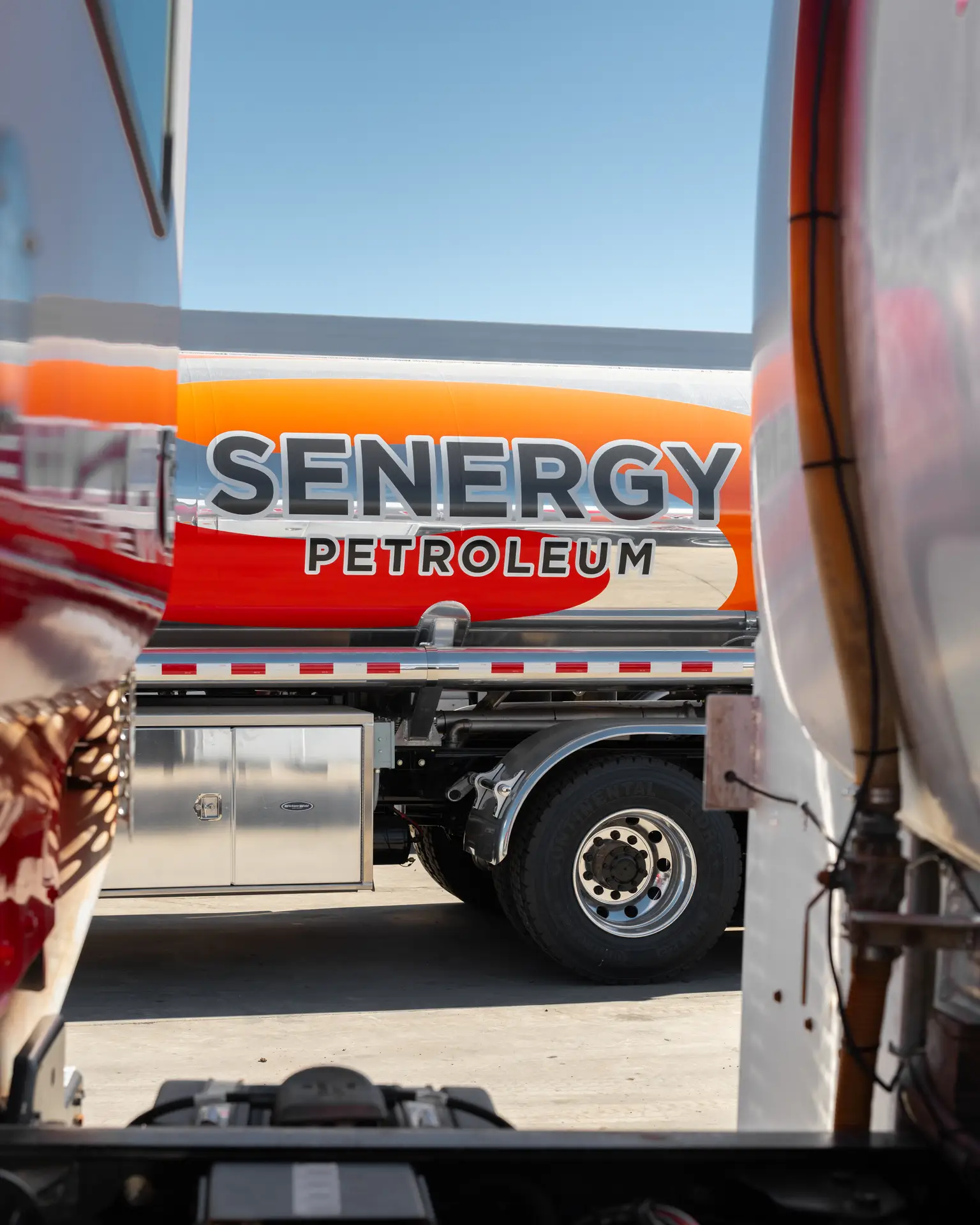
The Importance of Remote Fuel Delivery in Today’s Worksites
In many industries, work sites are often located far from conventional fuel or energy sources. Mining, construction, oil and gas exploration, and certain research operations frequently take place in remote areas, making reliable fuel transport essential. Just as residents in isolated regions depend on deliveries to access necessities, remote teams rely on fuel delivery to keep equipment running and operations productive.
Remote fuel delivery ensures that machinery, vehicles, and backup energy systems have the fuel they need without prolonged downtime. These services are not one-time drops; deliveries are scheduled strategically to support consistent operational demands. When teams know exactly when fuel will arrive, they can focus on their work rather than logistics. Reliable remote fuel delivery keeps operations running smoothly, even in locations far from the nearest fueling station or distribution hub.
Mastering Off‑Grid Fuel Delivery for Remote Operations
Off‑grid fueling supplies fuel to locations disconnected from conventional infrastructure. In remote operations, teams deliver fuel to sites without roads, fueling stations, or pipelines. The most critical factor is planning: teams must accurately estimate how much fuel they need and when, to avoid running out at crucial moments.
Weather and terrain also play a significant role. Heavy rain, snow, or rough landscapes can make access difficult or unsafe. If a delivery vehicle cannot reach the site, teams must pause operations. Safety remains paramount when storing and handling fuel off‑grid, so personnel follow strict precautions. Teams secure tanks, prepare spill containment measures, and train all personnel to respond to emergencies. Successful off‑grid fueling requires seamless coordination of planning, safety, and logistics, ensuring teams maintain efficient operations even in the most remote locations.
Maximizing Efficiency with Mobile Fuel Delivery
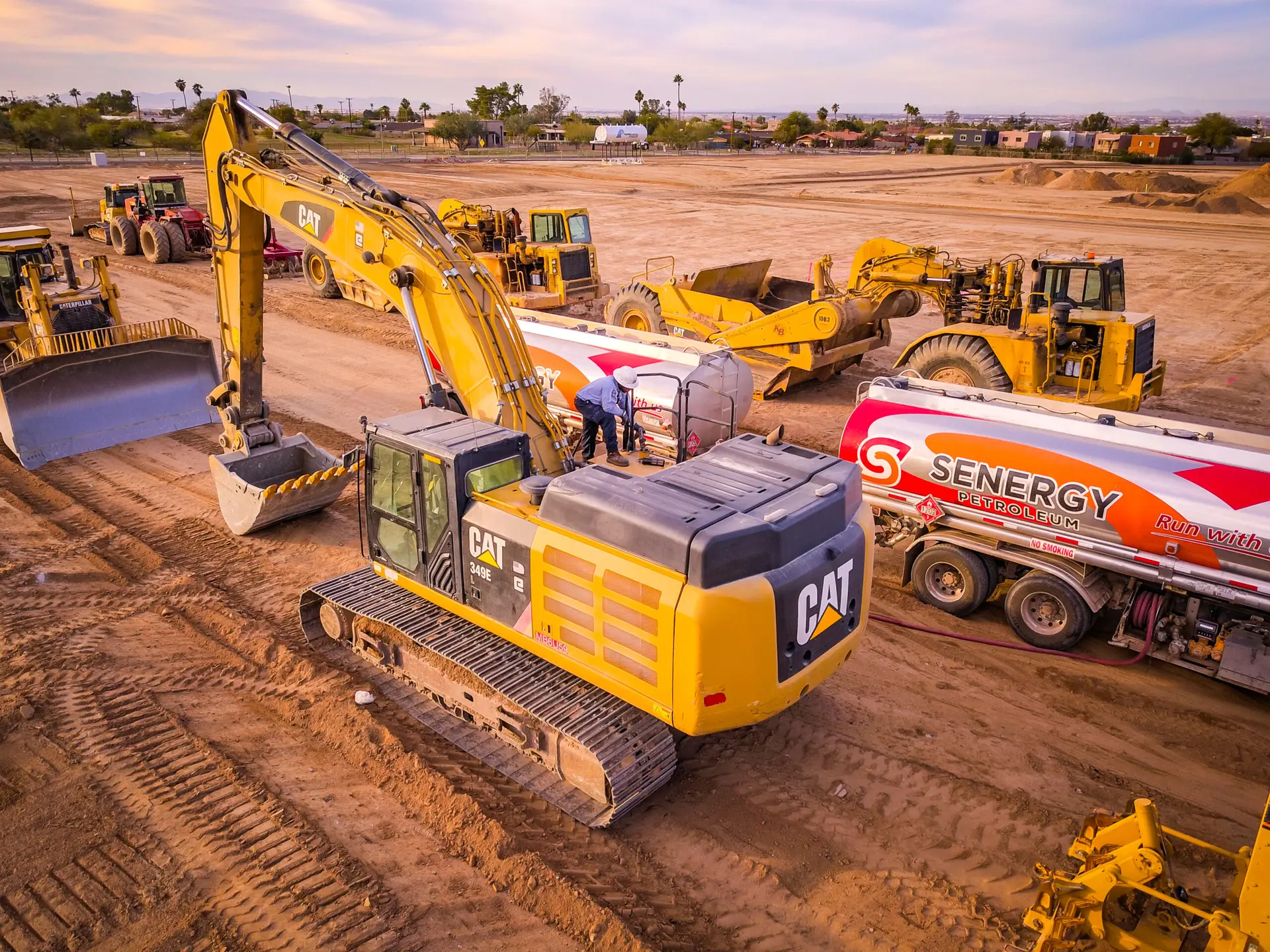
Mobile fuel delivery provides on-site refueling by bringing tanks and pumps directly to remote or active job sites. This approach saves time and minimizes the need for employees to leave their work to refuel equipment. In industries with numerous vehicles or heavy machinery, mobile fueling supports continuous operations without interruptions.
Specialized vehicles transport large quantities of fuel efficiently and safely, and drivers are trained to deliver diesel, gasoline, or generator fuel as required. Advanced mobile fueling providers also offer real-time monitoring of fuel consumption, helping teams avoid shortages. Scheduled deliveries ensure that fuel is available precisely when needed, keeping operations on track even in locations without nearby fueling stations.
By utilizing mobile fuel delivery, teams reduce downtime, improve safety, and maintain equipment performance, providing a practical solution when every minute counts.
Reliable Generator Fuel for Uninterrupted Off‑Grid Power
Unlike traditional neighborhoods with continuous electrical service, off‑grid worksites rely on turbine-powered generators running on fuel to maintain lighting, equipment, and critical systems. Generator fuel becomes one of the most essential on-site resources, as operations cannot function without it.
Fuel must be clean and properly stored, since contaminated or degraded fuel can damage engines. Teams often maintain larger reserves to prevent shortages. At remote sites, generators support everything from communication systems to refrigeration. A fuel shortage can disrupt operations, damage equipment, or compromise safety.
Through careful fuel planning and regular deliveries from a remote fuel supply provider, worksites maintain uninterrupted power. Organized and dependable generator fuel management ensures operations continue smoothly, even in the absence of a traditional energy grid.
Effective Fuel Planning for Remote Operations
Planning fuel requirements for remote sites requires a combination of forecasting and practical logistics. Operations managers calculate fuel needs by assessing the number of machines in use, the daily operating hours of each machine, and the type of fuel required.
Accurate planning minimizes waste and prevents overstocking, which can lead to storage issues. Many operations leverage digital monitoring systems to track fuel consumption over time, enabling precise adjustments to delivery schedules.
Good planning also incorporates contingency measures for delays caused by weather or difficult terrain. Maintaining adequate reserves and flexible delivery windows helps ensure uninterrupted operations. In essence, a strong fuel management plan anticipates demand and implements a reliable system to keep fuel flowing, maintaining consistent productivity even in remote locations.
Ensuring Safety in Remote Fuel Operations
Handling fuel is a high-risk process, as it is highly flammable and can cause injury if spilled. For this reason, long-distance and mobile fuel delivery services follow strict safety protocols. Workers wear protective gear, fuel tanks are properly grounded to prevent sparks, and spill kits are always on hand, similar to having fire extinguishers and first-aid kits in a home.
Strict safety measures are essential in remote operations, where a spill can be particularly hazardous. Personnel are trained to respond quickly to incidents, containers are clearly labeled, leaks are monitored, and fuel is stored securely. These practices are mandatory to prevent accidents and avoid costly downtime.
Additionally, operations maintain detailed logs of all fuel transactions and deliveries. This documentation ensures compliance with safety procedures and provides transparency. In essence, careful planning and adherence to safety protocols keep fuel operations secure, protecting both personnel and equipment.
Cost Efficiency Through Strategic Off‑Grid Fueling
Efficient off‑grid fueling extends beyond convenience—it also reduces operational costs. Reliable fuel delivery and precise planning keep machinery running consistently, minimizing downtime that can lead to lost work hours, project delays, and increased labor expenses.
Using a mobile fuel provider further reduces travel-related costs. Instead of sending personnel to distant fueling stations, fuel is delivered directly to the job site, saving time, vehicle wear, and fuel consumption. Predictable delivery schedules also allow teams to negotiate bulk fuel rates, optimizing overall expenses.
Properly stored generator fuel prevents degradation, avoiding engine damage and costly repairs. When fuel is managed effectively, operational costs decrease, helping projects stay within budget while maintaining productivity. Strategic fueling practices ensure smooth operations and financial efficiency across remote worksites.
Future Trends in Remote Fueling Solutions
Fueling remote worksites is evolving with technologies like real-time tracking, fuel-level sensors, and predictive software, allowing managers to know exactly when and how much fuel is needed. While electric and hybrid equipment are gradually reducing fuel demand, diesel and generator fuel remain essential for most off‑grid sites.
Service providers are combining digital monitoring with traditional delivery methods to make off‑grid fueling more efficient, reliable, and responsive. The future of remote fueling focuses on innovation and precision, ensuring even the most distant worksites maintain continuous operations safely and effectively.