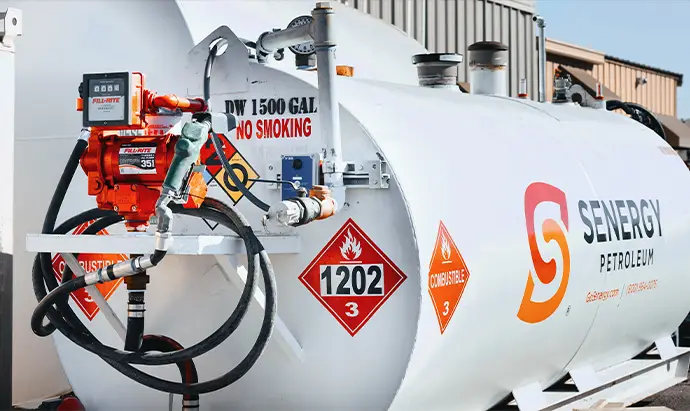
The Importance of Regular Fuel Tank Cleaning for Your Fleet
For fleet managers, tank cleaning is more than a routine task—it is a strategic necessity. Over time, diesel and gasoline garage tanks accumulate sediment, microbial buildup, rust debris, and condensation water. These contaminants settle at the bottom of tanks and can remain undetected until they begin affecting performance. Without proper tank cleaning, the buildup of impurities increases the risk of fuel contamination, compromising operational efficiency. Small deposits can develop into thick layers of sludge that clog filters, corrode fuel lines, and impair engine performance. Regular tank maintenance not only safeguards the structural integrity of fuel storage systems but also ensures that fuel remains reliable and easy to use across all vehicles.
How Fuel Contamination Occurs and Its Hidden Costs
Fuel contamination does not occur overnight. It develops from a combination of factors that gradually degrade fuel quality. The financial impact of contaminated fuel often becomes apparent only after equipment experiences failures. Engines operating on compromised fuel show reduced efficiency, increased risk of common mechanical issues, and higher maintenance costs. Fuel filters clog more rapidly, requiring frequent replacement, and severe damage can occur to injectors and pumps, resulting in costly repairs. Regular tank cleaning interrupts this cycle by removing water, sludge, and microbial buildup before it can cause significant harm. For fleets operating on tight margins, preventing fuel contamination is essential for controlling costs and protecting valuable assets.
Enhancing Fleet Reliability Through Routine Cleaning
Fleet reliability is defined by the consistent, predictable performance of vehicles over time. Neglected fuel tanks can compromise even the best-maintained engines by introducing contaminated fuel. Routine tank cleaning supports fleet reliability by ensuring fuel delivered to every vehicle is free of harmful impurities. Clean fuel promotes smoother combustion, reduces engine stress, and improves fuel efficiency, all of which contribute to consistent operations.
A more dependable fleet results in fewer unscheduled stops, reduced downtime for repairs, and greater confidence for drivers and managers. Vehicles that consistently meet schedules and operational objectives enhance customer satisfaction and safeguard the company’s reputation. Conversely, engines affected by clogged filters or contaminated fuel can disrupt timelines, increase labor costs, and reduce overall performance. Scheduled tank maintenance is an investment that protects fleet reliability and optimizes long-term operational efficiency.
Protecting Fleet Assets Through Proper Tank Maintenance
Proper tank maintenance delivers significant protection benefits. Contaminants such as water and sludge can cause corrosion in tanks, increasing the risk of leaks and fuel-related hazards. A compromised tank jeopardizes the fuel system and can result in costly repairs and operational disruptions.
Regular tank cleaning removes stagnant water and flammable residue, reducing the risk of fire and equipment damage. Maintaining clean fuel ensures consistent combustion, protects engine components, and minimizes unplanned maintenance. Fleets that implement proactive tank maintenance demonstrate a commitment to operational safety while safeguarding staff and assets.
Spotting Early Signs of Fuel Contamination to Protect Fleet Performance
Detecting early signs of a dirty fuel tank can prevent costly breakdowns and maintain fleet performance. Common indicators include frequent fuel filter replacements, sudden engine stalling, reduced fuel economy, and black smoke emissions. Drivers may also notice rough idling or hesitation during acceleration, which often signals fuel contamination in the combustion chamber. Another important indicator is the presence of water or sediment in fuel samples collected during routine inspections. Murky or layered fluid during visual checks is a clear signal that tank cleaning is needed. Delaying maintenance until a major failure occurs increases repair costs and downtime. Proactive inspections, combined with timely tank cleaning, preserve fleet readiness and prevent unexpected operational disruptions. Recognizing these signs empowers fleet managers to address minor issues before they escalate into significant problems.
Best Practices for Professional Tank Cleaning
Effective tank cleaning requires more than simply draining and flushing. Best practices begin with a thorough assessment of tank condition. Professionals use fuel sampling and water detection equipment to identify contamination levels. Removing water is a top priority, as it encourages microbial growth and accelerates corrosion. Draining should be accompanied by mechanical cleaning to remove sediment and biofilm buildup.
Following physical cleaning, a detailed inspection ensures all residues are eliminated and the tank structure remains sound. Many fleets also use chemical treatments to neutralize microbial contaminants and stabilize fuel. A final fuel test confirms that contamination levels do not pose a risk. Documenting every cleaning session supports regulatory compliance and informs future maintenance scheduling. When performed regularly and professionally, tank cleaning preserves fuel quality and extends the life of fleet assets.
Building a Tank Cleaning Schedule for Maximum Efficiency
Developing a tank cleaning schedule tailored to fleet usage maximizes the benefits of maintenance. Heavy-use fleets operating on long routes or in demanding conditions require more frequent cleaning due to increased exposure to moisture and particulate matter. Light-use or seasonal fleets can extend cleaning intervals but still need to monitor fuel quality, especially during periods of inactivity.
Start by reviewing historical fuel efficiency data and vehicle performance metrics to establish baseline contamination levels and determine cleaning frequency. Many fleets adopt quarterly or semi-annual schedules, while higher-risk operations may require monthly maintenance. Coordinating tank cleaning with other service activities, such as oil changes or brake inspections, improves efficiency and reduces service interruptions. Training drivers and technicians to recognize early signs of fuel contamination further strengthens preventive maintenance programs. A well-planned schedule ensures reliable fuel quality, protects equipment, and enhances overall fleet performance.
Tank Cleaning as a Strategic Necessity
Cost concerns often delay routine tank cleaning, but the long-term value far outweighs the expense. Damage to injectors, pumps, and fuel filters, combined with vehicle downtime and labor delays, can be costly. Regular tank cleaning prevents these issues, reduces emergency maintenance, and ensures consistent fuel performance. Fleets benefit from smoother operations, lower component replacement costs, and fewer unplanned disruptions. Viewed this way, tank cleaning is a strategic investment that safeguards productivity and supports overall fleet health.