The Importance of Fuel Quality Testing for Businesses
Fuel plays a critical role in the daily operations of any business, especially within transportation, manufacturing, and energy sectors. The performance, productivity, and safety of equipment, machinery, and vehicles all depend on fuel quality. Without proper fuel testing, companies risk costly downtime, increased expenses, and potential damage to their reputation.
Fuel quality testing ensures reliability across every stage of operations by preventing contamination, maintaining consistency through regular sampling, and upholding rigorous quality assurance standards.
The Role of Fuel Quality in Business Operations
Fuel is the lifeblood of many businesses, powering everything from machinery and trucks to industrial equipment and generators. For operations that rely on fuel daily, maintaining fuel quality is essential. Poor-quality fuel can lead to equipment malfunction, inefficiency, and costly downtime.
Reliable, high-quality fuel supports smooth operations, reduces the risk of breakdowns, and enhances overall efficiency. Regular fuel testing helps identify and prevent contamination or impurities that can disrupt performance. Over time, particulates or microbial growth can develop within storage tanks, leading to clogged filters, engine failure, or corrosion. Through consistent testing, companies can protect their equipment and maintain dependable operations.
How Fuel Contamination Impacts Equipment Performance
Fuel contamination poses a serious risk to businesses that depend on consistent, reliable fuel for daily operations. Contaminants can enter fuel from multiple sources, including storage conditions, handling procedures, pipelines, or transportation equipment. Common contaminants include water, particulates, rust, and microbial growth.
If left unchecked, these impurities can cause extensive damage to engines, fuel lines, and critical components. The operational and financial impact of contaminated fuel can be substantial, leading to costly repairs, downtime, and lost productivity.
The Fuel Testing Process: How It Works
Fuel testing uses a series of precise procedures to evaluate fuel quality and uncover potential contaminants. The process starts with sampling fuel from storage tanks, fuel lines, or other systems to get a representative portion. Technicians then analyze these samples in a laboratory to detect impurities such as water, particulates, or microbial growth.
In the lab, experts apply methods like centrifugation, filtration, and chemical analysis to measure contamination levels and assess critical fuel properties such as viscosity, density, and flash point. These tests confirm compliance with industry standards and verify that the fuel is safe and ready for use in equipment.
By testing fuel regularly, companies can quickly spot and resolve fuel-related issues before they cause downtime or equipment damage—keeping operations consistent, efficient, and reliable.

Fuel Sampling: A Critical Process of Quality Control
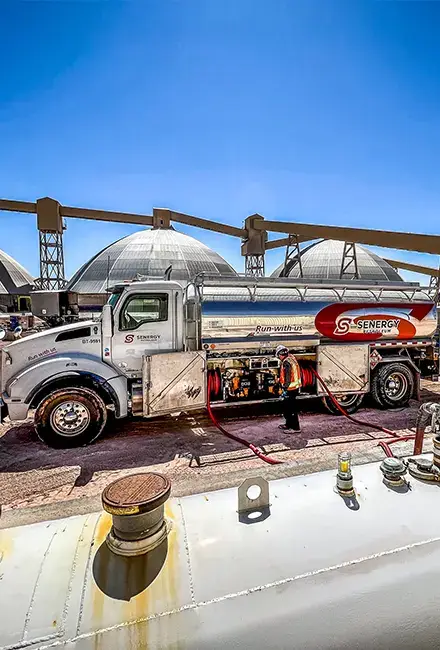
Fuel sampling is a critical component of fuel testing, ensuring that each sample accurately represents the overall fuel supply. Inaccurate or inconsistent sampling can lead to misleading results, making it difficult for companies to identify potential fuel issues.
Samples should be collected from multiple points within the fuel system—such as storage tanks, distribution lines, and dispensing equipment—to provide a comprehensive understanding of fuel quality. The timing of sampling also matters. For example, samples taken during high-demand periods may show different results than those collected during idle times.
Routine sampling allows companies to monitor fuel quality over time and detect variations that may indicate contamination or degradation. By implementing a structured fuel sampling program, businesses can maintain high fuel standards and address potential problems before they affect operations.
The Significance of Fuel Quality Assurance for Business
Quality assurance (QA) is an essential part of any business process, ensuring that products and services consistently meet defined standards and specifications. In the fuel industry, QA extends beyond basic quality control—it involves continuous monitoring and management of fuel quality throughout its entire life cycle, from purchase to use.
A comprehensive fuel quality assurance program helps prevent contamination and ensures that fuel is delivered or consumed without compromising performance. Effective QA practices include verifying that suppliers meet industry standards, regularly inspecting storage tanks for leaks or defects, and conducting routine fuel testing.
Additionally, training personnel in proper fuel handling procedures plays a key role in maintaining fuel integrity during storage and distribution. Over time, a strong QA program enhances operational efficiency, reduces risks, and minimizes costs associated with fuel-related issues.
Staying Compliant Through Routine Fuel Testing
Many industries must meet strict regulatory standards for fuel quality to ensure consistency, efficiency, and safety. Regular fuel testing isn’t just a best practice—it’s often a compliance requirement. Missing these standards can lead to penalties, fines, or even suspended operations.
Through consistent testing, companies can stay compliant with industry regulations and avoid costly legal or financial setbacks. For instance, the U.S. Environmental Protection Agency (EPA) enforces fuel quality and emissions standards for organizations in the transportation sector. Routine testing provides the documentation needed to prove compliance and keep operations running smoothly.
Savings and Business Efficiency Through Fuel Testing
Fuel testing represents an additional expense for companies, but the long-term savings far outweigh the cost. By identifying contaminants and potential issues early, businesses can avoid costly equipment repairs, downtime, and fuel inefficiency.
Consistent testing also helps optimize fuel performance and reduce waste, directly improving profitability. Companies that maintain proactive fuel testing programs experience fewer breakdowns, require less maintenance, and benefit from more consistent operations. With fewer unexpected interruptions and improved equipment reliability, productivity increases across the board.
Regular fuel testing is a cost-effective investment that protects equipment, reduces operational risks, and supports sustained performance.
The Importance of Reliable Fuel Quality
Fuel quality analysis is essential to maintaining safe, efficient, and cost-effective operations. By implementing regular sampling, contamination prevention, and quality assurance programs, businesses can ensure their fuel remains free of impurities that cause downtime or equipment damage.
Fuel testing supports compliance, enhances performance, and reduces maintenance costs—helping companies operate with confidence and consistency. When reliable fuel keeps everything running, trust the partner who helps you stay ahead. Run With Us.