The Importance of Fuel Quality in Mining Equipment Performance
Mining operations depend on equipment that can work for long hours under demanding conditions. Haul trucks, excavators, loaders, dozers, drill rigs, and generators all place heavy demands on their engines. When fuel is clean, properly stored, and suitable for the engine, these machines have a better chance of delivering steady power and dependable performance. When fuel becomes contaminated or degraded, the effects can reach far beyond the fuel tank.
For mine operators, this is an important operating issue because a fuel-related problem can become an equipment problem. A restricted filter, worn injector, damaged fuel pump, or poor combustion can reduce machine availability and increase maintenance work. Caterpillar notes that poor-quality fuel can contribute to abnormal component wear and higher maintenance and operating costs, while its fuel analysis services look for contamination, microbial growth, storage issues, and other fuel concerns.
Why Fuel Quality Matters in Mining Operations
Mining equipment often works in dusty, remote, and physically demanding environments. A haul truck or hydraulic excavator may run for extended shifts while carrying heavy loads, digging hard material, or moving through rough ground. Under these conditions, the engine and fuel system need a dependable supply of properly specified fuel. Even a small amount of contamination can become a concern when it repeatedly passes through sensitive fuel-system components.
Modern engines are particularly demanding because fuel is delivered through precise, high-pressure systems. Cummins points out that particles and other contaminants can cause wear or sticking in modern injectors, shortening component life and potentially contributing to engine damage. Common contaminants include water, microorganisms, wax, hard particles, debris, and sediment.
Fuel specifications also matter. In the United States, Ultra Low Sulfur Diesel (ULSD) with a sulfur content of no more than 15 ppm is the standard for most modern nonroad diesel applications. Mining companies therefore need to consider not only whether fuel is available, but whether it is appropriate for the equipment being operated.
How Poor Diesel Fuel Affects Mining Equipment Performance
Contaminated diesel fuel can interfere with normal fuel flow and combustion. Dirt, rust, sediment, or other particles may restrict filters or reach parts of the injection system. Water presents another concern because it can promote corrosion and create conditions where microorganisms grow inside storage tanks. As contamination increases, the equipment may experience hard starting, uneven operation, reduced power, or other performance problems.
The fuel system is often where the damage begins. Injectors and high-pressure pumps have very small internal clearances, leaving little room for abrasive particles or water. Komatsu states that its fuel filters are designed to remove contaminants, debris, and water to protect high-pressure fuel systems and support Tier 4 engine operation.
The consequences can also appear gradually. A machine may continue operating while its fuel filter becomes increasingly restricted or an injector begins to wear. That makes routine inspection important. Operators and maintenance teams should pay attention to changes in starting behavior, engine response, smoke, filter condition, fuel consumption, and machine output instead of waiting for a complete failure.
Common Causes of Fuel Contamination at Mine Sites
Storage is one of the biggest areas to watch. Diesel can pick up water through condensation, rain intrusion, damaged seals, tank openings, or poorly maintained vents. Cummins explains that moisture can condense inside tanks as temperature and humidity change, while damaged caps, seals, and gaskets can provide direct paths for contaminants to enter.
Dust and sediment are also common concerns at mine sites. Mining environments naturally contain large amounts of airborne dirt and fine particles. If tanks, fill points, transfer equipment, or fuel lines are not kept clean, these materials can enter the supply. Rust and scale from aging tanks can add another source of particulate contamination.
Biological growth deserves attention as well. Water at the bottom of a storage tank can support bacteria and fungi, which can create sludge and other byproducts. Over time, this material may move through the fuel system and contribute to filter plugging. Long storage periods can increase the opportunity for these problems to develop, particularly when tanks are poorly maintained.
How Fuel Filtration Protects Engines and Fuel Systems
Filtration provides an important line of defense between stored fuel and sensitive engine components. A properly selected filter can capture particles while a water separator helps remove water before it reaches the injection system. For large mining fleets, filtration should not be viewed only as an equipment-level maintenance task. Contamination control should begin at the storage tank and continue through fuel transfer and refueling.
Regular filter inspection can reveal useful information about fuel condition. A filter that becomes plugged sooner than expected may indicate that dirt, sediment, rust, or biological material is entering the system. Simply replacing the filter without finding the source may allow the same problem to return.
Fuel sampling and analysis can provide a clearer picture. Caterpillar’s fuel testing services, for example, examine fuel condition for issues such as contamination and microbial growth and include testing options for fuel stored on site. For mining companies, periodic testing can help maintenance teams identify developing problems before they become expensive equipment repairs.
Best Practices for Storing Diesel Fuel at Mining Sites
Good storage begins with a clean, well-maintained tank. Mine operators should inspect tanks regularly for water accumulation, corrosion, sediment, damaged fittings, and compromised seals. Tank bottoms deserve particular attention because water and heavier contaminants can settle there. Removing accumulated water and sediment can reduce the chance of those materials entering the fuel supply.
Fuel handling equipment should receive the same level of care. Transfer hoses, pumps, fittings, and dispensing points should be kept clean and protected from unnecessary exposure to dust and moisture. Filters and water separators should be serviced according to equipment and supplier recommendations, while fuel samples can be taken when contamination is suspected or when storage conditions make testing worthwhile.
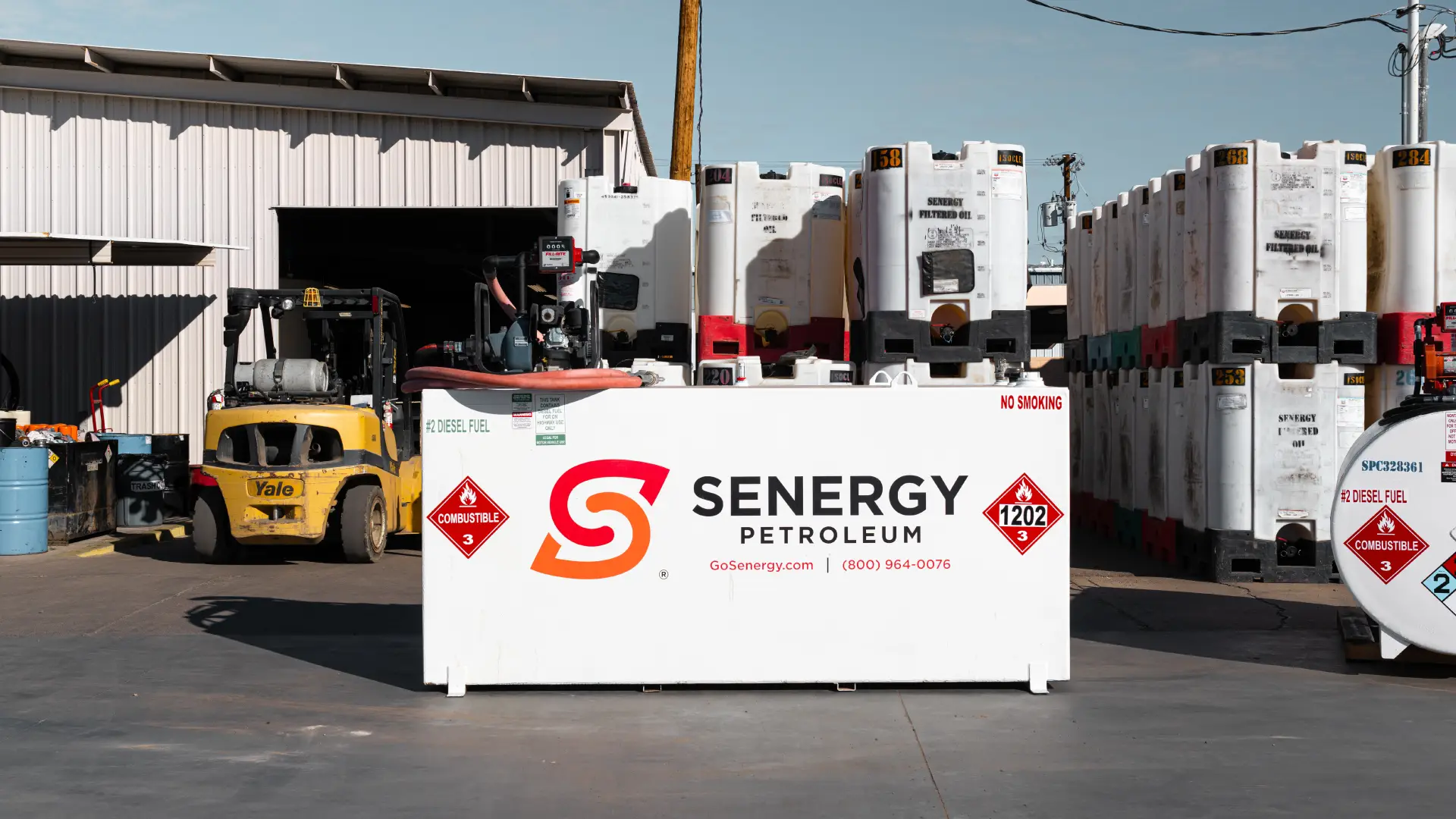
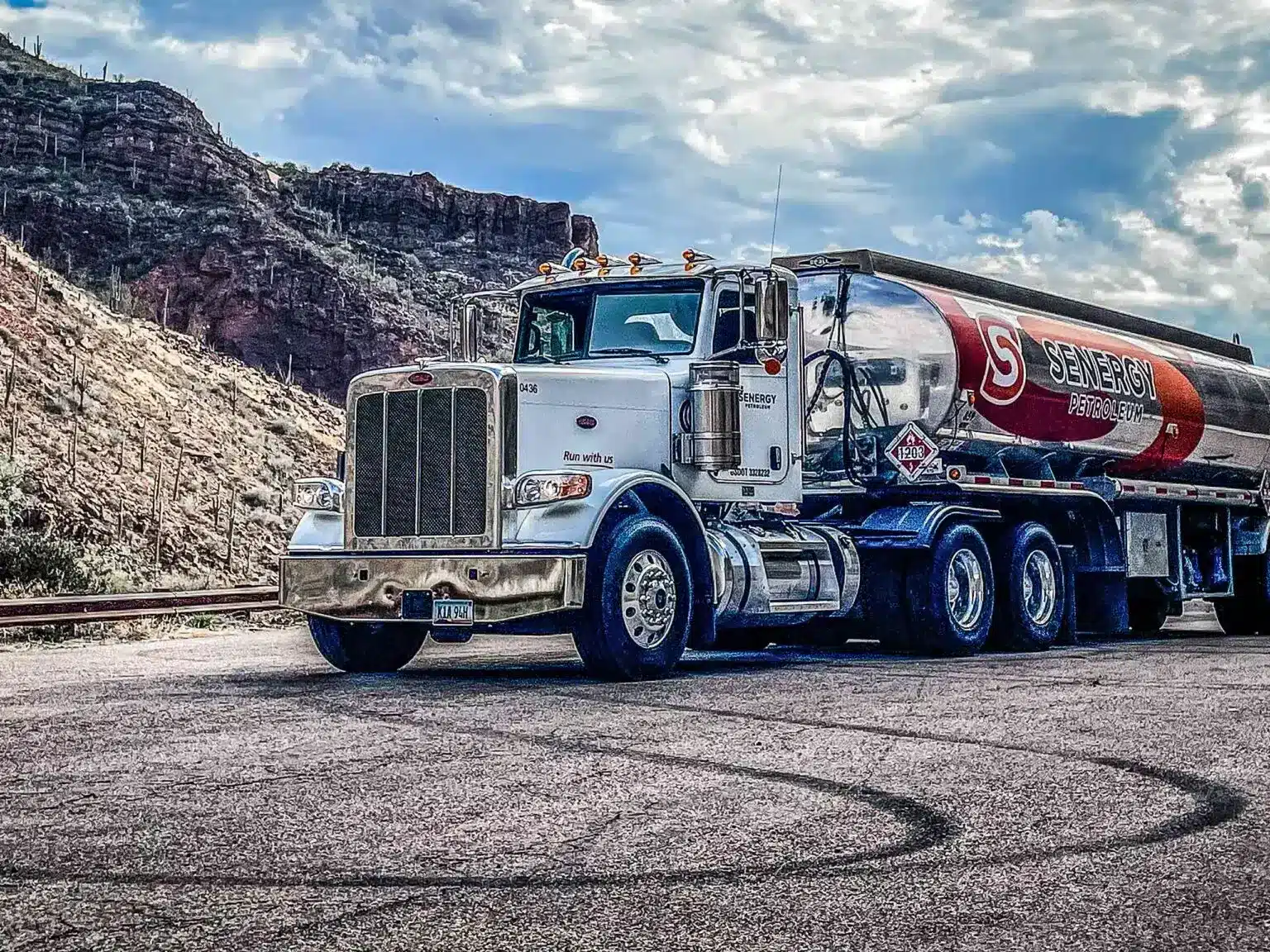
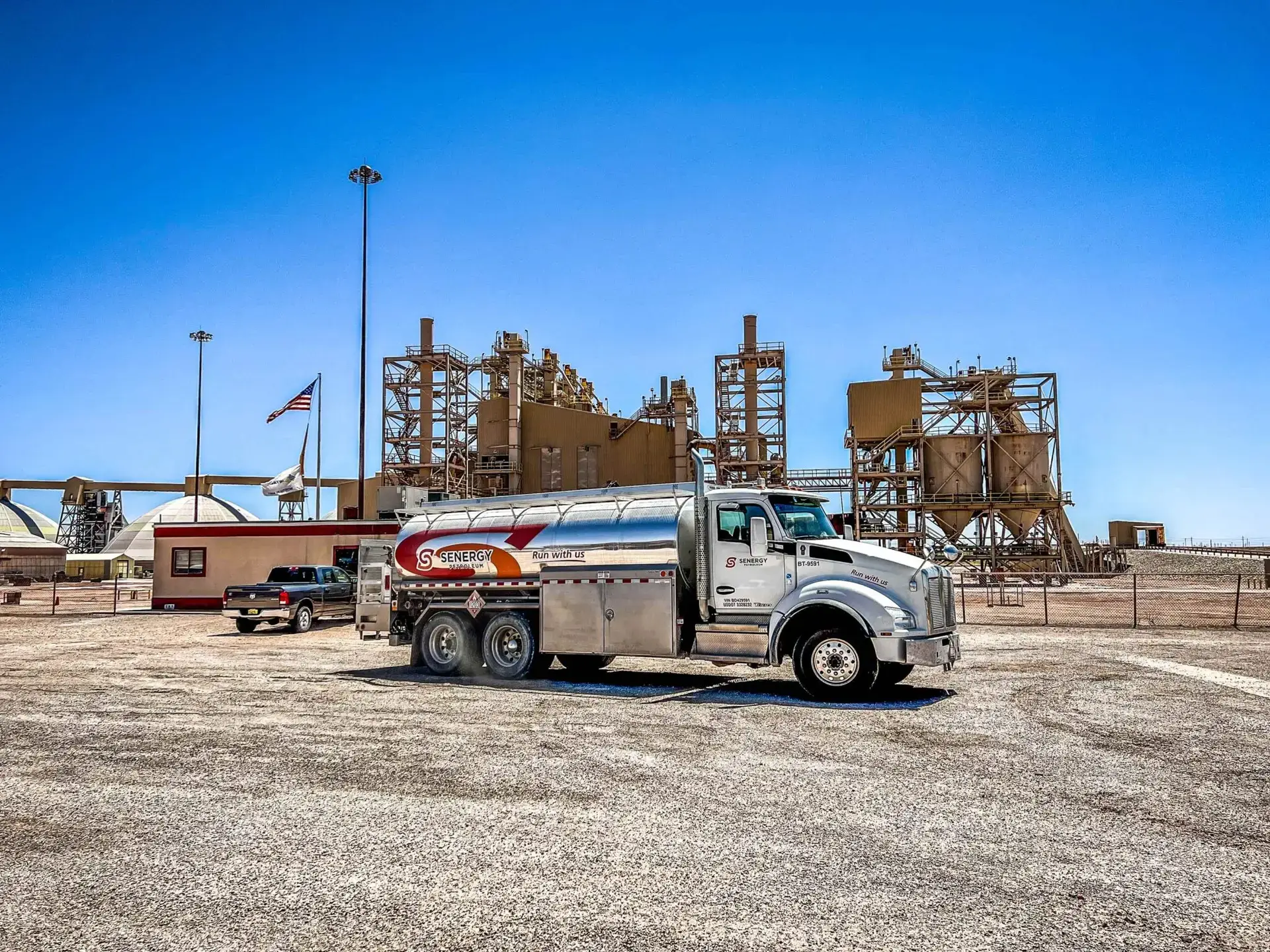
When fuel is supplied through Bulk Fuel Delivery, quality control should continue from the point of supply through the mine’s storage and dispensing system. Keeping delivery records, checking tank condition, and maintaining clean transfer equipment can help create a more controlled fuel chain.
How Mining Companies Can Maintain Consistent Fuel Quality
Fuel sampling can add another layer of control. Testing is especially useful when fuel has been stored for extended periods, equipment begins showing unexplained performance changes, or contamination is suspected. Combining fuel records with maintenance data can also help fleet managers identify recurring problems and improve purchasing or storage practices.
For large mining operations, a dependable supply partner can make fuel management easier by supporting consistent delivery, proper handling, and site-specific requirements. Brad Hall Fuel can support businesses that need reliable fuel supply for demanding commercial operations, helping mining companies keep their equipment supplied while giving fuel quality the attention it deserves.
Good fuel does not eliminate every equipment problem, but it removes one preventable source of trouble. For mining companies focused on uptime, maintenance control, and steady production, treating fuel as an important operating asset not simply another consumable, can make a meaningful difference.