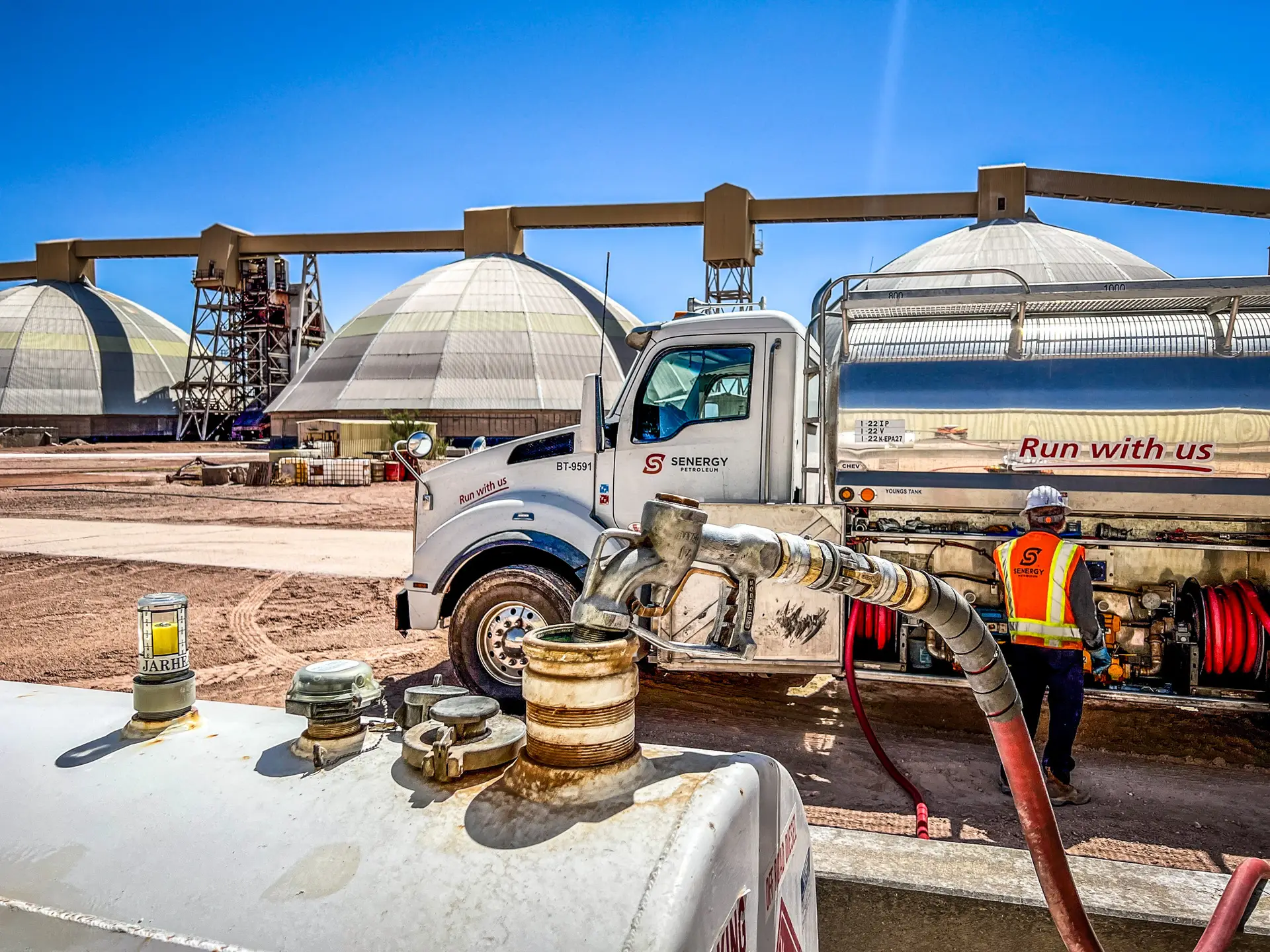
The Hidden Costs of Poor Fuel Storage and How to Avoid Them
A fuel storage facility plays a critical role in maintaining the performance and longevity of fuel-powered equipment. However, the hidden costs of improper fuel storage are often overlooked, leading to higher maintenance expenses, unexpected downtime, and potential equipment issues. This article highlights the hidden costs of poor fuel storage, explains how contamination can affect fuel performance, and outlines strategies to prevent these problems.
Proper fuel storage involves more than simply filling a tank and leaving it unattended. The conditions under which fuel is stored directly impact its quality and the reliability of the equipment it powers. Poor fuel storage occurs when fuel is kept in conditions that promote contamination, degradation, or reduced quality, ultimately leading to costly operational problems.
Fuel storage can be compared to keeping food in a kitchen pantry: if items are not sealed properly or stored under appropriate conditions, they deteriorate faster. Similarly, improperly stored fuel can degrade over time due to exposure to contaminants, moisture, or unsuitable storage practices. These issues may not be immediately noticeable, but they can have lasting consequences. For example, unsealed fuel tanks can allow water to enter, causing contamination that leads to reduced engine performance, clogged filters, and increased operating costs. These hidden challenges often go unnoticed until they result in expensive maintenance or complete engine failure.
By understanding the fundamentals of proper fuel storage and implementing protective and contamination-prevention measures, businesses can avoid unnecessary costs and maintain smooth, reliable operations over the long term.
The Hidden Costs of Poor Fuel Storage on Equipment Performance
One of the most significant hidden costs of improper fuel storage is fuel degradation. Over time, poorly stored fuel can lose its quality, compromising engine performance and reliability. Exposure to air and moisture accelerates oxidation, reducing fuel effectiveness. Contaminants such as dirt, water, and microbes can also enter tanks, further compromising fuel quality.
Fuel can be compared to a sealed bottle of juice: if it is left open, improperly sealed, or stored in an unsuitable environment, it spoils quickly. Similarly, fuel exposed to moisture or contaminants begins to break down, diminishing its ability to burn efficiently. This degradation can lead to clogged fuel filters, reduced engine power, and increased wear on critical components.
The financial impact of degraded fuel is considerable. Engines operating on compromised fuel experience more frequent breakdowns, resulting in costly maintenance and extended downtime. Additionally, poor-quality fuel can increase consumption, as engines require more fuel to maintain the same output. Over time, these inefficiencies can translate into significant operational expenses.
To prevent these issues, fuel should be stored in sealed, well-maintained tanks, regularly inspected for contamination, and treated with fuel additives as needed to maintain optimal performance.
Protecting Fuel Tanks to Prevent Costly Equipment Issues
Tank maintenance is often viewed as an optional expense; however, neglecting this critical task can lead to significant costs over time. Regular maintenance ensures tanks remain secure, fully operational, and free from contaminants that can compromise fuel quality. Poorly maintained tanks are prone to leaks, cracks, and corrosion, which can allow contaminants to enter the fuel.
Tank maintenance can be compared to a building’s plumbing system: without proper care, leaks can occur, leading to damage and costly repairs. Similarly, fuel tanks are vulnerable as seals and gaskets degrade over time and small cracks develop. These vulnerabilities allow water, dirt, and microbes to enter the tank. Water accumulation at the bottom is particularly problematic, as it can mix with fuel and promote microbial growth, further reducing fuel quality.
Effective tank maintenance includes regularly inspecting seals and gaskets, checking for corrosion, and ensuring vents function properly to prevent moisture buildup. Routine tank cleaning to remove sediment and debris also helps maintain fuel quality and protects critical equipment. While regular tank maintenance has upfront costs, it is far more cost-effective than addressing emergency repairs, fuel degradation, and equipment failures caused by neglected tanks.
Preventing Contamination to Protect Fuel and Equipment
Contamination is a leading cause of fuel degradation and operational inefficiencies. Fuel tanks can become compromised when water, dust, and microorganisms enter, leading to clogged filters, reduced engine performance, and higher maintenance costs. In particular, water contributes to tank corrosion and encourages microbial growth, which feeds on fuel and produces sludge that can obstruct fuel lines and filters.
Because water can enter tanks in multiple ways, implementing contamination prevention measures is essential. Temperature fluctuations cause condensation, while improperly sealed tanks allow moisture or rainwater to enter. Dust and debris can also infiltrate tanks through faulty seals or inadequate cleaning procedures.
Preventing contamination begins with ensuring tanks are properly sealed and equipped with effective filtration systems to block dust and debris. Regularly draining water from the bottom of tanks and using additives that inhibit microbial growth further protect fuel quality. Additionally, selecting high-quality fuel with minimal impurities reduces the risk of contamination.
Proactive contamination prevention safeguards fuel quality, protects equipment, and minimizes costly maintenance and operational disruptions.

Minimizing Downtime Through Proper Fuel Management
Operational downtime is one of the most costly consequences of improper fuel storage. When fuel degrades or becomes contaminated, system failures can occur, leading to unscheduled downtime. This not only halts production but also results in repair expenses, lost revenue, and decreased customer satisfaction.
For example, in a manufacturing facility, contaminated or degraded fuel can prevent equipment from operating, stopping production entirely. Even smaller-scale operations, such as production lines or transportation services, can experience significant delays and losses if fuel-related equipment failures occur.
The impact of downtime extends beyond immediate repairs. It affects employee productivity, disrupts supply chains, and can require additional time to meet deadlines. Financial repercussions may include late delivery penalties, dissatisfied customers, and strained business relationships.
Preventing downtime requires regular fuel inspections, maintaining fuel quality, and implementing proper storage and tank maintenance practices. By addressing potential issues proactively, businesses can minimize downtime, reduce costs, and keep operations running smoothly.
Preventing Costly Issues Through Proper Tank Compliance
A poorly maintained fuel storage facility can result in significant operational and regulatory costs. Leaking or damaged tanks can lead to expensive repairs, operational disruptions, and potential penalties for non-compliance. Many industries have strict standards for fuel storage, and failure to meet these requirements can result in fines or other enforcement actions.
Fuel storage tanks must adhere to construction, maintenance, and safety standards. Tanks that do not meet these requirements can create operational risks and financial liabilities for the business.
To minimize these risks, organizations should ensure fuel storage tanks are properly maintained and compliant with all applicable regulations. This includes using tanks with reinforced construction for added protection, performing regular inspections to detect potential leaks or weaknesses, and keeping accurate records to demonstrate adherence to standards.
Proactive Strategies to Avoid Hidden Costs
Preventing the hidden costs associated with poor fuel storage requires a proactive approach. Regular inspections, proper tank maintenance, and contamination prevention measures help reduce the risks of fuel degradation, equipment failure, and operational disruptions.
Start by ensuring fuel tanks are high-quality and meet all required standards. Conduct regular inspections for signs of wear or damage, and replace any worn seals or components as needed. Establish a routine for draining water from the bottom of tanks and cleaning out any accumulated sediment or debris.
Using fuel additives can help maintain fuel quality by inhibiting microbial growth and reducing the risk of water contamination. Proper filtration systems should be in place to remove dust and other contaminants before they enter the tank.
Finally, train personnel on safe fuel handling and the importance of proper storage practices. Educating staff on contamination prevention, tank maintenance, and fuel management helps reduce costly errors and ensures operations remain reliable and efficient.
Saving Money With Smart Fuel Storage
A poorly managed fuel storage facility can result in hidden costs, including fuel degradation, costly repairs, and operational downtime. Proper tank maintenance, contamination prevention, and routine fuel quality checks help minimize these risks and keep equipment running reliably.
Investing in proactive fuel storage practices reduces maintenance expenses, limits downtime, and extends machinery lifespan. Ensuring compliance with regulatory standards further protects the business from fines and operational disruptions.
A well-maintained fuel storage facility safeguards assets and supports efficient, long-term operations.