The Hidden Costs of Poor Fuel Management
Fuel is one of the largest expenses for any fleet—often second only to labor costs. Yet poor fuel management continues to drain resources silently, reducing profitability without immediate visibility. Every untracked gallon represents lost revenue. Across the U.S., fleets face significant annual losses from theft, inefficient practices, and unnecessary downtime caused by inadequate tracking. Over time, these losses compound, creating a measurable impact on operational budgets and overall profitability.
The effects of poor fuel management are not always apparent right away. Hidden costs build gradually as inefficiencies increase and fuel consumption rises without clear reason. Addressing these challenges begins with understanding the key factors that drive fuel waste and implementing systems designed to monitor, control, and optimize usage. With the right strategy, fleets can reduce waste, improve efficiency, and strengthen long-term operational performance.
Preventing Fuel Theft Through Smarter Management Systems
Fuel theft is one of the most direct and costly ways fleets lose money. In the U.S., businesses collectively lose millions each year to siphoning, unauthorized refueling, and unreported usage. Even a small loss—just 5 to 10% of a fleet’s fuel consumption—can result in thousands of dollars in unnecessary expenses annually.
Without secure monitoring systems, detecting theft can be difficult and proving it nearly impossible. Modern fuel management technology connects fuel transactions to specific vehicles and drivers, creating a transparent audit trail. This accountability strengthens operational control, reduces waste, and addresses inefficiencies at their source. With accurate data, managers can identify irregular activity quickly, prevent unauthorized fueling, and ensure every gallon supports productivity—not loss.
Fuel theft also disrupts operational planning. Inaccurate fuel data can lead to over-ordering or emergency purchases, driving costs even higher. Real-time monitoring systems bring clarity, allowing fleets to make informed, data-driven decisions and maintain efficiency across every level of operation.
Reducing Fuel Waste Through On-Site Refueling Solutions
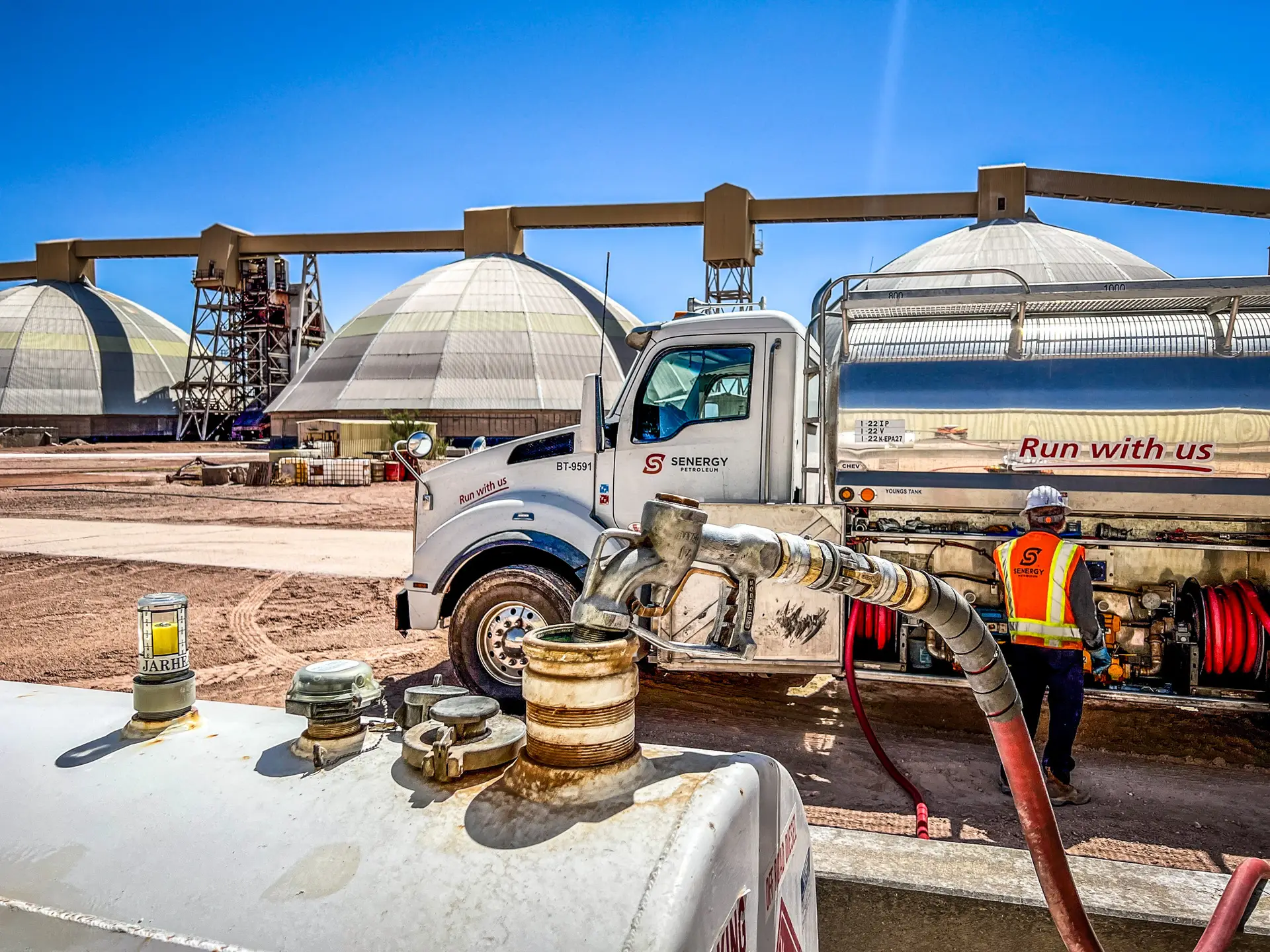
Fuel inefficiency often stems from daily operational habits rather than theft. For example, vehicles that leave the job site to refuel burn additional fuel and lose productive hours. Although a single detour may seem insignificant, over time the cumulative effect across an entire fleet leads to considerable waste and inflated operating costs that quietly diminish profitability.
To address these inefficiencies, on-site fuel storage and automated dispensing systems offer a practical solution. By allowing equipment to refuel where it operates, fleets can not only reduce unnecessary travel, idle time, and downtime but also improve overall productivity. As a result, operations run more smoothly and logistics become simpler to manage. Ultimately, these proactive practices generate measurable cost savings and provide businesses with greater control over their fuel expenses.
Eliminating Downtime with Reliable Fueling Equipment
Faulty fuel equipment is a major source of hidden business costs. Broken pumps, leaking storage tanks, or inaccurate gauges can delay refueling and disrupt daily operations. When vehicles sit idle due to fuel access issues, deliveries are postponed, projects slow down, and overall efficiency declines. In many cases, the cost of idle time exceeds the cost of the fuel itself.
Proactive equipment maintenance and dependable fueling infrastructure are essential to preventing these disruptions. Automated systems that monitor tank levels, track dispensing activity, and alert managers to potential issues help minimize downtime before it occurs. Replacing manual refueling processes with digital systems that identify drivers and vehicles reduces errors, improves reporting accuracy, and eliminates fuel waste. By maintaining reliable fueling equipment, fleets can enhance productivity and keep operations running without interruption.

Improving Cost Control with Bulk Fuel Storage
Purchasing fuel from retail stations exposes fleets to fluctuating prices, creating substantial hidden business costs. Retail fuel typically costs more than bulk options, and fleets that refuel irregularly often overspend without realizing it. For high-demand operations, these untracked expenses can add up to tens of thousands of dollars each year.
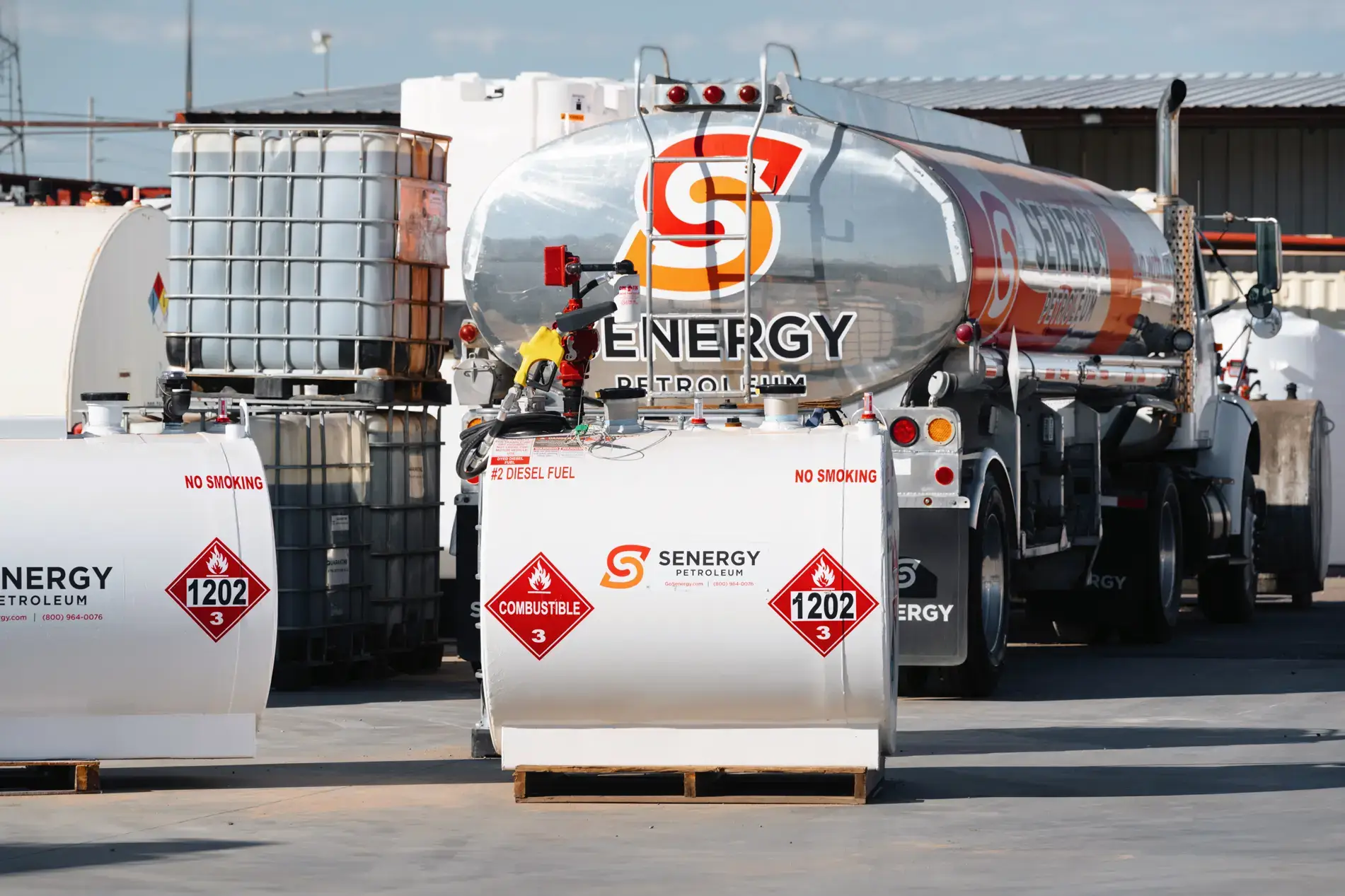
Bulk fuel storage allows fleets to purchase fuel at wholesale rates and store it safely on-site. This approach reduces exposure to price volatility and ensures fuel availability when and where it’s needed. On-site storage also helps businesses plan budgets accurately, manage supplies efficiently, and prevent waste caused by unplanned refueling. For fleets operating heavy-duty vehicles or high-volume equipment, properly managed bulk fuel programs enhance efficiency, reliability, and financial predictability.
Enhancing Fleet Insight with Advanced Fuel Monitoring Systems
Many fleets still rely on spreadsheets or manual record-keeping, which often creates gaps in tracking and understanding fuel usage. These blind spots lead to inefficiencies and increase hidden operational costs. Without accurate data, it becomes difficult to detect irregular patterns, theft, or low tank levels—issues that can quickly disrupt productivity.
Modern fuel monitoring systems eliminate these challenges by providing real-time data and secure digital records for every transaction. Managers can access detailed reports from anywhere, allowing them to identify inefficiencies, optimize resupply schedules, and maintain accurate compliance documentation. With greater transparency and actionable insights, these systems help reduce fuel waste, strengthen operational control, and support smarter, data-driven fleet management.
Improving Fleet Efficiency Through Smarter Operational Practices
Several operational habits can contribute to unnecessary fuel waste and lower fleet efficiency. Excessive idling, inconsistent refueling routines, delayed maintenance, inefficient route planning, and aggressive driving all increase fuel consumption. For instance, idling a single vehicle for just one hour can consume up to a gallon of fuel. Across an entire fleet, these small inefficiencies can add up quickly, creating substantial hidden business costs.
Fleet managers can use telematics, driver monitoring, and predictive analytics to identify and correct inefficient behaviors. By optimizing maintenance schedules, refining routes, and training drivers on fuel-efficient practices, fleets can reduce fuel waste, extend vehicle lifespan, and enhance overall performance. Every gallon saved strengthens productivity and lowers operating costs, helping businesses make the most of every mile.
Take Control of Fuel Costs
Improving fuel management is key to cutting hidden costs and reducing waste. By tracking usage, preventing theft, maintaining equipment, and optimizing refueling, fleets can boost efficiency and profitability.
Proactive systems deliver clear insights, accountability, and stronger cost control—helping businesses operate with greater reliability and confidence.
Run With Senergy to make every gallon count and keep your fleet running efficiently year-round.