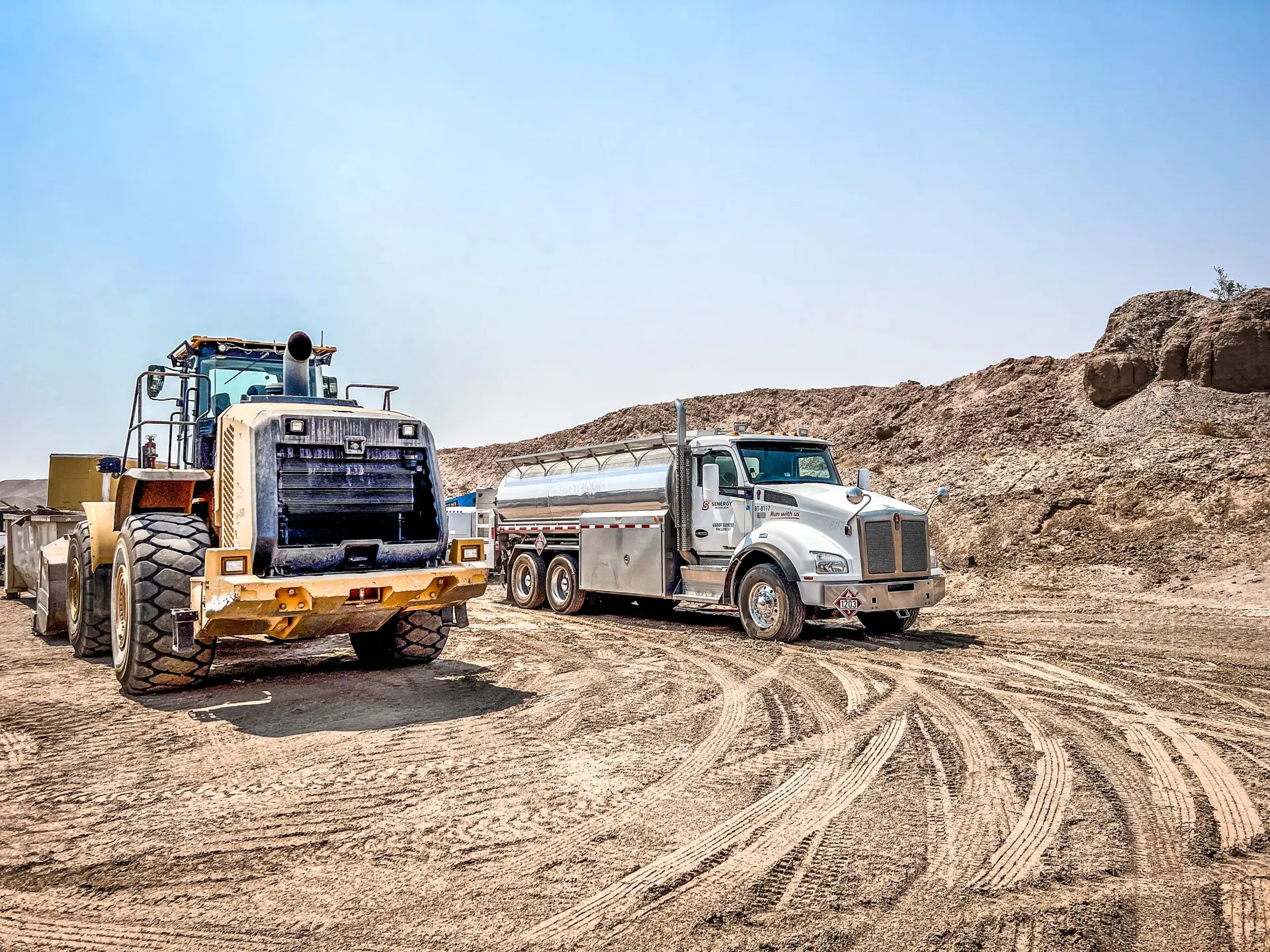
The Fuel Delivery Options Every Construction Site Should Consider
Every construction site relies on a steady supply of fuel to keep equipment running at peak performance. Heavy-duty machines such as excavators, loaders, cranes, and generators depend on diesel to stay productive. Without a reliable strategy for construction fuel delivery, operations can stall without warning. Even small disruptions in fuel access can lead to costly downtime, making a well-planned delivery program essential for keeping projects on schedule.
Dependable fueling goes beyond simply having enough diesel on site. It requires coordination with trusted suppliers, accurate forecasting of fuel needs, and delivery timelines that align with the pace of the project. Proactive management of fuel logistics supports uninterrupted workflows, minimizes delays, and helps teams meet critical deadlines. When on-site fueling is executed with precision, equipment stays productive and crews remain efficient. A well-organized fuel delivery system strengthens overall job performance and ensures projects move from start to finish with fewer interruptions.
The Advantages of On-Site Bulk Fuel Storage
On-site fuel storage remains a highly reliable solution for construction companies that consume large volumes of diesel. Many contractors choose double-walled tanks and portable fuel cubes, which securely store hundreds or thousands of gallons. This setup supports bulk delivery and ensures a consistent supply of fuel without relying on frequent smaller drop-offs. It also allows crews to refuel equipment as needed, independent of delivery timing.
Bulk storage provides several advantages for construction operations. Purchasing fuel in larger quantities often leads to cost savings, while reducing delivery frequency lowers administrative workload and invoice management. An accessible on-site supply also increases operational flexibility during demanding project phases—particularly in remote areas where delivery schedules can be unpredictable. With tanks available on the job site, refueling becomes fast and efficient, helping machinery stay productive. These quicker turnaround times allow operators to stay focused on their work, improving daily productivity and strengthening equipment performance throughout the project.
Why Mobile Fueling Keeps Construction Operations Moving
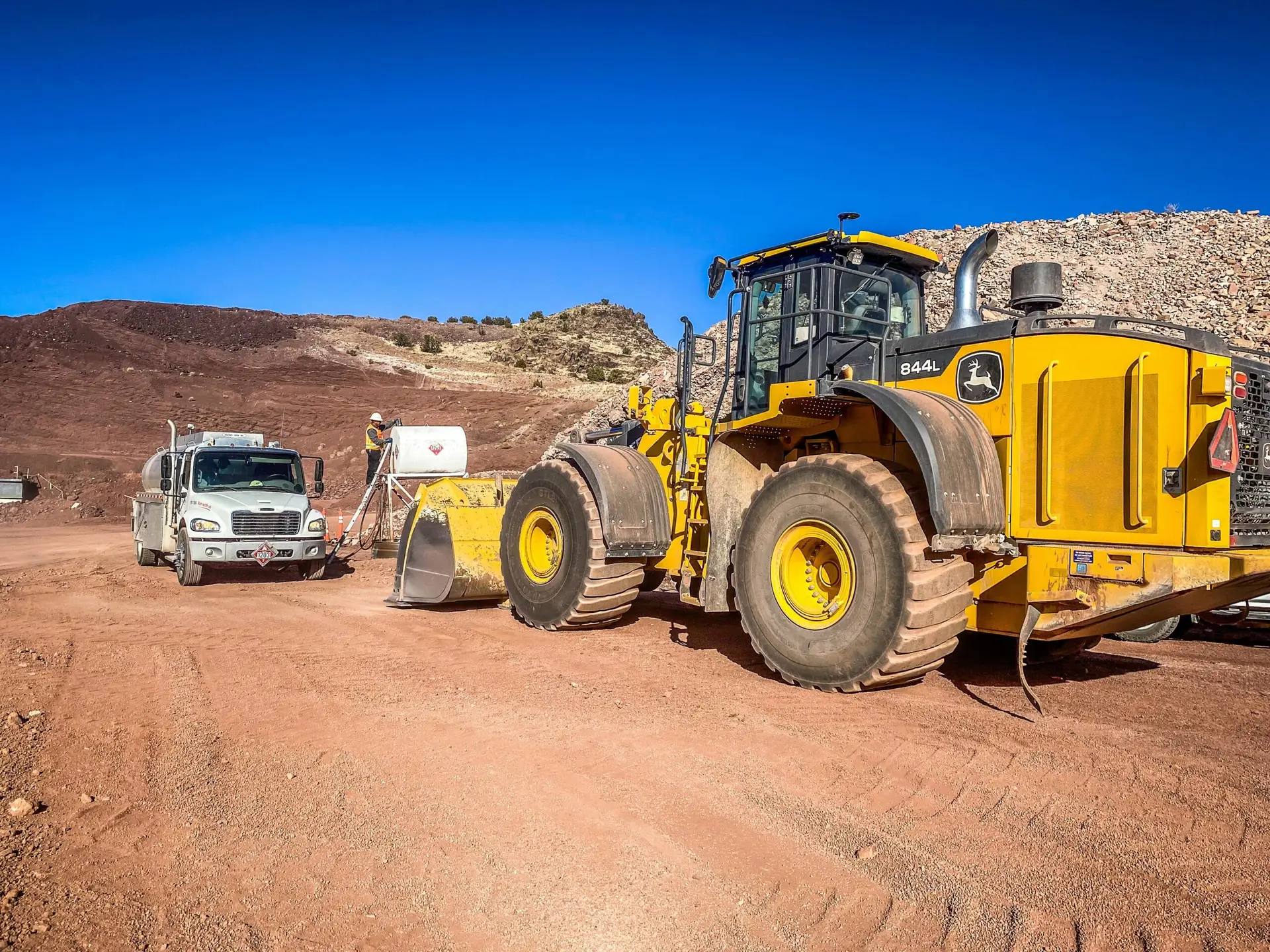
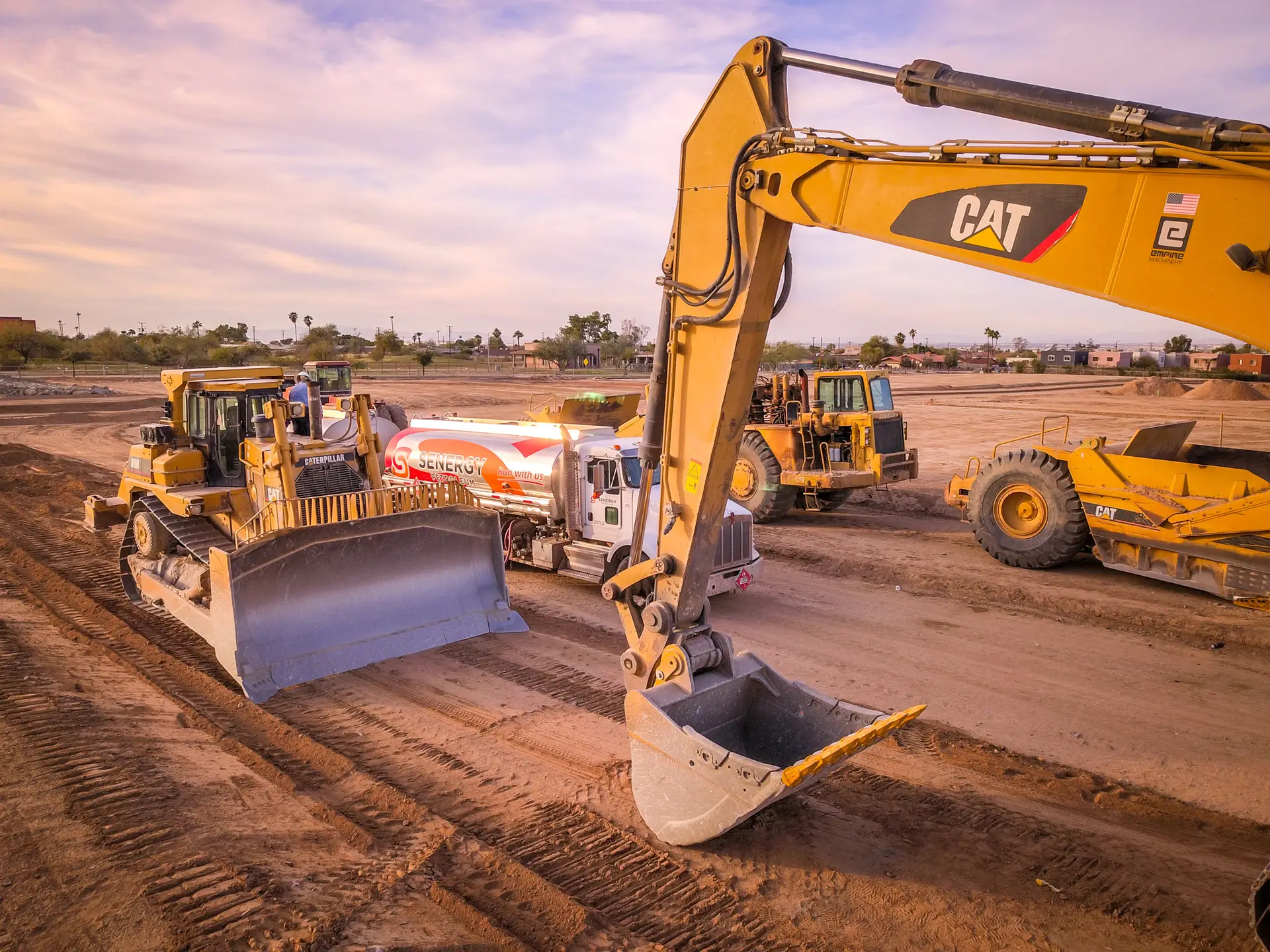
Mobile fueling, often called wet-hosing, has become a standard and highly efficient method for on-site fueling. Instead of transporting equipment to fueling stations or having crews manually refill each unit, fuel trucks arrive directly on-site and service every machine at once. This approach minimizes downtime, streamlines workflow, and supports consistent productivity—especially in large operations where equipment is spread across multiple areas.
Direct-to-equipment fueling is also ideal for work that continues outside standard operating hours. Fueling can take place early in the morning, late at night, or during shift changes so machinery is ready for immediate use. This minimizes idle time, improves fuel utilization, and enhances overall efficiency. By eliminating the logistical challenges associated with traditional fueling methods, wet-hosing helps projects stay on schedule. Ultimately, mobile fueling keeps equipment active longer and reduces interruptions caused by refueling needs.
Flexible Fueling Options That Fit Every Construction Schedule
Construction projects operate on a wide range of timelines. Some run around the clock, while others follow more flexible or shifting schedules. To support these varying demands, most fuel providers offer both scheduled and on-demand diesel services. On-demand fueling is ideal when fuel levels drop unexpectedly and immediate service is needed. These services are built to maintain consistent, dependable fueling patterns so managers can plan daily operations with confidence.
A planned fueling schedule reduces the risk of equipment running low and keeps tanks filled without interrupting workflow. Construction teams can choose morning, evening, or overnight delivery to align with their operational needs. Many suppliers also provide detailed digital reporting on fuel usage, offering real-time insights into consumption patterns, projected shortages, and cost allocation by machine or department. This data helps managers improve planning and deploy resources more effectively. A structured and comprehensive diesel service strengthens jobsite fueling, supports better financial oversight, and helps extend equipment performance over the course of a project.
How Modern Technology Transforms Fuel Management on the Jobsite
Construction operations are increasingly adopting advanced technologies that simplify and strengthen fuel management. Today’s solutions include tank monitors with GPS, wireless sensors that utilize telematics, and automated reporting systems. These tools deliver real-time visibility into fuel levels, consumption trends, delivery timing, and more. With intelligent logistics in place, teams receive immediate alerts when tanks require attention, ensuring construction fuel delivery stays predictable and uninterrupted.
Data-driven insights also help identify irregular fuel usage. For example, excessive diesel consumption may indicate a mechanical issue or a malfunctioning component. The information collected can reveal patterns of misuse, fraud, or theft, leading to stronger operational controls. With a clearer view of jobsite activity and equipment needs, managers can improve delivery timing, reduce emergency fuel calls, and anticipate requirements before disruptions occur. This creates a more efficient fueling process that minimizes operational waste, strengthens reliability, and enhances overall equipment performance.
Emergency Fueling Services That Keep Critical Operations Running
Construction projects often face unexpected challenges, including extended work hours, supply delays, or equipment failures. Emergency fueling services help reduce the impact of these disruptions. Standby fuel fleets can be deployed quickly, allowing construction supervisors to protect essential operations from costly interruptions. This support is crucial for keeping generators powered, maintaining lighting for overnight work, and supplying fuel to machines handling urgent project demands.
In remote areas or locations with limited fuel access, emergency response becomes even more important. Many providers offer rapid, time-sensitive delivery and 24/7 availability to ensure crews receive support whenever it is needed most. With reliable standby fueling solutions, construction companies can maintain continuity and stability during unplanned events. In critical moments, emergency fueling strengthens operational resilience and maximizes equipment performance.
Safety and Compliance Best Practices for Jobsite Fueling
Handling fuel requires strict oversight, and safety remains the top priority during every fueling process. Construction teams must follow established guidelines for storage and dispensing to reduce risks such as contamination, spills, or fire. This includes maintaining proper distances between fuel tanks and nearby structures, shutting down equipment during refueling, and ensuring clear communication between the fuel provider and on-site personnel.
Compliance plays an equally critical role. Using approved spill-containment tools, secondary barriers, and trained personnel supports secure handling practices and helps avoid costly incidents. Construction companies also benefit from partnering with licensed fueling providers, using delivery vehicles that follow proper fueling procedures, and adhering to regulatory requirements. When safety and compliance standards are consistently upheld, the fueling process remains secure, reliable, and efficient—supporting uninterrupted operations and dependable fuel delivery throughout the project.
Building a Reliable Fueling Strategy
The most effective fuel delivery strategy begins with understanding the project’s needs—equipment consumption, project duration, and site layout. Large, high-volume operations often benefit from on-site storage, while smaller or mobile jobs are better suited for direct-to-equipment fueling. Managers should also consider schedule flexibility, emergency support requirements, and the value of detailed fuel reporting.
Partnering with an experienced fuel supplier is equally important. A reliable provider offers clear pricing, timely delivery, accurate monitoring tools, and strong operational support. With the right strategy and the right partner, construction companies can reduce delays, improve fuel efficiency, maximize equipment uptime, and keep projects moving from start to finish.