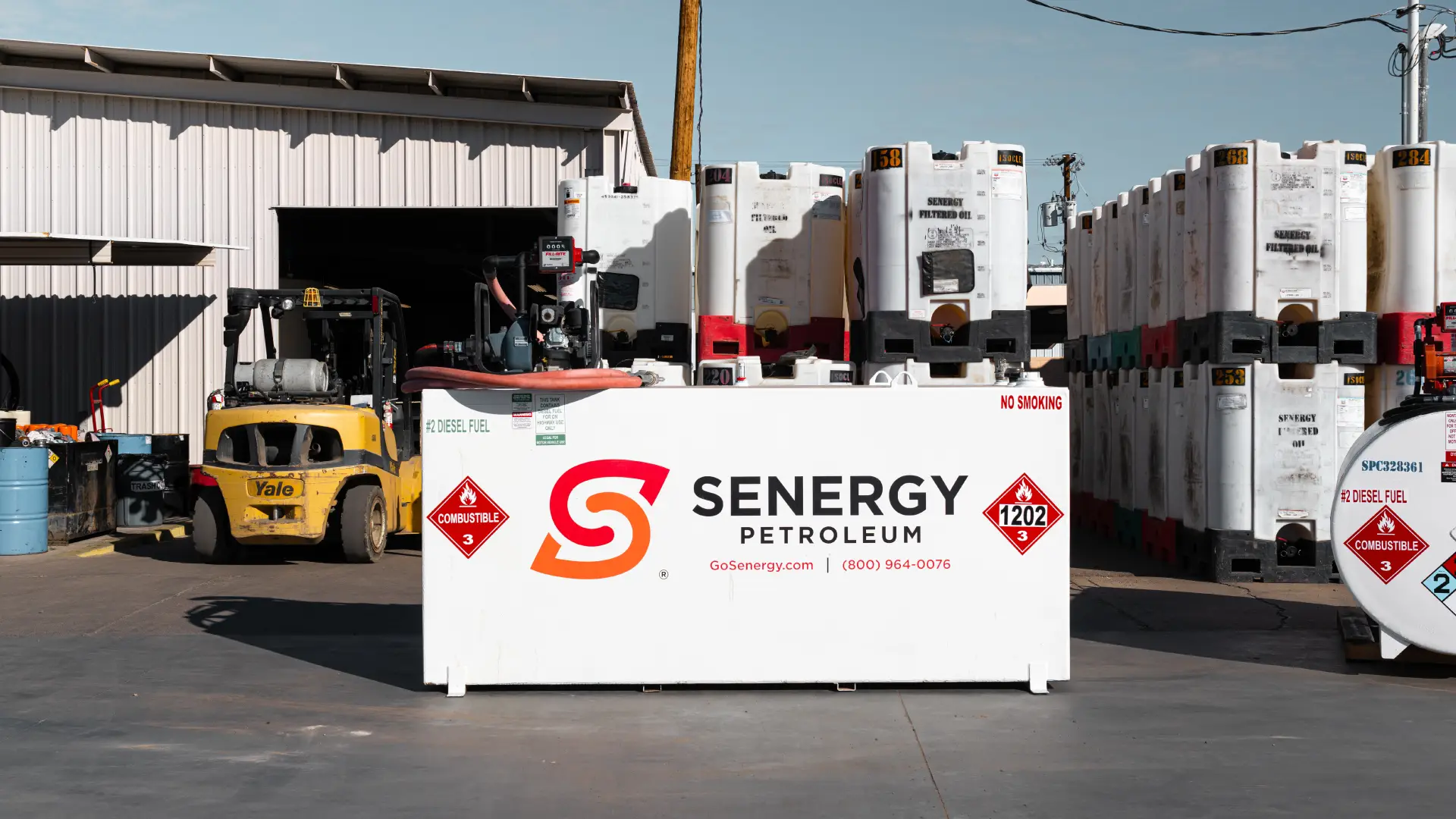
The Benefits of Consolidating Fuel and Lubricant Suppliers
Businesses that rely on fuel and lubricants rarely have time for a complicated purchasing process. Commercial fleets, construction companies, farms, manufacturing facilities, municipal operations, and other equipment-heavy businesses may need diesel fuel, gasoline, DEF, engine oil, hydraulic fluid, grease, coolants, and other products on a regular schedule. When these products come from several vendors, purchasing can become harder to manage than it needs to be.
Working with a single fuel supplier and lubricant supplier can bring those purchasing activities under one relationship. Instead of managing separate orders, delivery schedules, invoices, and account contacts, a business can coordinate more of its fuel and lubricant needs through one strategic partner. The goal is not simply to have fewer vendors. It is to make purchasing, delivery, inventory planning, and day-to-day operations easier to control.
What Does Fuel and Lubricant Supplier Consolidation Mean?
Supplier consolidation means reducing the number of vendors a business uses for closely related products and services. Rather than purchasing bulk fuel from one company, lubricants from another, and delivery or storage services from additional providers, a business can look for one partner capable of handling a broader share of its requirements. This may include diesel fuel, gasoline, off-road diesel, DEF, engine oil, hydraulic fluid, gear oil, grease, coolants, and other products.
For a commercial fleet, consolidation might mean coordinating fleet fuel, heavy-duty engine oil, transmission fluid, and delivery services through one account. A farm may combine agricultural fuel, lubricants, and scheduled deliveries. A construction operation could coordinate off-road diesel, equipment lubricants, and jobsite fueling. The right arrangement depends on product availability, location, supplier capacity, pricing, and the company’s operating needs.
The key is to evaluate the entire purchasing relationship rather than focusing only on the price per gallon. A supplier that can provide dependable delivery, suitable products, inventory support, and responsive account management may offer value that is difficult to see on an individual invoice.
Reduce Procurement Complexity With One Supplier
Managing multiple vendors creates work that can easily get overlooked. Each supplier may have its own ordering process, account contact, purchase orders, delivery windows, contracts, billing system, and payment terms. Procurement teams and accounts payable staff then spend additional time tracking who supplies what and when the next order needs to be placed.
Consolidating purchasing can reduce that administrative burden. A single account can make it easier to organize fuel procurement and lubricant purchasing, review supply agreements, coordinate purchase orders, and communicate delivery requirements. It can also give fleet managers and purchasing teams a clearer view of what the business is buying and how often.
This can be particularly useful for companies operating across several locations. A transportation company with multiple fueling sites or a construction business working across several jobsites may benefit from centralized purchasing. Instead of repeatedly coordinating with different vendors, the company can establish a consistent ordering process and a clear point of contact.


Improve Fuel and Lubricant Purchasing Efficiency
Volume can give businesses more room to negotiate, although actual savings depend on market conditions, location, contract terms, product availability, and supplier capabilities. When a company purchases several related products from one partner, its total purchasing volume may create an opportunity to discuss contract pricing, delivery arrangements, payment terms, and other commercial conditions together.
A business can also compare the full purchasing cost instead of looking at product prices in isolation. Delivery charges, transportation expenses, order processing, emergency deliveries, administrative labor, and inventory carrying costs can all affect the final cost of supplying an operation.
A strategic fuel supplier may also help a customer coordinate bulk fuel delivery with other products instead of managing separate schedules. Likewise, a lubricant supplier with a broad product range may help simplify orders for engine oil, hydraulic fluid, gear oil, grease, and specialty products.
Simplify Delivery, Inventory and Supply Chain Management
Fuel and lubricant availability directly affects businesses that depend on trucks, generators, agricultural machinery, construction equipment, and industrial systems. A missed delivery or unexpected stockout can interrupt work, delay a project, or leave equipment waiting for supplies.
Consolidation can make delivery planning easier when one supplier coordinates multiple products. Fuel delivery, lubricant delivery, inventory replenishment, and delivery windows can be planned around actual consumption. Businesses can establish reorder points and safety stock levels based on their normal demand instead of reacting whenever a tank or storage area becomes low.
Tank monitoring, inventory tracking, delivery tracking, and usage reporting can further improve visibility. For example, a fleet manager can compare fuel consumption against expected use, while an agricultural business can prepare for seasonal demand. Construction companies may also coordinate jobsite fueling with equipment requirements.
This approach supports operational efficiency because employees spend less time chasing separate deliveries and more time managing the work itself. Better planning can also reduce the risk of both stockouts and unnecessary overstocking.
Reduce Administrative Work With Consolidated Billing
Purchasing is only one part of supplier management. Every vendor creates paperwork, invoices, payment records, account questions, and reconciliation tasks. When fuel and lubricants come from several companies, accounting teams may need to review multiple invoices for products used by the same fleet, facility, or jobsite.
A consolidated relationship can simplify billing and reporting. Depending on the supplier arrangement, businesses may be able to review fuel and lubricant purchases through fewer invoices and a more consistent reporting process. That can make expense tracking easier and give managers a clearer picture of purchasing activity.
Consolidated reporting can also support budgeting and planning. Businesses can review fuel consumption, lubricant consumption, delivery frequency, and purchasing trends without gathering information from several unrelated accounts.
For larger operations, this visibility can help procurement teams identify unusual changes in demand, review supplier performance, and plan future purchases. Digital invoices, automated reporting, fuel cards, tank monitoring, and other technology can add another layer of convenience.
The benefit is not merely less paperwork. Better information can help management make more informed purchasing and inventory decisions.
Support Fleet and Equipment Reliability
Fuel and lubricants play different roles, but both are essential to equipment performance. Diesel fuel powers trucks and heavy equipment, while engine oil, hydraulic fluid, gear oil, grease, and other products protect components and support proper operation.
A consolidated supplier relationship can make it easier to establish consistent product standards and maintenance practices. Businesses can discuss lubricant selection, storage, delivery requirements, and usage with a knowledgeable account representative rather than coordinating separate conversations with multiple vendors.
This can support maintenance programs for heavy-duty trucks, excavators, loaders, tractors, generators, compressors, and industrial machinery. Proper lubrication, suitable product selection, oil analysis where appropriate, and adherence to maintenance intervals can help limit unnecessary wear and unplanned repairs.
Reliable supply also matters. A dependable fuel supplier can help businesses plan fuel availability, while a capable lubricant supplier can help keep essential maintenance products on hand. When supply planning works alongside preventive maintenance, companies can reduce avoidable interruptions and protect equipment uptime.
How to Choose the Right Fuel and Lubricant Supplier
Consolidation works best when the selected supplier can genuinely support the business. Companies should look beyond a promise of convenience and assess delivery reliability, product range, geographic coverage, storage capabilities, technical knowledge, emergency response, pricing, contract flexibility, and overall service capacity.
Businesses should also examine whether the supplier can meet their specific needs. A trucking fleet may require dependable diesel and heavy-duty lubricants, while an agricultural operation may need seasonal fuel deliveries and agricultural lubricants. Construction companies may need off-road diesel and jobsite delivery, while manufacturing facilities may depend on hydraulic fluids, compressor oil, grease, and other industrial products.
Risk should remain part of the decision. A single primary supplier can simplify purchasing, but companies should consider geographic limitations, supply disruption, disaster preparedness, and emergency fuel requirements. Maintaining a contingency plan or backup supplier may be sensible for operations where a supply interruption would create significant losses.
The right arrangement should ultimately improve operational efficiency without creating unnecessary supply risk. For businesses that can find a capable partner with the right products, delivery network, technical support, and service model, consolidating fuel and lubricant purchasing can turn a fragmented procurement process into a more manageable and predictable part of the operation.