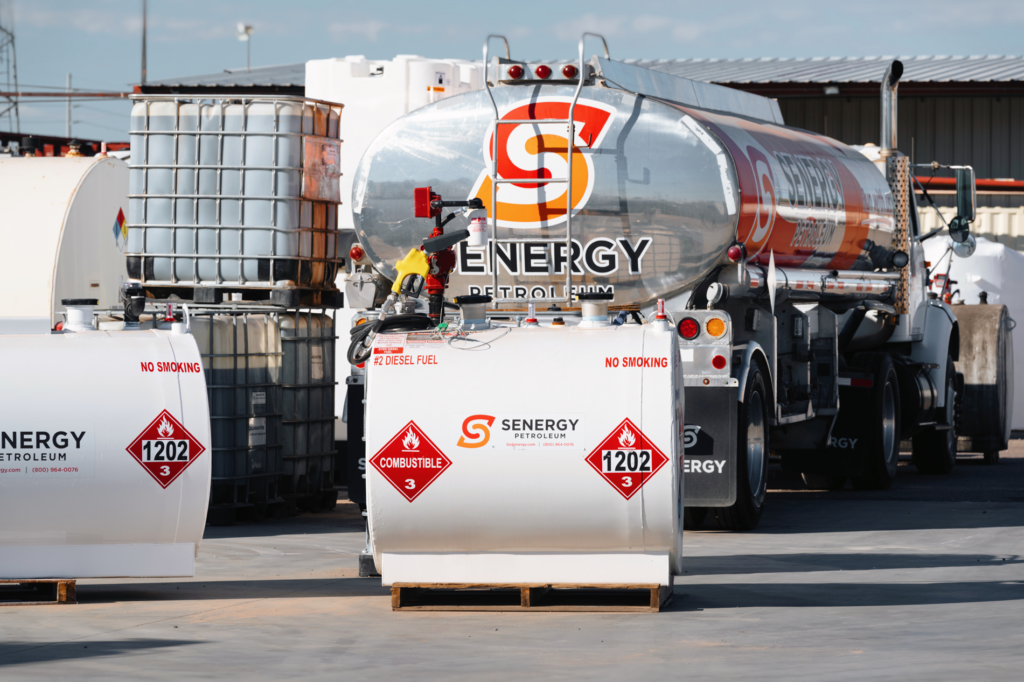
Tank Monitoring Tech That Prevents Downtime
Unplanned tank shutdowns, fuel shortages, inaccurate readings, and tank failures are costly disruptions across modern industries. From construction and transportation to agriculture, mining, manufacturing, and emergency backup systems, downtime directly impacts productivity and operational cost. As a result, many organizations are rapidly adopting advanced fuel tank monitoring solutions to improve real-time visibility and strengthen control over fuel and fluid assets.
Modern monitoring platforms combine IoT sensors, cloud-based dashboards, telemetry systems, predictive analytics, and automated alerts to deliver precise inventory management. These technologies reduce reliance on estimates and support more informed decision-making by providing real-time insights into fuel levels, consumption trends, delivery scheduling, and equipment performance. As automation continues to expand across industrial operations, fuel tank monitoring has become a core component of operational continuity and efficiency, with strong global growth driven by demand for improved visibility and system reliability.
Preventing Downtime with Real-Time Fuel Inventory Monitoring
One of the earliest indicators of potential downtime is limited visibility into fuel inventory. Many businesses still rely on manual tank inspections or outdated gauge systems that do not provide accurate readings. This can lead to delays in refueling and the risk of depleted tanks during critical operations. Even short periods of equipment downtime can result in lost production, missed deadlines, and increased labor costs, particularly in industries that operate continuously.
Modern fuel tank monitoring systems address these challenges by providing real-time data on fuel levels, pressure, temperature, and consumption trends. Operators can identify potential shortages before they impact operations, while automated alerts notify managers when inventory reaches critical thresholds, helping to reduce the risk of unplanned shutdowns.
Advanced telemetry solutions also integrate with bulk fuel delivery operations. Suppliers are able to remotely monitor customer tank levels and schedule deliveries proactively to prevent shortages. This improves supply chain coordination and helps maintain continuous operations with fewer disruptions. Industry adoption continues to grow as cloud-based monitoring, IoT sensor technology, and predictive maintenance capabilities become more widely implemented.
Improving Operational Accuracy Through Smart Fuel Inventory Management
Effective inventory management is essential to maintaining continuous operations. Without accurate tracking systems, businesses risk overstocking, understocking, and inventory discrepancies that can negatively impact operational efficiency and profitability. Fuel management platforms equipped with smart sensors provide real-time monitoring and inventory tracking, improving accuracy and control.
Automated inventory control systems eliminate the need for manual calculations and handwritten records. Fuel transactions are digitally captured, reducing human error and improving the reliability of reporting. This gives managers greater visibility into daily usage, refueling activity, and storage efficiency.
Inventory control systems also support compliance requirements and help maintain operational safety standards. Spills, leaks, and overfills can lead to significant operational and regulatory challenges. Smart monitoring solutions detect abnormal activity and provide alerts, enabling corrective action before issues escalate.
A key advantage of these systems is improved demand forecasting. By analyzing consumption patterns and seasonal trends, organizations can better plan fuel purchasing and optimize supply levels. This helps reduce waste while ensuring adequate fuel availability during peak operational periods.
Smart Sensors and IoT Technology in Tank Monitoring
IoT-enabled sensors can track fuel level, pressure, temperature, and flow rates in real time. This data is transmitted instantly to cloud-based platforms, allowing businesses to access operational insights from any location. As a result, manual reporting and routine physical inspections are significantly reduced.
A key advantage of IoT monitoring is predictive maintenance capability. Smart sensors detect irregular patterns such as rapid fuel loss, pressure fluctuations, or unexpected consumption spikes. These alerts help identify potential equipment issues early, reducing the risk of unplanned downtime.
IoT systems also improve delivery efficiency. Fuel suppliers can remotely monitor customer tank levels and schedule deliveries proactively, supporting more efficient bulk fuel delivery coordination and reducing emergency refill situations.
Sensor integration also supports Senergy’s Clean Fluid Solutions approach in industrial applications by helping maintain fluid integrity and system reliability. Continuous monitoring of fluid condition allows operators to identify performance issues early and respond before they impact equipment operation.
Reducing Downtime with Automated Alerts and Predictive Maintenance
One of the most valuable features of modern fuel tank monitoring systems is automated alert functionality. Instead of relying on manual tank inspections, operators receive instant notifications when fuel levels approach critical thresholds or when unusual activity is detected.
These alerts can identify fuel shortages, leaks, overfills, or system failures before they create larger operational issues. Real-time visibility helps reduce the risk of downtime and costly interruptions. Notifications can be delivered through email, SMS, or mobile applications, improving communication speed and operational response times.
Another major advantage is predictive maintenance capability. Monitoring systems analyze fuel consumption trends, equipment operating patterns, and sensor data to identify irregular activity before equipment failure occurs. This allows maintenance teams to address potential problems proactively instead of responding after a breakdown has already impacted operations.
This predictive approach helps reduce maintenance costs, extend equipment service life, and minimize operational downtime. For industries that rely heavily on equipment performance, predictive maintenance supports more consistent productivity and improved operational reliability.
Improving Bulk Fuel Delivery Efficiency with Smart Tank Monitoring
Bulk fuel delivery operations rely heavily on accurate tank data and dependable scheduling. Without real-time monitoring, suppliers often depend on estimates, which can lead to inefficient routing, delayed deliveries, or emergency dispatch situations.
Smart fuel tank monitoring systems solve these challenges by providing real-time fuel level updates directly to fuel providers. Suppliers can remotely monitor customer tanks and schedule deliveries based on actual inventory data rather than assumptions.
This significantly improves delivery efficiency. Optimized routing allows drivers to operate more efficiently while reducing unnecessary transportation costs. Customers benefit from fewer out-of-stock situations and more consistent refill scheduling, particularly in remote or high-demand operating environments.
Telemetry fuel systems also support long-term demand forecasting by analyzing consumption trends over time. Suppliers can better anticipate seasonal demand fluctuations and maintain more consistent inventory planning, improving operational reliability and customer service consistency.
In addition, bulk fuel delivery services integrated with automated monitoring platforms can reduce administrative workload. Automated invoice generation, delivery confirmations, and inventory reporting help save time while improving reporting accuracy and operational visibility.
Advanced Fluid Monitoring
Preventing contamination helps extend equipment life, reduce repairs, and improve reliability for generators, heavy machinery, transportation fleets, and hydraulic systems. Combined with telemetry fuel systems, advanced monitoring solutions provide greater visibility and stronger operational protection.