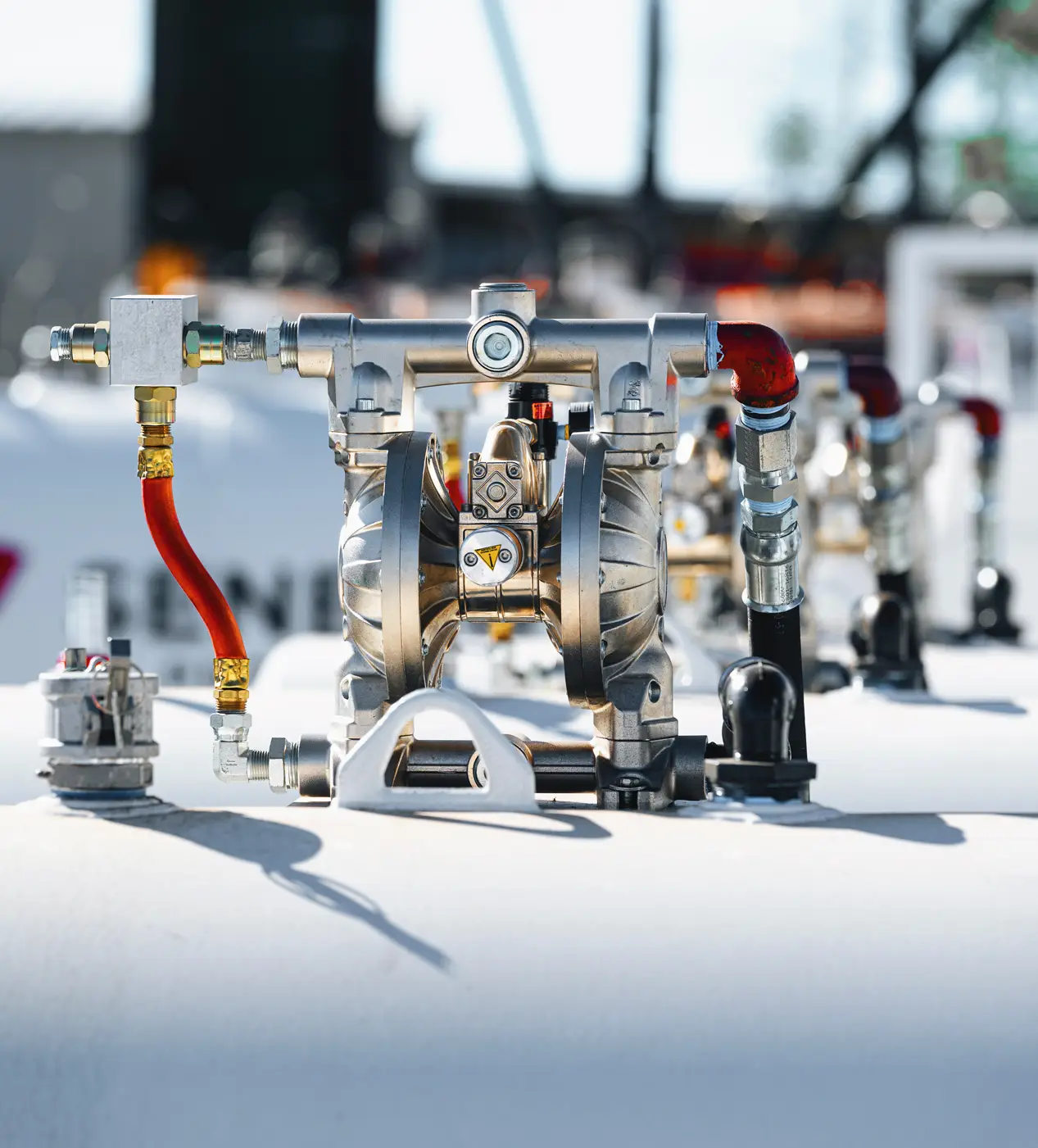
Tank Monitoring for Seasonal Operations
Seasonal businesses face a unique operational challenge: fuel demand fluctuates significantly. Agriculture, construction, landscaping, municipal services, snow removal, marine operations, and tourism-based fleets experience dramatic changes in fuel consumption depending on weather conditions, production cycles, and customer activity. Without accurate visibility of on-site fuel levels, businesses risk running out of fuel during peak periods or holding excess inventory during slower seasons. Modern tank monitoring systems provide seasonal operators with real-time data to anticipate demand, schedule deliveries, and maintain consistent operations. By combining current fuel visibility with historical usage trends, businesses can stay ahead of seasonal fluctuations and make informed decisions for fuel planning.
Maximizing Efficiency with Real-Time Tank Monitoring
One of the most valuable benefits of tank monitoring is real-time visibility during peak operating hours. During periods of high demand, businesses require accurate, up-to-date tank level information to maintain smooth operations. Continuous tank monitoring eliminates guesswork and reduces the need for manual checks. During busy seasons, crews and managers focus on production and service delivery, and manual measurements can be slow or overlooked, leading to unexpected shortages. Automated monitoring tracks tank levels 24/7, even when teams are stretched thin. Another key advantage is proactive delivery. With real-time data, businesses can schedule fuel deliveries before tanks reach critical levels, minimizing emergency orders that often carry higher costs and logistical challenges. Improved visibility also enhances communication with fuel suppliers, ensuring better coordination during periods of high demand.
Fuel Planning with Historical and Real-Time Data
Effective fuel planning relies on understanding both past trends and current consumption. Tank monitoring systems store historical usage data, allowing businesses to analyze the relationship between seasonal cycles, workload fluctuations, and fuel demand.
Historical records help identify predictable patterns, such as increased fuel use during harvest, winter storms, or peak tourism seasons. These insights enable managers to create accurate seasonal projections and schedule deliveries in advance. When combined with real-time data, forecasts can be continuously refined to reflect evolving conditions. For example, fuel planning strategies can be adjusted immediately if actual usage exceeds projections due to extended operating hours or unexpected demand. This adaptability is especially valuable for seasonal operations, where minor shifts in activity or schedules can significantly impact fuel consumption. By integrating historical analysis with live tank data, seasonal businesses can transition from reactive to proactive fuel planning.
Maintaining Seamless Fuel Flow Through Seasonal Fluctuations
Seasonal fluctuations present some of the greatest challenges in fuel management. Rapid changes in operations can cause fuel consumption to vary significantly in a short period. Without proper monitoring, businesses risk running out of fuel during sudden spikes in demand or overfilling tanks when demand drops. Tank monitoring systems help prevent these issues by providing alerts when fuel reaches critical levels, allowing deliveries to be scheduled before tanks run low. This proactive approach ensures that rising consumption during peak periods does not catch teams off guard. At the same time, monitoring prevents overfills and excess inventory during slower seasons. By adjusting delivery levels and timing to match reduced usage, businesses can optimize storage, improve cash flow, and minimize fuel degradation. By managing both high and low demand periods, tank monitoring enables seasonal operations to maintain a smooth, efficient fuel flow year-round.
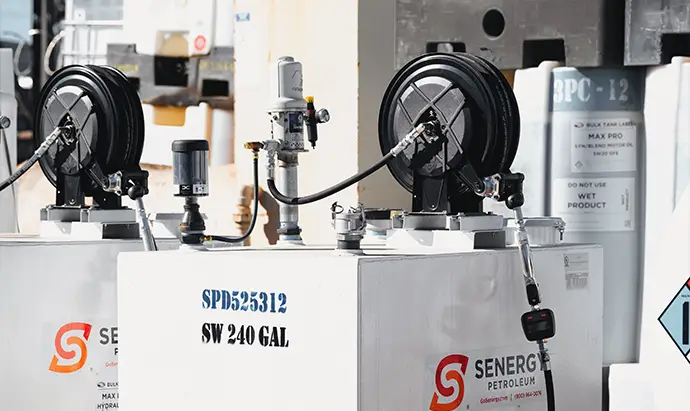
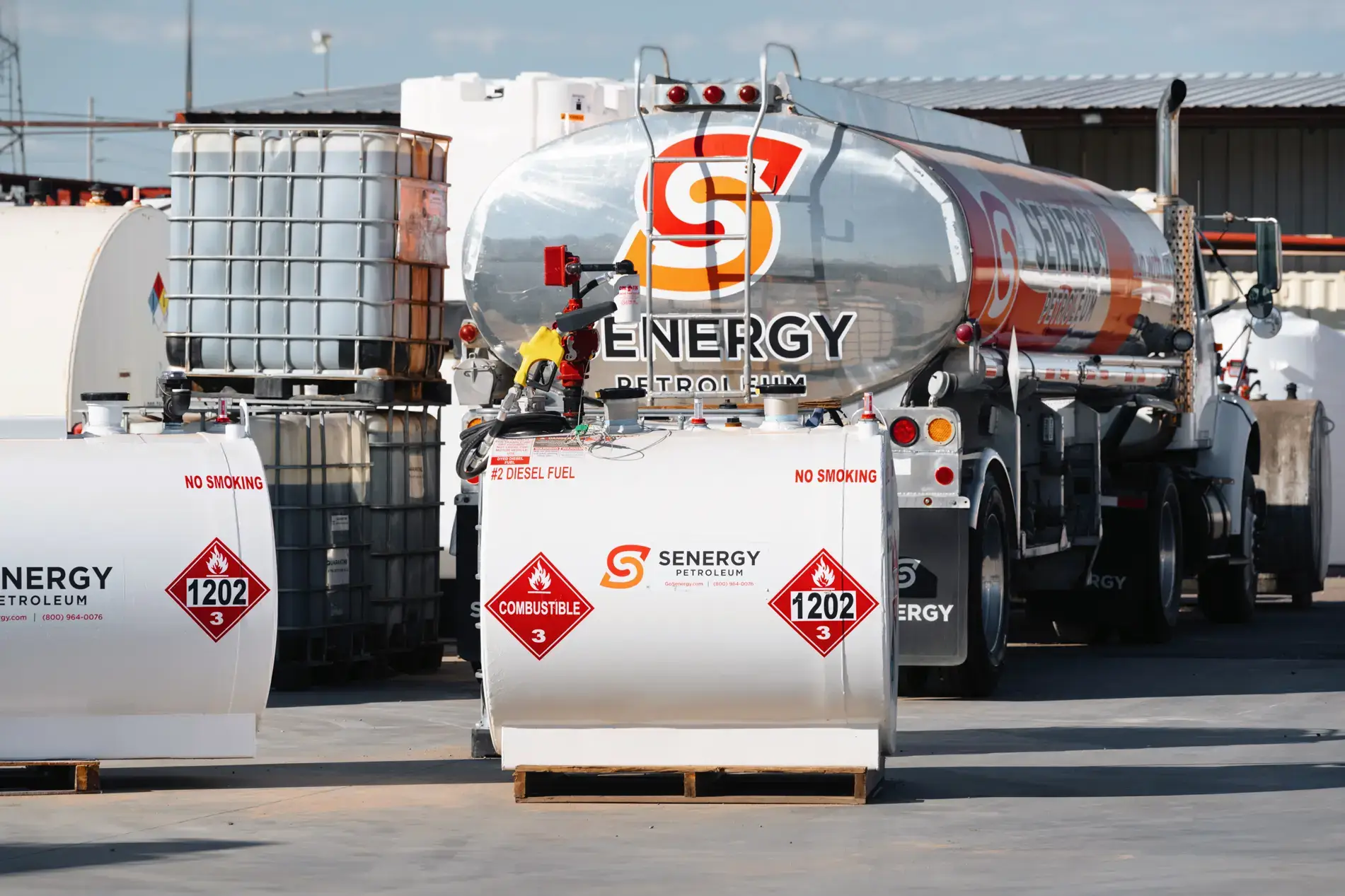
Enhancing Supplier Programming by Visible Tanks
Effective coordination with fuel suppliers is critical for seasonal operations. During peak periods, delivery schedules can be constrained, and suppliers often face higher demand from multiple customers. Accurate tank visibility strengthens communication and fosters better relationships with suppliers. With real-time tank data, businesses can provide reliable forecasts and current fuel levels, enabling suppliers to plan routes efficiently, allocate resources, and prioritize deliveries. In turn, businesses benefit from more dependable service and fewer last-minute emergencies. Accurate visibility also supports precise delivery scheduling, allowing orders to reflect actual consumption rather than estimates. This reduces unnecessary trips, improves delivery efficiency, and optimizes overall fuel planning. For seasonal operations in remote or weather-sensitive locations, strong coordination with suppliers becomes even more essential.
Automated Tank monitoring leads to gains in operational efficiency
Automated tank monitoring enhances overall operational efficiency in addition to managing fuel supply. Manual tank checks require staff time, travel between sites, and inspections, which can be inconsistent during peak seasons. Automation eliminates these processes, allowing teams to focus on core operations. Multi-site businesses also benefit from remote monitoring, with farms, job sites, marinas, or service locations able to view all tank levels from a centralized dashboard. This streamlines monitoring and reduces the need for manual reporting at each location. Operational efficiency is further improved through better decision-making. Managers can quickly identify unusual consumption patterns, potential leaks, or unexpected spikes in usage, enabling prompt corrective action to protect fuel assets. These efficiencies translate into time savings, reduced labor costs, and enhanced accountability.
Budget Stability and Control of Finances During Seasonal Operations
Fuel represents a significant variable cost for seasonal businesses, and budgeting can be challenging due to dramatic fluctuations in demand, creating financial risk. Tank monitoring systems provide the data necessary to manage fuel costs and improve financial planning. Accurate tracking of usage allows businesses to develop realistic fuel budgets based on seasonal patterns, reducing surprises and supporting better cash flow management. Real-time information also helps avoid emergency deliveries and the higher costs associated with last-minute orders. Improved fuel planning enables inventory optimization by aligning purchases with actual consumption, lowering stock levels, and reducing capital tied up in fuel storage. This enhances working capital, minimizes storage risks, and provides predictable operating costs over time.
Building Resilience with Fuel Monitoring
Seasonal demand swings are inevitable, but their impact can be managed. Tank monitoring systems transform unpredictable fuel use into measurable data, allowing businesses to track trends, adapt to changing conditions, and adjust fuel planning accordingly. Real-time visibility enables prompt responses to sudden demand spikes and efficient adjustments during slower periods, optimizing cash flow and storage. This creates a strategic advantage by building resilience in competitive seasonal industries.