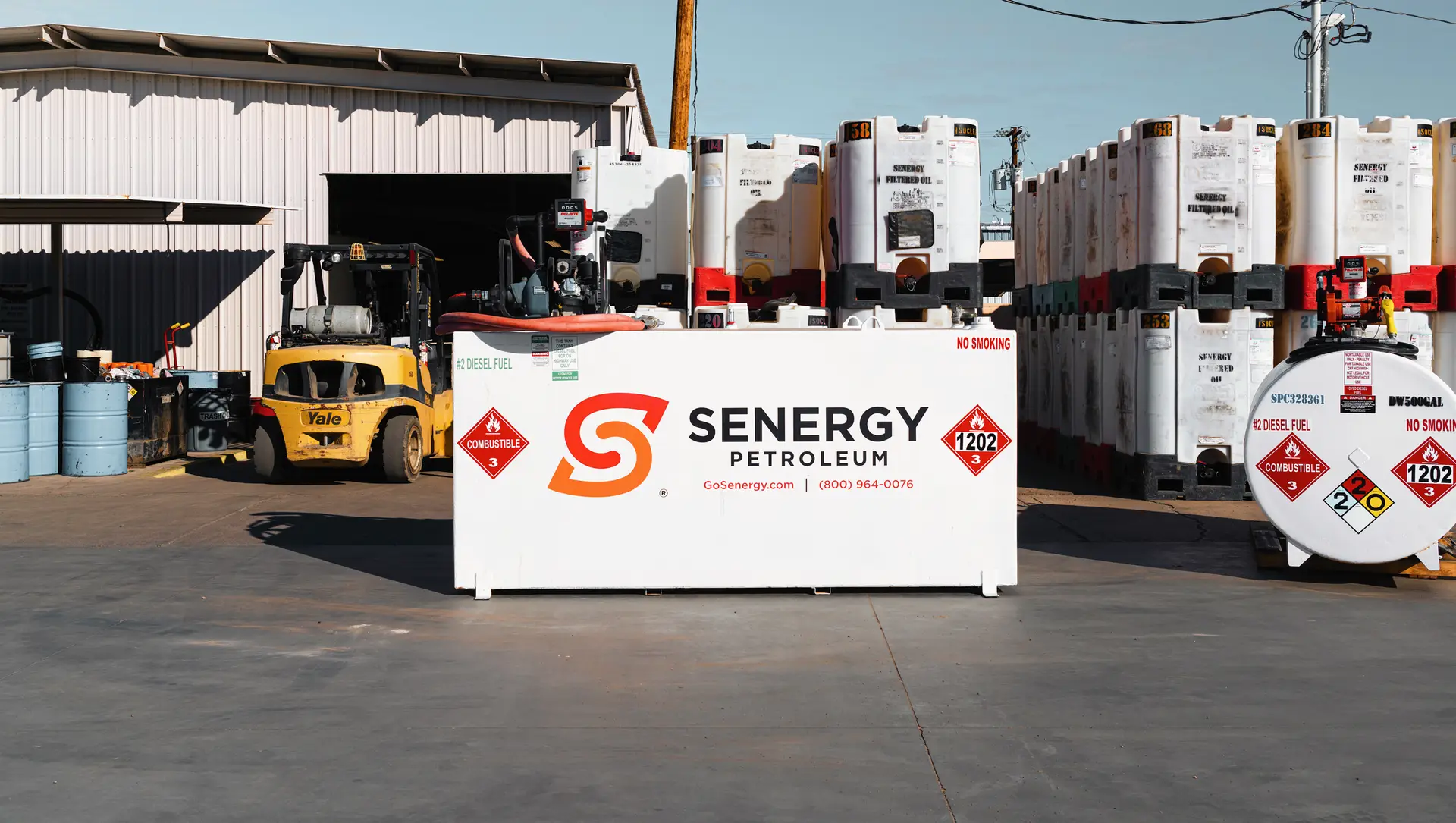
Tank Monitoring Data: Turning Fuel Insights Into Smarter Decisions
Tank monitoring data refers to real-time and historical information collected from fuel storage systems, including liquid levels, temperatures, usage patterns, and inventory changes. Fuel represents a major operating expense across industries such as transportation, manufacturing, energy, aviation, and mining. Without accurate tank data, organizations struggle to forecast consumption, prevent outages, and optimize refueling schedules.
Modern tank monitoring systems collect real-time sensor data that integrates with advanced fuel analytics tools to generate actionable insights. These systems help identify leaks, unexpected inventory drops, and threshold breaches, enabling teams to respond quickly and maintain operational continuity.
Tank data plays a critical role in improving safety, strengthening operational oversight, and controlling fuel-related costs. Manual tank checks were historically time-consuming, inconsistent, and prone to human error. Automated systems now provide high-resolution visibility, giving decision-makers reliable data to support confident planning and execution. This visibility also supports compliance requirements and helps prevent costly penalties associated with fuel mismanagement.
By tracking accurate fuel consumption trends, organizations can improve procurement planning, reduce waste, and enhance overall performance. Tank monitoring data transforms raw fuel metrics into strategic intelligence that drives measurable business outcomes.
Transforming Tank Data into Actionable Operational Intelligence
Fuel analytics refers to software platforms that interpret tank data to identify patterns, anomalies, and forecasts. Raw sensor data alone cannot support strategic decision-making without proper context and analysis. Fuel analytics platforms consolidate multiple data streams, normalize inputs, and apply algorithms to uncover trends that may otherwise go unnoticed. These insights help identify abnormal consumption patterns, such as gradual losses over time, and support stronger cost control strategies. Aggregating data by day, week, or month also enables operations teams to benchmark performance against internal targets or industry standards.
Advanced fuel analytics platforms also use predictive modeling to forecast future consumption based on historical usage patterns and external operational variables, such as workload or delivery schedules. This predictive capability helps teams reduce stockouts, avoid emergency refueling, and maintain more efficient fuel procurement strategies.
Improving Operational Efficiency with Real-Time Tank Monitoring
Operational efficiency is a top priority for businesses that rely on fuel-powered equipment and vehicles. Continuous tank monitoring supports more efficient operations by removing uncertainty around fuel levels and consumption rates. With real-time tank data, organizations can optimize scheduling, align refills with actual demand, and eliminate unnecessary inventory buildup.
Automated alerts can trigger when preset thresholds are reached, ensuring tanks are refilled accurately without overfilling or disruption. Continuous monitoring also reduces manual labor requirements, eliminating the need for technicians to climb tanks or rely on visual gauges that provide only temporary, limited readings.
Integrating Tank Monitoring with Enterprise Systems
Integrating tank monitoring with enterprise systems such as ERP, maintenance management platforms, and procurement systems has become a strategic advancement for fuel-dependent organizations. Aggregating tank data with broader business systems eliminates data silos and creates a unified view of operational performance.
When tank monitoring connects directly to an ERP system, procurement teams can automate purchase orders based on inventory forecasts instead of relying on manual ordering processes. This automation reduces lead times and strengthens supplier relationships through consistent and predictable ordering patterns.
System integration also enhances cross-department collaboration. Maintenance teams can align fuel consumption data with equipment performance metrics in computerized maintenance management systems (CMMS) to identify underperforming or inefficient assets. Finance teams gain real-time visibility into fuel expenses, enabling more accurate budgeting, forecasting, and financial reporting.
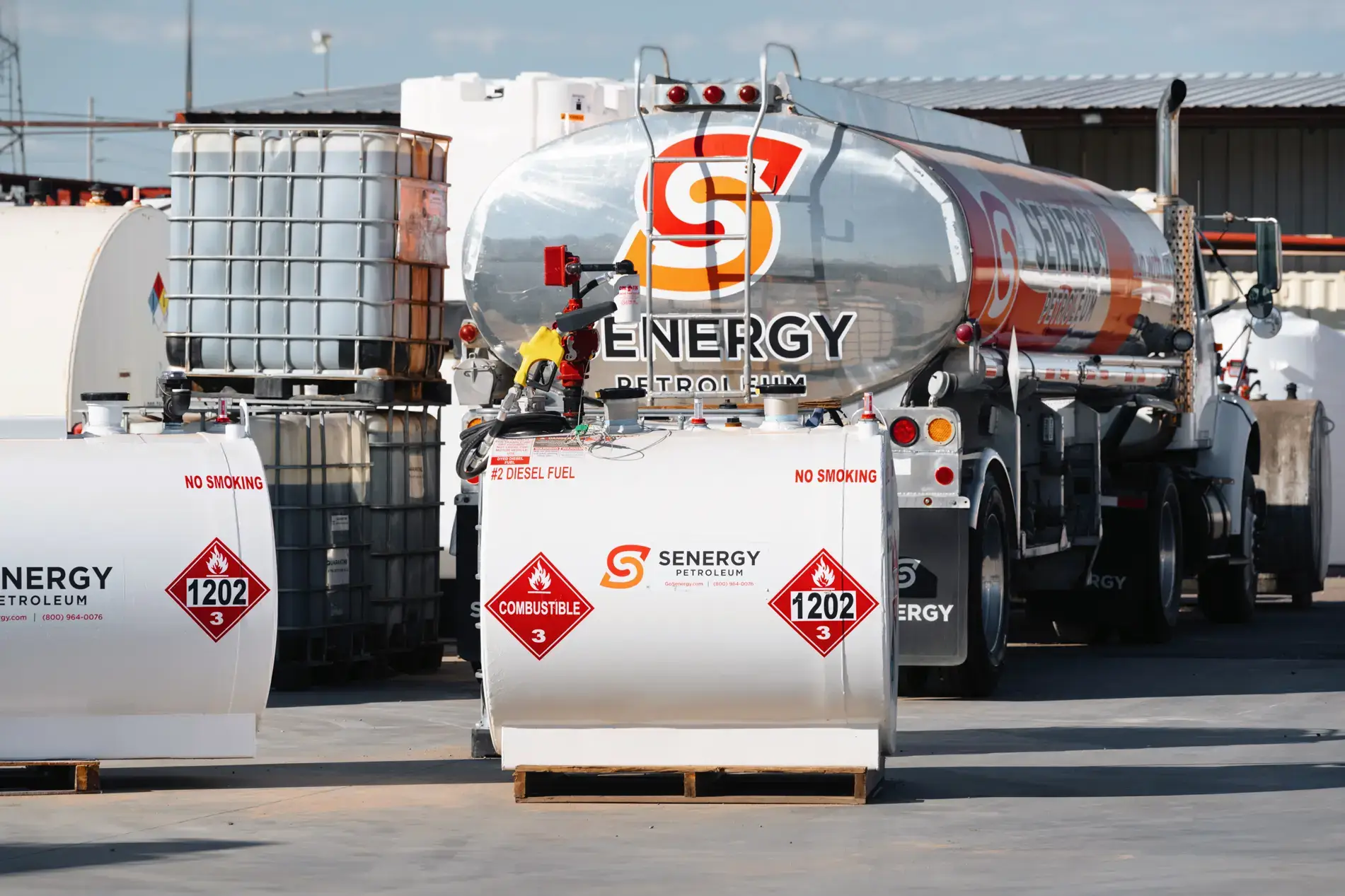
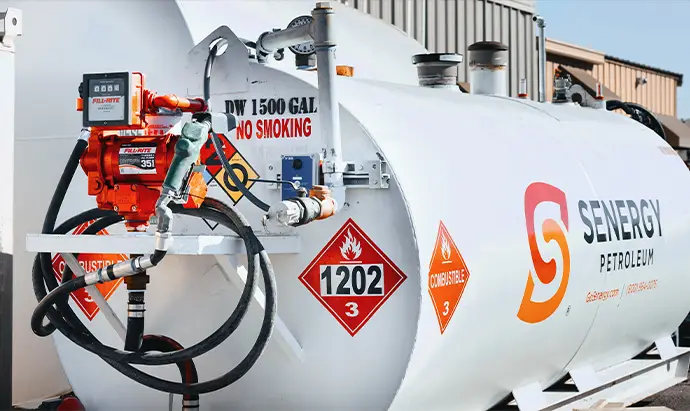
Enhancing Operational Safety with Real-Time Tank Monitoring Data
Tank monitoring data plays a critical role in operational safety and risk management. Fuel spills and leaks can create significant operational and financial challenges if they go undetected. Automated tank monitoring systems help identify abnormal usage patterns and sudden inventory losses that may indicate a leak, allowing teams to respond quickly before minor issues escalate.
Alerts can be configured for deviations in fuel levels or temperature, triggering immediate investigation and corrective action. Real-time monitoring also enhances workplace safety by providing continuous visibility into fuel storage conditions. Overfills, pressure fluctuations, and sensor failures can create unsafe operating conditions if not addressed promptly.
By continuously capturing and analyzing tank data against internal standards and industry benchmarks, safety teams can implement proactive controls and improve compliance practices. Continuous monitoring reduces reliance on periodic manual inspections, which can miss critical deviations between scheduled checks.
Challenges and Best Practices for Implementing Tank Monitoring Systems
Implementing a tank monitoring system can present several challenges, including legacy infrastructure limitations, remote site connectivity, and data integration complexity. Tanks located in remote or mobile environments may lack reliable network connectivity, making real-time data transmission difficult. Modern solutions address this challenge through cellular, satellite, and low-power wide-area network (LPWAN) technologies to maintain consistent communication. Strategic connectivity planning during deployment helps prevent outages and eliminates data blind spots.
Another key challenge is integrating new sensor systems into existing operational workflows. Change management is essential to ensure teams understand how to interpret tank dashboards and respond to alerts effectively. Even the most advanced monitoring system delivers limited value without departmental adoption and proper training.
The Future of Tank Monitoring
The future of tank monitoring is increasingly driven by AI-powered predictive fuel management. As sensor networks expand and data volumes grow, artificial intelligence and machine learning models will play a larger role in extracting actionable insights from tank data. Predictive models analyze historical fuel consumption, operational conditions, and external variables such as workload and delivery schedules to forecast future demand. These forecasts enable highly optimized refill schedules that reduce costs and operational risk.
AI systems can also detect subtle consumption trends that may be missed through manual analysis, providing early alerts for inefficiencies or potential equipment issues. Digital twin technology—virtual representations of physical tanks and fuel systems powered by real-time data—will allow operators to simulate scenarios and test responses without disrupting live operations. These simulations support what-if planning for events such as supply chain disruptions or operational fluctuations.
As enterprise system integrations continue to evolve, recommendations for routing, maintenance, and procurement will become increasingly automated. These advancements are shifting fuel management from reactive monitoring to proactive, data-driven decision-making. Organizations that adopt these technologies are positioned to improve operational efficiency, control fuel-related costs, and strengthen overall performance.
Maximizing the Value of Tank Monitoring
To maximize the value of tank monitoring, organizations should begin with a clear strategy aligned with business objectives. Define key performance indicators such as fuel cost per unit, leakage rates, and emergency refill frequency. Select monitoring technologies that deliver high-resolution data and integrate with existing enterprise systems.
Engage stakeholders early to ensure data-driven insights are adopted across teams, and provide training so users can interpret dashboards and respond to alerts effectively. Ongoing performance reviews, model refinement, and threshold adjustments help ensure tank monitoring continues to support evolving operational needs.