
Supporting Jobsite Productivity with Reliable Fuel Supply
Fuel is a critical component of any construction project, powering heavy machinery, generators, transport vehicles, and site operations. Even the most carefully planned projects can experience delays without a consistent fuel supply. In today’s fast-paced construction industry, fuel shortages are not only disruptive but also costly.
Reliable construction fuel delivery ensures that equipment continues operating without interruption. Contractors can maintain steady workflows rather than making time-consuming refueling trips. Studies show that inefficient fuel management often leads to project delays and reduced productivity due to unplanned equipment downtime.
Fuel logistics directly impact project schedules. Equipment idleness caused by fuel shortages extends timelines, increases labor costs, and can negatively affect client satisfaction. Implementing a proactive fuel strategy mitigates these risks by ensuring fuel is consistently available.
Maximizing Jobsite Efficiency with On-Site Fuel Delivery
Jobsite efficiency is a key performance indicator in the construction industry, and fuel availability plays a significant role in maintaining it. Traditional refueling requires workers to leave the site, consuming valuable hours and reducing productivity. Construction fuel delivery services eliminate this downtime by delivering fuel directly to the jobsite.
On-site fueling maximizes efficiency, allowing crews to focus entirely on their tasks. Frequent refueling trips are replaced with scheduled or on-demand fuel delivery systems, creating a lean workflow that minimizes interruptions and maintains steady progress.
Research shows that eliminating off-site refueling can save up to 25 minutes per trip, translating into significant long-term productivity gains. These recovered hours can be redirected to core construction activities, supporting faster project completion and improved operational efficiency.
Reducing Costs and Boosting Efficiency with Bulk Diesel Supply
Fuel costs remain a significant concern for construction companies, particularly on large-scale projects. Bulk diesel supply offers an effective solution by lowering the cost per unit and reducing logistics expenses. Purchasing fuel in larger quantities eliminates retail markups and provides greater bargaining power for companies.
Bulk supply also supports scalability. As project demands increase, so do fuel requirements. A bulk delivery system allows companies to adjust supply volumes seamlessly without disrupting operations, accommodating projects with varying workloads.
Another advantage of bulk diesel supply is improved inventory management. On-site storage tanks provide immediate access to fuel, reducing dependence on external sources. Scheduled deliveries ensure tanks are replenished before critical levels are reached, preventing sudden shortages.
From a financial perspective, bulk fuel purchasing enhances budgeting accuracy. Companies can better forecast fuel costs, avoid unexpected price spikes, and improve overall resource planning and allocation.
Maximizing Equipment Uptime with Professional Fuel Delivery
Construction equipment represents a significant investment, and its productivity directly impacts project outcomes. Maintaining equipment uptime is critical to ensuring efficiency and meeting deadlines. Fuel shortages are among the most common causes of downtime, making a reliable fuel supply essential.
Professional construction fuel delivery keeps machinery fueled and operational at all times, eliminating unplanned shutdowns that can disrupt workflows and increase costs. Regular fueling ensures equipment operates at peak performance.
Reliable fuel availability also supports preventive maintenance. Operating machinery with low or substandard fuel can lead to damage and reduce equipment lifespan. High-quality diesel from trusted suppliers helps protect equipment and minimizes maintenance expenses.
Additionally, consistent equipment uptime improves workforce productivity. Operators can complete their tasks without interruption, promoting smooth workflows and increased output. This consistency is especially important on projects where delays can have cascading effects on time-sensitive operations.
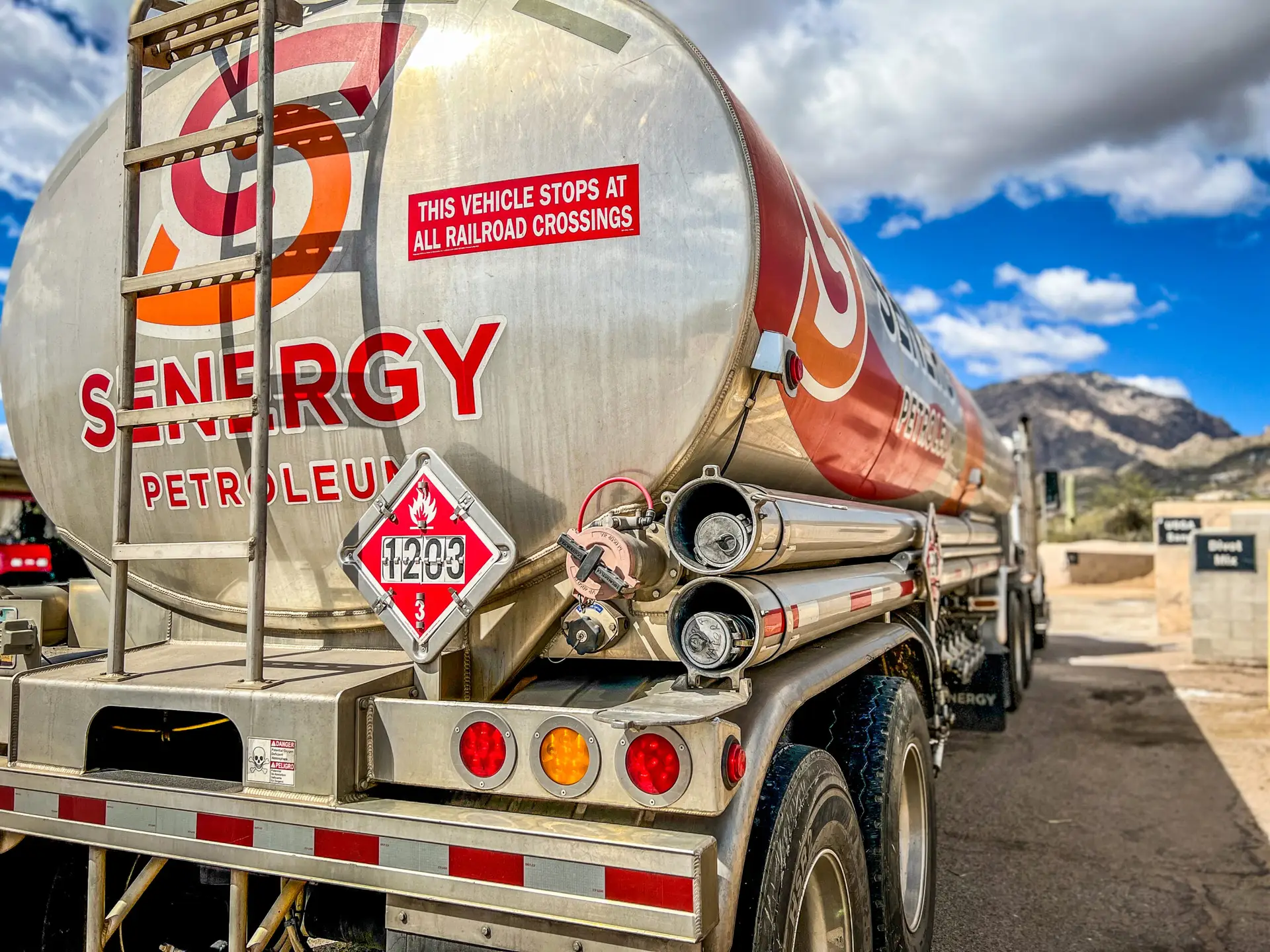

Professional Operational Risk Management-Fuel
Fuel handling carries inherent risks, including spills, theft, and safety hazards. Managing these risks internally can be challenging, particularly on large or remote construction sites. Professional fuel management services offer a safer and more reliable solution.
On-site storage and handling require space and careful oversight, while off-site fuel delivery reduces these operational demands and minimizes the likelihood of accidents. Reputable fuel suppliers follow rigorous safety protocols and comply with workplace regulations, ensuring fuel is delivered securely and efficiently.
Professional fuel management also includes monitoring and reporting. Advanced tools track fuel consumption, identify irregularities, and help prevent theft. Enhanced visibility provides managers with greater control over resources, contributing to safer and more efficient operations.
Integrating Fuel Logistics for Smoother Construction Project Management
Effective construction management relies on streamlined workflow processes, and fuel supply plays a critical role in maintaining project schedules. Disruptions in fuel availability can halt multiple activities, while a reliable fuel supply ensures operations proceed as planned.
With bulk diesel delivery and scheduled fuel deliveries, construction managers can integrate fuel logistics directly into project timelines. This proactive approach eliminates last-minute fueling issues, enabling more accurate and predictable project execution.
Fuel delivery services also enhance coordination between teams. When equipment is consistently ready for use, project stages can be better synchronized, reducing downtime and promoting interdepartmental efficiency.
Smart Fuel Management
The construction industry is evolving, and fuel management is becoming increasingly sophisticated. Modern systems provide real-time tracking of fuel levels, consumption trends, and delivery schedules, improving the efficiency of fuel delivery services.
Smart tank sensors monitor usage and issue alerts when fuel is low, preventing shortages and ensuring timely replenishment. Automated systems reduce human error and enhance accuracy, while data analytics identifies inefficiencies and supports cost-effective strategies.
Integration with project management tools further aligns fuel supply with project timelines, improving forecasting, planning, and overall operational efficiency.