Storage to Supply: Fuel Effectiveness with Built-in Surveillance
Fuel efficiency is no longer viewed simply as a cost-saving measure. It has become a strategic priority for organizations that rely on a consistent, uninterrupted energy supply. Industries such as transportation, construction, agriculture, utilities, and manufacturing consume large fuel volumes daily, where even minor inefficiencies can result in significant financial impact. Rising fuel costs and increasing operational pressures have intensified the need for precise oversight from storage through final use.
Historically, fuel distribution was treated as a straightforward logistics function: order, store, and dispense as needed. However, this approach often leads to preventable losses caused by evaporation, contamination, overstocking, and inefficient allocation. True operational efficiency requires visibility across the entire fuel supply chain — from bulk storage tanks to the equipment that consumes the fuel.
Bulk fuel delivery plays a critical role within this system. Delivery schedules must align with real-time consumption to prevent shortages and avoid prolonged storage that can compromise fuel quality. When delivery timing fails to match demand, organizations risk operational disruptions or product loss.
The Bulk Fuel Delivery and its influence on Supply Chain Performance
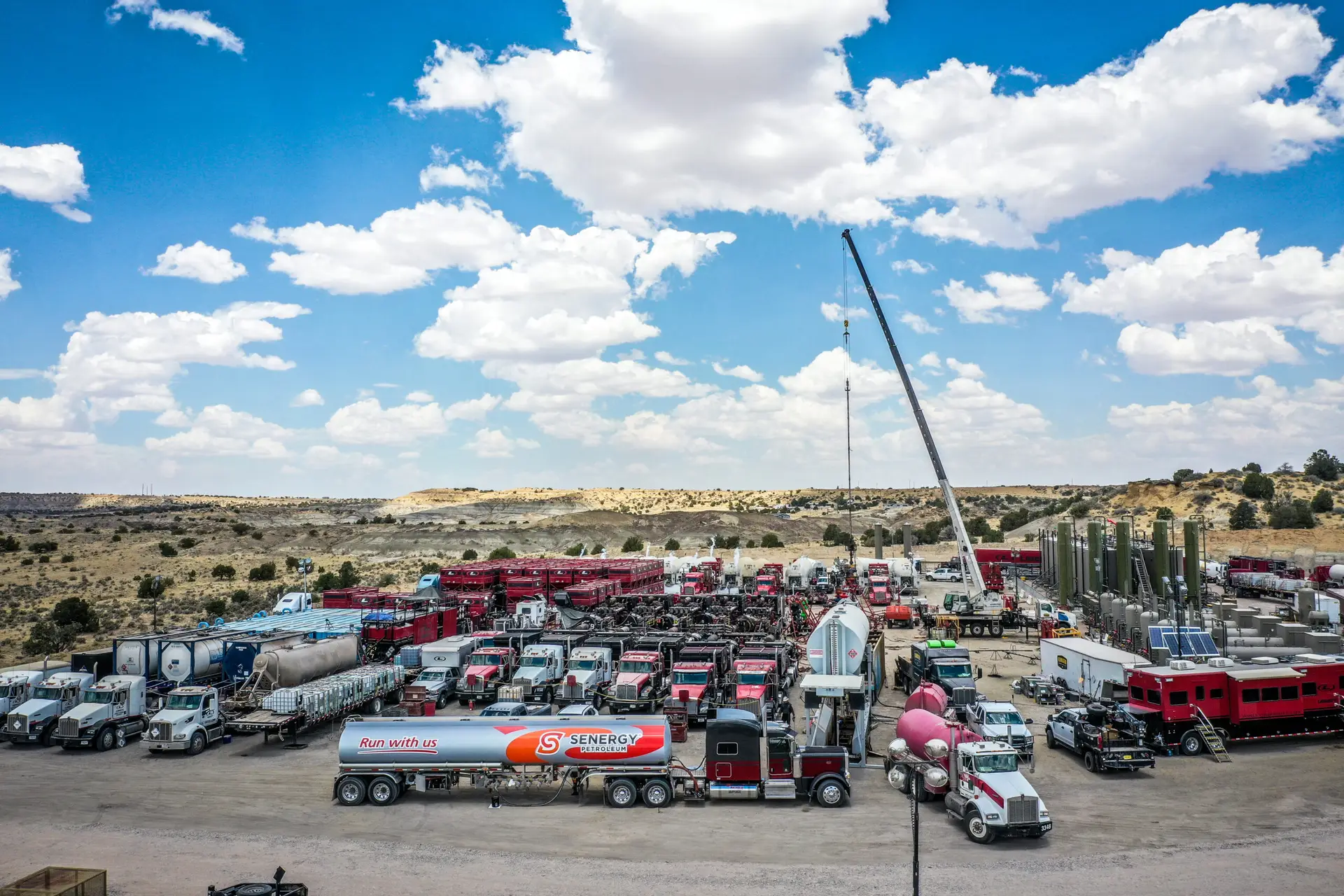
Large-scale fueling operations depend on bulk fuel delivery. Unlike retail refueling, bulk supply enables centralized storage, on-site dispensing, and continuous operations without reliance on public fueling infrastructure. Properly scheduled deliveries ensure fuel arrives when needed, preventing unnecessary inventory buildup while maintaining operational readiness.
Poor coordination in delivery scheduling can significantly impact fuel efficiency. Early deliveries may result in extended storage periods, increasing exposure to oxidation, water intrusion, and microbial growth. Delayed deliveries, on the other hand, can force emergency purchases at premium pricing or cause equipment downtime. Both scenarios reduce operational performance and increase overall costs.
Effective delivery planning accounts for variables such as consumption rates, seasonal demand shifts, and logistical constraints. For example, agricultural operations often experience higher fuel demand during planting and harvest seasons, while construction projects see increased consumption during peak activity periods. Aligning delivery schedules with these patterns improves efficiency and minimizes disruption.
Bulk delivery also reduces per-unit transportation costs compared to smaller, more frequent shipments. Consolidated loads improve logistical efficiency and cost control. However, these advantages are fully realized only when supported by accurate and timely consumption data.
Enhancing Fuel Control Through Integrated Tank Monitoring Systems
Tank monitoring integration connects physical storage infrastructure with digital intelligence to deliver real-time visibility into fuel conditions and inventory levels. Modern storage tanks are equipped with sensors that measure fuel levels, temperature, water presence, and, in some cases, quality indicators. This data is transmitted to centralized platforms where operators can analyze trends and respond proactively.
Without integrated monitoring, organizations often rely on manual inspections or estimated usage rates, both of which are prone to error. Unexpected shortages or excess inventory can occur, leading to inefficiencies and increased operational risk. Continuous, accurate measurement eliminates this uncertainty and provides a reliable foundation for fuel management decisions.
Automated alerts are one of the most valuable features of integrated tank monitoring systems. Managers receive notifications when fuel levels approach critical thresholds, enabling timely bulk fuel deliveries. The system can also detect abnormal conditions, such as sudden level drops that may indicate leaks or unauthorized usage, allowing for immediate investigation and resolution.
Greater Operational and Financial Control
Effective fuel management requires maintaining inventory at an optimal level—high enough to prevent operational interruptions, yet low enough to reduce storage risks and unnecessary capital tie-up. Integrated tank monitoring supports this balance by providing precise, real-time inventory data that enables informed decision-making.
With access to accurate tank data, suppliers can dynamically schedule bulk fuel deliveries based on actual consumption rather than fixed intervals. This just-in-time approach minimizes stockouts while reducing excess inventory, resulting in more efficient fuel utilization and improved cost control.
Seasonal fluctuations and cyclical operational demands can also be managed more effectively. Monitoring systems track usage patterns over time, allowing planners to anticipate increases or decreases in demand. For example, higher fuel consumption during extreme weather conditions or peak production periods can be addressed proactively through adjusted delivery schedules.
Optimized inventory management also delivers measurable financial benefits. Excess fuel inventory ties up working capital that could be allocated elsewhere, while emergency purchases often come at premium pricing. Maintaining balanced inventory levels reduces both risks and strengthens overall operational efficiency.

Improving Equipment Operation and Effectiveness
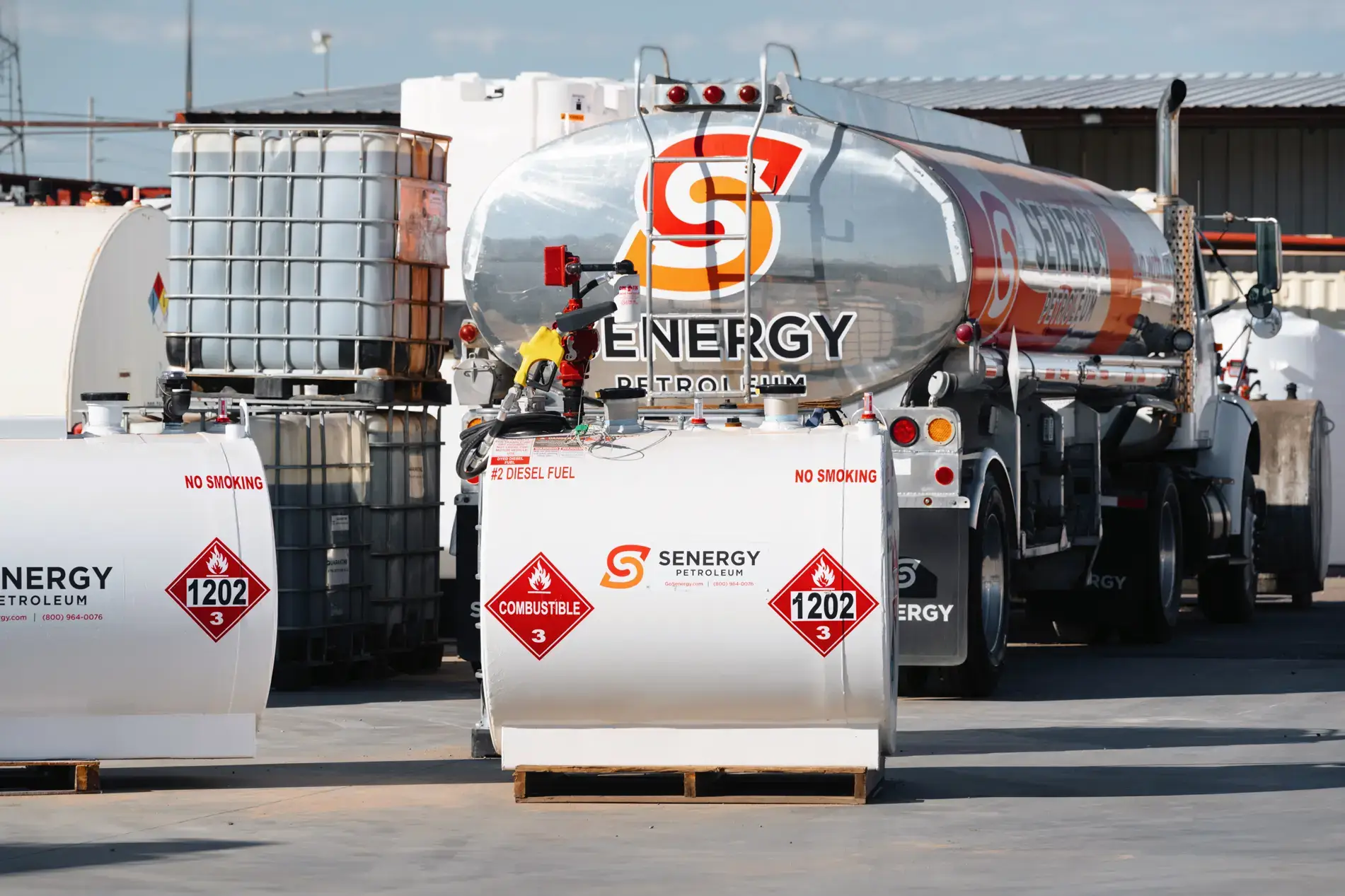
Equipment performance is directly linked to fuel efficiency. Machinery operating on clean, properly stored fuel delivers stronger power output, runs more smoothly, and requires less unplanned maintenance. Integrated tank monitoring supports this performance by helping maintain fuel quality from storage through dispensing.
Degraded or contaminated fuel can clog filters, damage injectors, and reduce combustion efficiency. Monitoring systems that detect water presence and track storage conditions help prevent these issues before they impact equipment. Consistent fuel quality also supports stable engine calibration, allowing machinery to operate at peak performance levels.
Operational efficiency improves when fueling processes are predictable and controlled. Accurate inventory data ensures fueling stations remain adequately supplied, eliminating downtime caused by empty tanks. With reliable fuel availability, maintenance schedules and daily operations proceed without disruption, improving overall productivity.
Centralized fuel data can also highlight inefficiencies in consumption. Sudden increases in fuel usage may signal mechanical issues or inefficient operating practices. Early detection allows for timely corrective action, protecting equipment performance and controlling operational costs.
Operational Control with Integrated Fuel Monitoring
Fuel management strategies are increasingly shaped by regulatory requirements and operational accountability. Improper storage practices, spills, or untracked losses can result in financial penalties and reputational damage. Integrated tank monitoring supports organizations in maintaining compliance while strengthening overall operational control.
Continuous leak detection and condition monitoring allow issues to be identified and addressed quickly, reducing risk and minimizing costly remediation. Early alerts enable prompt corrective action and demonstrate a proactive approach to oversight and regulatory adherence.
Comprehensive recordkeeping is another key advantage. Monitoring systems automatically log fuel levels, deliveries, and usage data, creating a transparent and reliable audit trail. This documentation simplifies reporting requirements and streamlines inspections.
Operational efficiency also improves through reduced waste and better logistical coordination. Consolidated bulk deliveries improve transportation efficiency, while minimizing evaporation and product loss protects fuel value. Monitoring data provides measurable insights that support stronger financial management and performance reporting.
Data-Driven and Built for Resilience
The future of fuel management is built on connectivity, data analytics, and adaptive logistics. Long-term resilience requires integrated systems that align storage, delivery, and consumption into a unified strategy rather than isolated processes.
Combining bulk fuel delivery planning with comprehensive tank monitoring and performance analytics enables continuous optimization instead of reactive adjustments. As operations evolve, integrated systems adjust alongside them to maintain efficiency and control.
Success also depends on training and organizational alignment. Teams must understand how to interpret monitoring data and translate insights into action. Strong collaboration with suppliers further enhances results by improving forecasting, delivery planning, and service reliability.