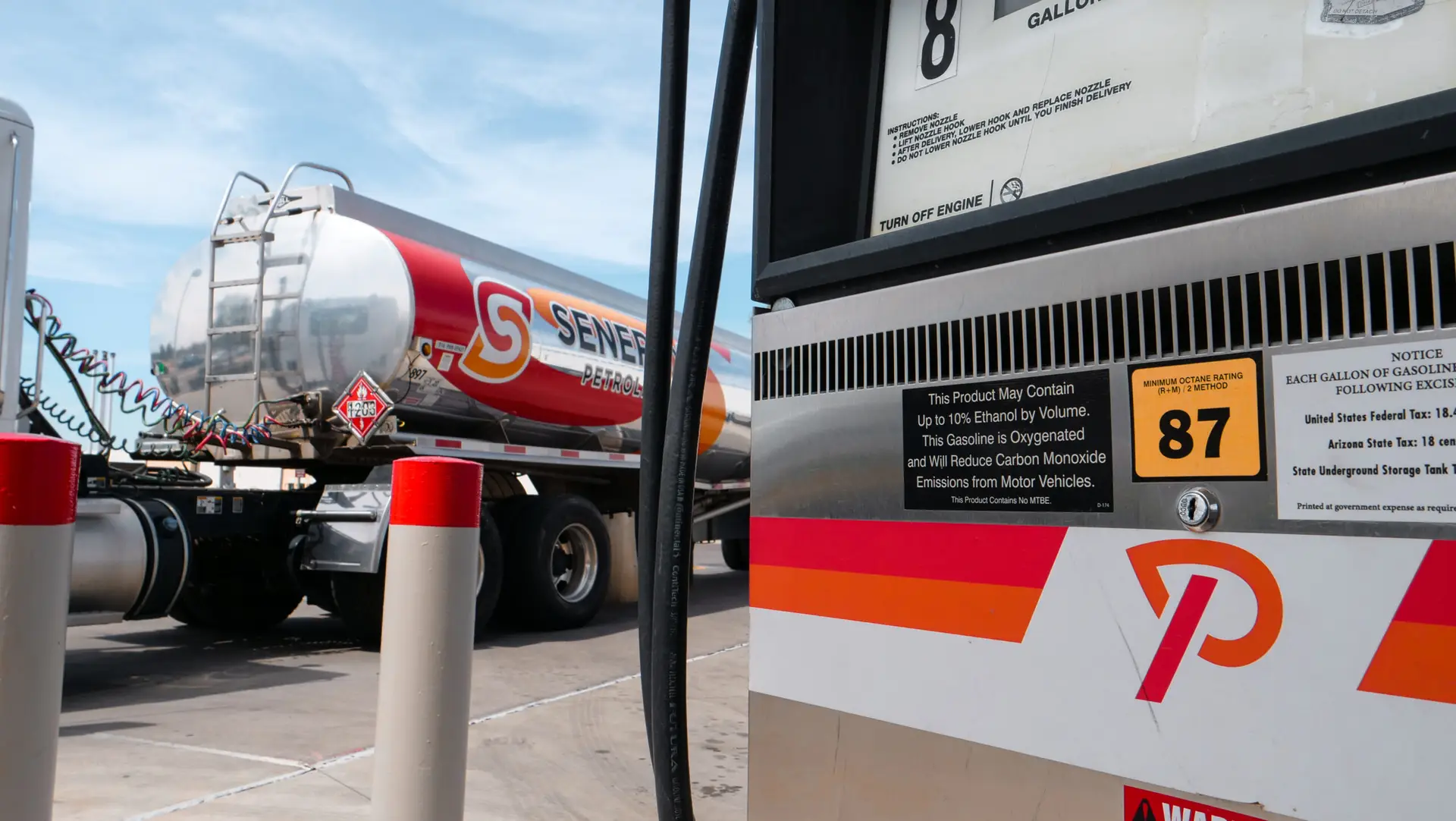
Smart Fuel Management: Delivery Meets Monitoring
Fuel management has evolved far beyond manual dipstick measurements and preset delivery schedules. Today, fuel-dependent industries such as construction, logistics, manufacturing, and utilities require intelligent, data-driven systems to maintain precision and control. The integration of bulk fuel delivery with digital tank monitoring technology defines smart fuel management—transforming reactive supply chains into predictive, performance-driven operations.
Traditional fuel supply models relied heavily on estimation rather than real-time usage data. This often resulted in overstocking, emergency deliveries, and costly downtime. Modern tank monitoring systems eliminate uncertainty by providing continuous visibility into fuel levels, usage rates, and consumption patterns.
By combining automated alerts with strategic delivery scheduling, organizations can align supply with actual demand. This approach reduces operational risk, improves site and fleet efficiency, and strengthens overall fuel management performance.
Real-Time Tank Monitoring for Greater Operational Visibility
Uncertainty surrounding on-site fuel levels remains a significant challenge in fuel management. Manual measurement methods are time-intensive, prone to error, and often delayed. Modern tank monitoring systems utilize advanced sensors to deliver precise, real-time fuel level data, providing immediate visibility across all storage locations.
Access to accurate, up-to-date information allows organizations to schedule deliveries based on actual consumption rather than estimates. This reduces the risk of stockouts while preventing excess inventory that ties up capital and increases storage risk. Automated alerts notify operators when fuel levels reach predefined thresholds, enabling proactive action to maintain uninterrupted operations. Continuous monitoring can also reveal irregular usage patterns that may signal leaks, theft, or equipment performance concerns.
Real-time tank data improves coordination among procurement teams, logistics partners, and site managers. Instead of responding to emergencies, organizations can align deliveries with operational demand. Enhanced tank visibility supports optimized scheduling, stronger resource allocation, and reduced disruptions caused by unexpected shortages.
The Core of Intelligent Fuel Management
Smart fuel management is built on integrated tank monitoring systems. These technologies continuously measure fuel levels using ultrasonic, pressure, or float sensors. Data is transmitted through cellular or low-power networks to centralized platforms where it is analyzed and converted into actionable insights.
Real-time monitoring enables proactive decision-making. Managers receive alerts when fuel levels approach critical thresholds, when sudden drops may indicate theft, or when abnormal spikes in usage occur. Enterprise integration ensures that procurement, accounting, and operations teams all operate from the same accurate data set. In addition to level tracking, advanced systems can monitor temperature, detect water contamination, and provide consumption forecasting.
This level of visibility strengthens operational planning and protects equipment performance. The true advantage of tank monitoring integration lies in automation. Delivery triggers can be established based on preset thresholds, allowing seamless coordination with bulk fuel delivery schedules. The result is a self-regulating supply system that maintains balance between demand and inventory without constant manual oversight.
Enhancing Fuel Efficiency Through Data Visibility
Fuel efficiency extends beyond engine optimization—it begins with operational visibility. When organizations understand consumption patterns, previously unnoticed inefficiencies become clear. Data monitoring can reveal trends such as excessive idle time, underutilized equipment, or irregular fueling activity. With this insight, managers can take corrective action, optimize dispatch schedules, and consolidate operations to reduce waste and improve performance.
Integrating fleet telematics with tank monitoring systems provides a comprehensive view of fuel movement—from storage tank to engine. This end-to-end visibility ensures every gallon is accounted for and managed with precision.
Predictive analytics further enhance efficiency. Historical usage trends enable systems to forecast demand accurately, preventing unnecessary deliveries and reducing logistical strain. Proper storage monitoring also preserves fuel quality, preventing degradation that can negatively impact engine performance and operational reliability.
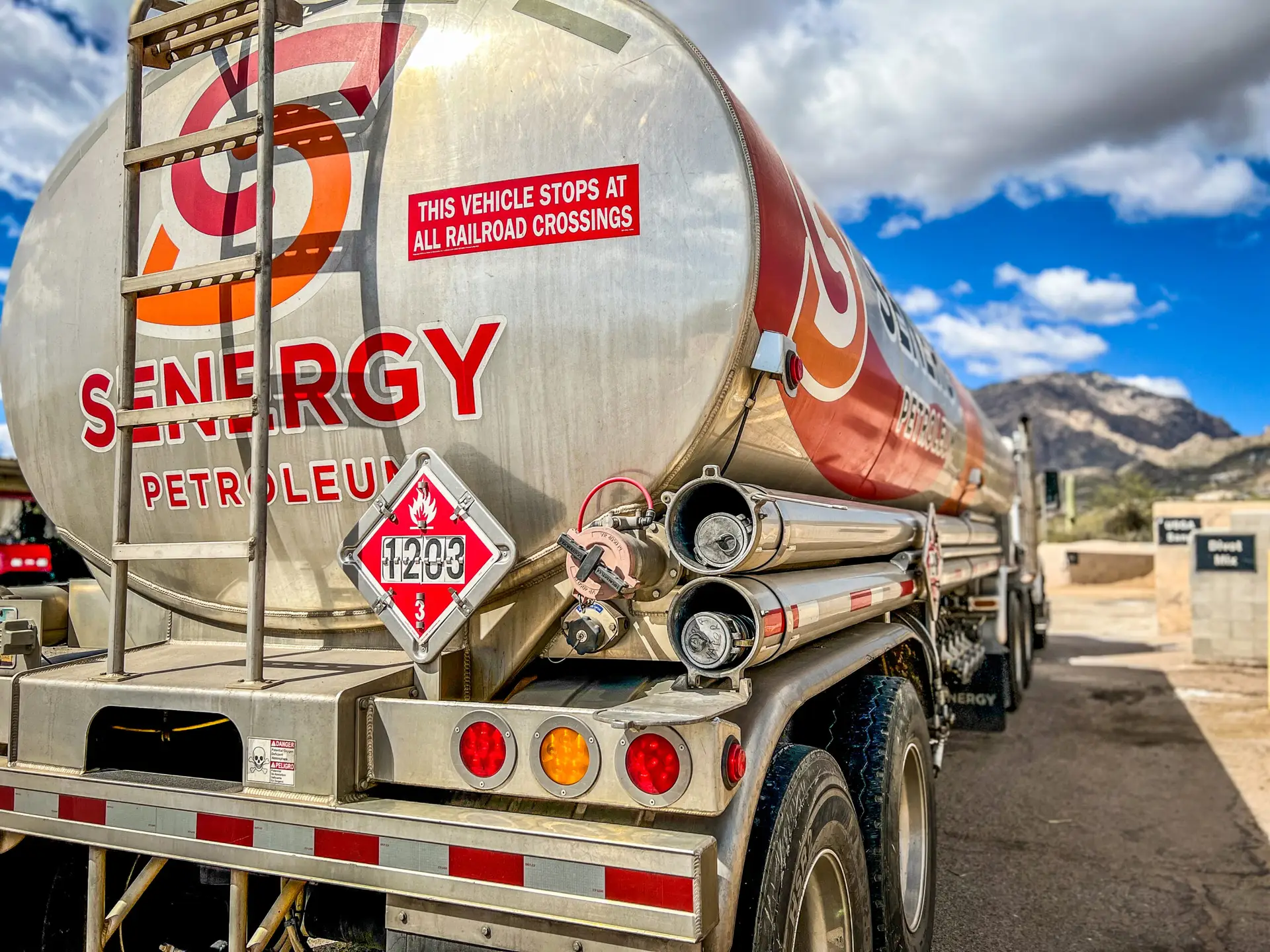

Reduction of Cost and Operational Reliability
Smart fuel management delivers a direct and measurable impact on the bottom line. One of the most immediate benefits is the reduction in emergency deliveries, which often carry premium costs and operational disruptions. With integrated tank monitoring, organizations maintain optimal inventory levels—reducing capital tied up in excess fuel while preventing costly downtime caused by empty tanks.
Delivery optimization lowers transportation expenses and improves asset utilization across sites and fleets. Administrative efficiency also improves through automation. Automated reporting eliminates manual reconciliation tasks, saving valuable labor hours and reducing the risk of human error. Digital documentation streamlines recordkeeping and accelerates invoice processing, strengthening financial accuracy and control.
Operational reliability is significantly enhanced through continuous monitoring. The risk of fuel shortages for critical equipment—such as generators, heavy machinery, and fleet vehicles—is greatly reduced. With predictable supply and data-driven oversight, organizations can focus on operations with confidence, knowing fuel availability is aligned with demand.
Compliance, Security and Risk Management
Fuel theft and leakage are critical concerns for businesses with substantial on-site fuel storage. Smart monitoring provides an early warning system by detecting sudden drops or abnormal usage trends in real time.
Automated alerts notify managers immediately, enabling rapid response to losses and discouraging unauthorized access. Comprehensive digital records document deliveries, level changes, and access events in a fully traceable format. Integrated systems also simplify compliance management by maintaining accurate and auditable logs.
High-level alarms and overflow preventers further reduce the risk of fuel loss, ensuring operational continuity and protecting valuable assets. Together, these security measures create a robust system that minimizes operational risk and maintains business integrity.
Facilitating Scalability and Future Growth
Fuel monitoring programs directly support operational efficiency by reducing overall fuel consumption. Another key advantage is scalability—integrated systems can expand across multiple sites and locations without sacrificing visibility or control.
Centralized data hubs provide enterprise-level insights that inform strategic planning and procurement decisions. By leveraging intelligent integration, organizations can ensure consistent operational performance while using fuel resources responsibly, transparently, and efficiently.