Signs Your Fleet May Have a DEF System Issue
Modern diesel-powered fleets rely on advanced emissions technology to meet EPA emissions regulations while maintaining dependable performance. One of the most important parts of this system is the Selective Catalytic Reduction (SCR) system, which works with sensors, pumps, injectors, and control modules to reduce harmful nitrogen oxide (NOx) emissions. When one of these components begins to fail, the entire emissions system can suffer, leading to reduced engine performance, higher operating costs, and unplanned downtime.
Many DEF-related problems develop gradually rather than all at once. A dashboard warning light, slower acceleration or reduced engine performance may seem minor at first, but these symptoms often point to an issue that will worsen if ignored. For fleet managers, diesel mechanics, and owner-operators, recognizing these early warning signs allows repairs to be scheduled before they disrupt daily operations. A proactive approach to fleet maintenance helps improve equipment reliability, reduce repair expenses, and keep commercial vehicles on the road.
Whether you operate heavy-duty trucks, construction equipment, agricultural machinery, or municipal vehicles, understanding the condition of your DEF systems is essential. Routine inspections and timely diagnostics can prevent costly repairs while ensuring your fleet remains compliant with emissions regulations and performs efficiently in demanding environments.
Understanding the Role of DEF Systems
Modern diesel engines use an SCR system to lower harmful exhaust emissions before they leave the vehicle. This process depends on several interconnected components, including the DEF tank, DEF pump, DEF injector, DEF filter, DEF heater, DEF dosing module, NOx sensors, exhaust gas temperature sensors, and the SCR catalyst. Each component plays a specific role, and a failure in one area can quickly affect the performance of the entire system.
The SCR system uses Diesel Exhaust Fluid to convert nitrogen oxides into harmless nitrogen and water vapor. The engine control module (ECM) continuously monitors operating conditions and adjusts the amount of fluid injected into the exhaust stream. If the ECM detects abnormal sensor readings, poor fluid quality, or reduced SCR efficiency, it stores diagnostic trouble codes (DTCs) and alerts the driver before emissions exceed acceptable limits.
Because these components work together, a seemingly simple issue such as contaminated fluid, a blocked injector, or a damaged sensor can reduce engine performance and eventually trigger an engine derate. Understanding how the system operates makes it easier to recognize problems before they become expensive repairs.
Early Warning Signs Your Fleet Should Never Ignore
Dashboard alerts are often the first indication that something is wrong. A DEF warning light, check engine light, or emissions system message should never be dismissed, even if the vehicle continues to operate normally. These warnings frequently indicate low DEF levels, poor fluid quality, sensor failures, or communication problems within the aftertreatment system.
Changes in vehicle performance are another common indicator. Drivers may notice slower acceleration, reduced engine power, rough idle quality, poor throttle response, or declining fuel economy. Heavy-duty trucks pulling loaded trailers may struggle on grades or require more throttle than usual. These symptoms often develop before a complete system failure, providing maintenance teams with valuable time to diagnose and correct the issue.
Maintenance technicians should also watch for DEF crystallization around injectors, dosing modules, or filler necks. Crystal deposits usually form when small leaks or spills allow DEF to dry on system components. Over time, these deposits can restrict fluid flow, reduce dosing accuracy, and place additional stress on the SCR system, increasing the risk of costly repairs.
Common Causes of DEF System Problems
Most DEF failures can be traced to a handful of common causes. Contaminated DEF is one of the most common causes of SCR system problems. Dirt, fuel, engine oil, tap water, or other foreign materials can alter DEF purity and interfere with proper operation. Even small amounts of contamination may affect sensor readings and reduce SCR efficiency.
Environmental conditions also play an important role. DEF freezes at approximately 12°F (-11°C), and although modern vehicles are equipped with heaters designed to thaw the fluid, failed heaters, damaged wiring, or faulty temperature sensors can prevent the system from operating correctly during cold weather. In warmer climates, prolonged exposure to heat or direct sunlight can shorten DEF shelf life and degrade the fluid.
Mechanical wear is another common contributor. Aging DEF pumps, clogged filters, worn injectors, deteriorated seals, damaged DEF lines, and failing NOx sensors naturally wear over time. Without regular inspections, these components may continue to degrade until they trigger diagnostic trouble codes, activate protective engine functions, or reduce overall vehicle performance. Identifying these issues during scheduled fleet maintenance helps prevent unexpected failures and keeps commercial vehicles operating reliably.
Preventive Maintenance Practices That Extend DEF System Life
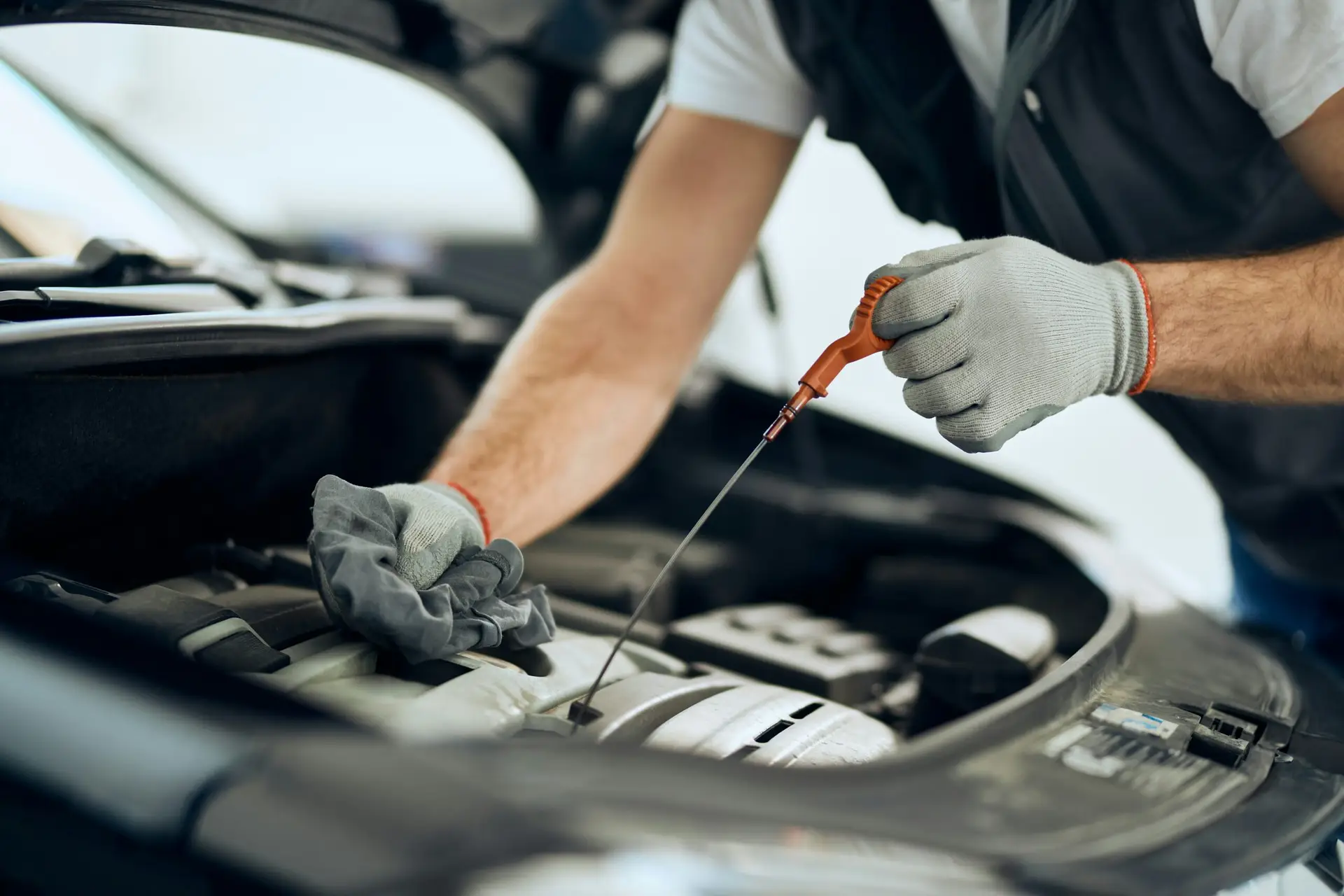
Preventing DEF-related failures starts with consistent inspection routines rather than waiting for warning lights to appear. Every scheduled service should include checking the DEF tank, dosing module, DEF lines, filters, electrical connectors, and sensors for leaks, corrosion, or physical damage. Reviewing diagnostic trouble codes, even when no noticeable performance issues exist, can uncover developing faults before they affect daily operations.
Proper storage practices are equally important. DEF should always meet ISO 22241 specifications and be stored in clean, sealed containers away from direct sunlight and excessive heat. Exposure to dirt, dust, fuel, engine oil, or other contaminants can reduce fluid quality and interfere with SCR operation. Maintenance teams should also monitor storage temperatures, rotate inventory to avoid aging fluid, and clean dispensing equipment regularly to minimize contamination risks.
Telematics and modern fleet management software have become valuable tools for monitoring emissions system health. Many platforms track fault codes, engine performance, service intervals, and aftertreatment data in real time, allowing maintenance managers to schedule repairs before vehicles experience performance loss. Combining predictive diagnostics with regular inspections helps improve fleet maintenance planning while reducing unnecessary component replacements and labor costs.
The Cost of Ignoring Early DEF System Problems
Small emissions system issues rarely remain small for long. A failing DEF injector may initially reduce dosing accuracy, but continued operation can place additional strain on the SCR catalyst, NOx sensors, and other aftertreatment components. What begins as an inexpensive repair may eventually require replacing several major parts, significantly increasing repair costs and vehicle downtime.
Unexpected failures also create operational challenges beyond the repair shop. Delayed deliveries, missed service appointments, idle equipment, and emergency roadside assistance all affect productivity and customer satisfaction. Construction companies, transportation providers, municipal fleets, agricultural operations, mining businesses, and utility service organizations depend on reliable equipment every day, making unplanned downtime one of the most expensive consequences of neglected emissions system maintenance.
Routine inspections also support compliance with federal emissions regulations. Vehicles operating with unresolved aftertreatment faults may fail required inspections, generate higher operating costs, and consume additional fuel as engine efficiency declines. Addressing minor issues early protects both fleet reliability and long-term operating budgets while helping organizations maintain consistent equipment availability.
Keeping Your Fleet Running Efficiently
The health of a diesel fleet depends on much more than engine oil changes and routine mechanical repairs. Modern DEF systems require the same level of attention as any other critical component. Monitoring dashboard alerts, reviewing diagnostic trouble codes, inspecting sensors and injectors, maintaining clean fluid storage practices, and following recommended service intervals all contribute to dependable vehicle performance and lower maintenance costs.
Fleet managers who take a proactive approach gain more than improved emissions compliance. They reduce unexpected breakdowns, improve equipment availability, protect engine performance, and create more predictable maintenance schedules. Whether managing commercial trucks, buses, heavy-duty equipment, or specialized fleet vehicles, identifying early warning signs allows technicians to resolve problems before they disrupt operations.
Investing in preventive inspections, quality diagnostics, and consistent fleet maintenance practices helps organizations maximize vehicle uptime while keeping diesel emissions systems operating as designed. Over time, these efforts reduce repair expenses, strengthen fleet reliability, and support long-term business performance in demanding operating environments.