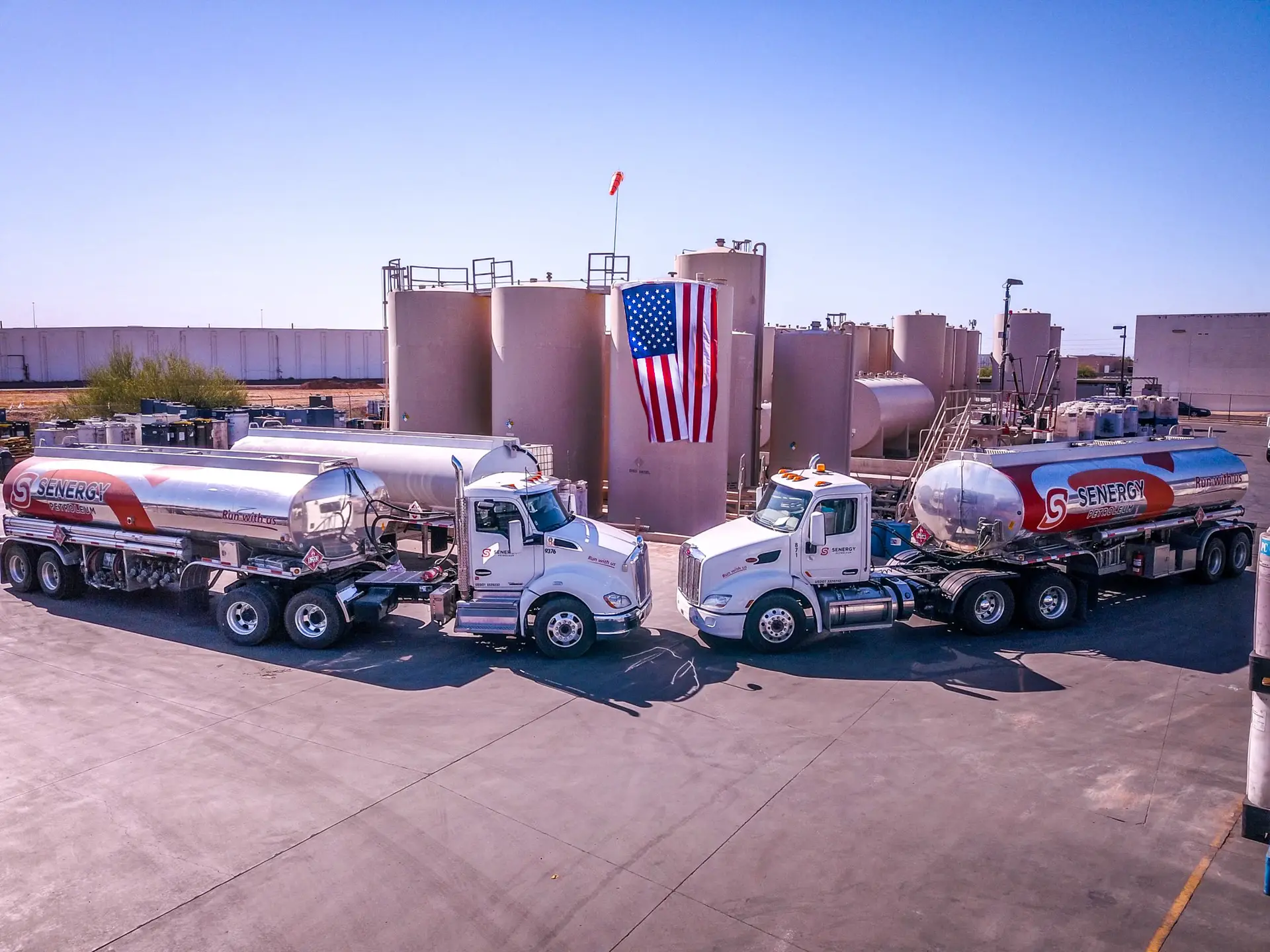
Seasonal Fuel Strategies: Preparing for Winter and Summer Operations
Seasonal fuel planning is an important aspect in sustaining operations across industries with significant reliance on fuel systems. Fuel performance affects aspects of transportation, manufacturing and energy production, all of which are directly impacted by environmental conditions. If not planned properly, businesses might suffer from loss of efficiency, higher costs, and downtime.
Seasonal fuel planning is based on the idea that fuel type, storage and handling can be altered based on temperature variations. Fuels can thicken or gel in colder climates, or evaporate or decompose more rapidly in warmer climates. The changes need to be met with proactiveness to ensure continuity of performance.
Seasonal fuel planning generally leads to increased operational reliability for organisations that invest in it. They can make the preventive measures in anticipation of seasonal challenges as opposed to reactive measures. This method not only helps to protect equipment but also increases its lifespan.
Moreover, the use of novel technologies and monitoring systems enable companies to monitor fuel quality in real time. The data-driven approach will optimise decision making and keep fuel systems efficient year-round.
Finally, seasonal fuel planning isn’t just a matter of fuel; it’s a matter of productivity, risk reduction, and smooth operations, no matter what the weather brings.
The Effects of Temperature-Sensitive Fuels on Operations
Operational efficiency is largely dependent on temperature-sensitive fuels. Each of these fuels burns differently at different temperatures due to the differences in their viscosity, burn efficiency and storage stability. Knowing these characteristics is important to industries which depend on fuel performance that is consistent.
Some fuels can get thicker in cold weather and flow poorly, impacting combustion efficiency. This can put stress on engines and machinery and cause wear. However, hot conditions can cause fuel evaporation, resulting in loss of energy and even safety concerns.
The effect of the temperature-sensitive fuels is not just on the machinery. It also impacts fuel storage and fuel transportation. Tanks should be able to accommodate temperature changes and fuel delivery systems should be modified to prevent degradation.
Those companies that overlook these are likely to experience unplanned downtime and increased maintenance expenses. But those who know the characteristics of temperature-sensitive fuels can apply strategies like fuel additives, insulation and temperature controlled storage.
Addressing the challenges proactively can help businesses ensure operational reliability and consistent performance. This knowledge is essential for proper seasonal fuel planning and help fuel systems work efficiently during hot and cold weather.
Winter Fuel Challenges and Strategic Solutions
Fuel systems come with some challenges during the winter season, especially in areas with very cold weather. A common problem is fuel gelling – occurring when fuel becomes too thick to flow. This can clog filters, make problems in supply lines and stop operations altogether.
Companies need to have winter fuel plans to address these issues. One of the best solutions is to use fuels or additives that are specifically designed for winter conditions. The purpose of these products is to reduce the freezing point and increase the fuel flow in cold weather.
Proper storage is another important consideration in making winter fuel plans when the season starts. In the case of insulated tanks and heated storage systems, fuel does not reach critical temperatures. There are also regular maintenance checks that need to be carried out, as these help to look out for any potential problems so that they do not get worse.
When the weather turns cold the key to operational reliability is preparation. Businesses should educate staff on dealing with winter weather and have contingency plans in place. This means maintaining a stock of spare filters, emergency fuel supplies and contingency plans.
These measures can help businesses ensure that their systems remain operational and efficient, even during the cold winter months. By adopting a proactive strategy for managing winter fuels, operations can be maintained in a stable and productive manner throughout the season.

Identification, Risk Assessment and Prevention of Fuel Risk in Summer
Summer comes with its own set of risks, as well as the cold weather that winter brings. Excessive heat speeds up fuel degradation, high pressure in fuel storage tanks and fuel evaporation. These problems have implications for safety and efficiency.
Vapor formation is one of the major issues to consider in the summer. With increased temperatures, fuels can change into vapour more rapidly, resulting in energy loss and potentially hazards. This risk must be controlled using the proper ventilation and pressure control systems.
Summer fuel management is also greatly influenced by storage conditions. Tanks should be shaded or fitted with cooling systems to stop tanks overheating. It is important that fuel quality be monitored regularly to identify any signs of fuel degradation early.
Major one of these is the fuel performance stabilizers and additives which improve the fuel. The following are solutions that will avoid breakdown and maintain consistency.
Businesses can prepare for these issues by good seasonal fuel planning. With proactive measures, businesses can better ensure their equipment remains safe, mitigate risks, and continue to run smoothly.
Summer fuel management isn’t merely a matter of preventing issues, it’s a matter of optimisation and ensuring smooth operations, even under extreme heat conditions
Engineering Solutions for Seasonal Fuel Efficiency
The foundation of good seasonal fuel strategies is Engineering solutions. Complex technologies and system designs allow businesses to respond to environmental variations and achieve constant fuel performance.
A particularly effective engineering solution is to incorporate temperature control systems. These systems are used for storing and transporting fuels and prevent problems like gelling or loss of gas. Automated monitoring tools also give you up-to-the-minute data so that you can make adjustments quickly.
Another critical one is the design of fuel systems that can accept temperature-sensitive fuels. This includes the use of materials that do not expand when heated and ensuring there is insulation to create stable conditions.
Predictive maintenance is no exception to the engineering solutions. Fuel system data can be used to detect potential problems before they happen. This proactive strategy minimises downtime and improves operational reliability.
Integrating these solutions into a business’s seasonal fuel plan means it is ready for both winter and summer conditions. It also increases efficiency and lowers the long-term cost.
In conclusion, engineering solutions are a key building block to a resilient fuel strategy, allowing organisations to function smoothly throughout the year.
Fuel Adaptation: The role of Oil Field Services
The oil field services industry is vital to seasonalizing fuel systems. These services offer the knowledge and tools necessary to effectively manage fuels in a changing environment.
Oil field services are vital for ensuring businesses reach a high standard of performance, from fuel testing to system optimization. They provide special solutions for fuels that are sensitive to temperature, guaranteeing fuel quality.
A significant part of the value-added services that oil field services can bring is the ability to put into practice tailored plans. They are geared to the particular needs of operations and environmental conditions and they are very effective.
Furthermore, oil field services help in the preparation of fuels for the season by offering advanced equipment and technologies. This involves efficiency-enhancing tools such as filters, storage systems, and monitoring devices.
Businesses can tackle challenges ahead of time by working with expert service providers. It also guarantees that fuel systems are optimal for both winter and summer use.
Oil field services allow companies to maintain more reliable operations and minimize risks of seasonal fuel changes.
Sustainable Solutions for Water and Waste Management
To ensure fuel systems’ quality and performance, clean fluid solutions are crucial. Water, dirt, and microbial growth can have an especially great effect on fuel economy, particularly in the extreme heat and cold.
Clean fluid solutions require frequent fluid filtration, monitoring and maintenance. These procedures prevent fuel from becoming contaminated and help it to operate properly.
In winter, clean fuel helps ensure that fuel does not become clogged; in summer, it helps to reduce the chance of degradation. This is why liquid solutions to clean fuel are an essential part of seasonal fuel planning.
Maintaining fuel quality is essential, and it plays a significant role with advanced filtration technologies and purification systems. These solutions will clean these contaminants and increase the life of fuel systems.
The reliability of operation is dependent on the cleanliness of fuel. Purchasing a clean fluid solution contributes to the performance, such as reduction in maintenance costs and avoiding unexpected failures.
Clean fuel is not only a mandate, but also a competitive edge, enabling efficient and reliable operations all year round.
Developing a Year Round Fuel Strategy to be optimum for maximum reliability
A comprehensive fuel strategy is key to ensure year-round operating reliability. This approach should incorporate seasonal fuel planning, engineering solutions, oil field services and clean fluid solutions.
The initial consideration is determination of the operation’s particular requirements. This involves knowing the effects of temperature dependent fuels and recognising potential risks. From this analysis, businesses are able to formulate strategies unique to winter and summer.
It is also important to monitor and analyze data on an ongoing basis. These tools can help determine the fuel performance and areas of improvement. Where there are fuel systems, they are maintained regularly and can be upgraded as necessary to keep them efficient.
The strategy is further enriched by working with experts and service providers. They know how to tackle all facets of fuel management.