
Seasonal Fuel Planning for Agricultural Operations
Modern agricultural operations require careful seasonal fuel planning to maintain productivity. Agricultural diesel powers essential farm equipment such as tractors, harvesters, irrigation pumps, and transport vehicles. Without proper planning, unexpected fuel shortages or pricing fluctuations can delay fieldwork, disrupt planting or harvesting schedules, and reduce overall operational efficiency.
Agriculture operates on a seasonal cycle, and fuel demand changes throughout the year based on the intensity of farm activity. Planting, harvesting, crop management, and soil preparation all require varying levels of equipment use. As a result, fuel consumption increases significantly during peak operational periods and decreases during slower seasons. Planning ahead allows farm managers to accurately estimate fuel needs and secure reliable supply before workloads increase.
Understanding Seasonal Fuel Demand in Agriculture
Farming follows a consistent seasonal cycle, and fuel consumption patterns shift throughout each phase of the agricultural calendar. Understanding these trends helps farm managers anticipate fuel demand and make more strategic purchasing decisions.
In early spring, fuel consumption typically increases as soil preparation and planting begin. Tractors, cultivators, and seed drills operate for extended hours to prepare fields for crop production. During this stage, consistent access to agricultural diesel is essential, and timely purchasing helps ensure operations remain on schedule.
Fuel usage generally stabilizes during the summer months. Irrigation systems, crop monitoring equipment, and transportation vehicles continue to operate regularly, moving inputs and supporting field management. While machinery may not run as intensively as during planting, these ongoing activities still require a dependable fuel supply.
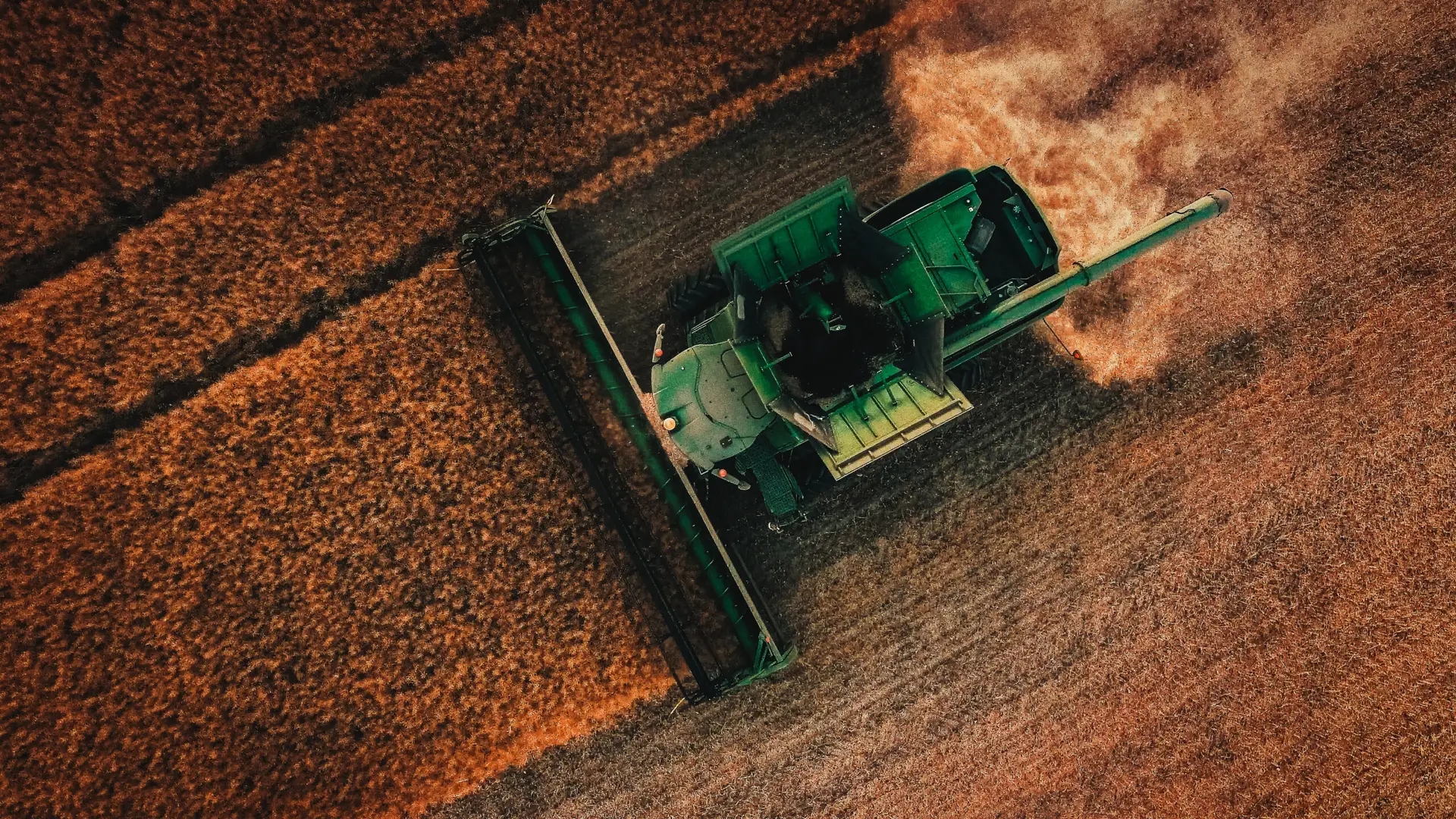
Fuel demand typically reaches its highest level during harvest season. Combines, tractors, grain carts, and trucks operate continuously, often from early morning until late evening, to complete harvest within a limited time window.
The Role of Reliable Fuel Delivery in Farm Operations
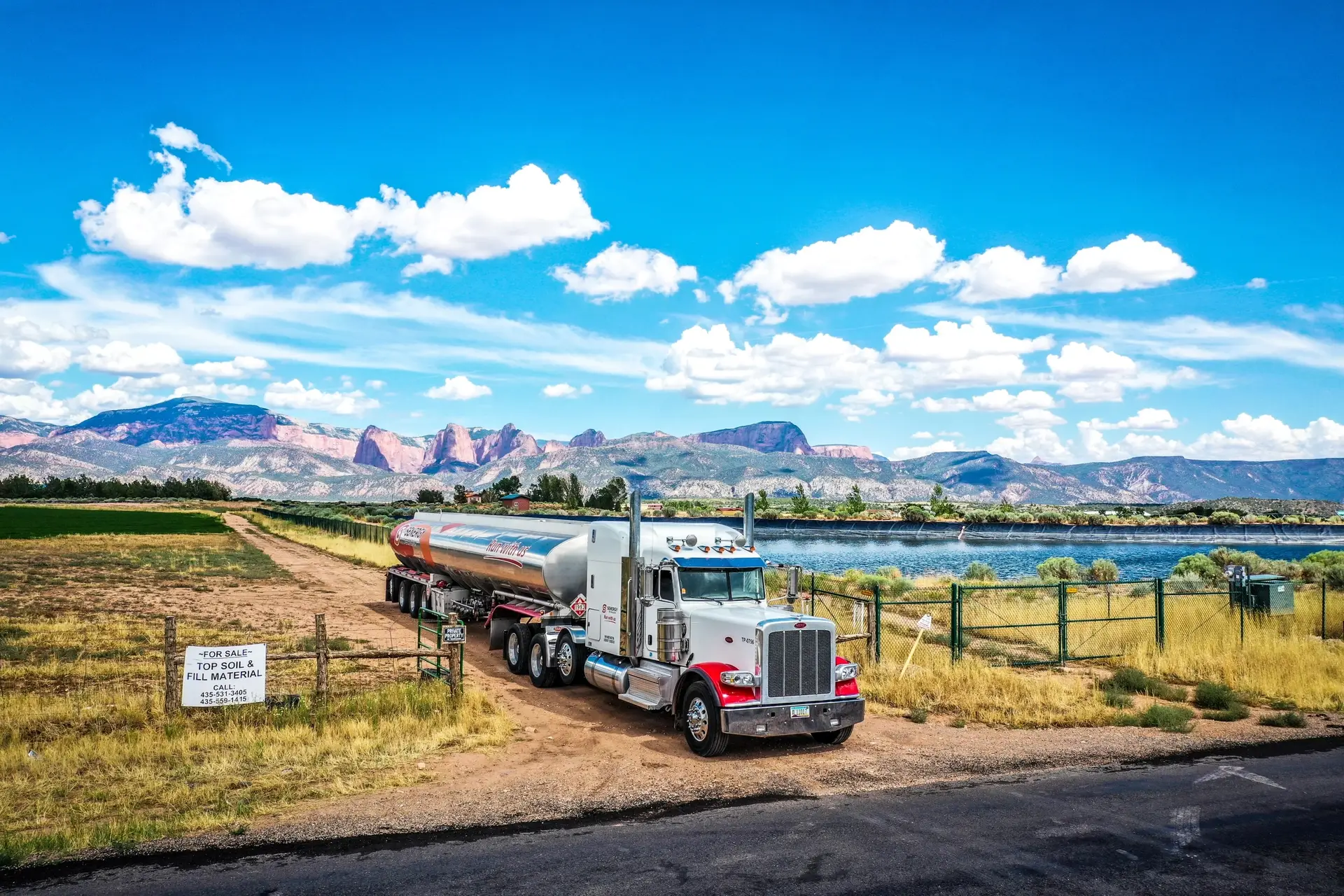
Reliable fuel delivery is essential for maintaining consistent agricultural productivity. When farms rely on off-site refueling or irregular supply schedules, equipment downtime and lost working hours can occur. Scheduled fuel delivery services help ensure that the appropriate volumes of agricultural diesel are delivered when needed, supporting uninterrupted operations.
On-site delivery allows farms to receive fuel directly at their location rather than transporting equipment to fueling stations or pausing operations to refill tanks. This approach reduces downtime and improves overall operational efficiency. It also allows farms to adjust fuel supply based on seasonal demand. During high-activity periods such as planting or harvesting, delivery frequency can increase to match higher fuel consumption. During slower seasons, fewer deliveries help farms manage inventory and storage capacity more effectively.
Fuel delivery services also support improved fuel management. Suppliers can assist with monitoring fuel levels, planning refill schedules, and helping ensure equipment has sufficient fuel during critical operating periods. With reliable fuel delivery integrated into farm management practices, agricultural operations can maintain steady productivity while reducing the logistical challenges associated with fuel procurement.
Fuel Planning for Peak Harvest Operations
Harvest season represents the highest period of fuel consumption in agricultural operations. Combines, grain carts, tractors, trucks, and grain drying equipment often operate simultaneously, placing significant demand on fuel supply. Even minor disruptions caused by insufficient fuel can slow or halt harvesting activities.
Harvest timelines are often limited, as crops must be collected within specific windows to maintain quality and avoid potential weather-related damage. Fuel shortages during this critical period can delay harvest progress, impact crop quality, and create financial setbacks for farming operations.
To prevent these challenges, farms benefit from planning harvest fuel needs in advance. This includes estimating fuel requirements based on acreage, equipment usage, and the expected harvest timeline. Many operations also maintain on-site fuel reserves to ensure machinery can operate continuously during peak harvest days.
Mobile refueling solutions provide an additional advantage during harvest. On-site tanks or field refueling units allow equipment to be serviced directly in the field rather than returning to the farmyard. This approach reduces downtime and helps maintain steady harvesting activity throughout the day.
A well-planned harvest fuel strategy ensures equipment remains operational during one of the most demanding and time-sensitive periods in agriculture.
Strategic Fuel Purchasing for Agricultural Operations
Fuel is a significant operating cost for agricultural businesses. Purchasing fuel based on seasonal demand can help farms manage expenses while ensuring adequate supply throughout the year. Fuel prices often fluctuate due to changes in energy markets and regional demand. During periods of lower consumption, prices may stabilize or decline, creating opportunities for farms to purchase agricultural diesel at more favorable rates.
Forward purchasing strategies allow farms to secure fuel before peak operational seasons. By purchasing fuel ahead of planting or harvest periods, operations can reduce exposure to price increases that often occur when demand rises sharply.
Long-term supply agreements with reliable fuel providers offer another effective strategy. These agreements can help farms secure consistent pricing, scheduled deliveries, and dependable fuel availability when it is needed most.
Through strategic purchasing and effective fuel inventory management, agricultural operations can better control fuel costs and maintain stable budgeting throughout the farming season.
Using Technology to Improve Farm Fuel Management
Technology is transforming how farms manage fuel resources. As agricultural operations become more digitally integrated, many farms are using advanced tools and data systems to track seasonal fuel demand and improve fuel planning.
Fuel management software allows farm managers to monitor fuel consumption across different machines and operations. By analyzing this data, farms can identify inefficiencies and adjust fueling schedules to better match operational needs.
Telematics systems and GPS-enabled machinery also provide valuable insight into fuel usage. These technologies track real-time engine performance, operating hours, and fuel consumption. With this information, farms can more accurately forecast fuel requirements and ensure adequate supply during critical periods such as harvest.
Automated tank monitoring systems further improve fuel planning by continuously tracking on-site fuel levels. When fuel inventory drops below a set threshold, these systems can automatically trigger a fuel delivery request. This helps ensure that equipment remains fueled and operational during essential farming activities.
Integrating technology into fuel planning helps agricultural operations maintain consistent equipment availability, streamline fuel management, and reduce the risk of unexpected fuel shortages.
Fuel Strategy for Agriculture
A resilient fuel strategy helps farms stay prepared for seasonal demand and maintain consistent operations. By forecasting fuel needs based on historical usage, coordinating with reliable suppliers, and scheduling dependable deliveries, farms can ensure agricultural diesel is available during critical periods such as planting and harvest. Maintaining backup fuel reserves and clear supply plans further supports uninterrupted operations throughout the agricultural season.
