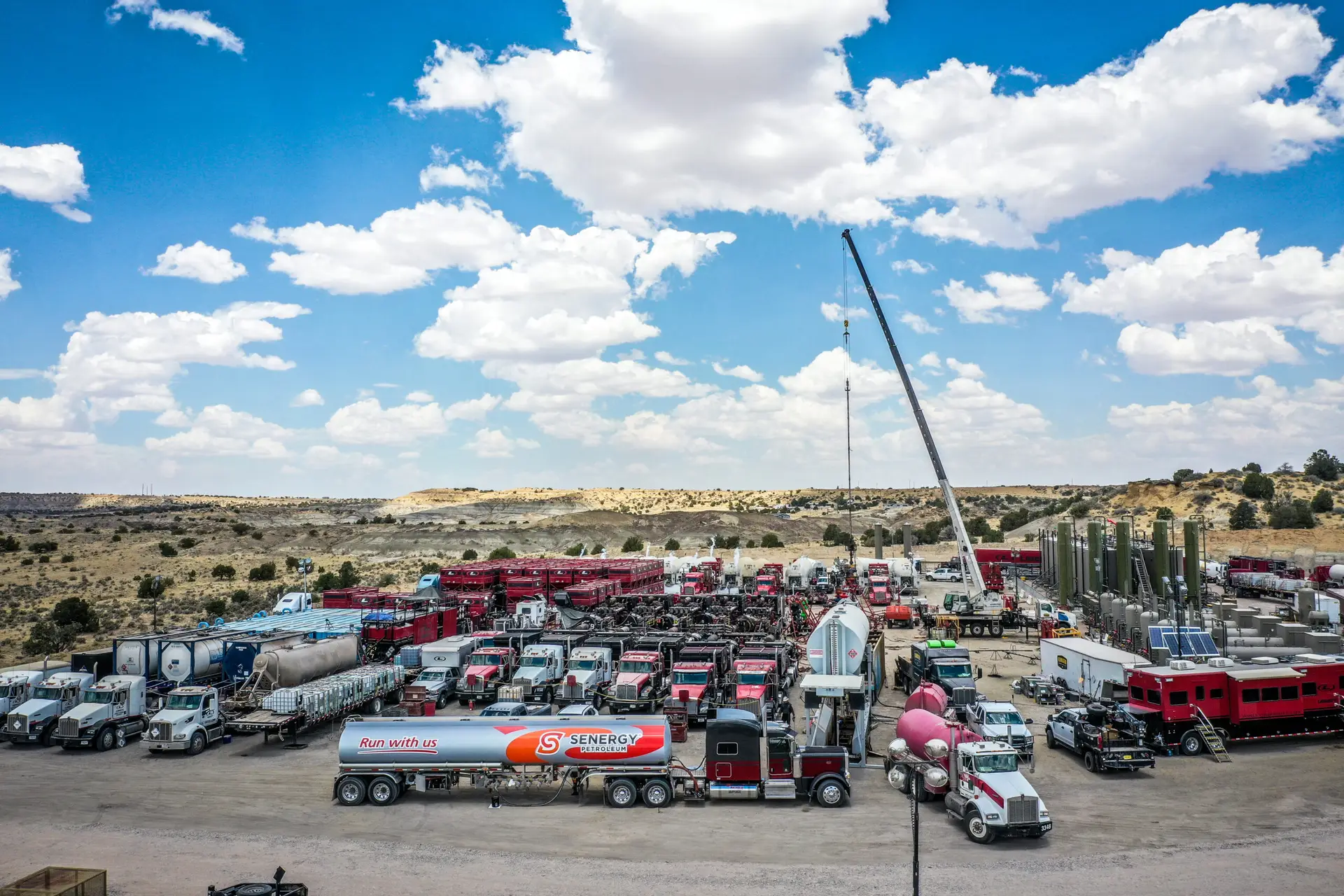
Scaling Fuel Infrastructure as Your Business Expands
As businesses expand, their energy demands increase. Fuel is no longer simply an operational expense—it has become a strategic asset, whether powering fleets, machinery, or backup generators. Meeting these evolving needs requires fuel solutions that are both scalable and adaptable to business growth. Companies that fail to anticipate rising fuel demands may face operational disruptions, higher costs, and inefficiencies.
Fuel infrastructure must be designed with expansion in mind. Businesses that begin with smaller storage facilities often encounter limitations during peak demand periods. A forward-thinking strategy ensures a system capable of scaling to higher volumes without requiring a complete overhaul.
Industry trends further highlight a growing need for expanded fuel storage capacity to support transportation and industrial operations. Developing infrastructure that can efficiently accommodate growth while maintaining safety and compliance is essential.
Scalable fuel solutions also support cost optimization. Bulk purchasing becomes feasible with adequate storage, allowing businesses to hedge against fluctuating fuel prices. Ultimately, a scalable approach delivers operational stability, effective cost management, and long-term reliability—critical components for businesses on the rise.
Strategic Fuel Planning for Scalable Infrastructure
Expanding fuel infrastructure requires a thorough analysis of consumption trends. Effective planning for bulk fuel growth depends on a clear understanding of current usage. Without accurate data, businesses risk underbuilding or overinvesting in infrastructure.
Fuel consumption varies based on operational cycles, seasonal demand, and industry-specific factors. For example, logistics companies experience fluctuations in deliveries, while construction companies encounter spikes during project peaks. Analyzing historical data helps identify patterns and anticipate future needs.
Experts recommend evaluating fuel turnover rates, delivery frequency, and storage utilization. These insights inform optimal tank sizing and system configuration. Additionally, modeling growth scenarios—such as fleet expansion or new facilities—ensures infrastructure aligns with long-term objectives.
Contingency planning is also essential. Businesses must account for emergencies, supply disruptions, and unexpected demand surges. Proactive fuel planning and logistics coordination maintain reliability in high-demand environments.
By combining data analysis with strategic forecasting, companies can develop a roadmap that supports scalable growth while minimizing risk and inefficiency.
Choosing Scalable Fuel Infrastructure for Growing Operations
Selecting the right fuel infrastructure is a critical step in scaling operations. Scalable fuel solutions are designed to support incremental growth, allowing businesses to expand without significant disruption. These solutions often include modular tank systems, portable storage units, and integrated fuel management technologies.
Above-ground tanks are preferred for their ease of installation and maintenance, while underground tanks are suitable for locations with limited space. Portable fuel systems provide flexibility for operations across multiple sites. Each option addresses specific scalability needs and should be chosen based on operational requirements.
Modern fuel systems also feature advanced monitoring technologies. Sensors and automated systems track fuel levels, detect leaks, and monitor usage. These innovations enhance efficiency, reduce the risk of loss, and are essential components of a scalable fuel infrastructure.
Strategic Fuel Tank Expansion for Reliable Operations
Fuel tank expansion is a critical stage in business growth and must be approached strategically to avoid inefficiencies and compliance issues. Increasing storage is not simply a matter of enlarging tanks; it requires careful planning of layout, accessibility, and integration with existing systems.
Space availability is a key consideration. Adequate clearance around tanks ensures safe operation, maintenance, and emergency access. Business plans should account for future expansion, allowing for the addition of extra tanks or equipment when needed.
Capacity planning is equally important. Tank size should align with expected demand, delivery schedules, and fuel turnover rates. Overestimating capacity can lead to unnecessary expenses, while underestimating can result in supply shortages.
Infrastructure compatibility is another essential factor. New tanks should integrate seamlessly with pumps, pipelines, and monitoring systems, enabling efficient fuel movement and minimizing operational disruptions.
Regulatory compliance is fundamental to strategic expansion. Businesses must obtain required licenses and ensure all installations meet industry safety standards.
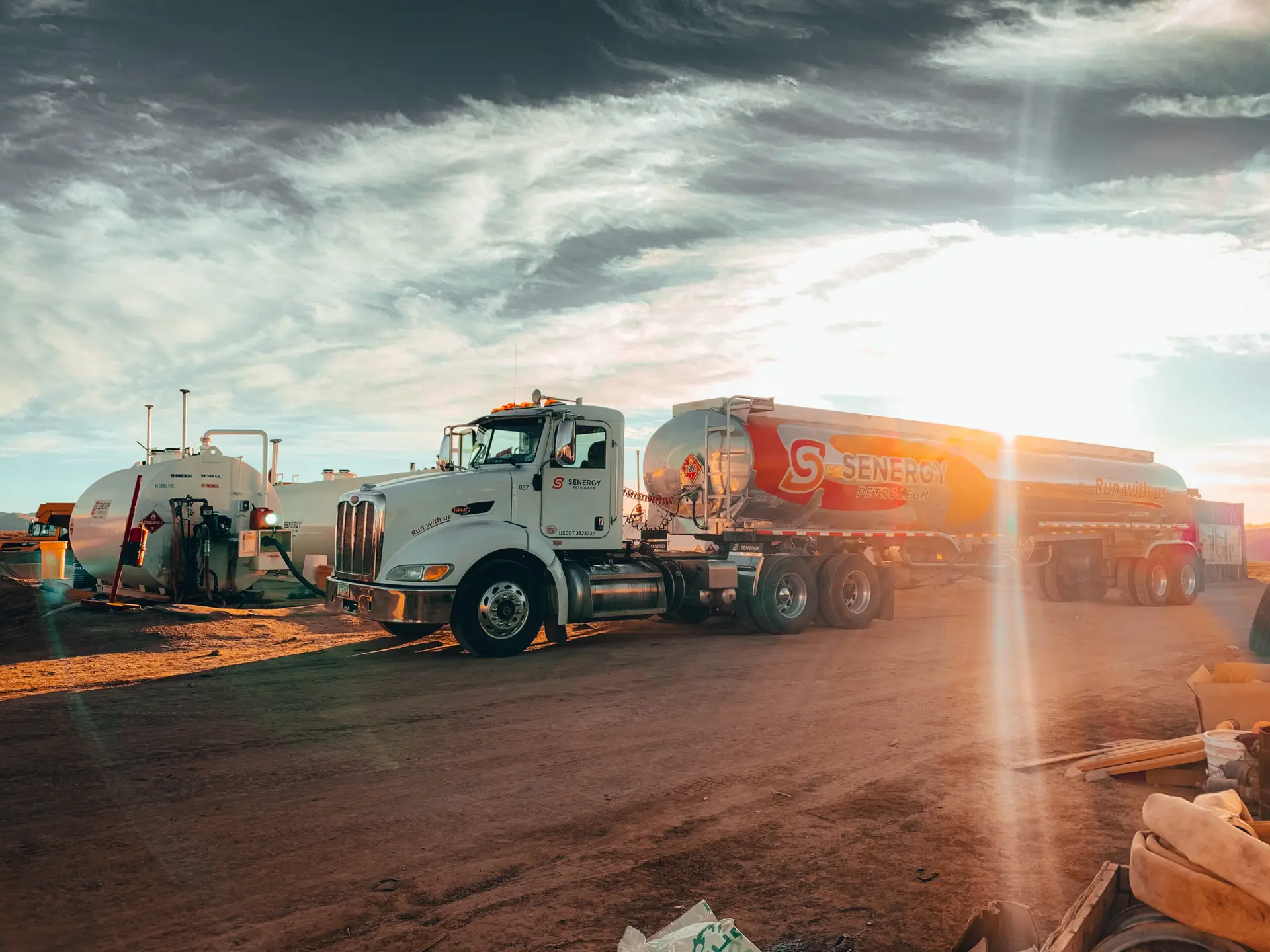
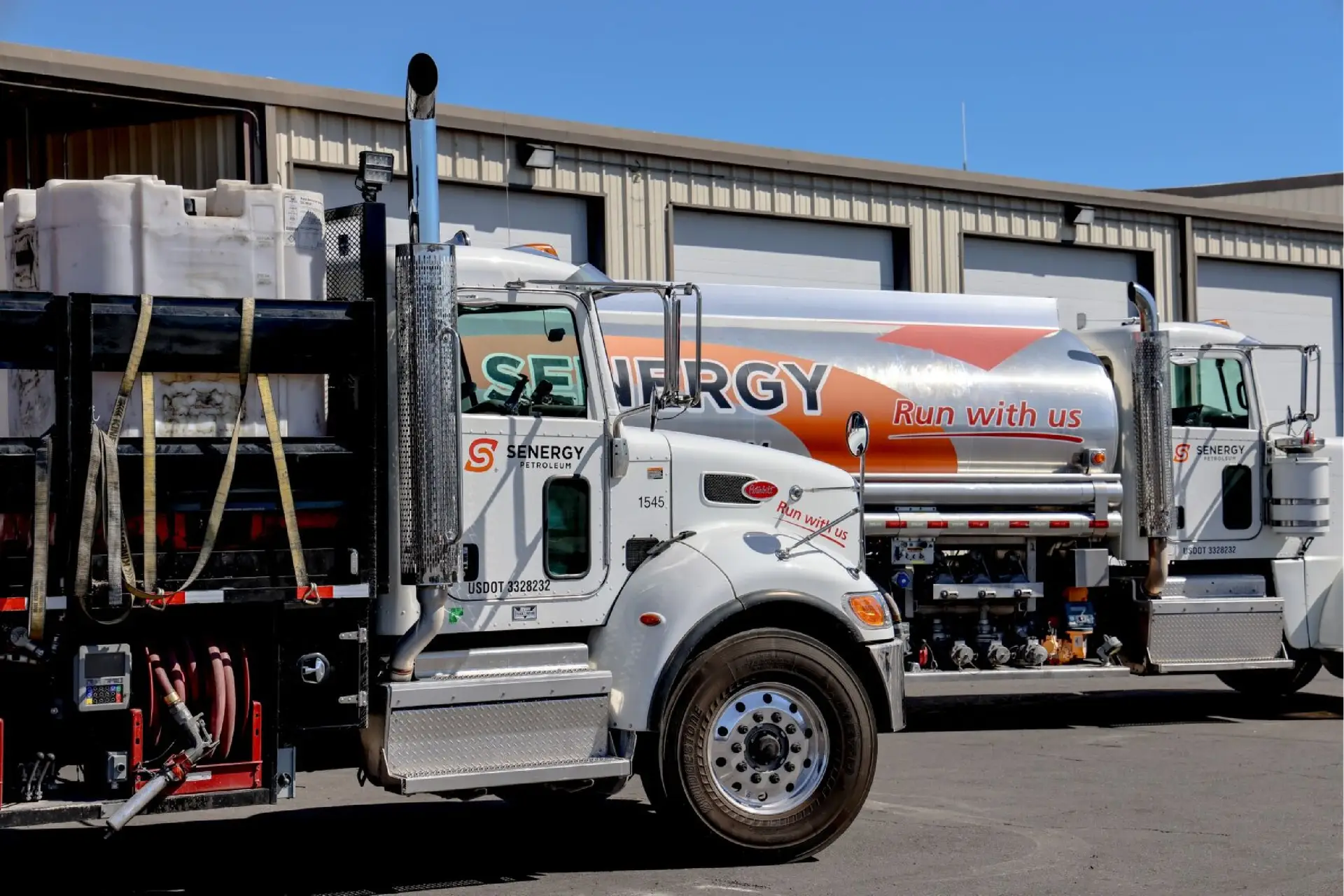
Maximizing Efficiency Through Strategic Bulk Fuel Planning
A strategic approach to bulk fuel growth is essential for businesses focused on operational efficiency and cost management. Bulk purchasing provides financial advantages by reducing per-unit fuel costs and hedging against price fluctuations. These benefits, however, require careful planning and a well-structured infrastructure.
An important aspect of bulk fuel planning is aligning storage capacity with procurement schedules. Businesses must ensure that storage facilities can accommodate bulk deliveries without compromising safety. This requires precise assessment of tank capacity, delivery timing, and consumption rates.
Logistics play a critical role in maintaining a reliable fuel supply. High-performance delivery systems minimize downtime and ensure consistent availability. Incorporating features such as remote fill capabilities and automated transfer systems can further streamline operations.
Strong supplier relationships are also key. Reliable suppliers help guarantee timely deliveries, competitive pricing, and backup support in the event of supply disruptions.
Additionally, fuel monitoring tools are essential for tracking usage and detecting irregularities. These systems help prevent losses and improve operational efficiency.
Leveraging Technology for Smarter Fuel Management
Technology is transforming how businesses manage fuel infrastructure. Advanced systems integrated into scalable fuel solutions improve efficiency, safety, and operational decision-making.
Modern fuel management systems provide real-time data on fuel levels, consumption patterns, and system performance. This information enables businesses to make informed decisions and optimize operations. Automated alerts help detect issues such as overfills or leaks promptly, reducing the risk of costly incidents.
Data analytics and artificial intelligence are increasingly incorporated into fuel management. Intelligent systems analyze historical data to forecast future demand, supporting more effective bulk fuel growth planning.
Automation further enhances efficiency by streamlining fuel transfers and minimizing manual intervention, saving time and reducing human error.
Remote monitoring is another significant advantage. Centralized hubs allow businesses to oversee multiple locations simultaneously, ensuring consistent operational performance and reliability across all sites.
Ensuring Reliable Fuel Infrastructure
Fuel infrastructure requires careful attention to safety and compliance. Proper use of overfill valves, spill prevention, and adequate ventilation reduces risks and protects personnel.
Regular maintenance and inspections extend the life of infrastructure and prevent costly issues. Monitoring systems provide real-time data to support safe operations.
Adhering to industry standards not only prevents penalties but also strengthens reliability and trust with customers and stakeholders. Implementing these safety measures ensures fuel infrastructure supports growth while minimizing operational risks.