
Reliable Fuel and Equipment Solutions for Construction in Warm-Weather Regions
Warm-weather regions can put added pressure on heavy equipment, fuel storage systems, and daily jobsite operations. High temperatures, humidity, long working hours, and demanding workloads can affect everything from diesel quality to engine cooling. For contractors working through hot conditions, keeping equipment fueled and maintained is an important part of staying on schedule.
Excavators, bulldozers, wheel loaders, skid steers, cranes, generators, compressors, and other machines depend on a steady supply of fuel. A shortage can stop work at the wrong time, while poorly stored fuel can introduce water, dirt, or other contaminants into the system. A reliable fueling plan helps contractors manage these risks while keeping crews productive.
Construction fuel delivery provides a practical way to keep diesel, gasoline, DEF, and other products available where they are needed. When delivery schedules, storage, equipment maintenance, and fuel monitoring are planned together, contractors can create a more dependable approach to operating through hot-weather conditions.
Overview
- Heat can increase stress on construction equipment and fuel systems.
- Construction fuel delivery helps maintain a reliable fuel supply.
- Jobsite fueling reduces refueling trips and equipment downtime.
- Proper storage, monitoring, DEF, lubricants, and coolant support equipment reliability.
- Bulk Fuel Delivery helps maintain fuel availability on larger projects.

Why Warm Weather Creates Extra Equipment Challenges
Heat affects more than the comfort of workers on a jobsite. Heavy equipment operating for hours under high ambient temperatures places additional demands on engines, cooling systems, hydraulic components, and lubricants. Radiators, coolant systems, air filters, and fluid levels need regular attention when machines are working hard throughout the day.
Long operating periods can also increase fuel consumption. An excavator or loader that normally operates for eight hours may consume considerably more fuel when workloads increase or additional equipment is added to a project. Without proper planning, a site can quickly move from having enough fuel to facing an unexpected shortage.
Humidity creates another consideration. Temperature and humidity can contribute to condensation inside diesel storage systems, while warmer ambient temperatures can speed up the natural deterioration of diesel fuel. Water and other contaminants can affect modern fuel-system components and contribute to performance problems.
For contractors, this means fuel planning should account for both quantity and condition. Keeping tanks properly maintained and arranging deliveries before inventory becomes critically low can help reduce avoidable interruptions during periods of heavy equipment use.
Keeping Diesel Fuel Reliable in Hot Conditions
Fuel storage becomes particularly important when diesel remains on site for extended periods. Above-ground tanks, portable fuel tanks, skid tanks, and other temporary storage systems can provide convenient access, but they still require proper care. Tank capacity should be based on equipment demand, delivery frequency, project duration, and available site space.
Heat and humidity can affect stored diesel, while damaged caps, seals, vents, hoses, or fittings can create opportunities for contamination. Regular inspection of fuel-transfer equipment and worn components can help protect fuel quality and reduce the risk of equipment problems.
For larger projects, Bulk fuel delivery can help maintain an adequate fuel supply when several machines are operating for long hours. A planned delivery schedule reduces the chance of running critically low while giving site managers better control over fuel inventory.
Tank monitoring can make fuel management easier. Remote monitoring systems can provide information about inventory levels and help managers schedule replenishment before a shortage occurs. This becomes valuable when equipment is spread across a large site or when the project operates far from commercial fuel stations.
Fuel should also be protected from water, dirt, sediment, and other contaminants. Regular inspections of filters, pumps, hoses, nozzles, and tank connections can help identify problems before contaminated fuel reaches expensive equipment.
On-Site Fueling for Heavy Equipment
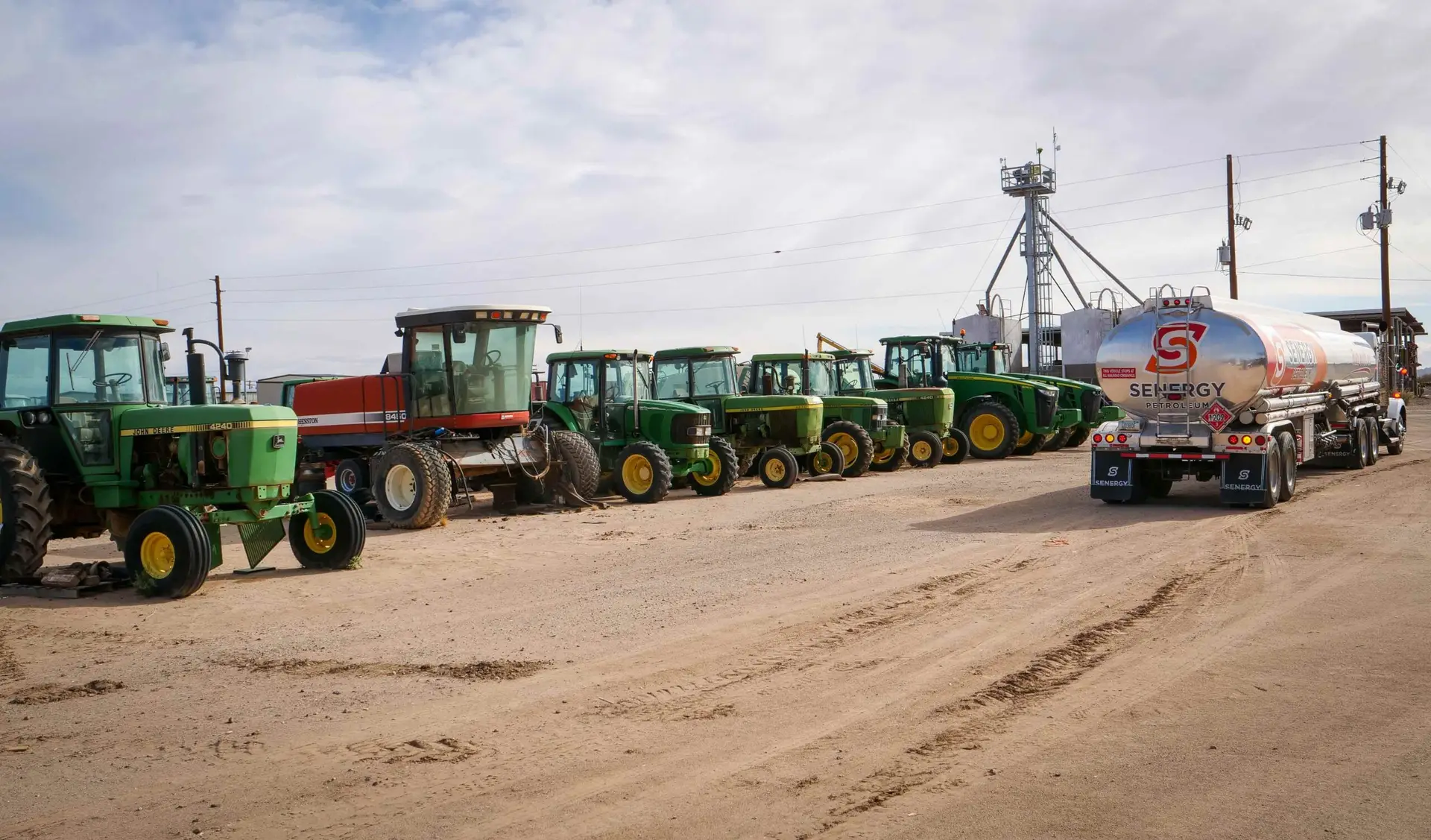
Sending operators away from a worksite to refuel equipment can waste productive hours. This is especially true for large machines that are difficult to move or for projects located far from retail fuel stations. Direct delivery provides an alternative by bringing fuel to equipment rather than requiring equipment to travel to the fuel.
Jobsite fueling can be scheduled around the site’s operating hours. Suppliers may fuel machines before crews arrive, during planned breaks, overnight, or during shift changes. This approach can keep excavators, loaders, generators, light towers, compressors, and other equipment ready for the next work period.
The benefit becomes more noticeable when multiple machines are operating simultaneously. Instead of having several operators make separate trips for fuel, one scheduled service can handle multiple pieces of equipment.
For larger operations, Bulk fuel delivery can work alongside direct equipment fueling and on-site storage. This combination gives contractors a way to maintain fuel availability while reducing the number of separate refueling trips required during the project.
A reliable delivery schedule should also allow for changing fuel demand. As a project moves from excavation to grading, paving, building, or another phase, the number of machines and their operating hours may change. Fuel requirements should be reviewed as the project develops rather than treated as a fixed number.
Supporting Equipment With DEF, Lubricants, and Coolant
Keeping equipment productive requires more than maintaining a diesel supply. Heavy machinery depends on engine oil, hydraulic fluid, gear oil, grease, coolant, and other maintenance products to operate correctly. Hot conditions and extended operating hours make routine fluid checks even more important.
Coolant and cooling-system maintenance deserve particular attention during warm weather. Low coolant levels, blocked radiators, damaged hoses, or poor airflow can contribute to overheating. Checking these components as part of regular maintenance can help identify issues before they cause an unexpected shutdown.
Modern diesel equipment may also require Diesel Exhaust Fluid (DEF). DEF should be stored and handled according to equipment and supplier requirements and kept separate from diesel fuel. Running low on DEF can create operational problems for equipment that relies on selective catalytic reduction systems.
Some U.S. fuel suppliers combine diesel delivery with DEF, lubricants, hydraulic fluids, engine oils, and other products. This approach can simplify purchasing and help contractors maintain the supplies needed for demanding equipment.
Managing Fuel Storage and Delivery During Long Projects
A warm-weather fueling plan should consider how much fuel equipment consumes each day and how quickly the storage supply can be replenished. A project with several excavators and loaders may need more frequent deliveries than a smaller site using only a few machines and generators.
Temporary tanks can provide additional capacity when a permanent fuel station is not available. Fuel cubes, skid tanks, and larger storage tanks can be selected according to site requirements. The appropriate option depends on fuel demand, available space, project duration, and delivery frequency.
Monitoring can further simplify the process. Instead of manually checking tanks throughout the day, remote systems can provide fuel-level information and support more accurate delivery planning. This can be particularly useful for remote jobsites where a shortage could leave equipment idle until the next delivery arrives.
A scheduled Bulk fuel delivery program can also help maintain adequate inventory throughout a long project. When delivery timing is based on actual equipment consumption and storage capacity, contractors can reduce the risk of unexpected shortages.
Safety should remain part of every fueling plan. Fuel deliveries involve flammable products, vehicles, hoses, pumps, and dispensing equipment. Delivery areas should be managed according to applicable safety procedures, site rules, and local requirements. Clear communication between fuel suppliers and site personnel helps keep deliveries organized.
Choosing a Reliable Fuel Partner for Warm-Weather Operations
Choosing a fuel supplier should involve more than comparing the price per gallon. Contractors should consider delivery reliability, response times, service coverage, storage options, fuel quality, monitoring capabilities, and the supplier’s ability to handle changing project requirements.
For warm-weather projects, the supplier should be able to support both routine and unexpected needs. Scheduled deliveries can maintain normal inventory, while emergency service can help when equipment demand suddenly increases or a planned delivery is disrupted. Some providers offer evening, weekend, and emergency services to fit different operating schedules.
Contractors can also look for suppliers that combine Construction fuel delivery with direct equipment fueling, bulk storage, DEF, lubricants, tank monitoring, and fuel reporting. Having these services coordinated through one provider may make inventory management easier and reduce the number of suppliers a contractor needs to manage.
Ultimately, the right solution depends on the equipment fleet, project location, storage capacity, operating schedule, and expected fuel consumption. A dependable supplier should be able to build a fueling plan around those factors instead of offering a one-size-fits-all approach.
In warm-weather regions, reliable fuel management is closely connected to equipment reliability. Proper storage, regular inspections, timely deliveries, suitable fluids, and direct fueling can help contractors keep machines ready for work even when temperatures rise. With the right plan in place, crews can spend less time dealing with fuel-related interruptions and more time moving the project forward.
