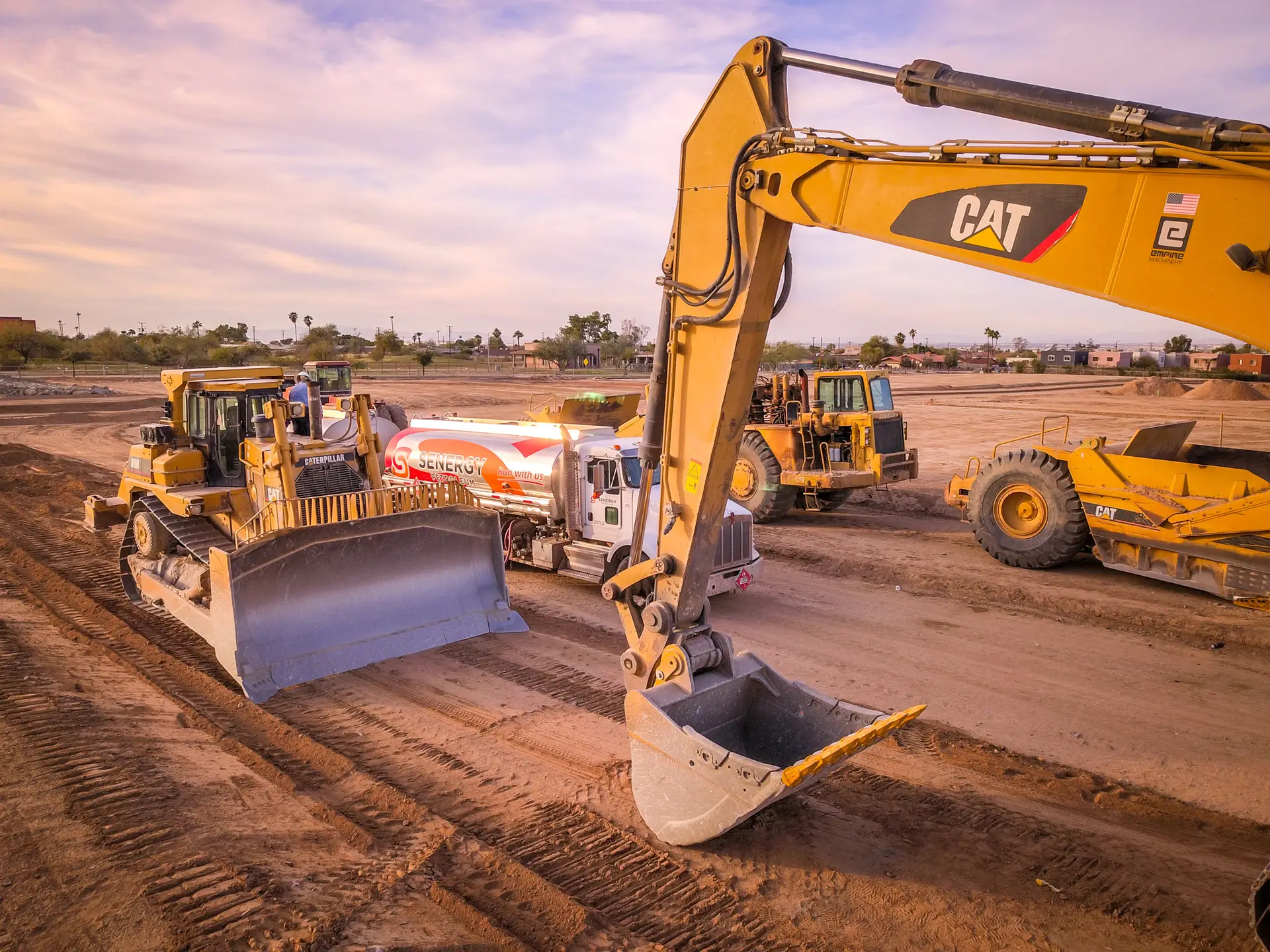
Reducing Idle Time in Constructions Fleets
One of the most costly hidden expenses in construction fleet operations is idle time. Trucks, loaders, excavators, and service vehicles are often left running while waiting for routing approvals, site access, or fueling. Over time, this idle time reduces productivity, increases fuel consumption, and accelerates equipment wear.
Modern construction fleet fueling strategies focus on smarter fuel access design to reduce idle time while improving accountability, route efficiency, and equipment movement. With centralized fueling, cardlock access, and real-time usage visibility, fleets can transform fueling from a productivity bottleneck into a performance advantage.
Why Retail Fueling Slows Down Commercial Fleet Operations
Retail fuel stations are designed for consumer vehicles, not commercial production fleets. Large trucks, carrier vehicles, and heavy equipment often face limited lane space, slower pump speeds, and frequent congestion. As a result, drivers experience long wait times while navigating tight layouts, waiting in line, or searching for stations that can accommodate larger vehicles.
Retail fueling also introduces unpredictable delays. Limited diesel pump availability, peak-hour congestion, and slow transaction processing contribute to extended fueling times. These delays disrupt route schedules and reduce productive time at the jobsite.
Inefficient routing is another challenge. When drivers must detour to find suitable retail fueling locations, they lose valuable time and consume additional fuel. These diversionary routes reduce overall fleet efficiency while increasing total miles traveled and operating costs. Over time, these inefficiencies compound and impact overall fleet performance.
Traditional fueling methods also limit visibility. Without centralized tracking, managers lack insight into fueling delays, recurring bottlenecks, and locations that consistently slow down operations. This lack of data makes it difficult to optimize routes and improve fueling strategies.
The Benefits of Centralized Fueling for Commercial Fleet Operations
Production fleet fueling is shifting away from retail dependence toward fleet-optimized fueling access points. These fueling locations are designed specifically for commercial vehicles and heavy equipment, with wide lanes, high-flow pumps, and layouts that support fast entry and exit. This approach significantly reduces unproductive time spent waiting in line or navigating congested retail stations.
Standardized fueling locations also allow fleet managers to build routes around reliable, predictable access points. Drivers no longer waste time searching for suitable stations or waiting behind consumer traffic. This predictability improves route planning, keeps crews on schedule, and maximizes productive hours at the jobsite.
Centralized fueling supports better coordination across multiple projects. Fleets can align fueling schedules with shift changes, equipment staging, and material deliveries, reducing redundancy, traffic congestion, and unnecessary idle time.
From a control perspective, centralized fleet fueling provides clear data on fuel usage patterns. This visibility helps identify inefficiencies, improve scheduling, and ensure fuel performance targets are met. Over time, centralized fueling strategies lead to improved uptime, fewer delays, and stronger day-to-day operational performance.
How Cardlock Access Reduces Idle Time
One of the most effective tools for reducing idle time in commercial fleet operations is Cardlock access. Cardlock sites provide 24/7 unattended fueling at locations designed specifically for commercial and heavy-duty vehicles. This eliminates reliance on retail station hours, on-site staff availability, and consumer traffic congestion.
With Cardlock access, drivers can fuel quickly using high-flow pumps built to support large tanks. Faster fueling times significantly reduce idle time and allow vehicles to return to productive work sooner. Wide lanes and truck-friendly layouts further reduce delays caused by tight maneuvering or crowded forecourts.
Cardlock fueling also increases scheduling flexibility. Overnight shifts, early-morning crews, and remote jobsite operations benefit from always-available fueling, ensuring vehicles and equipment are ready when crews are scheduled to work.
Standardized Cardlock access also improves fleet control. By directing drivers to approved fueling locations, fleet managers can reduce off-route fueling, minimize detours, and improve overall route performance. The result is lower idle time, stronger scheduling discipline, and better day-to-day fleet management.
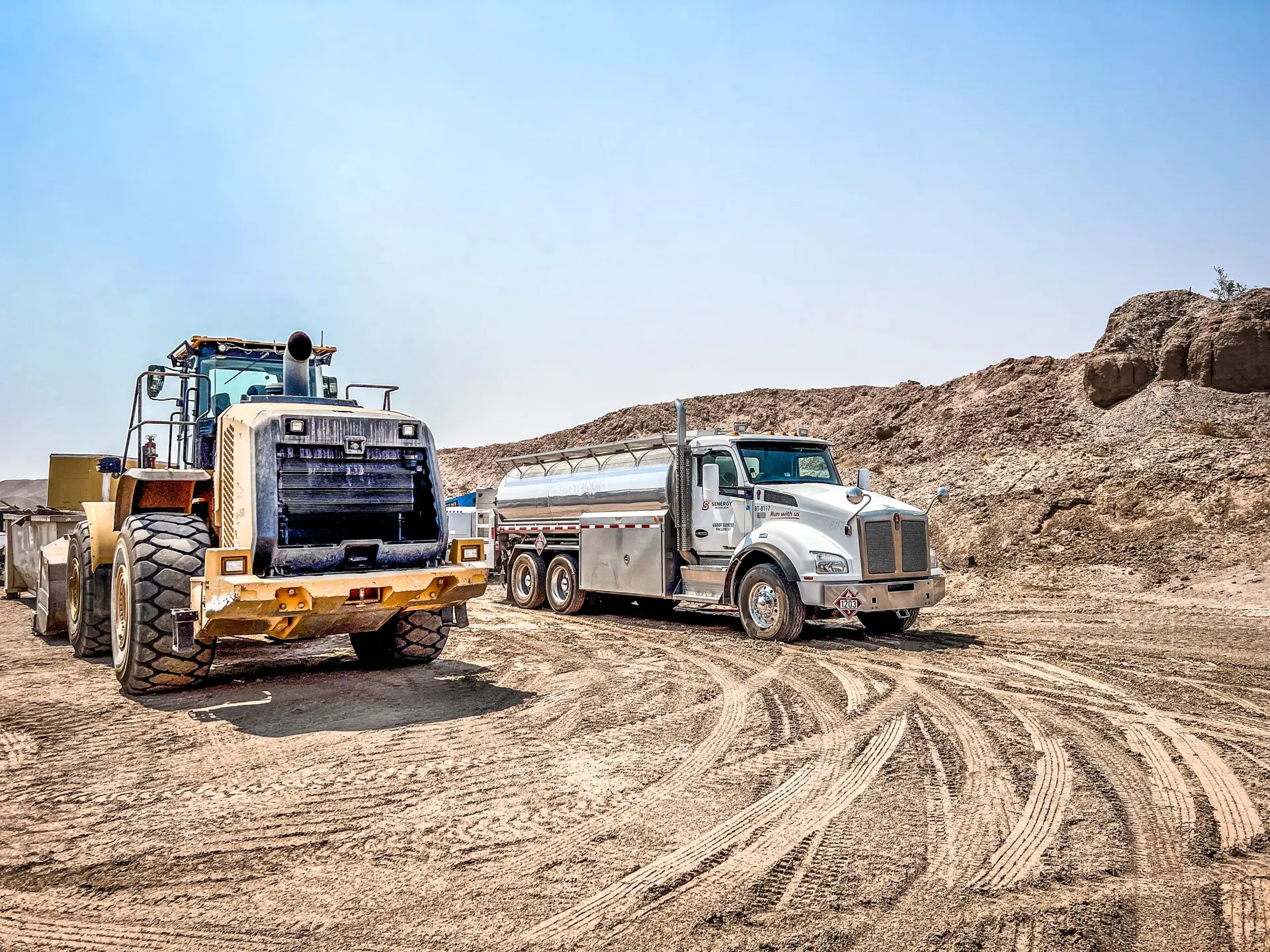
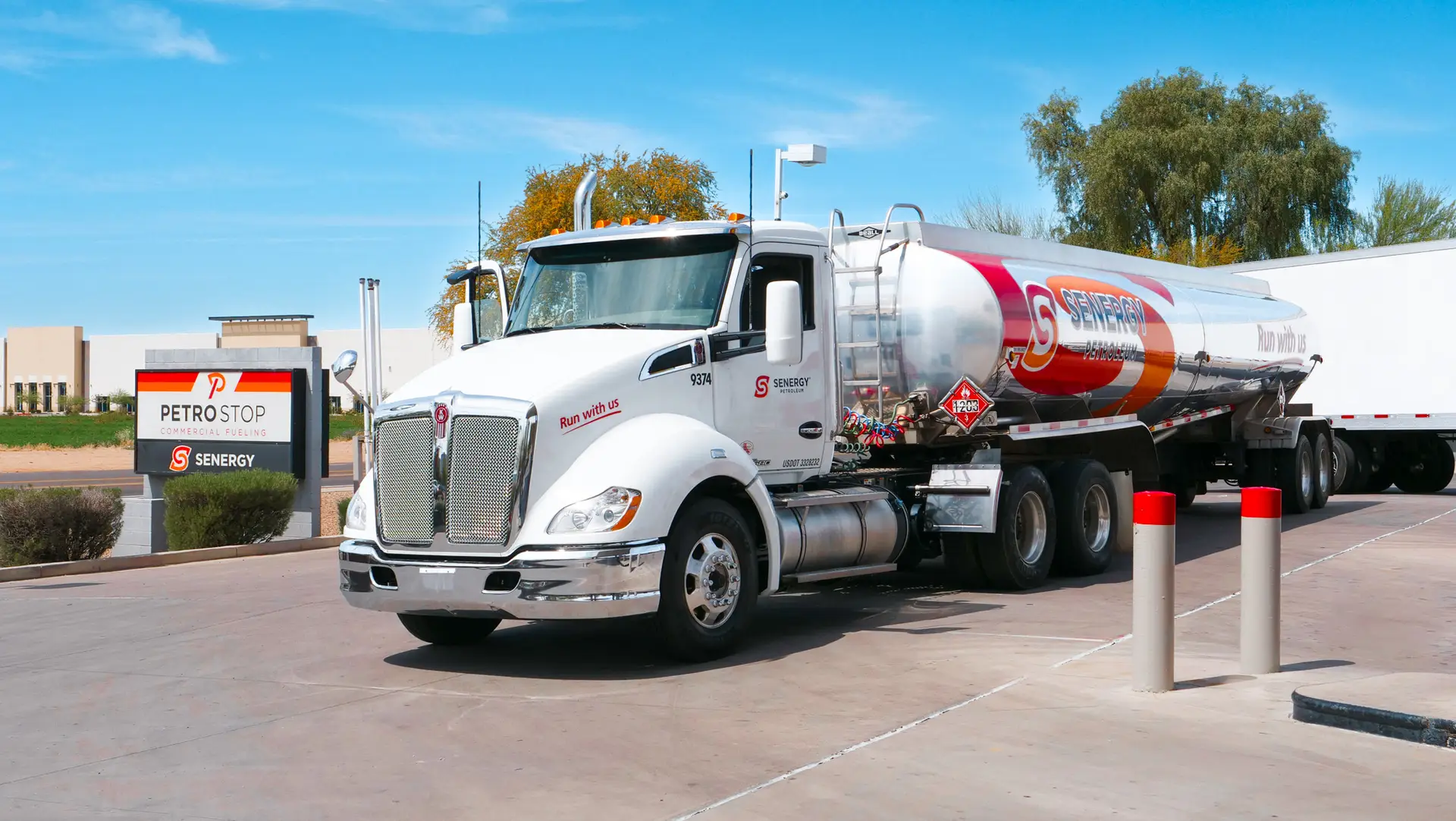
Centralized Fueling: A Smarter Approach for Commercial Fleet Efficiency
Production fleet fueling is shifting away from retail dependency toward fleet-optimized fueling access points. These fueling locations are designed to accommodate commercial vehicles and heavy equipment, with wide lanes, high-flow pumps, and layouts that support fast entry and exit. This approach minimizes unproductive time spent waiting in line or navigating congested retail stations.
Standardized fueling locations also allow fleet managers to build routes around familiar and reliable fueling points. Drivers no longer waste time searching for suitable stations or waiting behind consumer traffic. This predictability improves route planning, keeps crews on schedule, and maximizes productive hours at the jobsite.
Centralized fueling also improves coordination across multiple projects. Fleets can align fueling with shift schedules, equipment staging, and material deliveries, reducing redundancy, traffic congestion, and unnecessary idle time.
From a control standpoint, centralized fleet fueling provides clear data on fuel usage patterns. This visibility helps identify inefficiencies, improve scheduling, and ensure fuel performance targets are met. Over time, centralized fueling strategies lead to improved uptime, fewer delays, and stronger day-to-day fleet operations.
Introduction of Cardlock Access in Commercial Fleet Operations
One of the most effective tools for reducing idle time in commercial fleet operations is Cardlock access. Cardlock sites provide 24/7 unattended fueling at locations designed specifically for commercial and heavy-duty vehicles. This eliminates reliance on retail station hours, on-site staff availability, and consumer traffic congestion.
With Cardlock access, drivers can fuel quickly using high-flow pumps built to support large tanks. Faster fueling significantly reduces idle time and allows vehicles and equipment to return to productive work sooner. Wide lanes and truck-friendly layouts further reduce delays caused by tight maneuvering or crowded retail forecourts.
Cardlock access also improves scheduling flexibility. Overnight shifts, early-morning crews, and remote jobsite operations benefit from always-available fueling. This ensures vehicles and equipment are ready when crews are scheduled to work, without waiting for limited fueling windows.
Getting Jobsites to Flow with Smarter Fuel Access Planning
Construction jobsites rely on precise coordination between equipment, crews, and material deliveries. Fueling delays can disrupt this workflow and reduce productivity. Smarter fuel access planning ensures fueling aligns with jobsite schedules rather than interrupting them. Fleet managers can integrate fueling into daily operations, reducing unnecessary equipment startups and shutdowns.
Equipment can be fueled during natural downtime, shift changes, or off-peak hours when Cardlock access is available. This approach reduces idle time during peak work periods and keeps operations running efficiently.
Smarter fueling planning also benefits multi-site operations. When fleets operate across multiple job locations, standardized fueling processes reduce confusion and improve consistency. Drivers know where to fuel, when to fuel, and how to stay on route, supporting stronger scheduling and operational performance.
Fleet Fueling Performance Gains
Minimizing idle time through smarter fleet fueling delivers long-term operational and financial benefits. Fleets experience reduced fuel waste, improved performance, and lower maintenance costs as equipment spends more time working and less time idling. Predictable fueling access also improves cost control by reducing detours, speeding up fueling, and enforcing consistent fueling policies, which supports more accurate budgeting.
Reduced idle time increases crew productivity, allowing more work to be completed without extending labor hours. In competitive markets, these performance gains provide a measurable operational advantage and support stronger overall profitability.