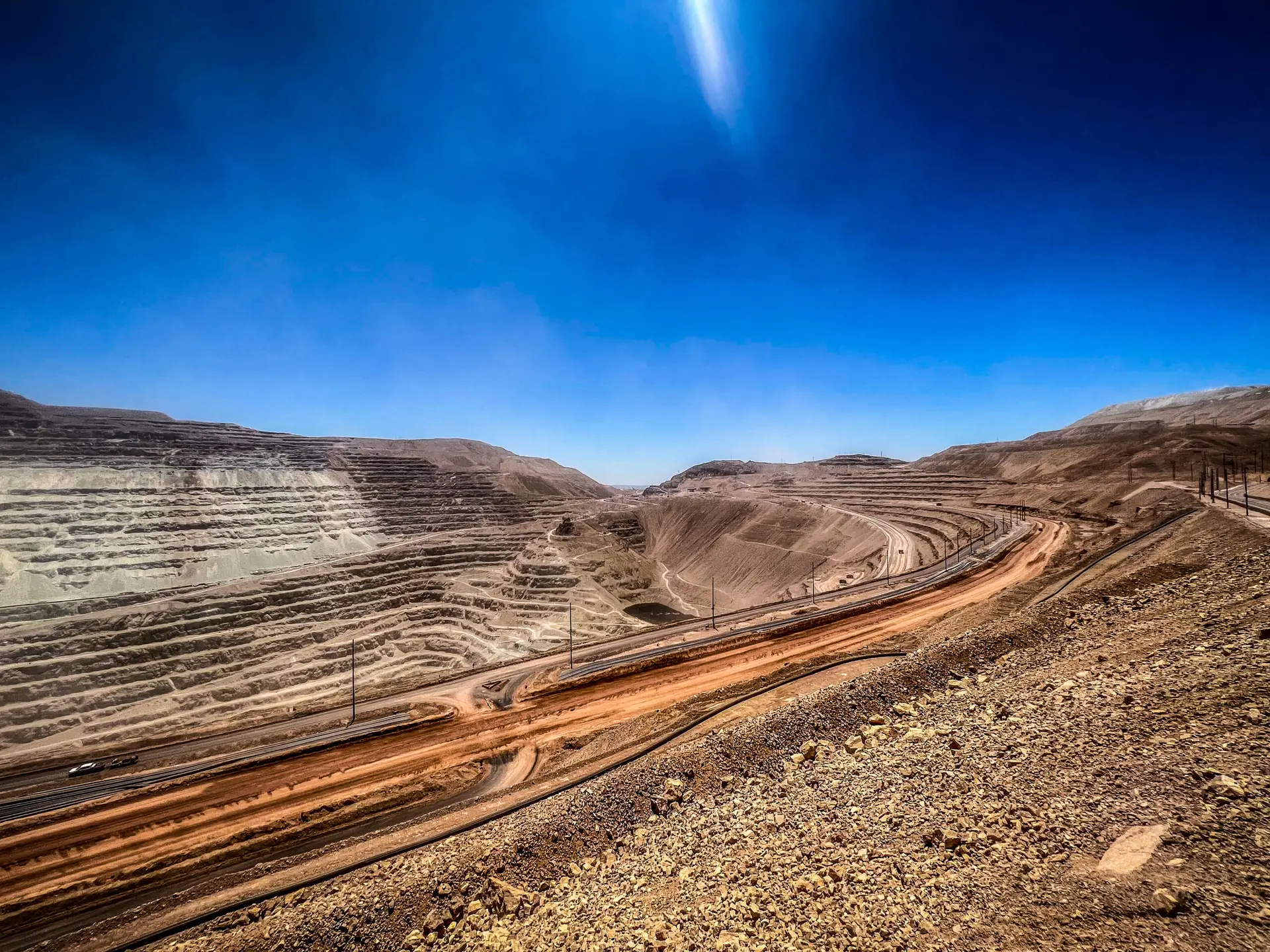
Reducing Equipment Wear in Mining Environments
Mining is one of the most demanding industries, where equipment wear is both inevitable and manageable through proper maintenance and operational practices. Heavy-duty machinery such as haul trucks, crushers, and excavators operates continuously under high loads and abrasive working conditions, which accelerates mechanical degradation. These conditions increase friction, contamination risks, and overall equipment strain, particularly when lubrication and maintenance practices are not properly controlled. Research shows that particulate exposure and temperature variability significantly contribute to lubricant breakdown and accelerated internal component wear.
One of the primary drivers of equipment wear is abrasive material contamination. Fine particulate matter, including silica-based material, can act as a grinding agent within bearings and other critical components, leading to rapid surface erosion. Over time, continuous vibration and shock loading further compromise structural integrity. Without consistent maintenance practices, minor wear issues can quickly escalate into major mechanical failures.
Understanding the root causes of wear allows mining operations to implement more proactive maintenance strategies. The key contributors include mechanical stress, corrosion, and contamination. Each requires targeted mitigation approaches such as improved sealing systems, enhanced filtration, and structured inspection routines. Addressing these factors supports reduced downtime, extended equipment life, and improved operational efficiency.
Mining Equipment Maintenance and Longevity
The efficiency of mining operations and the longevity of critical assets depend heavily on a structured equipment maintenance strategy. Even the most advanced machinery will experience premature failure without a disciplined maintenance program in place. Preventive maintenance focuses on routine inspections, scheduled servicing, and the replacement of components before failure occurs, helping to reduce unplanned downtime and control operating costs.
Condition-based monitoring has become one of the most effective maintenance approaches in mining operations. Through the use of sensors and inspection technologies, wear indicators can be tracked in real time, allowing maintenance teams to address issues before significant damage develops. Regular monitoring of components such as bearings, gears, and hydraulic systems has been shown to significantly extend equipment service life.
Maintenance planning also plays a critical role in coordinating lubrication schedules, component replacement, and equipment calibration. Poor maintenance practices can lead to overheating, excessive vibration, and increased friction, all of which accelerate equipment wear. In mining environments, inadequate lubrication and inconsistent maintenance remain leading contributors to equipment failure.
Workforce training is equally important in maintaining equipment reliability. Skilled operators are often the first to identify early warning signs such as unusual noise, vibration, or performance changes. When combined with modern monitoring technologies, operator expertise supports a more comprehensive and effective maintenance system.
Lubrication for Extending Mining Equipment Life
Lubrication of heavy equipment plays a critical role in minimizing wear and ensuring smooth, efficient operation. Lubricants create a protective film between moving components, reducing direct metal-to-metal contact and limiting friction-related damage. Without proper lubrication, equipment components are more susceptible to overheating, deformation, and premature failure.
In mining operations, lubrication becomes even more critical due to harsh working conditions. Dust, water, and other contaminants can quickly degrade lubricant quality and reduce its effectiveness. Industry findings indicate that a significant portion of mechanical failures—up to 60% in many cases—can be linked to inadequate lubrication practices, highlighting its importance in preventing equipment wear.
Effective lubrication requires selecting the correct oil or grease for each specific application. High-load components such as bearings require extreme-pressure lubricants designed to withstand heavy stress. Equally important is maintaining proper lubrication intervals, as both over-lubrication and under-lubrication can lead to performance issues such as heat buildup or increased friction.
Modern automated lubrication systems help improve consistency and reduce the risk of human error. These systems deliver precise amounts of lubricant at scheduled intervals, improving efficiency while minimizing contamination risks.
Ultimately, lubrication is not simply a routine maintenance task but a critical operational strategy. When properly managed, it enhances equipment performance, reduces downtime, and significantly extends the service life of mining assets.
Contamination Control Strategies
Contamination is one of the most significant threats to mining equipment performance and reliability. Machinery operating in mining environments is routinely exposed to dust, water, and chemical residues, all of which can accelerate wear and degrade system efficiency. Effective contamination control is therefore a critical component of any mining equipment maintenance strategy.
Dust exposure is particularly problematic in mining operations. Fine particulate matter can enter lubrication systems and act as an abrasive agent, contributing to internal component wear and reducing equipment lifespan. Moisture intrusion further compounds the issue by promoting corrosion and breaking down lubricant properties. When combined, these contaminants can significantly shorten equipment service life.
To mitigate these risks, mining operations rely on robust sealing and filtration systems. High-quality seals are essential for preventing the ingress of dust and water, while advanced filtration systems help remove contaminants from lubricants before they circulate through critical components. Regular inspection and timely replacement of these protective elements are necessary to maintain system integrity.
Environmental temperature extremes also present operational challenges. Cold conditions can increase lubricant viscosity, restricting flow and reducing protection, while excessive heat can thin lubricants and diminish their effectiveness. Selecting temperature-stable lubricants is essential to maintain consistent equipment performance across varying conditions.
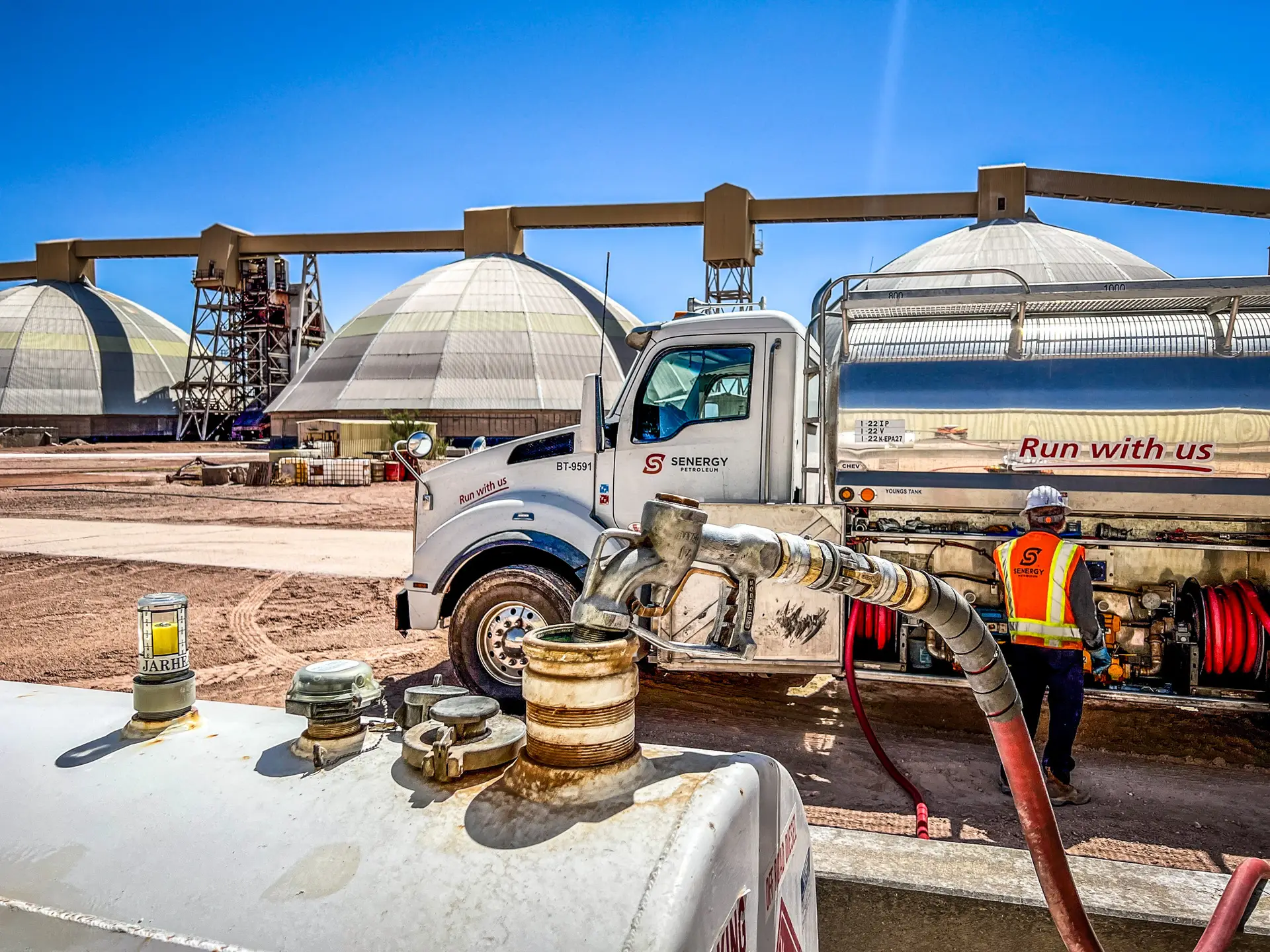
Proper storage and handling practices further reduce contamination risks. Maintaining clean storage containers, controlled environments, and accurate labeling helps preserve lubricant quality and ensures reliability in application.
New Technologies in Wear Reduction
Mining companies are increasingly adopting advanced technologies to improve wear management strategies and enhance equipment reliability. Modern tools and systems now enable more precise monitoring, improved maintenance planning, and optimized equipment performance across mining operations.
One of the most significant advancements is predictive maintenance technology. Through the use of sensors and data analytics, equipment health can be monitored in real time. These systems detect early warning signs such as vibration changes, temperature fluctuations, and abnormal wear patterns, allowing maintenance teams to intervene before failures occur.
Automatic lubrication systems represent another key innovation. These systems deliver controlled amounts of lubricant directly to critical components, ensuring consistent application and reducing the risk of human error. They also improve reliability by maintaining proper lubrication in components that are difficult to access manually.
Advances in material science are also contributing to improved equipment durability. High-performance composite materials, advanced coatings, and engineered lubricants offer enhanced resistance to wear and corrosion. These innovations reduce degradation rates and help minimize maintenance frequency.
Digital twin technology is also emerging as a valuable tool in wear management. By creating virtual models of equipment, operators can simulate operating conditions, analyze wear patterns, and optimize maintenance strategies based on predictive insights.
Best Practices for Reducing Wear
Improving equipment performance and reducing wear in mining operations requires the implementation of consistent, structured best practices. These practices combine disciplined maintenance, proper lubrication management, and data-driven operational planning.
The first step is establishing a comprehensive maintenance schedule. Routine inspections, timely servicing, and proactive component replacement help prevent minor issues from escalating into major equipment failures. Equally important is prioritizing proper lubrication practices by using the correct products and maintaining appropriate application intervals.
Investment in operator and maintenance team training is also essential. Skilled personnel are better equipped to identify early indicators of wear and address potential issues before they impact equipment performance. In addition, the use of wear-resistant solutions such as protective coatings, liners, and engineered materials can significantly improve equipment durability in harsh mining environments.
Contamination control measures play a critical role in protecting equipment integrity. Proper sealing, filtration, and storage practices reduce exposure to dust and moisture, helping to prevent premature wear and system degradation. The integration of predictive maintenance technologies further enhances performance by enabling continuous monitoring of equipment health and optimizing maintenance scheduling.
Finally, maintaining detailed records of equipment performance and maintenance activity supports long-term operational improvement. This data-driven approach allows mining operations to identify trends, refine maintenance strategies, and improve overall decision-making.
Reduction of Mining Operations
The future of wear reduction in mining operations will be driven by innovation, data-driven maintenance strategies, and continued advancements in equipment technology. As mining environments become more complex, organizations must adopt more efficient and proactive solutions to remain competitive.
Emerging technologies such as artificial intelligence and automation will play a growing role in maintenance planning. AI-driven systems can analyze operational data to predict wear patterns and recommend optimized maintenance schedules, helping reduce downtime and improve efficiency.
Advancements in wear-resistant materials and protective coatings will further extend equipment life by improving resistance to abrasion, corrosion, and impact. In parallel, collaboration between manufacturers, operators, and technology providers will continue to drive improvements in equipment reliability and maintenance practices.