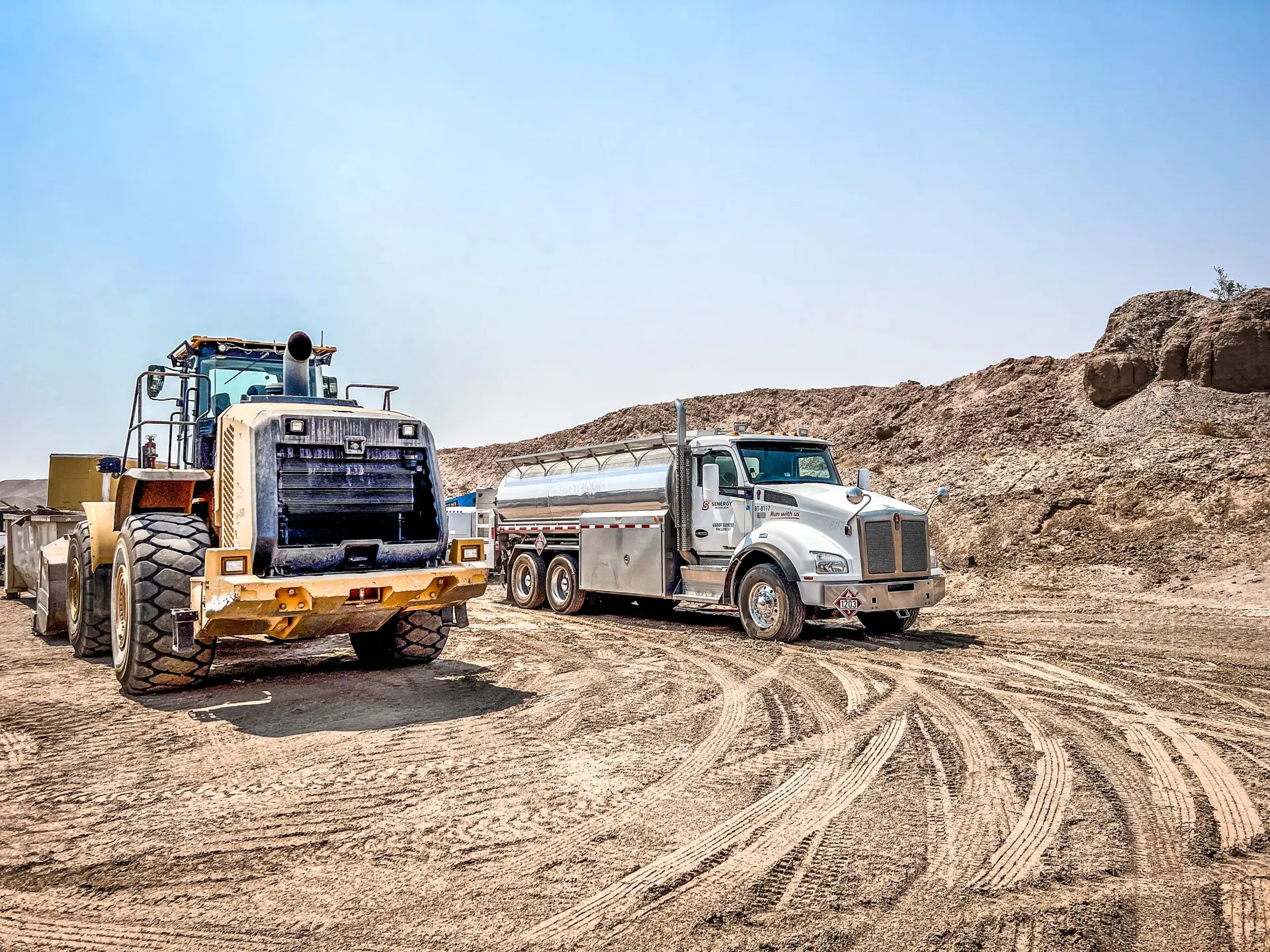
Reducing Downtime With Scheduled Fuel Deliveries
Downtime in modern transportation and logistics operations can significantly impact efficiency, delivery schedules, and overall profitability. One often overlooked contributor to downtime is inefficient fueling practices. Companies that rely on large fleets frequently face challenges such as inconsistent fuel availability, long refueling lines, and supply chain disruptions. Scheduled fuel delivery offers a strategic solution to help keep fleet operations running smoothly.
Instead of relying solely on traditional fuel stations, businesses can arrange regular fuel deliveries directly to fleet yards or job sites. This approach eliminates unnecessary travel for refueling and helps ensure vehicles begin each shift with adequate fuel. Industry best practices show that onsite or scheduled fuel delivery services help fleets avoid interruptions and keep vehicles operational without time-consuming detours.
Integrating scheduled deliveries into daily operations also gives fleet managers greater control over fueling schedules. A proactive fueling strategy ensures fuel is available when needed, supporting higher fleet uptime and minimizing operational disruptions. Scheduled fuel delivery is more than a convenience—it is a practical strategy for improving reliability and maintaining consistent performance in fleet-based operations.
The Importance of Fuel Logistics Planning for Fleet Efficiency
Effective fuel logistics planning plays an essential role in reducing downtime and maintaining consistent fleet operations. Without a clear fueling strategy, companies may experience unexpected fuel shortages or delays that disrupt operations and impact delivery schedules. Scheduled fuel solutions allow businesses to anticipate fuel demand and arrange deliveries before supply issues arise.
Through careful planning, fleet managers can evaluate fuel usage trends, operational flow, and hours of operation. This data helps determine the appropriate delivery frequency and fuel volume needed to maintain uninterrupted service. Aligning fuel deliveries with actual usage patterns reduces the risk of emergency refueling trips, which can increase costs and waste valuable time.
Structured fuel logistics planning also improves coordination with fuel suppliers. Partnering with a reliable fuel provider helps ensure deliveries align with operational needs so fleets remain fueled during critical periods. This organized approach also supports better inventory management and more accurate budgeting.
Improving Fleet Productivity with Scheduled Fueling
Productivity is a key performance measure for fleet-based organizations. Time spent on non-productive activities, such as waiting at fuel stations, can reduce overall operational efficiency. Scheduled fuel delivery helps address this challenge by streamlining the fueling process and minimizing unnecessary delays.
With scheduled fueling, vehicles can be refueled during off-hours or overnight while parked at a fleet depot. Drivers begin their shifts with full tanks, eliminating the need for refueling stops during working hours. This operational adjustment helps maximize the number of productive hours each vehicle contributes during the day.
Planned fueling also allows companies to coordinate fueling activities across the entire fleet. Instead of managing refueling on a vehicle-by-vehicle basis, fleet managers can oversee fueling through a structured system. This approach simplifies fuel management, reduces administrative workload, and improves accountability in fuel usage.
Over time, the time savings can be significant. Even short fueling delays can add up when multiplied across dozens or hundreds of vehicles. By eliminating these inefficiencies, businesses can increase fleet uptime, allowing vehicles to remain on the road longer and complete more work within the same operational timeframe.
How Scheduled Fuel Delivery Helps Control Fleet Fuel Costs
Fuel costs represent a significant portion of operating expenses for fleet operators. Inefficient fueling practices can create hidden costs, including additional mileage, driver labor spent on refueling trips, and fluctuating retail fuel prices. Scheduled fuel delivery provides a cost-effective alternative by introducing greater predictability to fuel purchasing.
Companies that establish recurring agreements with fuel suppliers often gain access to bulk pricing and longer-term supply arrangements. Purchasing fuel in larger quantities can lower the per-unit cost compared to retail stations. Centralized fueling also reduces administrative tasks associated with managing fuel receipts, reimbursements, and expense tracking.
Another advantage of scheduled fuel delivery is improved fuel consumption monitoring. Many modern fuel delivery services provide digital reporting and usage tracking tools, allowing fleet managers to analyze consumption patterns and identify operational inefficiencies.


How Technology Is Transforming Fleet Fuel Management
Technology has transformed how businesses manage fuel supply chains. Digital tools, automation, and real-time analytics now play an important role in modern fuel logistics planning, helping companies optimize fuel management and maintain consistent operations.
Many commercial fuel suppliers now offer automated tank monitoring systems that track fuel levels and trigger deliveries when inventory reaches a predefined threshold. This technology reduces the risk of unexpected fuel shortages while supporting more efficient inventory management.
Fueling data can also be integrated with fleet management software to provide detailed insights into fuel consumption by vehicle, route, or department. These analytics help fleet managers identify inefficiencies, improve route planning, and better manage fuel usage.
Digital reporting systems also improve transparency by maintaining accurate fuel consumption records. This data supports regulatory compliance and strengthens internal accountability through clear and accessible reporting.
When combined with scheduled fuel delivery, these technologies create a more efficient fueling system. Businesses gain better visibility into their fuel supply while ensuring a reliable commercial diesel supply to keep fleets operating without interruption.
The Operational Advantages of Onsite Fleet Fuel Delivery
In addition to efficiency and cost control, scheduled fuel delivery also supports more streamlined fueling operations. Traditional fueling methods often require drivers to travel to offsite fuel stations, adding unnecessary mileage and taking valuable time away from daily operations.
Delivering fuel directly to fleet yards or job sites simplifies the fueling process and eliminates many of the extra trips associated with refueling. By reducing the need for drivers to leave their routes to locate fuel stations, fleets can maintain better scheduling consistency and keep vehicles focused on operational tasks.
Centralized fueling systems also support improved fuel handling practices. Professional fuel providers follow established safety standards and storage procedures that help reduce the risk of spills, contamination, or product loss during handling and delivery.
For many organizations, operational efficiency and reliable supply are top priorities. Implementing structured fueling solutions such as scheduled fuel delivery helps support consistent operations while maintaining dependable fuel availability for fleet-based businesses.
Building a Reliable Fuel Strategy
Reducing downtime requires more than occasional fuel deliveries—it requires a reliable and well-planned fuel strategy. Businesses that prioritize fuel logistics planning and consistent commercial diesel supply are better positioned to maintain efficient fleet operations.
An effective fueling plan begins with selecting a dependable fuel supplier capable of meeting operational demands. Delivery capacity, reliability, and available technology support should all be considered when establishing a fueling partnership.
Organizations should also review fleet usage patterns, including mileage, seasonal demand, and operating hours, to determine the most effective delivery schedules. Integrating monitoring tools and fuel management technology further supports ongoing improvements by providing data that helps refine fueling strategies as fleet operations evolve.