Why Bulk Fuel Delivery Reduces Downtime for Heavy Equipment Fleets
In industries such as construction, mining, agriculture, and logistics, heavy equipment is essential to daily operations. From bulldozers shaping terrain to cranes lifting steel beams and haul trucks transporting ore, these machines require uninterrupted access to fuel to maintain productivity. Traditional refueling often involves moving equipment to centralized fuel stations, resulting in downtime and inefficiencies. By contrast, bulk fuel delivery directly to the job site or fleet yard minimizes disruptions and ensures consistent operational uptime. When a fleet’s fuel tanks run low, unplanned stoppages can jeopardize project timelines and increase labor costs. Reliable, on-site fuel access transforms refueling from a logistical challenge into a strategic advantage, supporting continuous performance and reducing unexpected downtime.
Reducing Downtime Through Strategic Fuel Management
Downtime happens when heavy equipment stops, whether from mechanical issues, maintenance, or power interruptions. Fuel shortages are often the most preventable cause. Traveling to distant fuel stations wastes hours, increases labor costs, delays projects, and can disrupt the supply chain. For fleet managers, limited fuel directly reduces productivity and complicates planning, especially for large, dispersed fleets. Bulk fuel delivery ensures fuel is on-site, reducing shortages and keeping equipment running. Minimizing downtime isn’t just about machines—it’s about maintaining schedules, protecting revenue, and supporting growth.
How Bulk Fuel Delivery Supports Continuous Fleet Operations
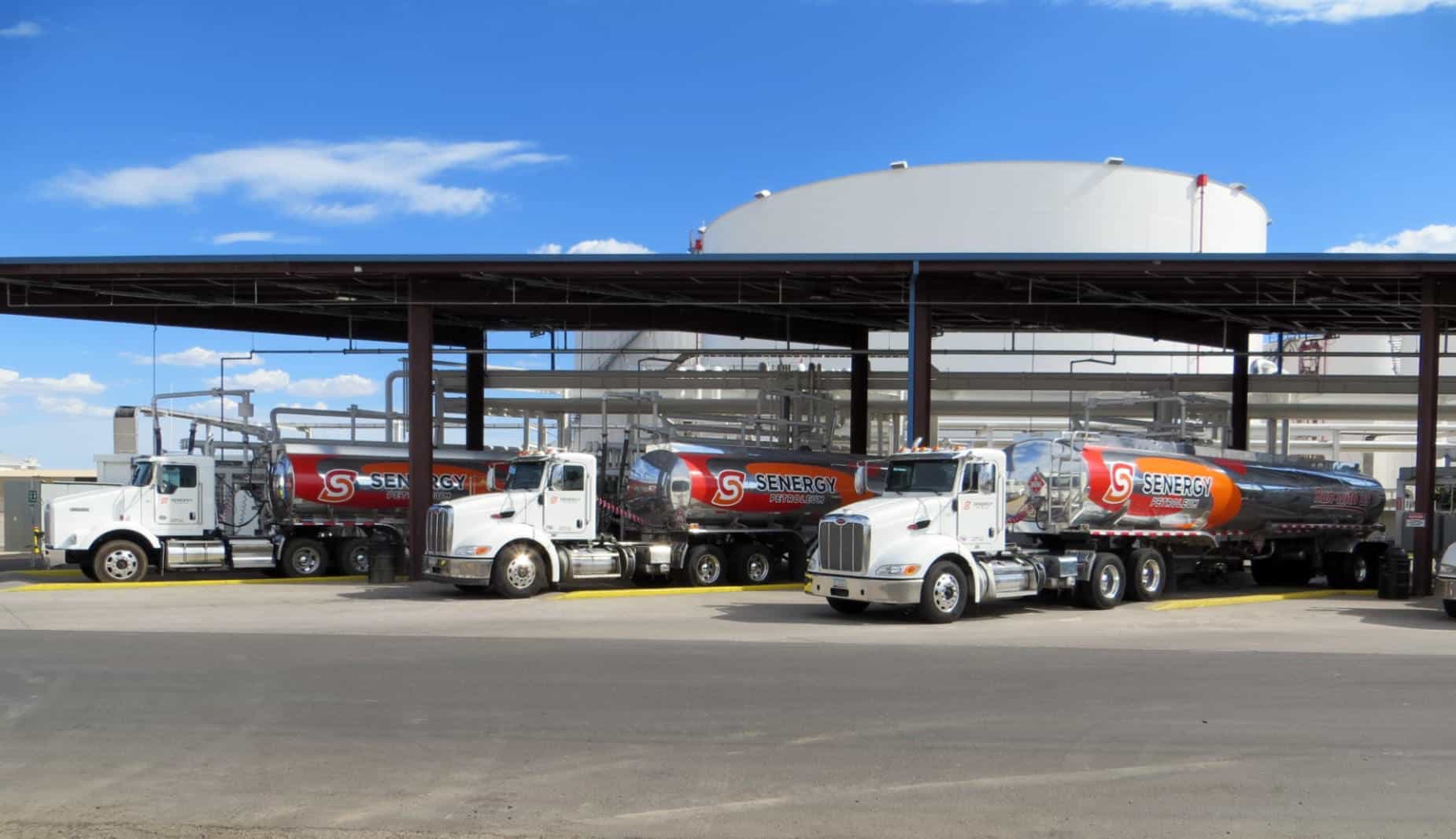
Bulk fuel delivery transports large quantities of diesel, gasoline, or other commercial fuels directly to a customer’s site, removing reliance on external fueling points. Ideal for heavy-duty fleets with high daily consumption, it replaces multiple small refueling trips with predictable deliveries that match operational cycles. This is especially useful in remote areas with few public fuel stations. Providers often offer custom service agreements, reliability guarantees, and real-time tracking. Paired with on-site infrastructure like garage tanks, pumps, and containment systems, bulk fuel delivery integrates seamlessly into fleet operations. Scheduled deliveries reduce administrative work, prevent fuel shortages, and help maximize uptime.
On-Site Refueling: Boosting Efficiency and Reducing Delays
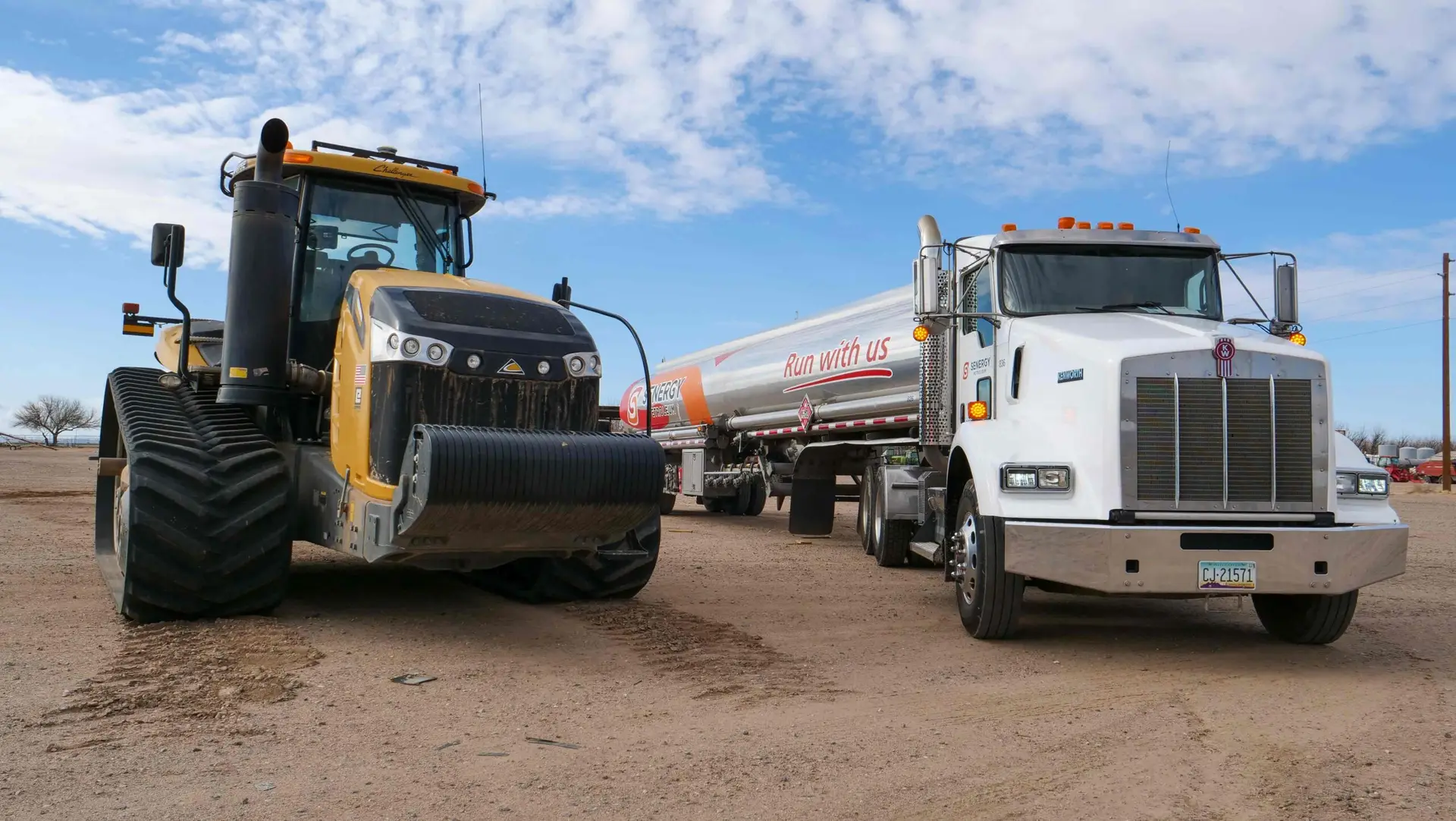
On-site refueling provides fuel directly to equipment while it remains in operation, eliminating the need to move machinery to distant fuel stations or centralized fueling hubs. Strategically placed fuel tanks and dispensing systems on the job site transform workflow dynamics. For heavy equipment operators, the ability to refuel at the push of a button reduces wait times and eliminates unnecessary movement across large or hazardous sites. This operational efficiency translates into higher uptime, as machines spend more time performing productive work. Additionally, on-site refueling enhances safety by minimizing interactions between heavy equipment and public traffic, adjacent work zones, or congested refueling areas. When combined with regular bulk fuel deliveries, on-site refueling becomes a proactive strategy that prevents delays and ensures a reliable fuel supply for heavy-duty operations.
Managing Fuel Costs with Bulk and On-Site Refueling
Cost management is a critical challenge for fleet managers, with fuel representing one of the largest variable expenses. Traditional refueling often comes with higher per-gallon costs due to lower purchase volumes, fluctuating retail pricing, and the logistics of transporting equipment to fueling locations. Bulk fuel procurement allows fleets to secure more favorable pricing through large-scale purchases, significantly reducing overall fuel expenses over time. In addition, minimizing trips to external fuel stations saves on maintenance, operator hours, and equipment wear. When combined with on-site refueling, these financial benefits extend beyond direct fuel savings to include reduced idle time, improved labor productivity, and streamlined accounting. By consolidating fuel management into scheduled bulk deliveries and centralized tracking, organizations can forecast fuel usage and budget more effectively. These savings are tangible, translating into real operational dollars that can be reinvested into technology, equipment, or workforce development.
Enhancing Safety and Compliance with On-Site Fueling
Safety and compliance are top priorities in heavy industry. Traditional refueling increases the risk of spills, accidents, and operational disruptions. On-site refueling with scheduled bulk deliveries centralizes fuel in managed environments with spill containment, leak detection, and compliance systems. Trained operators are more likely to follow protocols than those refueling off-site. Reducing trips to external stations also limits unnecessary equipment movement and exposure to hazards. Integrating safety into fuel logistics decreases downtime and keeps operations running smoothly and reliably.
Optimizing Operations with Bulk and On-Site Delivery
Smart fuel monitoring systems enhance bulk fuel delivery and on-site refueling. Sensors, telemetry, and dashboards let fleet managers track fuel in real time, get alerts before tanks run low, and schedule deliveries proactively. Predictive analytics identify inefficiencies and optimize delivery timing based on actual usage. This reduces uncertainty, improves uptime, and ensures fuel meets demand. Previously, fleets often refueled reactively, risking costly interruptions. Today, data-driven forecasts support planning and prevent bottlenecks. Integrated with bulk fuel providers, these systems enable automated orders, optimized deliveries, and coordinated maintenance, resulting in smarter, more efficient equipment use.
Fuel Logistics as a Competitive Advantage
Adopting bulk fuel delivery and on-site refueling requires strategic planning to maximize uptime and reduce risk. Start by auditing fuel usage to determine optimal tank sizes, delivery schedules, and shipping frequency. Invest in reliable on-site infrastructure with protective features such as secondary containment and leak detection. Partner with a bulk fuel provider experienced in heavy industrial operations, offering flexible delivery, responsive support, and transparent pricing.
Train operators on proper refueling protocols and tracking systems to ensure efficiency and compliance. Integrating fuel management into maintenance schedules enhances coordination, minimizes downtime, and turns fuel logistics into a strategic advantage that keeps equipment moving and operations productive.