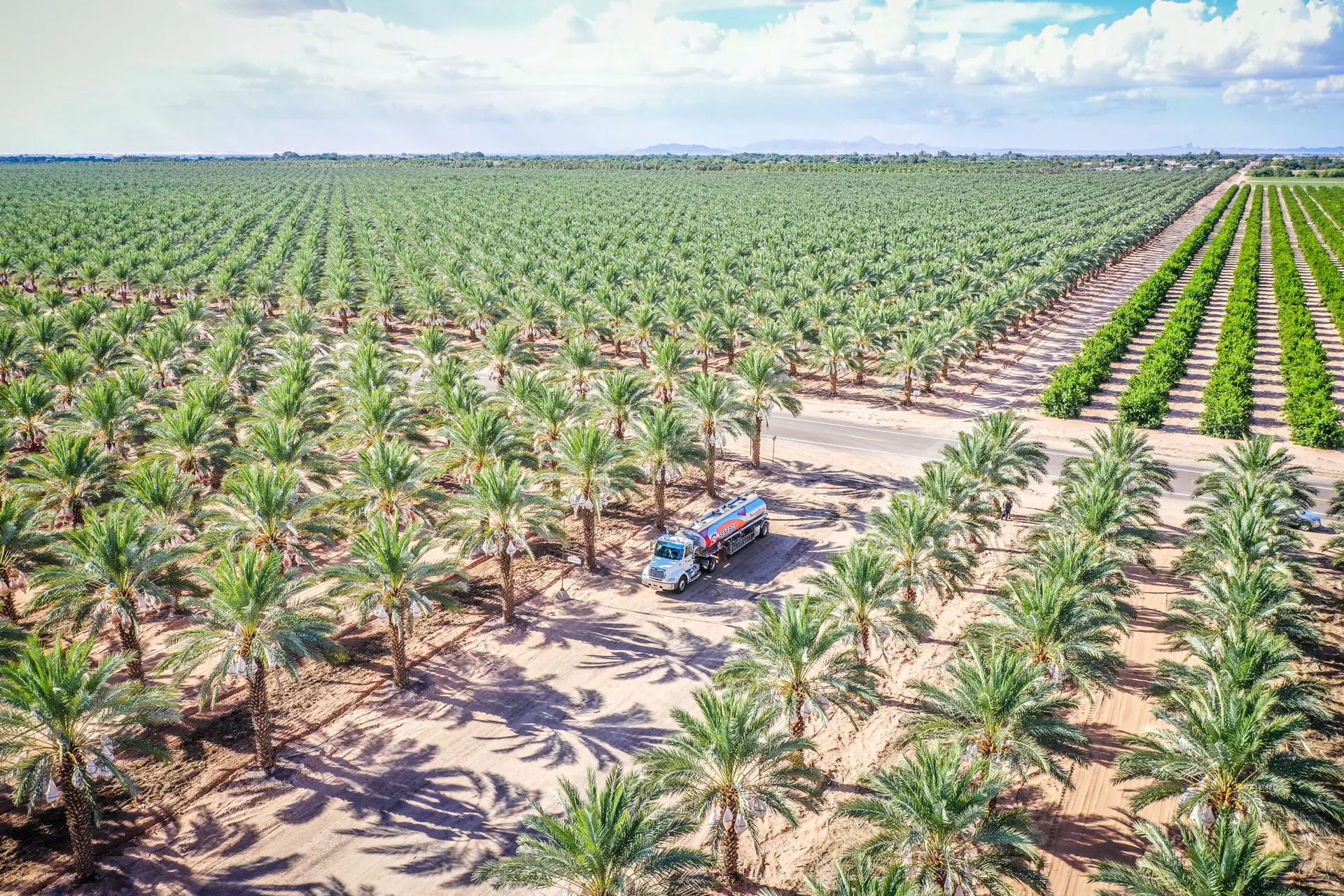
Preventing Fuel Downtime During Peak Agricultural Seasons
Interruptions in fuel supply during critical farming periods can significantly disrupt agricultural operations and lead to substantial losses. Equipment such as tractors, combines, and irrigation systems relies on a continuous fuel supply. Any downtime can delay work, reduce crop quality, and increase operational costs.
Peak farming seasons are highly time-sensitive, leaving little room for inefficiency. On-site fuel availability minimizes dependence on external supply chains and eliminates delays caused by refueling trips. Equipment stoppages not only waste time but also affect labor productivity and project schedules.
Fuel interruptions can also impact the broader supply chain. Delays in harvesting can disrupt transportation, storage, and delivery schedules, making proactive solutions—such as peak season fuel planning and reliable farm diesel delivery—essential for uninterrupted operations.
Peak Season Fuel Planning: Keeping Farms Running Smoothly
The success of agricultural operations relies on careful planning for peak season fuel needs. Pre-planning allows farmers to estimate fuel consumption by considering acreage, equipment usage, and operational schedules. Reviewing data from previous seasons helps predict requirements accurately and prevents last-minute shortages.
A structured fuel plan includes identifying peak periods, estimating daily fuel needs, and maintaining sufficient reserves. This approach reduces reliance on emergency deliveries, which are often costly and unreliable during high-demand periods. Buffer stock also ensures operations continue smoothly if supply chains are disrupted.
Proactive scheduling of diesel deliveries is another key factor. Timely replenishment, rather than reactive ordering, is particularly critical during harvesting when equipment runs long hours.
Technology further enhances fuel planning. Monitoring systems provide real-time insight into consumption patterns and alert farmers when levels are low, supporting efficient decision-making and minimizing downtime.
Reliable Farm Diesel Delivery
Farm diesel delivery services play a critical role in maintaining a continuous fuel supply during peak seasons. These services eliminate the need for farmers to transport fuel themselves, saving time and reducing operational stress. Reliable suppliers ensure that equipment runs uninterrupted, supporting consistent farm operations.
Consistency is a key advantage of professional fuel delivery. During high-demand periods, fuel shortages or station delays can occur, but having a dedicated delivery partner provides priority access—essential for fueling harvesting equipment on schedule.
Professional delivery services also supply fuel that meets industry standards, reducing the risk of contamination and ensuring optimal equipment performance. High-quality fuel is crucial, as poor-quality fuel can damage engines and increase maintenance costs.
Additionally, delivery services offer flexibility in scheduling. Farmers can plan deliveries according to operational needs—daily, weekly, or in bulk—allowing for efficient management of peak season fuel requirements.
Optimizing Farm Operations with On-Site Fuel Storage
Effective agricultural fuel storage is essential for minimizing downtime and ensuring continuous operations. On-site storage systems provide fuel on demand, eliminating delays associated with off-site refueling. These facilities are particularly valuable during periods of intensive agricultural activity.
Modern storage solutions, such as above-ground tanks and fuel bowsers, are designed to maximize efficiency and safety. They allow farmers to maintain large fuel volumes while ensuring easy access for equipment refueling. On-site storage also reduces dependence on external supply schedules, providing greater operational flexibility.
Proper management of storage is critical. Inadequate storage can lead to fuel contamination, affecting both fuel quality and equipment performance. Common issues include water, sediment, and microbial growth, all of which can damage engines.
Maintaining fuel quality involves regular inspections, correct tank placement, and the use of filtration systems. Storing fuel in cool, shaded areas further helps prevent degradation and ensures reliable performance.
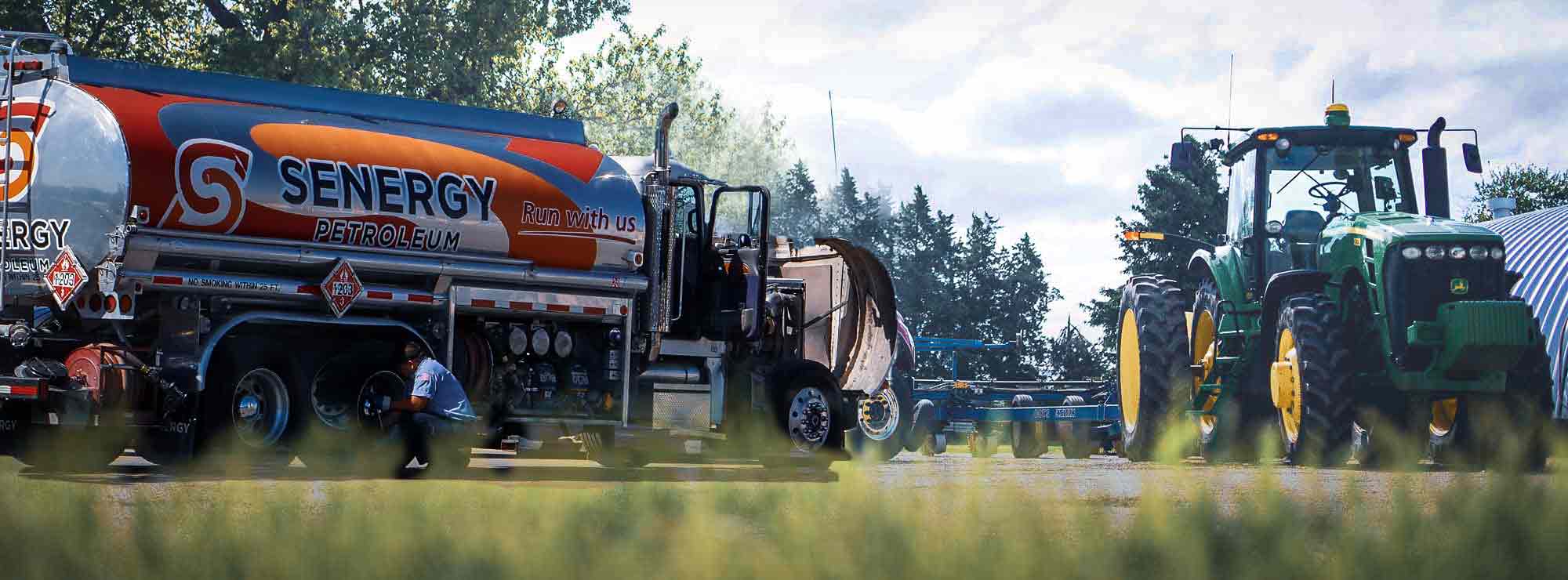

Best Practices for Efficient Harvest Fueling
Harvest fueling is a critical component of efficient farm operations. During long hours of harvesting, machinery relies on effective fueling practices to maintain workflow and productivity. Any delays in fueling can disrupt operations and reduce output.
One best practice is establishing dedicated fueling stations on the farm. This minimizes travel time for equipment and ensures fast turnaround. Efficiency can be further enhanced with mobile fuel units or bowsers that deliver fuel directly to machinery in the field.
Maintaining clean fuel systems is also essential. Contaminated fuel can clog filters and damage engines, resulting in costly repairs and downtime. Routine inspections, including filter changes and tank cleaning, help prevent these issues.
Timing is another key consideration. Scheduling fueling during periods when machinery is not in operation—such as early mornings or late evenings—ensures equipment is available throughout the workday, maximizing productivity.
Leveraging Technology for Efficient Peak Season Fuel Management
Technology has transformed how farmers manage fuel during peak seasons. Advanced fuel monitoring systems provide real-time data on fuel levels, consumption rates, and usage patterns, enabling informed decisions and preventing unexpected shortages.
Automated alerts can notify suppliers when fuel reaches a predetermined level, allowing for immediate delivery and minimizing downtime. Data analytics further support efficiency by identifying consumption inefficiencies and optimizing fuel usage.
Digital tools also enhance inventory management. Farmers can track fuel use across different machines and operations, preventing waste and ensuring accurate allocation—an essential factor during peak season planning.
Integrating technology with storage systems also improves safety and compliance. Monitoring systems can detect leaks, temperature fluctuations, or potential contamination, allowing issues to be addressed proactively before they escalate.
Emergency Fuel Preparedness
Even with careful planning, unforeseen challenges such as weather, supply chain issues, or equipment breakdowns can disrupt fuel supply. Effective risk management and emergency preparedness are essential to prevent downtime.
Maintaining a backup fuel reserve ensures operations continue smoothly during crises, such as peak harvest periods. Diversifying fuel suppliers also adds stability, reducing the risk of shortages when demand is high.
Regular maintenance of storage systems and equipment helps identify potential issues early, preventing unexpected breakdowns. Additionally, having emergency response plans—for spills, equipment failures, or delivery delays—and proper staff training ensures rapid, efficient action when needed.