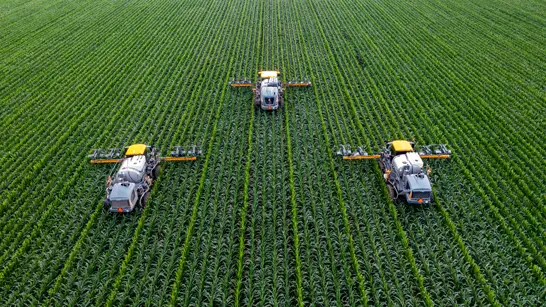
Harvest season is a critical time for any business relying on heavy machinery. Whether you’re a construction manager, a vehicle fleet manager, or running an auto shop, the last thing you want is unexpected breakdowns or delays. With the right prep work, you can keep your equipment in top shape and ensure your operations run smoothly. Here’s a comprehensive guide on how to prep your equipment for harvest season, especially for those working in the Southwest and Rockies regions.
Harvest season isn’t just a busy time; it’s also a high-stakes period where every piece of equipment needs to perform at its best. Delays or failures can cost you valuable time, money, and resources. That’s why early preparation is essential. Taking the time to inspect and service your machinery now will help prevent unexpected downtime during peak season. The last thing you want is to find out your equipment isn’t ready when it’s too late.
If you wait until the last minute, you risk finding problems that are too complex to fix quickly. By preparing your equipment well in advance, you’ll have time to address issues calmly and without pressure. Early preparation also ensures your team has the tools they need and won’t be scrambling for solutions once the season starts.
Preventive maintenance can save you money in the long run. A well-maintained machine is less likely to suffer from costly repairs or breakdowns. Taking care of your equipment ahead of time also allows you to optimize performance, which can lead to improved fuel efficiency and a smoother harvest process.
Fuel is the lifeblood of your equipment, so ensuring your fuel system is working properly is one of the most critical steps in preparing for harvest. Without the right maintenance, you risk clogging fuel lines or encountering engine failures at the worst possible time.
Start by checking your fuel tanks for contaminants, dirt, or water. Any debris or moisture in your fuel can cause clogged filters, poor engine performance, or even failure. Clean your tanks thoroughly to make sure they’re ready for the heavy fuel usage during harvest. If you’re using stored fuel, make sure it’s properly sealed and free from moisture.
Fuel filters prevent dirt and debris from entering your engine, so it’s essential to check them before the busy season. A clogged filter can lead to engine misfires, poor performance, or even damage. It’s a good idea to replace old fuel filters ahead of time, ensuring a smooth flow of fuel during harvest.
Look for cracks, leaks, or loose connections in your fuel lines. Leaking fuel can lead to wasted fuel, lower engine performance, and potentially dangerous situations. Tighten or replace any damaged fuel lines before heading into harvest season.
The quality of the fuel you use directly affects how well your equipment runs. Make sure you’re using clean, high-quality fuel. In some regions, you may need to use specific additives to prevent gelling in colder temperatures, which is common in the Southwest and Rockies during early harvest. Consult with your fuel supplier for advice on additives that can improve performance and prevent fuel issues during harvest.
Proper lubrication keeps your equipment running smoothly and helps prevent costly wear and tear. Before the season starts, make sure your oil and lubrication systems are in good shape.
Check oil levels and quality before starting the harvest. Old, dirty oil can lead to engine inefficiencies and even cause damage over time. Make sure to change the oil and replace the oil filter before the season begins. This simple step can prevent major engine problems later on.
All moving components, such as gears, bearings, and joints, need proper lubrication to ensure smooth operation. Inadequate lubrication can lead to friction, which causes parts to wear down faster and possibly fail. Make sure to lubricate all moving parts regularly during harvest season.
Different pieces of equipment may require specific oils and lubricants. For high-performance engines, choose a lubricant that’s suited for the high temperatures and heavy-duty usage of harvest season. Consult your equipment’s owner’s manual or talk to a professional for recommendations on the best lubricants for your machinery.
Tires are one of the most important parts of your equipment, especially during harvest when machinery works under tough conditions. Keeping your tires in top condition is essential for maintaining traction and preventing delays.
Tires take a lot of wear during harvest, so it’s crucial to check their condition before the season starts. Look for cracks, bulges, or worn tread. Ensure that the tire pressure is at the correct levels for optimal performance. Low tire pressure can cause uneven wear and reduce fuel efficiency.
If your tires are showing signs of significant wear, it’s better to replace them now than deal with a tire failure in the middle of harvest. Make sure to choose tires that are durable and suited for the rough conditions of the Southwest and Rockies terrain.
Routine tire maintenance, such as rotating and balancing, ensures even wear and maximum traction. Keep tires properly inflated to prevent unnecessary strain on your machinery and improve fuel efficiency.
Harvest can place a lot of stress on your equipment, and without a properly functioning cooling system, your machinery could overheat and break down. Ensuring that your cooling system is ready is key.
Start by inspecting your radiators for any leaks or corrosion. Low coolant levels can cause engines to overheat, leading to expensive repairs or even engine failure. Make sure your coolant is topped off and replace any worn hoses that could cause leaks during operation.
A system flush can help remove debris and old coolant, preventing it from clogging the system. Flushing the cooling system ensures the engine stays cool during heavy use, which is especially important during the hot months of harvest.
Hydraulic systems power many of the moving parts on your equipment, and keeping them in top shape is essential to avoiding delays or breakdowns.
Before harvest season, check your hydraulic fluid levels and ensure there are no contaminants. Dirty fluid can cause issues with hydraulics, leading to malfunctions. Clean fluid helps ensure smooth operations during harvest.
Leaking hydraulics can lead to costly downtime. Inspect all hoses, fittings, and seals for leaks. If you find any, replace the damaged parts as soon as possible.
Before the rush of harvest season begins, take the time to perform a thorough engine diagnostic to catch any potential problems early.
Look at key components such as air filters, belts, and hoses. Check for any cracks, fraying, or other signs of wear. A quick inspection can help prevent engine issues during peak operations.
Once all maintenance is complete, conduct a test run of your equipment. This will help you identify any remaining issues that could affect performance during harvest. Early detection of problems allows you to make necessary repairs before the equipment is in full operation.
Preparing your equipment for harvest season is an investment in the success of your operations. By following these steps—fuel system maintenance, oil and lubrication checks, tire inspections, cooling system care, hydraulic checks, and engine diagnostics—you can ensure your machinery is ready to perform under the pressure of harvest season. Don’t wait until it’s too late—contact us and get started on your prep work today, and you’ll have one less thing to worry about when the busy season arrives.