
Preparing Seasonal Equipment for Storage and Reuse
Seasonal equipment often spends months sitting idle before it is needed again. Whether you rely on lawn mowers in the summer, snow blowers in the winter, generators during storm season, or tractors for seasonal field work, proper preparation before storage has a direct impact on reliability and operating costs. A thoughtful maintenance routine reduces corrosion, prevents fuel-related issues, and keeps major components in working condition, making it easier to return equipment to service without unexpected repairs.
Many equipment failures after long storage periods are caused by avoidable problems such as stale fuel, discharged batteries, moisture buildup, rust, or neglected lubrication points. Building a practical plan for seasonal equipment maintenance helps protect your investment while reducing downtime when the equipment is needed again. Whether you’re a homeowner, landscaper, fleet manager, or agricultural operator, following proven storage practices can extend equipment life and improve safety.
Why Proper Equipment Storage Matters
Effective equipment storage is more than simply parking machinery in a garage or shed. Dirt, grass clippings, road salt, moisture, and oil residue can slowly damage metal surfaces, electrical connections, and moving components while equipment remains unused. Cleaning equipment thoroughly before storage removes contaminants that encourage corrosion and premature wear. It also makes inspections much easier before the next operating season.
The storage environment plays an equally important role. Indoor, dry, and well-ventilated spaces offer the best protection against humidity and temperature swings. If indoor storage is unavailable, breathable equipment covers generally provide better protection than completely sealed plastic covers, which can trap moisture underneath. When practical, climate-controlled storage, moisture barriers, and proper ventilation help reduce condensation that may damage bearings, hydraulic systems, and electrical parts over time.
Prepare Every System Before Long-Term Storage
Every machine should receive a complete inspection before being stored. Change engine oil and replace the oil filter if recommended by the manufacturer. Fresh oil provides clean lubrication and helps protect internal engine components during extended storage. Fuel systems deserve equal attention, especially gasoline-powered equipment. Adding a fuel stabilizer and operating the engine long enough for treated fuel to circulate throughout the fuel system, including the carburetor or fuel injectors.
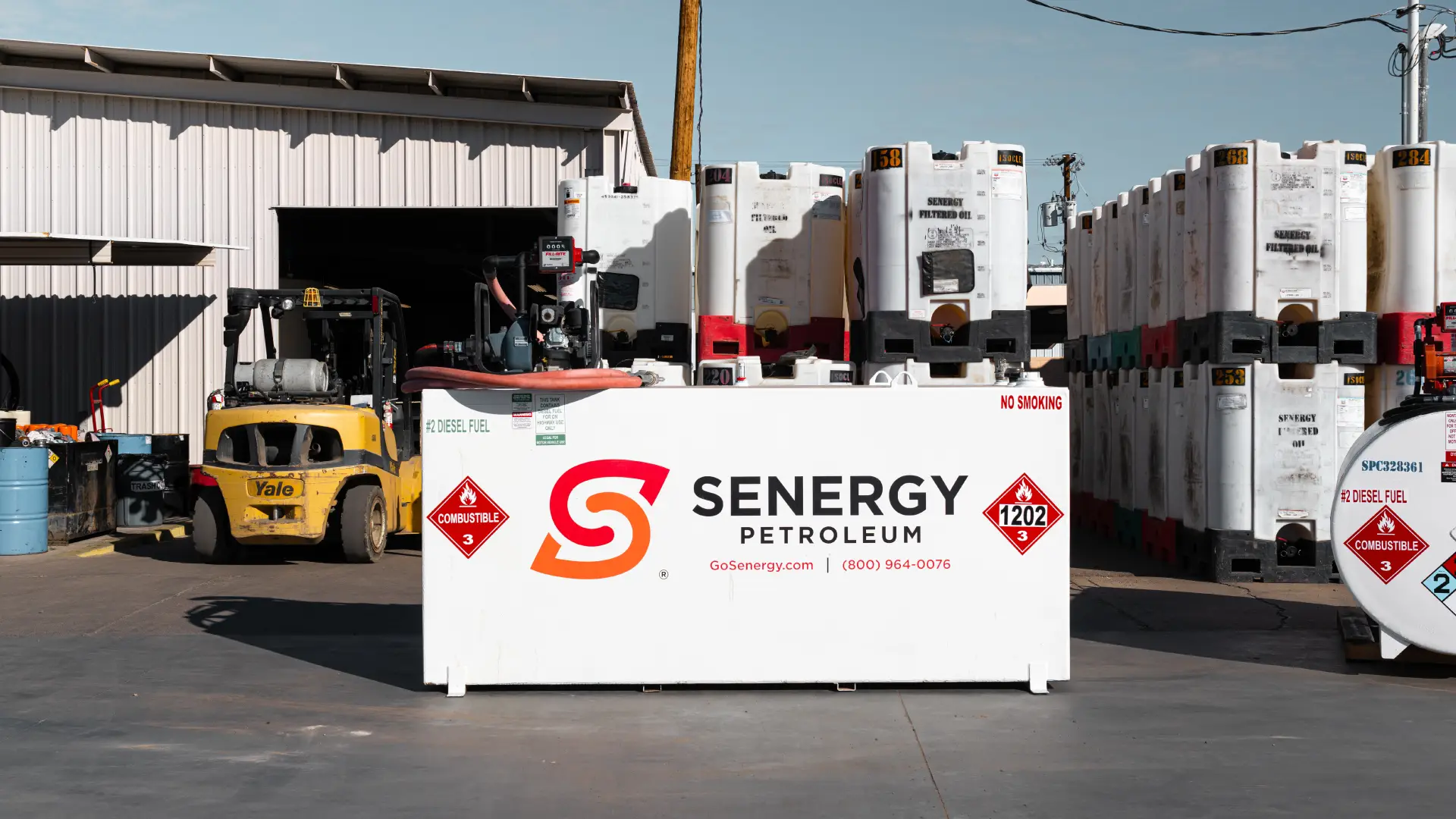
Lubricating moving components is another essential step in seasonal equipment maintenance. Bearings, pivot points, hinges, steering linkages, and grease fittings should all receive fresh Lubricant before storage. Hydraulic hoses should be checked for cracks or leaks, fluid levels verified, and exposed hydraulic cylinders protected from corrosion. For diesel-powered machines, keeping fuel tanks as full as practical during storage (when appropriate), minimizing water contamination, and using clean fuel helps reduce the risk of microbial growth.

Protect Batteries, Tires, and Exterior Components
Battery maintenance is often overlooked, yet it is one of the most common reasons equipment fails to start after months of storage. Disconnecting the battery or using a battery maintainer helps preserve charge levels. Lead-acid, AGM, and lithium-ion batteries each have different storage recommendations, so following manufacturer guidance is important. Battery terminals should also be cleaned to prevent corrosion from affecting electrical performance.
Tires should be inspected for wear, inflated to the recommended pressure, and protected from prolonged contact with damp surfaces. For equipment that will remain stationary for several months, elevating the machine or repositioning it periodically can reduce flat spots. Exterior surfaces also benefit from rust-preventive coatings and protective waxes, particularly on construction, landscaping, and agricultural equipment that is exposed to harsh weather. These simple steps improve overall equipment storage results and reduce repair costs before reuse.
Avoid Common Storage Mistakes
Many owners unknowingly create maintenance problems by skipping routine inspections before putting equipment away. Leaving mud, grass, fertilizer residue, or salt deposits on machinery accelerates corrosion throughout the storage period. Ignoring small hydraulic leaks, damaged belts, worn hoses, or loose fasteners can also lead to more expensive repairs once equipment returns to operation.
Another common mistake is treating every piece of equipment the same. Lawn mowers, generators, skid steers, forklifts, tractors, chainsaws, and pressure washers all have unique storage requirements. Equipment that remains unused for more than several months may require additional moisture protection, electronic system checks, and scheduled inspections during storage. Businesses managing large fleets can also benefit from digital maintenance reminders and inspection records to ensure equipment remains ready for Transportation and seasonal deployment when demand increases.
Building a Smarter Grease Selection Strategy
Successful storage is not limited to one season. Organizations that maintain consistent inspection schedules often experience fewer unexpected breakdowns and lower operating costs throughout the year. Creating maintenance logs, documenting service intervals, and using inspection checklists simplify future maintenance while helping identify recurring issues before they become major repairs. Preventive maintenance remains one of the most cost-effective ways to extend equipment life.
Equipment owners can further improve reliability by matching maintenance practices to local climate conditions across the United States. Machines stored in northern regions may require greater attention to winterization and moisture control, while southern climates demand stronger protection against humidity, heat, and UV exposure. Combining proper cleaning, fuel stabilization, corrosion prevention, battery care, quality lubricants, and regular inspections creates a dependable storage program that keeps valuable assets operating efficiently season after season. Whether managing a single mower or an entire fleet, investing time in proper preparation today reduces downtime, supports safer transportation, and delivers better performance when equipment is needed again.