Preparing Mining Equipment for Changing Seasons
Mining equipment operates under demanding conditions year-round, but those conditions can change considerably with the seasons. Freezing temperatures, snow, rain, mud, extreme heat, and heavy dust can all affect how machinery performs. Without proper preparation, these changes can place extra strain on engines, hydraulic systems, cooling components, tires, tracks, and electrical systems.
Seasonal preparation should be part of a regular maintenance program rather than a once-a-year task. Reviewing equipment condition before weather changes gives maintenance teams time to address worn components, fluid issues, leaks, and other concerns. A consistent approach to mining equipment maintenance can help reduce unexpected breakdowns and keep machines ready for demanding work.
Understand How Seasonal Conditions Affect Mining Equipment
Different weather conditions create different challenges for heavy machinery. Cold temperatures can make diesel engines harder to start and affect battery performance and fluid movement. Snow and ice can reduce traction and collect around tracks and other components. Frozen ground may also change how machines respond to heavy loads and rough terrain.
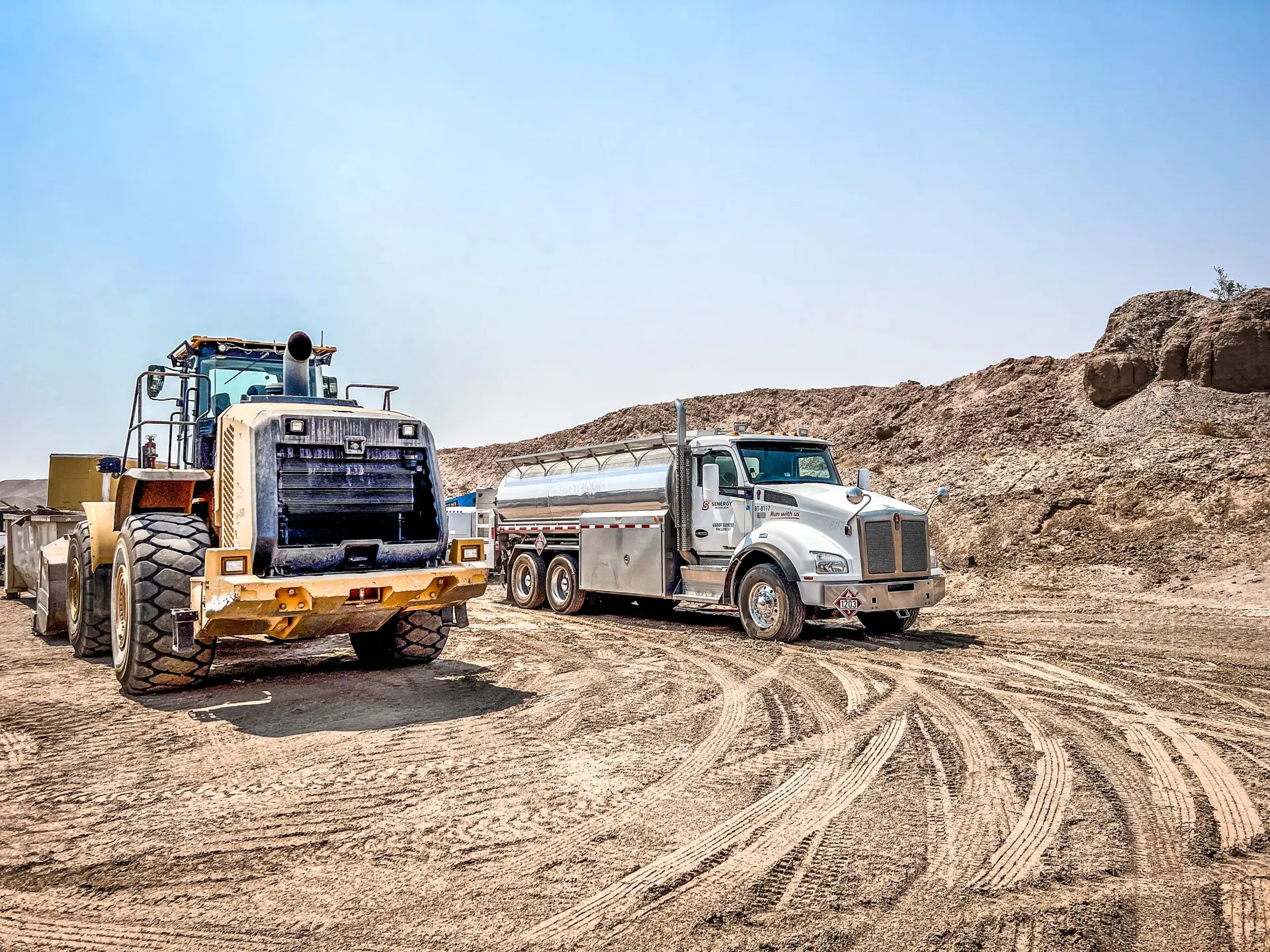
Summer brings its own concerns. High temperatures can increase the workload on engines, cooling systems, hydraulic components, and tires. Dust and debris can build up around radiators, coolers, and air filters, restricting airflow and contributing to higher operating temperatures.
The mine’s location and operating environment should guide seasonal preparation. Equipment working in Alaska or other northern regions may require extensive cold-weather preparation, while operations in Arizona, Nevada, or other hot and dry areas may place greater emphasis on cooling and dust control. Equipment type, operating hours, workload, and service history should also be considered when planning seasonal inspections.
Check Fluids and Hydraulic Systems Before Weather Changes
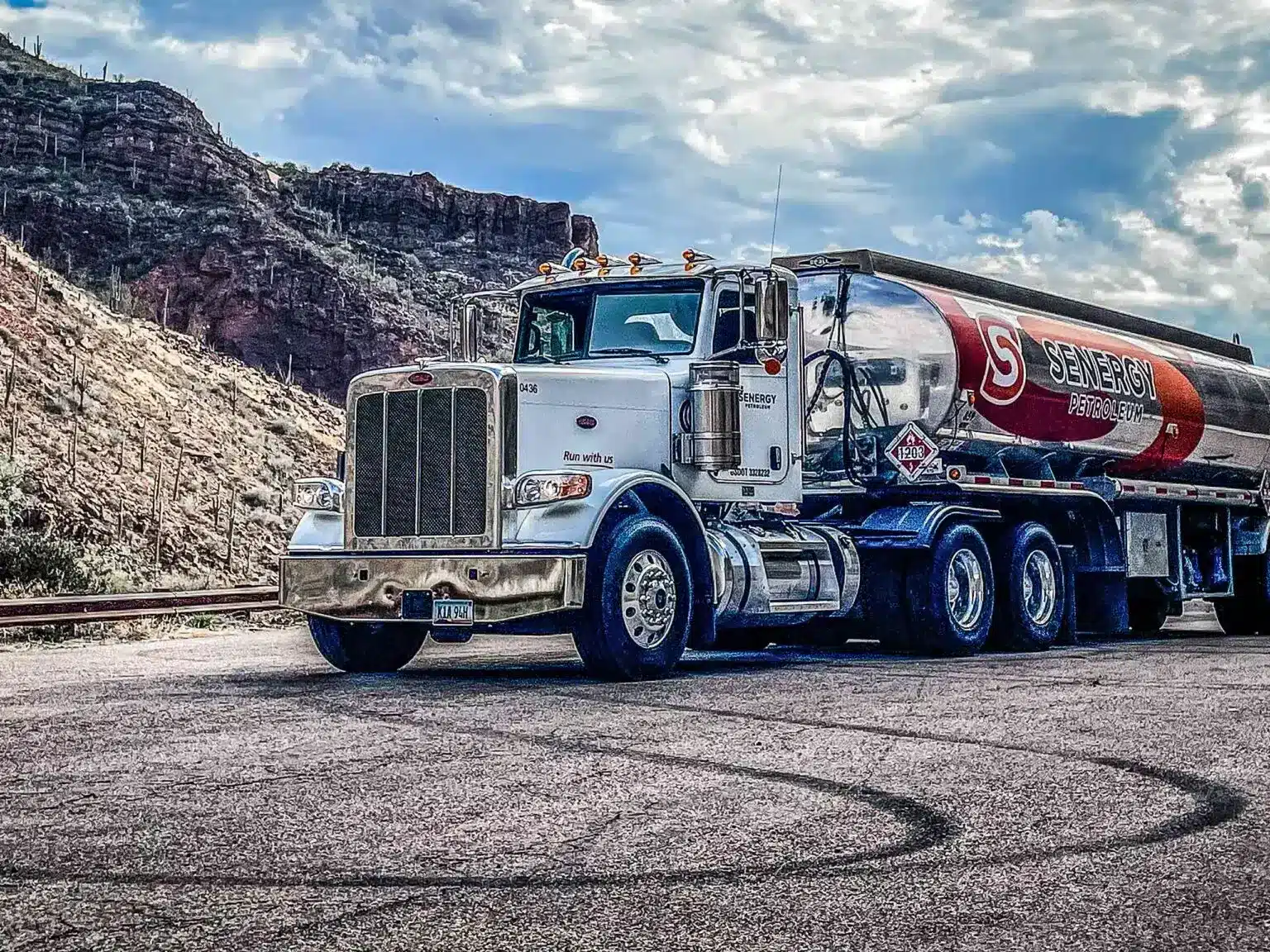
Fluids are essential to the performance and protection of mining machinery. Engine oil, hydraulic fluid, coolant, transmission fluid, and grease must be suitable for the equipment and the conditions in which it operates. Changes in temperature can affect viscosity and fluid behavior, so maintenance teams should follow the equipment manufacturer’s specifications when selecting products.
The right lubricants help protect components that operate under heavy loads and changing temperatures. A Lubricant should be selected based on the machine’s requirements, operating temperature, viscosity specifications, and application. Using an unsuitable product can affect component protection and performance, particularly during extreme weather.
Hydraulic systems also deserve close attention during seasonal inspections. Check hoses, fittings, cylinders, pumps, seals, filters, and reservoirs for leaks, damage, or excessive wear. Fluid contamination should also be addressed promptly. Oil sampling and fluid analysis can provide useful information about contamination and internal component wear, helping maintenance teams identify developing problems before they result in costly repairs.
Prepare Mining Equipment for Winter
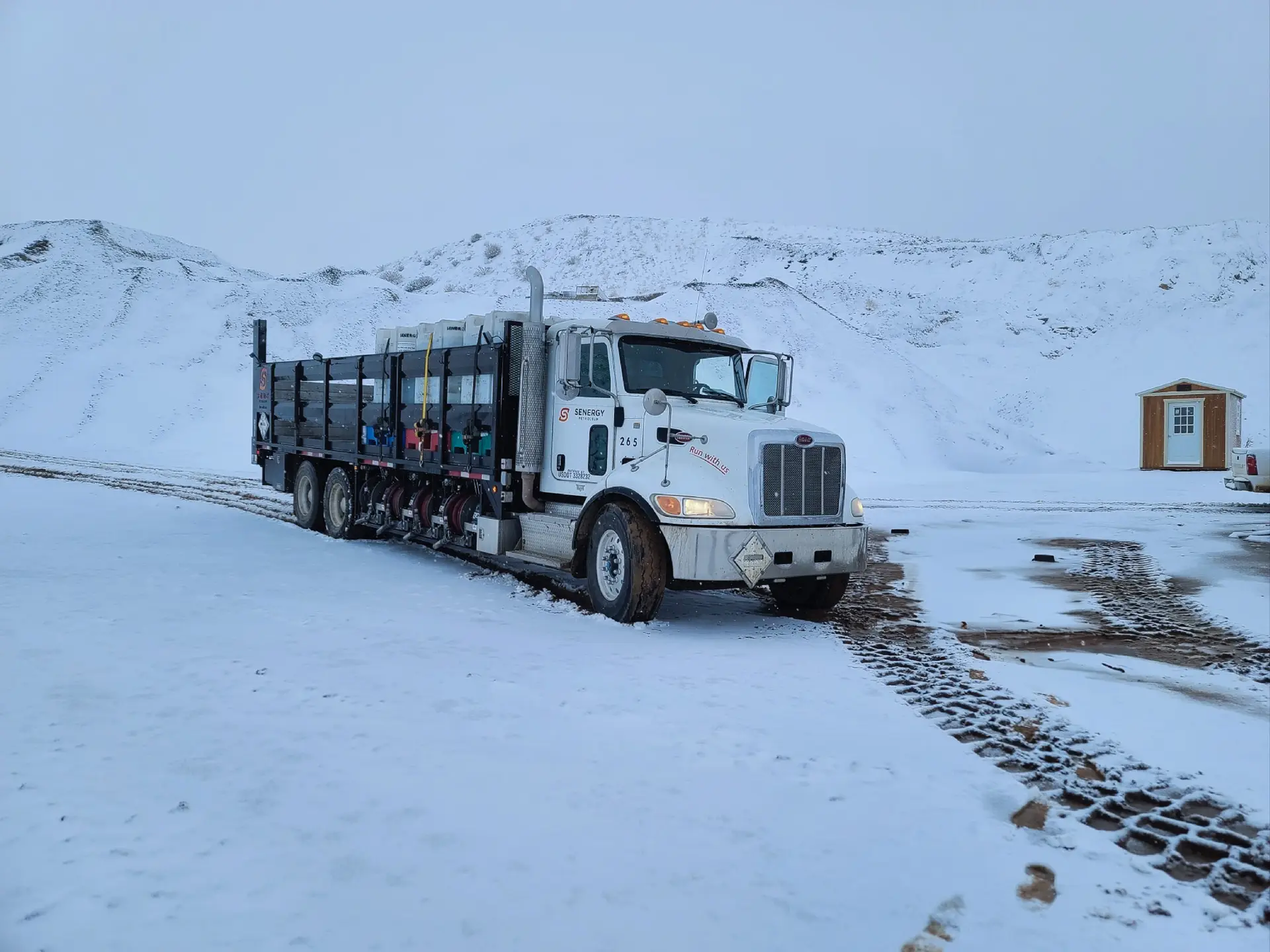
Winter preparation is particularly important for mining operations exposed to freezing temperatures, snow, and ice. Batteries should be inspected and tested before cold weather arrives because low temperatures can make starting more difficult. Electrical connections, starters, alternators, and charging systems should also be checked. If the equipment is designed for a block heater or another cold-start aid, it should be inspected and confirmed to be ready for use.
Fuel systems require attention during cold-weather preparation. Water and condensation in fuel tanks can cause problems when temperatures fall, while diesel fuel can behave differently in severe cold. Fuel tanks, filters, water separators, and fuel lines should be maintained according to the equipment manufacturer’s recommendations.
DEF systems should also be considered where applicable. DEF freezes at approximately 12°F (-11°C), but freezing does not normally make properly formulated DEF unusable. Storage, handling, and equipment procedures should follow manufacturer recommendations, particularly in freezing conditions. Maintenance teams should also inspect tires and undercarriages before winter operation. Track shoes, chains, rollers, idlers, sprockets, and track tension should be checked on tracked machines, while tire condition and inflation should be reviewed on wheeled equipment.
Protect Equipment During Spring and Summer
Spring conditions can expose equipment to mud, standing water, moisture, and changing ground conditions. Once winter ends, machines should be inspected for corrosion, leaks, damaged hoses, loose connections, and buildup around the undercarriage. Cleaning equipment before inspection can make signs of wear and damage easier to identify.
Summer preparation should place greater attention on cooling systems. Radiators, coolers, fans, belts, hoses, and coolant levels should be checked before prolonged periods of high temperatures. Dust and debris can restrict airflow through cooling components, which makes regular inspection and cleaning especially important at dry mining sites.
Air filters should also be monitored in dusty environments. A clogged or heavily loaded filter can affect airflow and engine performance. Hydraulic systems, tires, hoses, seals, and other components should be inspected for leaks, deterioration, abnormal temperatures, or other signs of damage during high-temperature operation.
Use Preventive Maintenance to Support Equipment Reliability
Seasonal preparation is most effective when it works alongside preventive maintenance. Daily walkarounds allow operators to identify visible leaks, damaged hoses, loose components, unusual tire wear, and other problems. Scheduled inspections and service can then address issues that require more detailed attention.
Maintenance records are equally valuable. Recording operating hours, inspections, fluid changes, repairs, and component replacements creates a service history that can help identify recurring problems. For example, if a component repeatedly develops excessive wear during a particular season, maintenance teams can investigate whether weather, operating conditions, or workload is contributing to the issue.
Condition monitoring and telematics can provide additional information for larger fleets. Depending on the system, equipment data may help maintenance teams identify changes in operating conditions, fault codes, temperatures, utilization, or other monitored parameters that warrant inspection. These tools work best alongside physical inspections and operator feedback rather than replacing them. Together, these practices can support stronger equipment reliability and help maintenance teams plan repairs before failures interrupt production.
Build a Seasonal Maintenance Routine for the Entire Fleet
A seasonal maintenance routine should cover the equipment’s major systems and change as operating conditions change. Before winter, maintenance teams can focus on batteries, starting systems, coolant, fuel systems, tires, tracks, fluids, and cold-weather equipment. Spring inspections can then address moisture, mud, corrosion, leaks, and damage that may have developed during winter.
Before summer, cooling systems, radiators, air filters, hydraulic systems, tires, and fluid conditions should receive additional attention. Fall provides another opportunity to inspect the fleet and complete necessary repairs before temperatures drop. Manufacturer service intervals should remain the foundation of the maintenance schedule, with seasonal inspections added according to site conditions.
Parts planning can also help avoid unnecessary delays. Keeping commonly required filters, hoses, approved fluids, and replacement components available can make scheduled service easier to complete. Reviewing maintenance records can help identify which parts are likely to need replacement and which machines may require additional attention.
Seasonal preparation is ultimately about keeping equipment ready for the conditions in which it will operate. Mining companies cannot control changing weather, but they can control how well their machinery is maintained. Regular inspections, appropriate fluids, preventive service, and careful condition monitoring can help protect equipment, reduce avoidable downtime, and keep mining operations productive throughout the year.