
Preparing Farm Equipment for Harvest Season
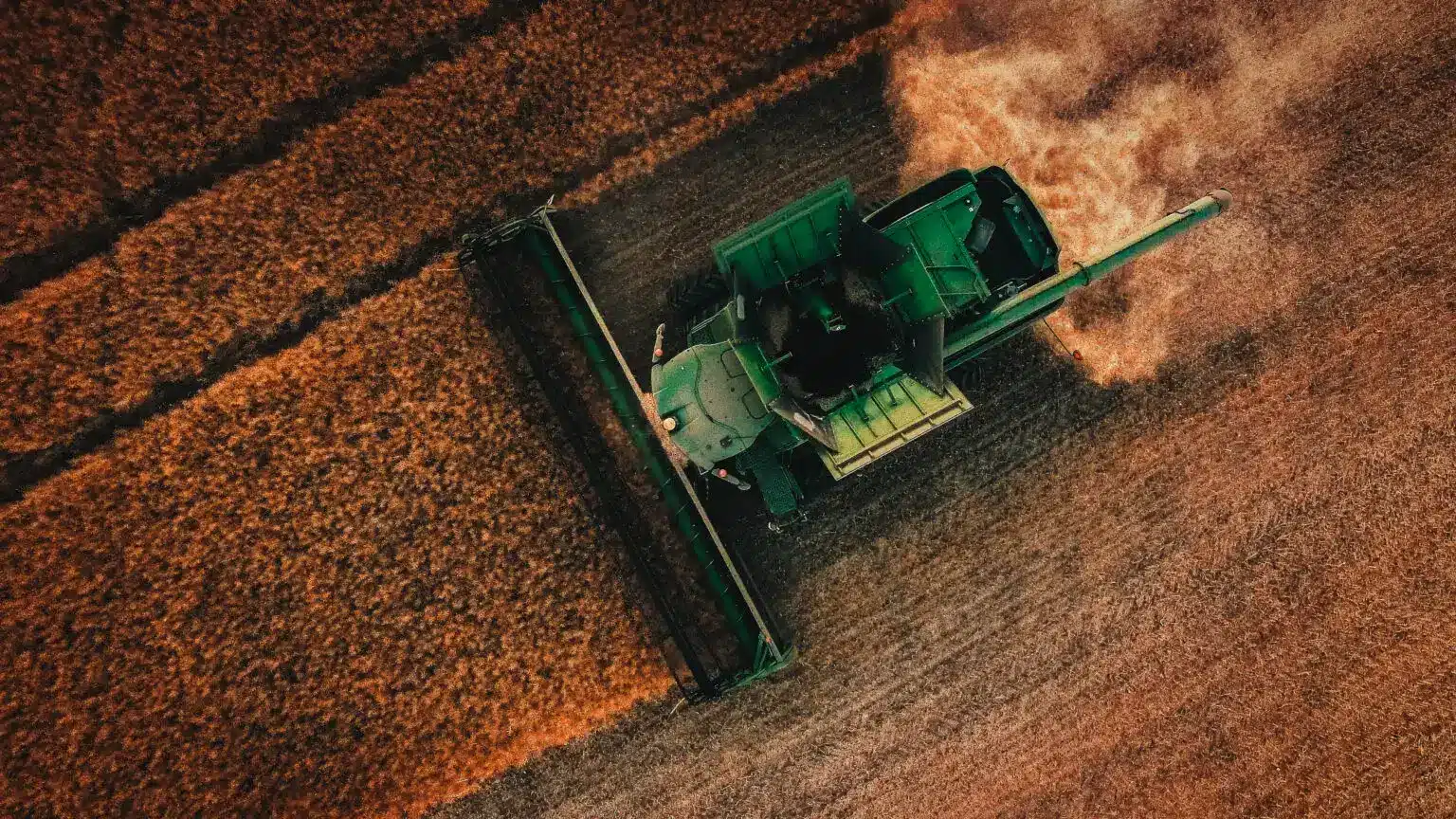
Harvest season is one of the busiest times of the year for American farmers, leaving little room for unexpected breakdowns or costly delays. Every hour spent repairing a combine harvester, tractor, or grain cart during peak harvest can affect crop quality, fuel costs, and overall profitability. That is why harvest preparation begins long before the first field is ready. A well-planned maintenance routine helps protect valuable machinery, keeps operations moving, and reduces the risk of emergency repairs when time matters most.
Experienced producers know that successful farm equipment maintenance is more than changing engine oil or replacing worn filters. It involves inspecting hydraulic systems, checking cooling components, testing batteries, examining belts and bearings, and confirming that every machine is ready to handle demanding field conditions. Whether harvesting corn, soybeans, wheat, or cotton, thorough inspections allow small problems to be corrected before they become expensive failures.
Modern farms are also relying on precision farming technology, machine diagnostics, and agricultural lubricants to improve reliability throughout the season. Combined with preventive maintenance and detailed inspection records, these practices help maximize uptime, protect crop quality, and keep harvesting schedules on track. Investing time before harvest often results in smoother field operations, fewer interruptions, and greater confidence once the season begins.
Why Pre-Harvest Maintenance Matters
A successful harvest depends on machinery that performs consistently under heavy workloads. Combines, tractors, grain augers, grain carts, forage harvesters, and supporting vehicles operate for long hours in dusty environments while carrying significant mechanical loads. Without proper servicing, common issues such as hydraulic leaks, overheating, worn bearings, or damaged belts can quickly interrupt field operations. Comprehensive farm equipment maintenance helps identify these concerns early, giving operators the opportunity to replace worn parts before they fail.
Routine inspections also improve operational efficiency. Checking tire pressure, examining wheel hubs, inspecting PTO shafts, tightening loose fasteners, and cleaning radiators all contribute to dependable machine performance. Attention should also be given to transmission systems, hydraulic cylinders, fuel filters, air filters, and cooling components to ensure every system functions properly under demanding harvest conditions. These preventive steps reduce unplanned downtime while supporting better fuel efficiency and longer equipment life.
In addition to mechanical reliability, regular servicing supports operator safety. Functional warning lights, backup alarms, fire extinguishers, seat belts, and safety decals should all be inspected before entering the field. Proper visibility, dependable braking systems, and responsive steering provide additional protection during long harvesting days, particularly when moving machinery between fields or transporting grain.
Building an Effective Harvest Preparation Checklist
Every operation benefits from a structured inspection process that covers each major machine individually. Depending on the combine design, operators should inspect the feeder chain, concaves, rotor components, straw walkers, augers, and header alignment. Corn heads, flex headers, and draper headers should be checked for damaged knife sections, guards, and drive components to minimize grain loss and maintain cutting efficiency throughout harvest.
Tractors and support equipment require the same level of attention. Operators should inspect hydraulic hoses for leaks, examine belts for cracking, test battery performance, verify coolant levels, and replace engine, fuel, hydraulic, and cab filters according to recommended service intervals. Bearings, bushings, sprockets, drive shafts, and chains should rotate smoothly without excessive vibration or unusual noise. Small repairs completed before harvest often prevent lengthy field breakdowns during the busiest weeks of the season.
Fluid condition is equally important when preparing machinery. Clean engine oil, transmission fluid, hydraulic oil, coolant, and grease all contribute to reliable operation under heavy loads. Many progressive farms also use oil analysis and fluid analysis as part of predictive maintenance programs, helping detect contamination, abnormal wear metals, or declining fluid performance before damage occurs. Selecting high-quality agricultural lubricants further supports engine protection, hydraulic efficiency, and gearbox performance during extended harvest operations.
Reducing Downtime Through Preventive Maintenance
Harvest rarely goes exactly as planned, but equipment failures do not have to become part of the routine. The most productive farming operations follow preventive maintenance schedules throughout the year rather than waiting until a machine stops working. A planned approach allows operators to inspect engines, hydraulic pumps, gearboxes, cooling systems, and electrical components while repairs are still manageable. This strategy minimizes unexpected service calls and keeps machinery available when every hour in the field counts.
Hydraulic systems deserve special attention because they power many of the critical functions on combines, tractors, sprayers, and grain handling equipment. Inspect hydraulic cylinders, valves, hoses, and pumps for signs of leaks, pressure loss, or contamination. Even a small hydraulic issue can reduce lifting capacity, slow harvesting speed, or cause costly interruptions. Likewise, checking radiators for debris, cleaning air intake systems, and verifying turbocharger performance helps prevent engine overheating during long operating days.
Keeping an organized inventory of replacement parts is another practical step that many farms overlook. Stocking common wear items such as belts, bearings, filters, chains, hoses, fuses, and drive components can significantly reduce repair time when problems occur. Instead of waiting for parts deliveries during peak harvest, operators can make immediate repairs and return machines to the field with minimal disruption.
Using Technology to Improve Harvest Performance
Technology has transformed how American farms prepare for harvest. Many modern combines and tractors now include telematics, GPS guidance, auto-steer systems, yield monitors, and onboard machine diagnostics that provide valuable information before problems become serious. Reviewing diagnostic alerts before harvest allows operators to correct faults early, reducing the likelihood of unexpected shutdowns once harvesting begins.
Calibration is equally important. Yield monitors, moisture sensors, and GPS guidance systems should all be tested before entering the field to ensure accurate data collection. Proper calibration improves harvest accuracy, supports better crop management decisions, and helps farmers monitor productivity across different fields. Reliable information also assists with future planting strategies, fertilizer planning, and overall farm management.
Digital maintenance records provide another important advantage. Tracking service intervals, filter replacements, oil changes, inspections, and repairs creates a maintenance history for every machine in the fleet. These records help identify recurring issues, simplify seasonal planning, and make budgeting for repairs more predictable. Over time, maintenance data becomes an important tool for extending machinery life while improving overall operational efficiency.
Choosing the Right Parts and Fluids for Reliable Operation
Reliable harvest performance depends not only on inspections but also on using quality replacement parts and proper service materials. Worn filters, aging belts, damaged bearings, cracked hoses, or loose drive components can reduce machine performance long before they completely fail. Replacing these items during preseason maintenance helps maintain consistent throughput and reduces the likelihood of unexpected repairs during critical harvesting windows. While aftermarket components may offer cost savings, farmers should compare durability, warranty coverage, and compatibility before making purchasing decisions.
Fluid management is another key part of long-term machine reliability. Clean hydraulic oil supports smooth cylinder movement and pump efficiency, while fresh coolant helps regulate engine temperatures during extended operating hours. Transmission fluid, gear oil, and properly maintained grease points reduce friction across heavily loaded components, helping protect expensive driveline systems. Selecting the correct Lubricant for each application and following manufacturer recommendations helps maximize performance while reducing wear on engines, transmissions, and hydraulic systems.
Storage practices also influence equipment condition after maintenance is complete. Machines should be cleaned thoroughly to remove crop residue, dirt, and dust that can trap moisture or hide damaged components. Parking machinery in a covered, dry location protects electrical systems, tires, paint, and exposed metal surfaces from unnecessary deterioration before harvest begins.
Preparing for a Productive Harvest Season
Successful harvesting starts weeks before the first crop enters the combine. A complete maintenance plan that includes inspections, fluid analysis, replacement of worn components, and calibration of precision farming technology gives operators greater confidence throughout the season. Attention to hydraulic systems, cooling systems, steering, braking, electrical components, and safety features helps ensure machines remain dependable under demanding field conditions.
Just as important, maintenance should become a continuous process rather than a seasonal task. Regular inspections, detailed service records, predictive maintenance practices, and timely repairs contribute to stronger machine availability year after year. Farms that prioritize farm equipment maintenance often experience fewer breakdowns, lower repair expenses, improved fuel efficiency, and better harvest productivity.
Whether managing a small family operation or a large commercial fleet, investing in thorough harvest preparation protects valuable assets and supports a more efficient season. By combining preventive maintenance with modern technology, quality replacement parts, and dependable agricultural lubricants, farmers can reduce downtime, safeguard crop quality, and keep every piece of equipment performing at its best when harvest is underway.
