Onsite Fuel Tanks vs. Cardlock: Which Fits Your Operation?
Fleet managers face constant pressure to control fuel costs, improve operational efficiency, and maintain accurate fuel tracking. Choosing the right fleet fueling solution plays an important role in meeting these goals. Two commonly used options are onsite fuel tanks and cardlock fueling systems. Both solutions help streamline refueling operations, but each supports different operational needs depending on fleet size, geographic coverage, and fueling frequency.
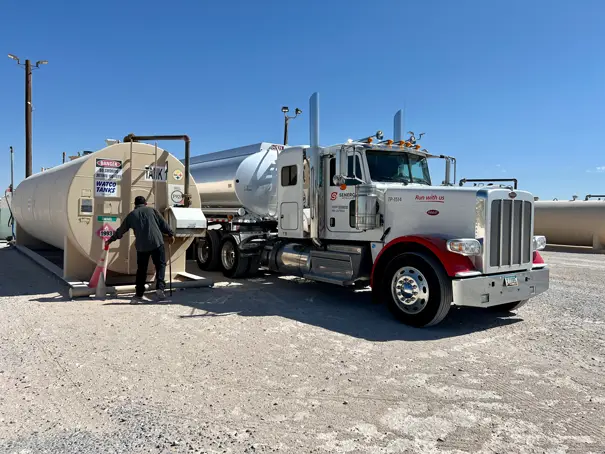
Onsite fueling systems involve installing fuel storage tanks at a company’s yard or facility. This setup effectively creates a private fueling station where drivers can refuel before or after their shifts. The model is often used by larger fleets because it reduces time spent traveling to offsite fueling stations and allows companies to purchase fuel in bulk. Bulk purchasing can help lower the per-gallon cost, making it an attractive option for businesses with consistent, high fuel usage.
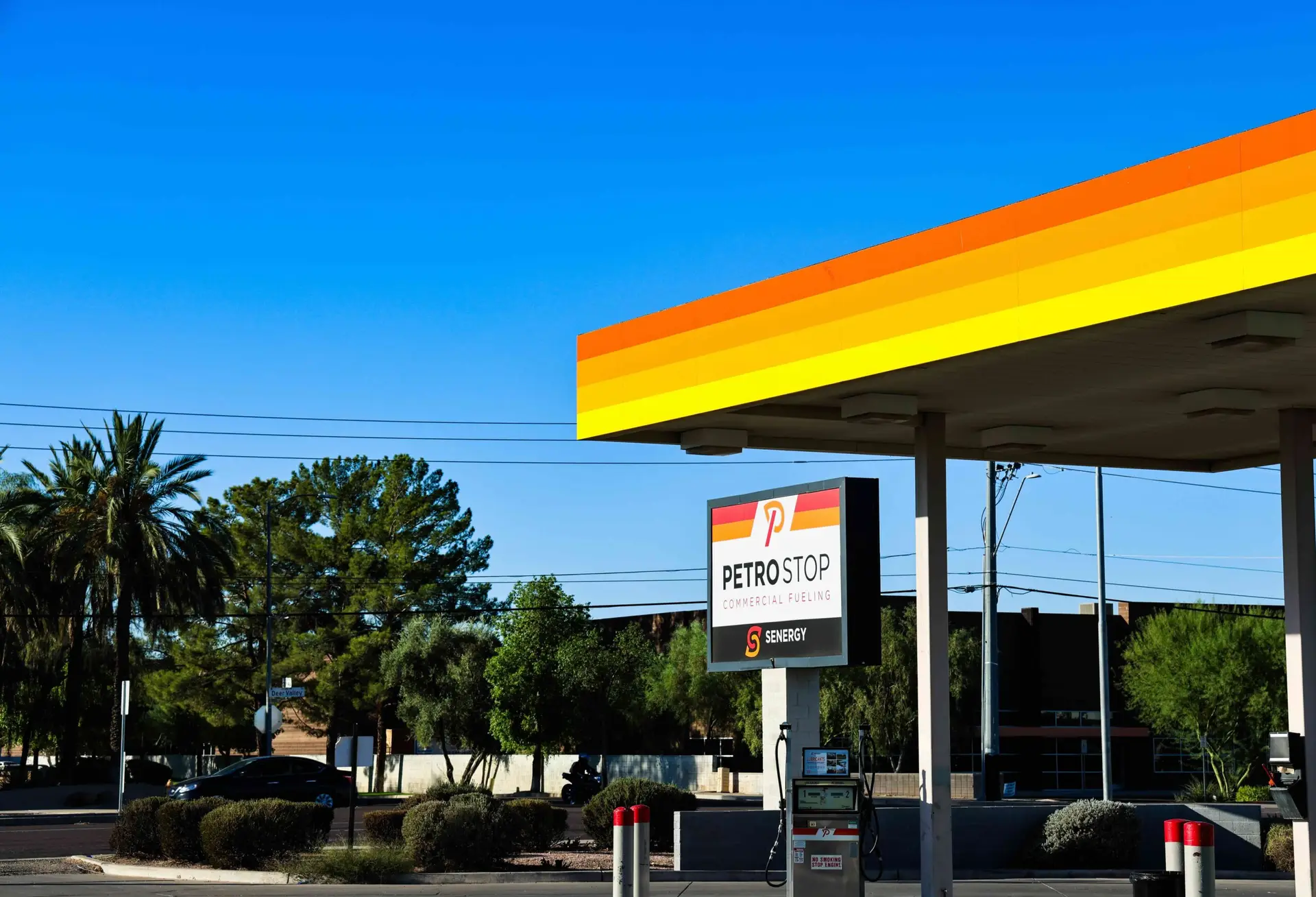
Cardlock fueling operates through a network of commercial fueling stations that drivers access using secure fleet cards. With this system, drivers refuel at designated cardlock locations and charge the fuel directly to the company account. Cardlock fueling is especially useful for fleets operating across large geographic areas, as it eliminates the need for onsite storage infrastructure while still providing fueling control, usage tracking, and detailed reporting.
What Is Fleet Fueling Cardlock Access?
Cardlock fueling systems are designed specifically for commercial fleets. Instead of relying on public retail gas stations, drivers access dedicated fueling locations using secure fleet cards. Each driver or vehicle is assigned a card or PIN that authorizes transactions at these stations, allowing businesses to maintain control over fueling activity and monitor usage.
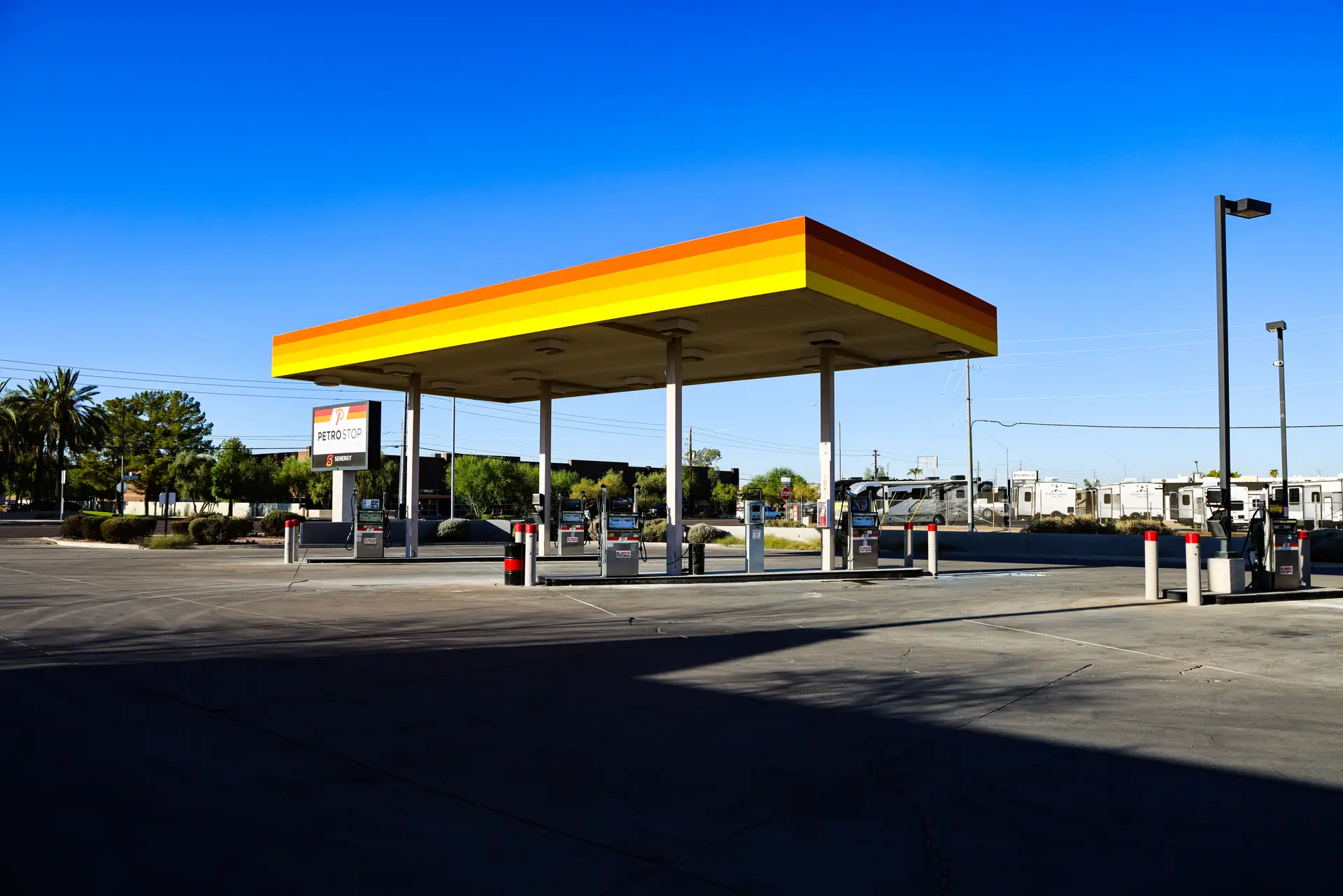
Unlike traditional retail stations, cardlock facilities are built to support commercial vehicles. Many locations feature larger fuel islands and high-flow pumps that allow trucks and heavy equipment to refuel quickly. These stations are typically positioned near major highways, distribution centers, and industrial corridors to support fleet operations and reduce travel time for drivers.
Another key advantage of cardlock fueling is detailed transaction visibility. Each fueling transaction records important data such as driver identification, vehicle identification, fuel type, fuel quantity, time, and location. Fleet managers can access this information through online dashboards, making it easier to monitor fuel usage, track spending, and identify irregular fueling activity.
For organizations that prioritize scalability and operational simplicity, cardlock fueling can play an important role in an efficient fuel management strategy.
The Operational Advantages of Onsite Fleet Fueling Systems
Companies operating centralized fleets often find that onsite fuel tanks provide significant operational advantages. One of the most noticeable benefits is convenience. When vehicles can refuel directly at the company yard or facility, drivers do not need to travel to external fueling stations. This helps reduce downtime, maintain efficient routes, and keep vehicles operating on schedule.
Another major advantage is the potential for cost savings through bulk fuel purchasing. Businesses with consistent, high fuel demand can often secure wholesale pricing that is lower than retail or cardlock fueling rates. Over time, these savings can help offset the initial investment required to install storage tanks, pumps, and fueling infrastructure.
Onsite fueling also offers a higher level of operational control. Because fueling occurs entirely within the company facility, managers can implement strict monitoring systems to track usage. Modern fuel management software can record each transaction, capture odometer readings, and analyze fuel consumption across the fleet. This data helps businesses identify inefficiencies, improve fuel management practices, and detect unauthorized fuel usage.
Why Cardlock Fueling Works for Mobile and Multi-Location Fleets
While onsite storage provides centralized fueling control, cardlock systems offer flexibility and scalability. This fueling option is especially beneficial for businesses operating mobile fleets or fleets that cover large geographic areas, as drivers can refuel wherever their routes take them.
Cardlock fueling stations are typically available 24/7 and are often located along major transportation routes. This accessibility allows drivers to refuel quickly without navigating crowded retail stations. Because these facilities are designed for commercial vehicles, they commonly feature high-flow pumps and layouts that accommodate trucks and heavy equipment more easily.
Another advantage is pricing transparency. Cardlock fueling programs often operate on negotiated or wholesale-based pricing rather than standard retail pump rates. This pricing structure can help businesses achieve lower per-gallon fuel costs compared to traditional gas stations.
Comparing the Costs of Onsite Fueling and Cardlock Systems
Cost is an important factor when comparing onsite fuel tanks and cardlock access systems. Each option comes with different financial considerations, and the best choice often depends on fleet size, fuel usage, and operational structure.
Onsite fueling systems typically require a higher initial investment. Businesses must purchase storage tanks, install pumping equipment, implement monitoring systems, and ensure compliance with applicable regulations. Ongoing equipment maintenance is also an important part of managing an onsite fueling setup.
However, these upfront costs can lead to long-term savings for fleets with high fuel consumption. Bulk fuel purchasing often provides more competitive pricing, and eliminating driver travel time to offsite fueling stations can help reduce operational inefficiencies.
In comparison, cardlock systems require little to no infrastructure investment. Companies simply enroll in a commercial fueling network and provide drivers with fleet fuel cards. This approach makes cardlock fueling an attractive option for small to mid-sized fleets or companies operating across multiple locations.
Selecting the Fuel Management Strategy
Choosing between onsite fuel tanks and cardlock access ultimately depends on aligning fueling infrastructure with operational needs. Fleet managers must evaluate factors such as vehicle routing, fueling frequency, fleet size, and geographic coverage when determining the most effective solution.
Onsite fueling is often most beneficial for organizations that operate centralized fleets returning to a depot or yard each day. This model is commonly used by delivery companies, municipal fleets, construction operations, and agricultural businesses where vehicles consistently operate from a single base of operations. In these cases, onsite fueling can improve efficiency, reduce fueling delays, and provide greater control over fuel management.
Cardlock systems, on the other hand, are often better suited for companies with vehicles that travel long distances or operate across multiple locations. Field service fleets, long-haul trucking operations, and contractors working across large service territories benefit from the flexibility of fueling along their routes without relying on a single fueling location.
The Best Alternative Fleet Fueling
There is no single solution that fits every fleet when comparing onsite fuel tanks and cardlock access systems. The most effective option depends on how well the fueling approach aligns with a fleet’s operational structure and daily fueling requirements.
Onsite fueling provides centralized control, opportunities for bulk fuel purchasing, and reduced driver downtime. This model is especially effective for organizations operating large fleets from a single location with consistent, high fuel usage. Over time, the initial infrastructure investment can be supported by improved efficiency and more favorable fuel pricing.
Cardlock systems, on the other hand, provide flexibility and scalability. Secure fleet cards allow drivers to access commercial fueling locations across a broad network without the need to install or maintain fuel storage infrastructure. This approach is often well suited for businesses with decentralized operations or smaller fleets that operate across multiple service areas.