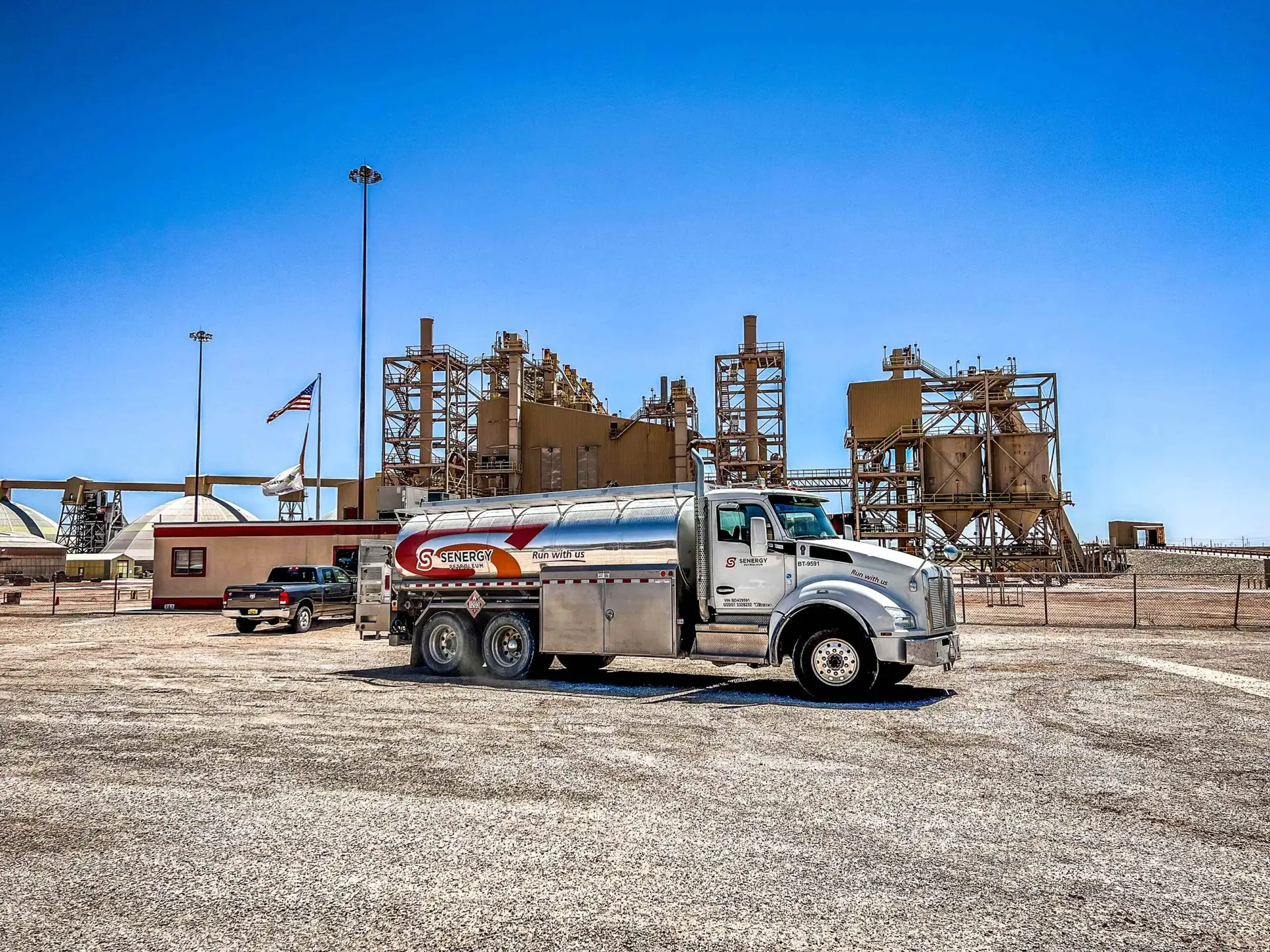
On-Site Fueling Solutions for Construction and Industrial Sites
Modern construction and industrial operations rely on efficiency, precision, and uninterrupted workflows. As project timelines tighten and operational costs continue to rise, businesses are adopting more efficient fueling strategies. On-site fueling—delivering fuel directly to equipment, vehicles, and storage tanks at the jobsite—has become a highly effective solution.
Traditional fueling methods, where operators leave the jobsite to refuel, are increasingly inefficient in high-demand environments. These trips reduce productivity, create unnecessary downtime, and introduce avoidable delays. On large-scale construction sites, even short refueling runs can accumulate into significant lost operational time each week.
Jobsite fuel delivery helps ensure that fleets, generators, and heavy equipment remain in operation without interruption. This is especially valuable in remote or large industrial locations where access to fuel may be limited or inconsistent.
For B2B operations, fuel is more than a supply—it is a critical driver of productivity and profitability. Companies that utilize mobile fueling services gain better control over fuel availability, improved scheduling efficiency, and reduced operational disruption.
On-site fueling has become a strategic operational necessity rather than a convenience. It supports consistent performance and helps businesses maintain a competitive advantage in demanding markets.
Reducing Downtime with Jobsite Fuel Delivery
Downtime is one of the most costly challenges in construction and industrial operations, as fuel shortages can halt equipment, disrupt workflows, and delay projects.
On-site fueling eliminates the need to transport equipment to off-site stations by delivering fuel directly to the jobsite on scheduled or off-hours deliveries, helping operations stay on track without interruption.
This ensures critical equipment like excavators, loaders, cranes, and generators remain active throughout the workday, reducing idle time and improving productivity.
Proactive scheduling also helps maintain a consistent fuel supply, reducing unexpected disruptions and improving overall operational reliability.
For companies managing multiple sites, reducing downtime directly improves efficiency, productivity, and the ability to meet project deadlines.
How Mobile Fueling Improves Productivity and Efficiency on Job Sites
Success in construction and industrial operations is driven by productivity. Every minute saved contributes to improved output and more efficient use of resources. Mobile fueling services enhance efficiency by eliminating the need for manual refueling processes.
Instead of drivers and operators leaving the jobsite to refuel equipment, fuel is delivered directly on-site. This allows teams to remain focused on core tasks, improving overall operational efficiency.
One of the key advantages of mobile fueling is overnight or off-shift refueling. Equipment and vehicles are fully fueled before the workday begins, ensuring they are ready for immediate use. This reduces morning delays and supports a faster start to daily operations.
Centralized fuel management also improves coordination and oversight. Businesses gain detailed fuel usage reporting, supporting better planning and operational accountability. These insights help identify inefficiencies and optimize resource allocation.
On large-scale projects, even small productivity improvements can lead to significant cost savings. Fuel delivery solutions that support uninterrupted operations help businesses maximize output while minimizing wasted time and effort.
Mobile fueling services reduce logistical challenges and enable consistent, reliable performance across job sites.
Cost Control and Financial Efficiency with On-Site Fuel Delivery
Fuel costs represent a significant portion of operating expenses in the construction and industrial sectors, making effective cost management essential for maintaining profitability. On-site fuel delivery provides a structured approach to controlling these expenses.
One of the primary advantages is more consistent pricing. Businesses can secure fuel through bulk purchasing, helping reduce exposure to retail market fluctuations. This supports more accurate budgeting and long-term financial planning.
On-site fueling also eliminates many hidden costs associated with off-site refueling, including labor time spent traveling to fuel stations, increased vehicle wear and tear, and fuel consumed during transit. Over time, these indirect expenses can significantly impact overall operating costs.
Another key benefit is improved accountability. Mobile fueling services utilize metered delivery systems and digital tracking to ensure accurate fuel measurement, reducing the risk of errors, loss, or mismanagement.
Centralized invoicing and reporting further streamline financial operations, simplifying accounting processes and improving visibility into fuel spend.
For companies managing multiple locations or large fleets, on-site fueling is a strategic solution that supports long-term financial stability while improving operational efficiency.
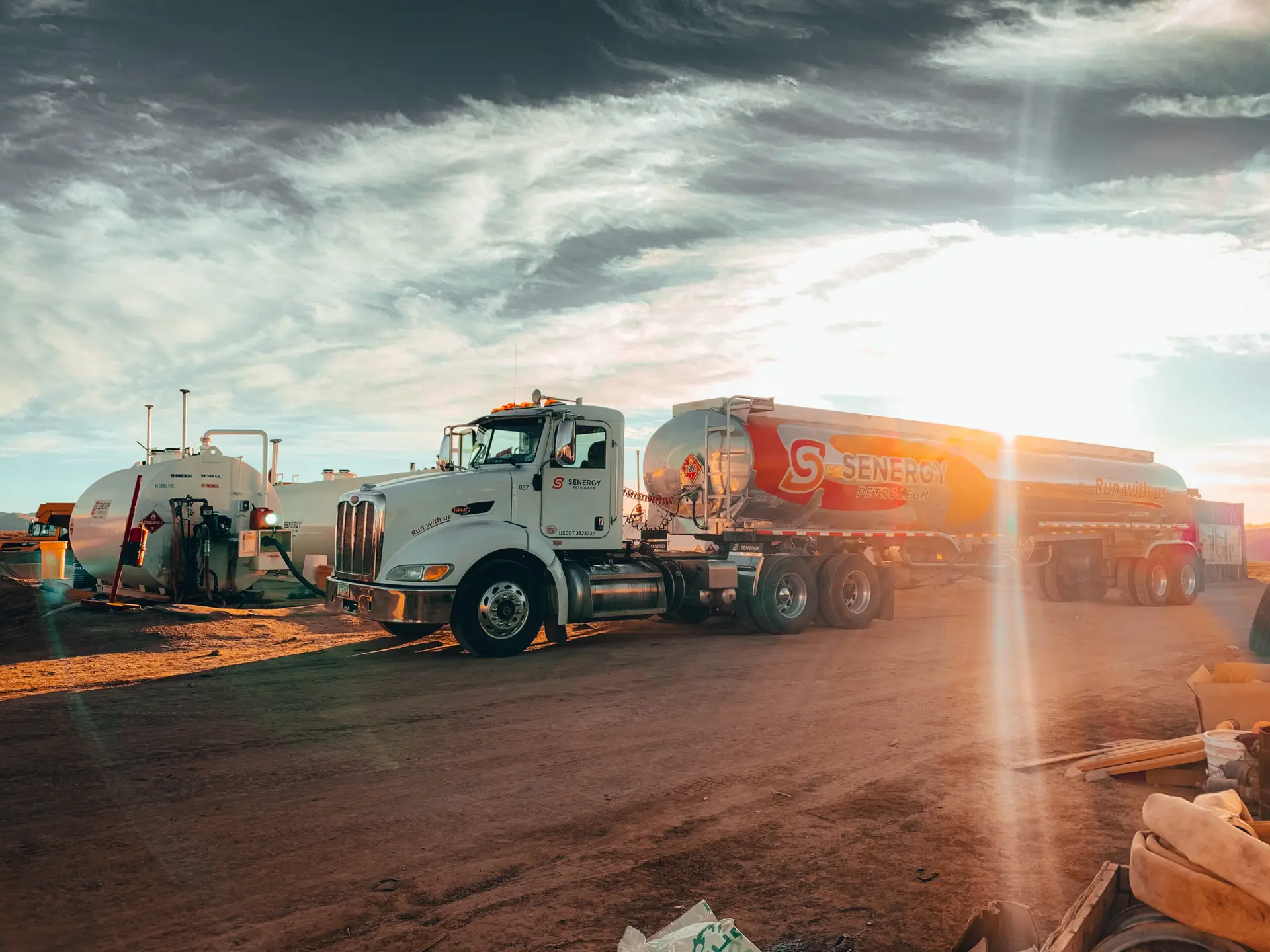
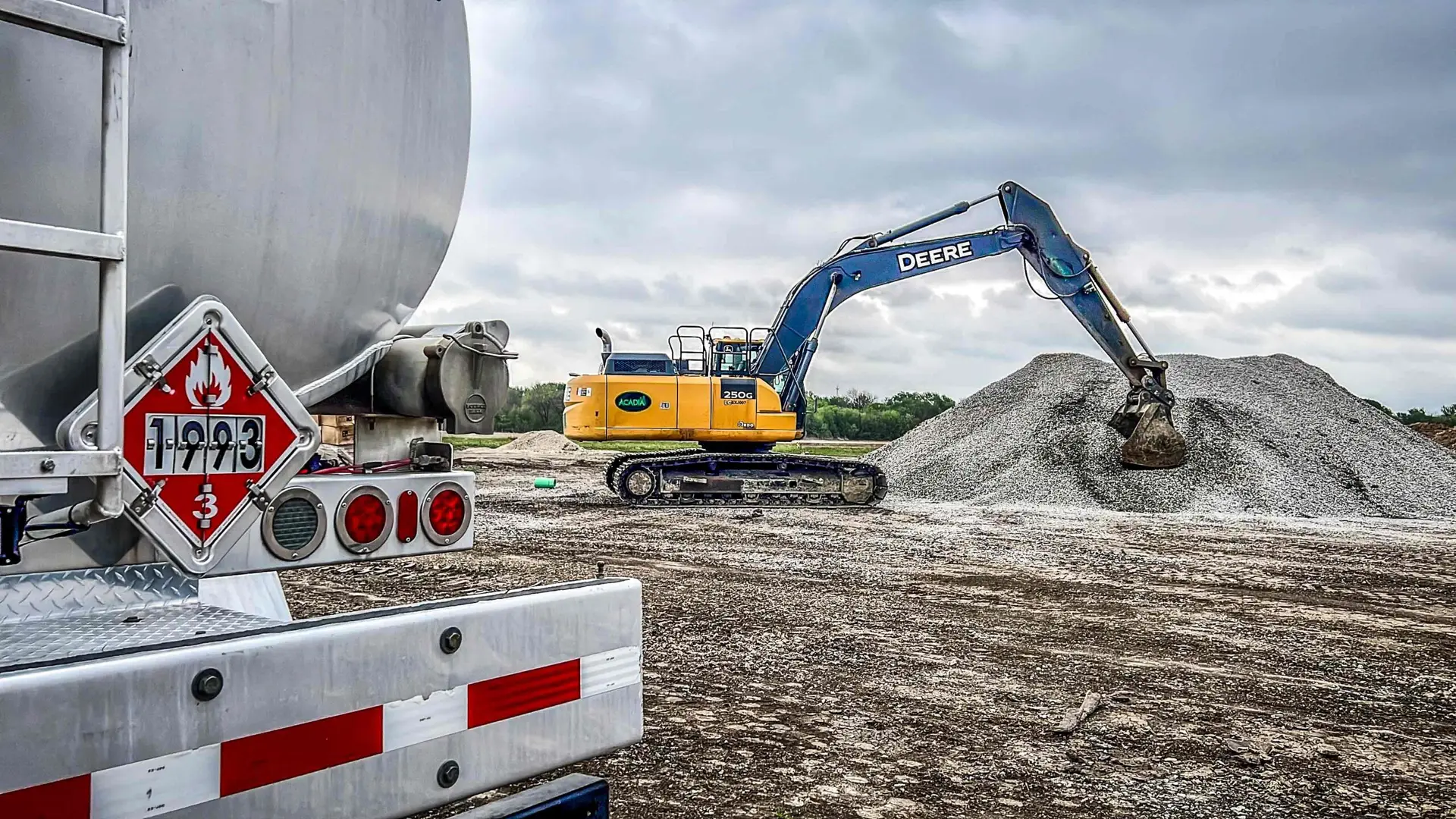
Enhancing Job Site Safety and Compliance
Safety is a critical priority in construction and industrial environments. Frequent vehicle movement to and from off-site fueling locations increases the risk of accidents, site congestion, and operational hazards.
On-site fueling improves safety by reducing the need for equipment and vehicles to leave the jobsite. This limits traffic movement and supports a more controlled, organized work environment.
Professional fueling providers operate under strict safety protocols and use specialized equipment designed for safe fuel handling. This helps reduce the risk of spills, leaks, and operational disruptions.
Compliance with safety and regulatory standards is also more straightforward. Fueling providers follow established industry requirements, helping reduce exposure to violations, penalties, and legal risk.
In addition, fewer disruptions on-site contribute to better workflow organization. Crews remain focused on core tasks without interruptions related to refueling logistics.
For industrial operations, maintaining a safe and compliant work environment is essential for protecting personnel, equipment, and overall productivity. On-site fueling supports these goals by reducing risk and improving operational control.
Improving Fuel Visibility and Control Through Mobile Fuel Management
Effective fuel management is essential for controlling costs and optimizing operational performance. Traditional systems often rely on manual tracking, which can lead to inaccuracies and inefficiencies.
Mobile fueling services improve visibility through advanced tracking and reporting systems. Businesses can monitor fuel consumption by equipment, jobsite, and time period with greater accuracy.
This data-driven approach supports better decision-making. Organizations can identify usage patterns, reduce waste, and implement strategies to improve overall fuel efficiency.
Digital reporting also reduces administrative workload by consolidating all fuel data into a single system. This eliminates manual recordkeeping and helps reduce the risk of human error.
Increased visibility further strengthens accountability. Every fuel delivery is recorded, creating transparency and helping reduce the risk of misuse or discrepancies.
For large-scale construction and industrial operations, clear insight into fuel consumption is a significant operational advantage. It enables better control, improved efficiency, and more effective management of a critical operational resource.
Flexible and Scalable On-Site Fueling Solutions
Construction and industrial operations vary widely in scope and complexity, requiring flexible fueling solutions that can adapt to changing project demands. On-site fueling provides that flexibility across a range of operational needs.
Whether supporting a small jobsite or a large-scale operation, jobsite fuel delivery can be customized to specific requirements. Providers offer scheduled deliveries, emergency refueling, and tailored service plans to match operational demands.
This adaptability is especially important in remote locations where access to traditional fueling infrastructure may be limited. Direct fuel delivery helps ensure continuous operations without interruption.
Scalability is another key advantage. Fueling services can be adjusted as projects expand, contract, or shift phases, ensuring businesses receive the right level of support without unnecessary expense.
For industrial operations, flexibility plays a critical role in maintaining efficiency. Scalable fueling solutions that align with project needs provide a clear operational advantage in dynamic environments.
On-Site Fueling for Construction
The shift to on-site fueling reflects the growing need for efficiency, cost control, and reliability in construction and industrial operations. Mobile fueling and jobsite delivery solutions help reduce downtime, improve productivity, and strengthen safety across projects.
With advancements in real-time tracking and automated reporting, businesses gain greater control and visibility over fuel usage. Senergy provides on-site fueling solutions designed to keep operations running efficiently, cost-effectively, and without interruption.