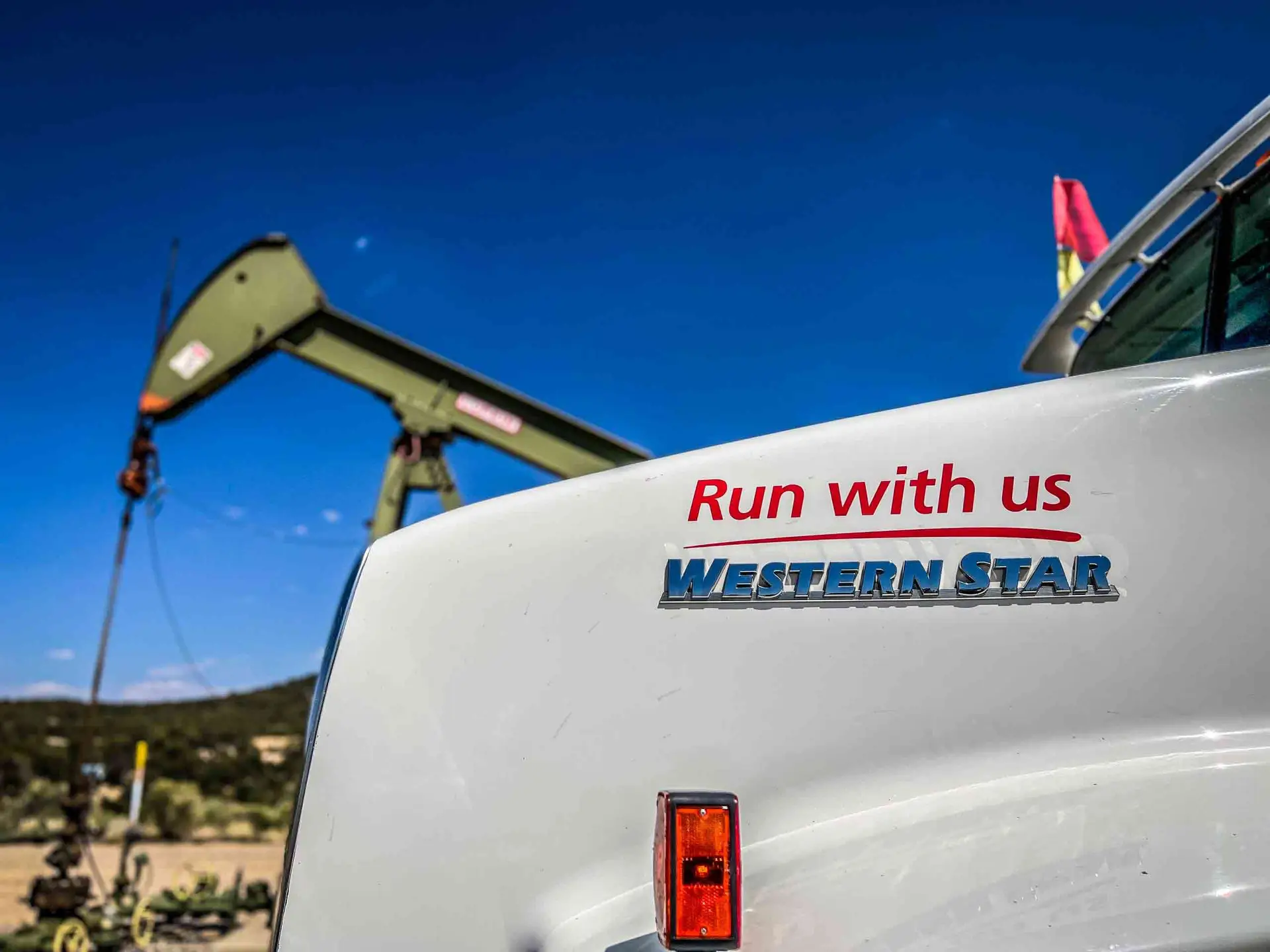
Oil Field Services: Support for 24/7 Onsite Needs
In today’s drilling and extraction operations, continuous performance, operational precision, and rapid technical response are essential. Downtime in oil production directly impacts productivity, logistics, and revenue, making reliable support services critical to maintaining uptime. Oilfield services form the foundation of the energy sector, covering drilling support, maintenance, fuel delivery, and workforce coordination to ensure uninterrupted operations. For companies operating in remote or hard-to-access locations, dependable onsite support capable of performing in demanding conditions and adapting to fluctuating production needs is essential.
Demand for oilfield fuel services has increased significantly due to the need for consistent fuel supply to equipment, generators, pumps, and heavy machinery. Delays in fuel delivery can bring drilling activity to a halt, create operational setbacks, and disrupt crew logistics. To address these challenges, service providers now utilize advanced scheduling systems, GPS tracking, and emergency dispatch capabilities to ensure timely response. Onsite and frac-site fueling solutions are also widely used in hydraulic fracturing operations, where multiple assets require continuous fueling support. These solutions help maintain operational continuity while supporting safe and efficient field performance.
Optimizing Oilfield Fuel Management
Fuel management is a critical component of any oil and gas operation, as drilling rigs and fleet vehicles require a consistent and reliable energy supply. Oilfield fuel services are designed to provide continuous fueling support for drilling rigs, frac fleets, compressors, generators, and transport vehicles operating in remote locations. These services are structured to maintain operational continuity and minimize downtime caused by fuel shortages. Fueling partners play a key role in ensuring timely delivery, particularly in high-demand regions where drilling activity is ongoing and equipment is in constant use.
Modern fuel service providers utilize advanced fleet management systems and real-time monitoring technology to track fuel levels across multiple sites. This visibility helps operators reduce the risk of fuel-related interruptions while improving overall fuel efficiency. Scheduled delivery planning further supports operational coordination and simplifies resource management across active job sites. Safety remains a central focus, with strict handling procedures and compliance with applicable operational and workplace regulations to ensure secure and reliable fuel distribution.
Fueling Support for Hydraulic Fracturing Operations
Hydraulic fracturing operations involve high fuel consumption, heavy-duty equipment, and continuous field activity. As a result, fueling is a critical support function for unconventional oil and gas production. Onsite fueling teams operate directly at drilling and completion locations to maintain equipment performance throughout the fracturing process. Inefficient fuel coordination can lead to operational delays, reduced productivity, and increased costs for operators.
Most frac sites rely on multiple systems running simultaneously, including pumps, blenders, generators, water transfer systems, and transport units operating for extended durations. Careful planning and real-time monitoring of fuel usage across this equipment is essential. Specialized oilfield fuel services support these demands through rapid fuel delivery, mobile fueling solutions, and emergency response capabilities. This structure allows field crews to stay focused on production targets rather than logistical challenges.
Safety and operational control remain key priorities during fueling activities. Established handling procedures are followed to ensure consistent and secure operations in the field. In addition, advanced communication systems enable effective coordination between fueling teams, site managers, and field supervisors to maintain efficient workflow across active job sites.
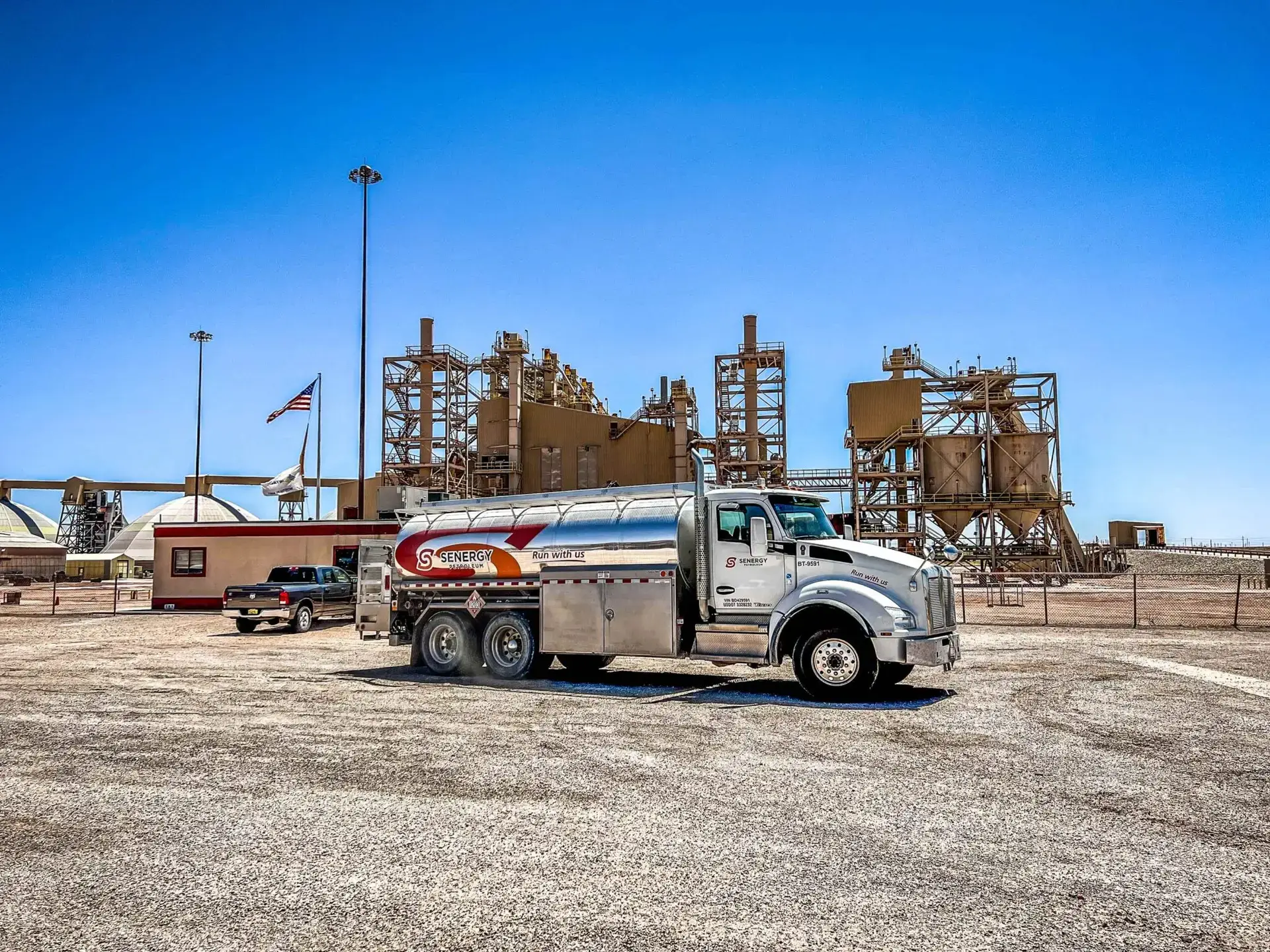

The Importance of Onsite Oilfield Support in Remote Operations
Many oil and gas projects are located in remote regions with limited infrastructure, transportation access, and emergency response capabilities. In these environments, reliable onsite support is essential to maintain operational continuity and protect personnel. Oilfield service providers deliver critical support functions, including fuel management, equipment servicing, technical troubleshooting, logistics coordination, and emergency response. Their ability to respond quickly helps operators resolve issues that could otherwise interrupt production.
Drilling locations are often difficult to access and subject to challenging conditions such as extreme weather, uneven terrain, and limited communications. These factors place additional pressure on crews working extended shifts. Oilfield fuel services help address these challenges by ensuring a consistent fuel supply to generators, drilling rigs, and transport vehicles, even under demanding field conditions. Continuous fueling and service support helps reduce delays and keeps operations on schedule.
Beyond rig personnel, fueling crews play an essential role in supporting projects located far from established infrastructure. With mobile fueling systems, trained field staff, and rapid response capabilities, these teams help minimize downtime and maintain operational efficiency. Onsite support also improves coordination between field teams and operational management, supporting productivity throughout the full project lifecycle.
Safety and Compliance in Oilfield Fuel Services
In today’s energy operations, safety and regulatory compliance remain top priorities. The oilfield industry operates under strict standards that service providers must follow to protect workers, reduce operational risk, and maintain safe field conditions. Fueling teams receive specialized training to ensure proper handling of fuel systems and compliance with all relevant regulations.
Frac Sit Fueling Operations
Frac site fueling operations require additional oversight due to high-pressure equipment, heavy machinery, and continuous activity in the field. To support safe operations, service providers use structured inspection programs, emergency response protocols, and spill prevention procedures. Routine equipment inspections and maintenance also help reduce the risk of mechanical issues that could disrupt operations or create safety hazards.
The Value of Reliable Oilfield Fuel Services
Energy companies rely on trusted service partners to maintain consistent operations, reduce downtime, and improve overall project efficiency. Oilfield service providers deliver more than fuel alone, supporting multiple phases of drilling, production, and completion activities. Long-term partnerships help operators streamline logistics, manage costs more effectively, and gain access to experienced field personnel who understand the demands of high-intensity production environments.
A key advantage of dependable oilfield fuel services is operational reliability. Real-time fuel tracking provides visibility into consumption across job sites, helping operators prevent unexpected downtime and plan deliveries more effectively. Service providers also support more efficient fuel usage, contributing to improved operational control and better equipment performance over time.
Frac site fueling specialists provide additional value in time-sensitive hydraulic fracturing operations. Their ability to deliver rapid, precise fueling support helps maintain continuous activity across high-demand job sites. Strong onsite coordination also enhances communication between field teams, supervisors, and logistics personnel, supporting smoother operations and improved execution in the field.
The Future of Oilfield Fuel Services
The future of oilfield services will be driven by improved efficiency, stronger logistics coordination, and the continued adoption of advanced technologies that enhance operational performance.
As drilling operations move into more remote and technically complex areas, the demand for responsive and highly skilled service providers will continue to grow.