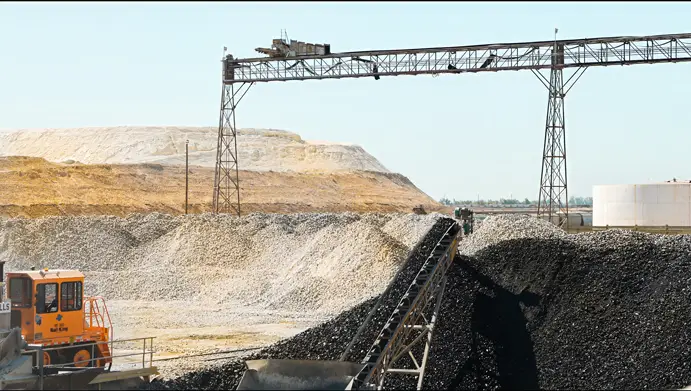
Mining Operations: Keeping Heavy Equipment Fueled Without Downtime
In mining operations, uptime drives productivity. Every minute equipment sits idle due to fuel disruptions increases operating costs and slows production. Mining sites are often remote and demanding, which makes fuel delivery and logistics complex and difficult to predict. Reliable mining fuel solutions play a critical role in keeping heavy equipment—such as haul trucks, loaders, dozers, and drills—running without interruption. These solutions address the realities of mining environments where traditional fueling infrastructure is not practical.
Mining fuel solutions extend far beyond basic fuel delivery. They include strategic planning, fuel inventory management, and on-site coordination designed to align fueling with production schedules. Because operators cannot afford to leave equipment to refuel, fuel delivery must come directly to the machinery. This approach requires a detailed understanding of equipment requirements, fuel consumption rates, and optimal refueling intervals to reduce downtime. Effective fuel management directly supports operational efficiency, safety, and long-term profitability in demanding mining operations.
Proactive Fuel Management for High-Demand Mining Equipment
Heavy equipment such as haul trucks and excavators is built for power and endurance, but it also consumes significant volumes of fuel. Without proper planning and timely delivery, equipment can run out of fuel mid-shift, forcing operators to stop work and wait for refueling. Mining fuel solutions address this challenge by tracking usage patterns and accurately forecasting fuel demand. Fuel consumption in mining varies by equipment type, workload, and operating conditions, which makes ongoing evaluation essential.
Fueling heavy equipment on a mining site cannot be reactive. Instead, it requires a proactive, data-driven approach supported by detailed reporting and forecasting. Fuel consumption data is analyzed to determine precise refueling intervals, allowing delivery schedules to align with operational needs. This level of fuel management reduces the risk of equipment idling due to fuel shortages, which can disrupt production and contribute to unnecessary equipment wear. A clear understanding of fuel requirements enables mining operations to build reliable fueling strategies that support consistent output and prevent costly interruptions.
The Role of Remote Fuel Delivery
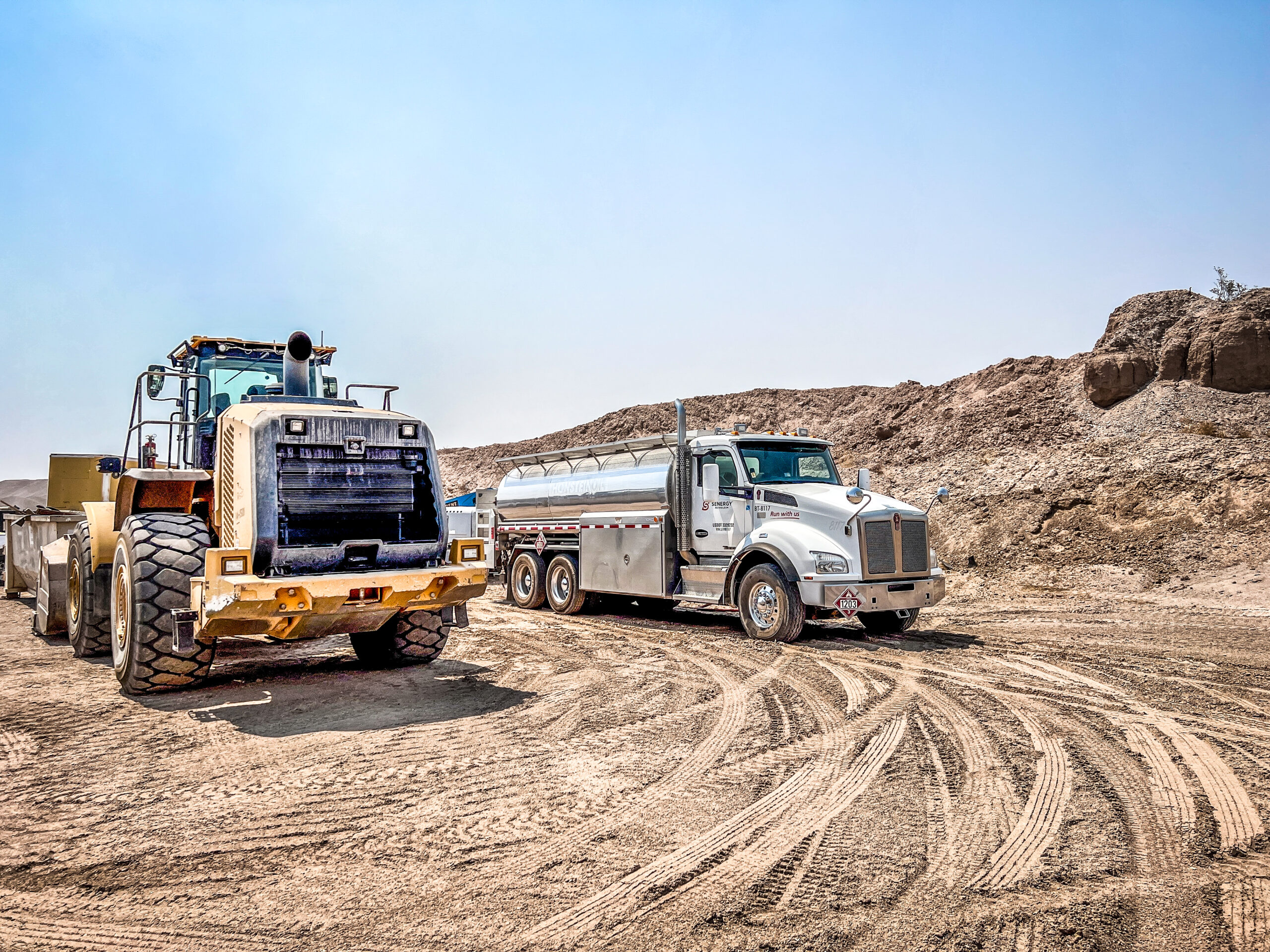
Remote fuel delivery is a critical component of modern mining fuel solutions. In most mining operations, fixed fueling stations are not practical due to the scale and mobility of equipment. Instead, fuel must be delivered directly to the worksite. Remote fuel delivery uses bulk tankers or mobile fueling units to refuel equipment on-site, eliminating travel time to centralized fueling locations and keeping machinery operating longer.
Executing remote fuel delivery requires precise logistics and strict coordination. Drivers must navigate challenging terrain while working closely with site supervisors to avoid disrupting production schedules. By planning deliveries around projected fuel demand, operations can reduce unnecessary fueling stops and maximize productive time for both operators and support teams. When integrated into a broader fuel management strategy, remote fuel delivery ensures a reliable fuel supply exactly where and when it is needed. This approach supports consistent productivity and improves jobsite safety by minimizing unnecessary equipment movement across the site.
Benefits of Efficient Mining Fuel Services
Efficient mining fuel services deliver benefits that extend across the entire operation. The most immediate advantage is reduced downtime. When fuel is available at the right time and location, equipment operates longer and production targets remain on track. Beyond uptime, well-managed fuel logistics also help control fuel inventory and limit unauthorized consumption, reducing unnecessary fuel expenses. These savings come not only from improved productivity but also from tighter control over fuel costs.
Comprehensive mining fuel services often include advanced monitoring and reporting systems that track deliveries, usage, and remaining inventory. Accurate data allows managers to make informed decisions, such as adjusting delivery schedules, optimizing fueling locations, or reallocating resources. This level of visibility helps teams identify inefficiencies, resolve logistical challenges, and continuously improve fueling strategies. The result is a more reliable and controlled fueling operation that supports safety, consistency, and long-term operational performance, even in the most demanding mining conditions.
Safety-Driven Fuel Management in Mining Operations
Fuel management in mining operations involves inherent risk due to the large volumes of fuel required and the remote nature of many sites. Heavy equipment fueling demands strict control and disciplined procedures to protect personnel and equipment. Effective mining fuel services follow established safety protocols that include comprehensive training for fuel handlers, proper storage and transfer procedures, and clearly defined emergency response plans.
Safety begins with thorough planning and precise execution. Fuel transport teams must understand site-specific risks, follow organized fueling processes, and use properly maintained equipment. Tanks, hoses, and transfer components require regular inspection to prevent failures during fueling operations. Spill control tools, such as drip pans and containment materials, must be readily available at all fueling locations. Clear communication between fueling crews and site supervisors is also essential to ensure fueling occurs in designated safe zones, away from active operations or high-traffic areas. When safety remains a priority, mining fuel services reduce the risk of incidents that can lead to injuries, equipment damage, and costly operational delays.
How Technology Is Enhancing Mining Fuel Management
Advancements in technology have transformed mining fuel services, making heavy-duty fueling more efficient and dependable. GPS tracking and telematics allow operations to monitor equipment locations and estimate fuel consumption in real time. Fuel management software analyzes usage patterns and integrates with remote delivery scheduling systems to determine the most efficient delivery windows. Mobile tools equipped with fueling applications give field teams immediate access to inventory levels and delivery updates.
Technology-driven fuel management improves decision-making and reduces uncertainty. Automated alerts notify managers when fuel levels approach critical thresholds, allowing action to be taken before operations are disrupted. Telematics data also helps identify fuel inefficiencies that may signal mechanical issues or the need for preventive maintenance. By consolidating data from multiple sources, mining fuel services become more precise and responsive to operational demands. As technology continues to advance, fuel logistics can be further streamlined to support uninterrupted equipment performance across mining sites.
Coordinating Fuel Delivery With Mining Production Schedules
Seamless integration between fueling operations and overall mining production schedules is essential to maintaining continuous output. Fuel deliveries must align with operational timelines to avoid disrupting active work. Achieving this coordination requires close collaboration among drilling, hauling, maintenance, and fueling teams, especially in dynamic environments where priorities can change quickly.
Fuel planners work closely with production managers to understand operating patterns and peak utilization periods. Heavy equipment fueling is often scheduled during planned breaks, shift changes, or low-activity windows to minimize interference with production. With accurate forecasting and remote fuel delivery capabilities, fueling teams can respond efficiently to changes in production demand. This level of coordination ensures fuel availability aligns with site operations, improves productivity, and prevents equipment from sitting idle due to fuel delays.
Improvement in Mining Fuel Management
Effective mining fuel services continue to improve through performance data, operational reviews, and field feedback. Fuel usage trends, delivery performance, and operator input help refine fueling strategies and address issues before they disrupt production. This continuous improvement approach strengthens reliability, controls fuel costs, and ensures heavy equipment stays fueled when it matters most: supporting safe, efficient, and consistent mining operations.