Mining Operations: Fueling High-Torque, High-Demand Equipment
Mining operations rely on powerful equipment to extract, transport, and process raw materials. Haul trucks, excavators, drills, and loaders perform demanding tasks in challenging environments where durability and reliability are essential. At the center of these operations is a dependable supply of mining fuel that keeps equipment running around the clock. Without consistent fueling, even the most advanced mining machines can quickly come to a halt.
Mining sites commonly operate heavy equipment 24 hours a day, moving hundreds of tons of material during each shift. These demanding workloads require engines that deliver durability and sustained torque. Diesel engines continue to dominate the mining industry because they provide the power and efficiency required for high-performance operations. Their ability to produce strong torque and maintain consistent output under heavy loads makes them well suited for large mining fleets.
Mining operations are also frequently located in remote areas where energy access is limited. For this reason, effective fuel logistics are essential to maintaining continuous operations. Reliable fuel planning and delivery help reduce downtime, support productivity, and protect operational profitability.
Fuel Management Strategies for High-Demand Mining Operations
Mining operations depend on high-capacity equipment operating continuously to maintain production targets. Every machine requires a consistent supply of heavy-equipment fuel to perform reliably. Fuel powers engine performance while also supporting hydraulic systems, auxiliary generators, and other essential components that keep equipment functioning efficiently across the jobsite.
Fuel consumption in mining operations is significant. In many cases, fuel costs account for approximately 3 to 10 percent of total mine operating expenses, making fuel management a critical component of operational planning. In open-pit mining environments, where large haul trucks and excavators operate around the clock, daily fuel usage can reach thousands of liters.
Because production schedules rely on continuous equipment operation, fuel shortages can quickly lead to costly delays. When haul trucks, loaders, or other critical machines are forced to stop due to a lack of fuel, the entire production chain can be disrupted. For this reason, mining companies prioritize efficient fuel management systems that track usage, monitor inventory levels, and coordinate refueling schedules to support uninterrupted operations.
Remote Delivery of Mining Bulk Diesel
Mining operations are often located far from major infrastructure, making traditional fueling methods impractical. To maintain productivity, mining companies rely on large-scale diesel delivery systems that provide bulk fuel directly to the site.
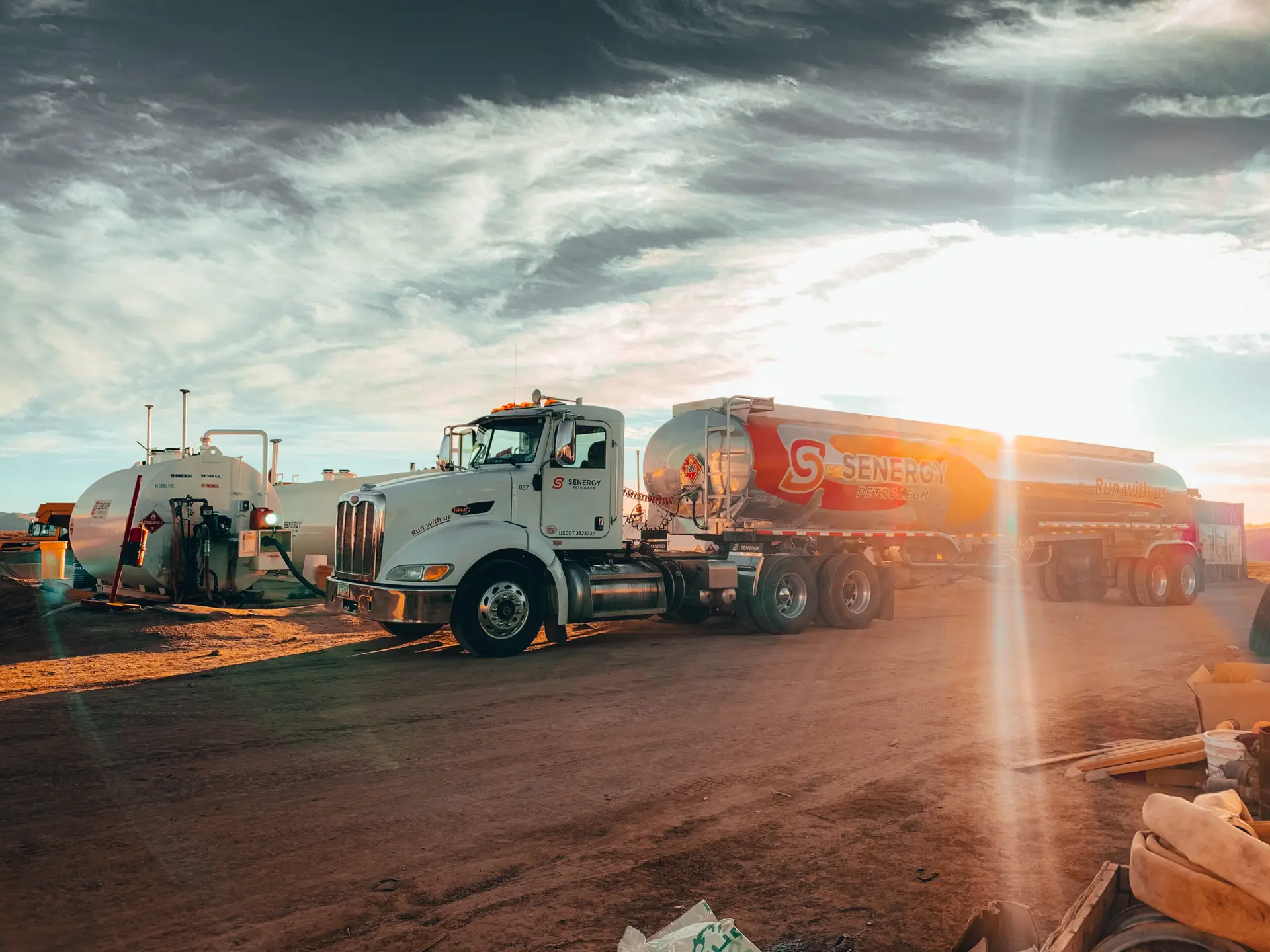
Bulk diesel delivery requires coordinated logistics that manage the distribution, transportation, and storage of fuel. Tanker trucks, storage tanks, and mobile refueling units are commonly used to move fuel across rough terrain and deliver it where it is needed most. These systems help ensure equipment receives fuel on schedule and operations remain consistent.
Remote mining sites may also face logistical challenges such as limited road access and unpredictable weather conditions. These factors make accurate fuel planning essential. Mining operators must forecast fuel consumption and schedule deliveries in advance to prevent shortages that could interrupt production.
In addition to transportation logistics, on-site fuel storage plays an important role in maintaining operational continuity. Many mining operations utilize large storage tanks capable of holding several days or even weeks of fuel supply. This reserve capacity helps protect operations from delays related to transportation issues, weather disruptions, or supply fluctuations.
Reducing Downtime with Strategic Fuel Management in Mining Operations
Downtime is one of the most costly operational risks in high-production mining environments. Equipment that sits idle due to fuel shortages can disrupt entire workflows and reduce overall efficiency. For this reason, modern mining operations invest in strong fuel logistics strategies designed to keep equipment running without interruption.
An effective mining fuel supply system often includes real-time fuel monitoring, automated inventory tracking, and fuel consumption forecasting. These technologies allow operators to accurately track demand and schedule fuel deliveries before supplies reach critical levels.
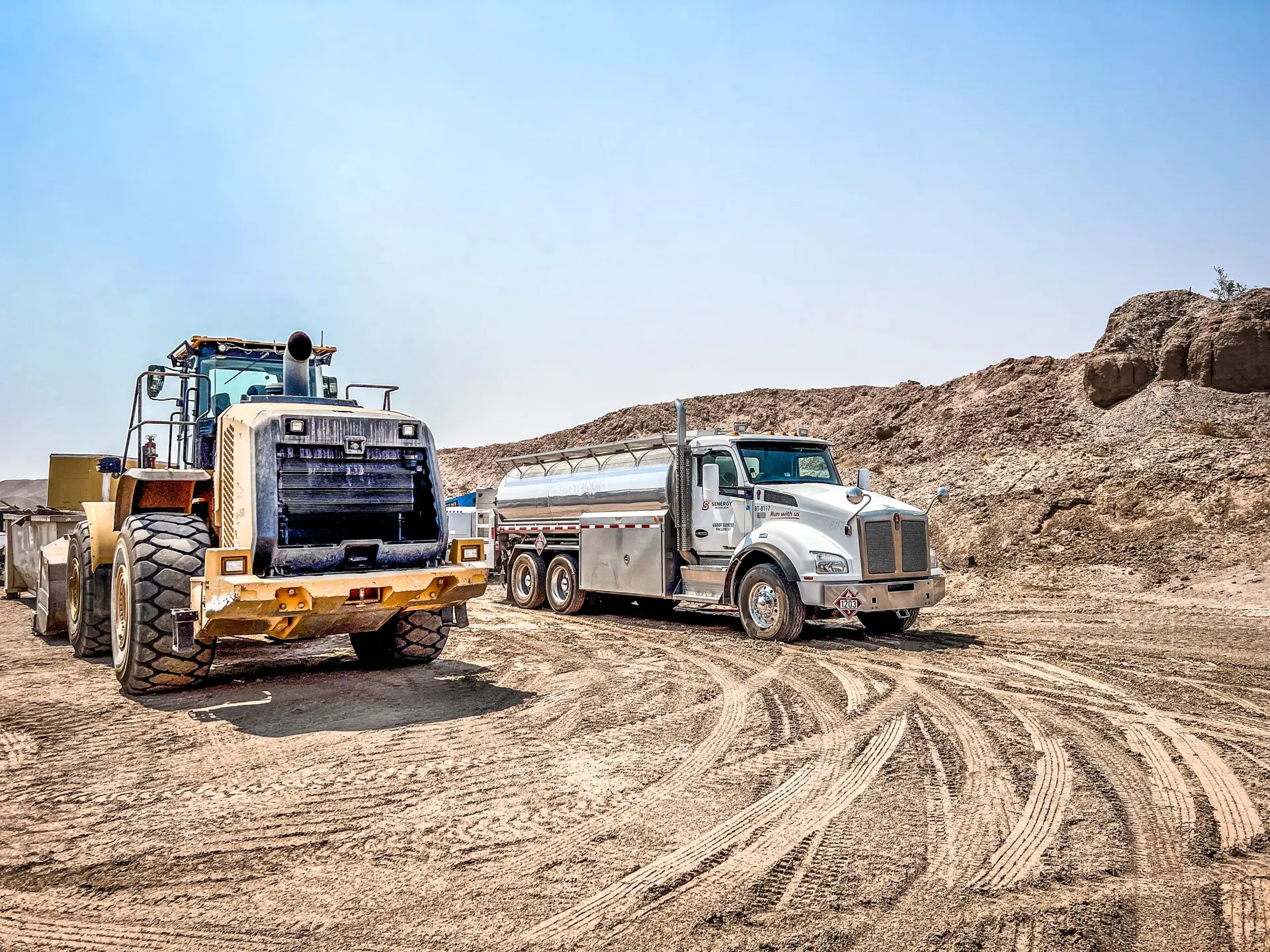
On-site refueling is another strategy that improves operational efficiency. Mobile fueling units can refuel equipment directly in the field, eliminating the need for operators to travel long distances to centralized fueling stations. This approach reduces travel time and helps maintain consistent production throughout the shift.
Mining operations also improve reliability by implementing redundant fuel storage systems. Multiple storage tanks positioned across the site help ensure fuel availability, even if one storage point becomes temporarily unavailable. This added capacity supports continuous operations and helps prevent costly interruptions.

Technology Changing the Fuel Management in Mining
Digital technologies are transforming how mining companies manage heavy-equipment fuel and monitor overall fuel consumption. Modern fuel management systems use sensors, telematics, and data analytics to provide real-time visibility into equipment performance and fuel usage across mining operations.
Sensors installed on fuel tanks and equipment engines automatically track fuel levels and consumption rates. This data is transmitted to centralized monitoring platforms, allowing operators to analyze trends and optimize fueling schedules. Real-time insights can also help identify inefficiencies, such as excessive idling or irregular fuel usage, enabling faster operational adjustments.
Telematics systems also allow fleet managers to monitor the performance of high-load diesel engines across mining fleets. By analyzing engine performance data, operators can identify potential maintenance issues early and ensure equipment continues operating at peak efficiency.
Safety Practices for Diesel Fuel Storage and Delivery
Mining operations that handle large volumes of diesel fuel require strict safety procedures. Improper fuel storage or transfer can create risks for workers, equipment, and operational infrastructure. For this reason, mining companies implement structured safety systems to manage the bulk delivery and storage of diesel fuel.
Fuel storage facilities at mining sites are typically equipped with spill containment systems, leak detection technology, and reinforced storage tanks. These systems help control fuel handling and support safe storage practices across the operation. Regular inspections and maintenance of fuel infrastructure are also essential to ensure storage systems remain reliable and operational.
Transporting fuel to remote mining locations also requires specialized training for logistics teams. Fuel handlers and drivers must follow hazardous material regulations and strict safety procedures when loading, transporting, and unloading diesel fuel. Proper training and compliance with safety standards help ensure fuel logistics are handled efficiently and responsibly.
The Future of Fuel Logistics
Mining operations continue to depend on reliable fuel supply systems and high-performance equipment to maintain productivity. As mining expands into deeper and more remote locations, dependable fuel logistics become even more critical to keeping equipment operating without interruption.
Advances in engine design are improving the performance of high-load diesel engines, delivering strong power output with greater fuel efficiency. At the same time, mining companies are investing in smarter bulk diesel delivery networks that use predictive analytics, automated inventory systems, and advanced planning tools to strengthen fuel supply chains.
Despite ongoing changes in energy technology, diesel-powered equipment remains essential in mining due to its reliability and ability to deliver the high power required for demanding operations.