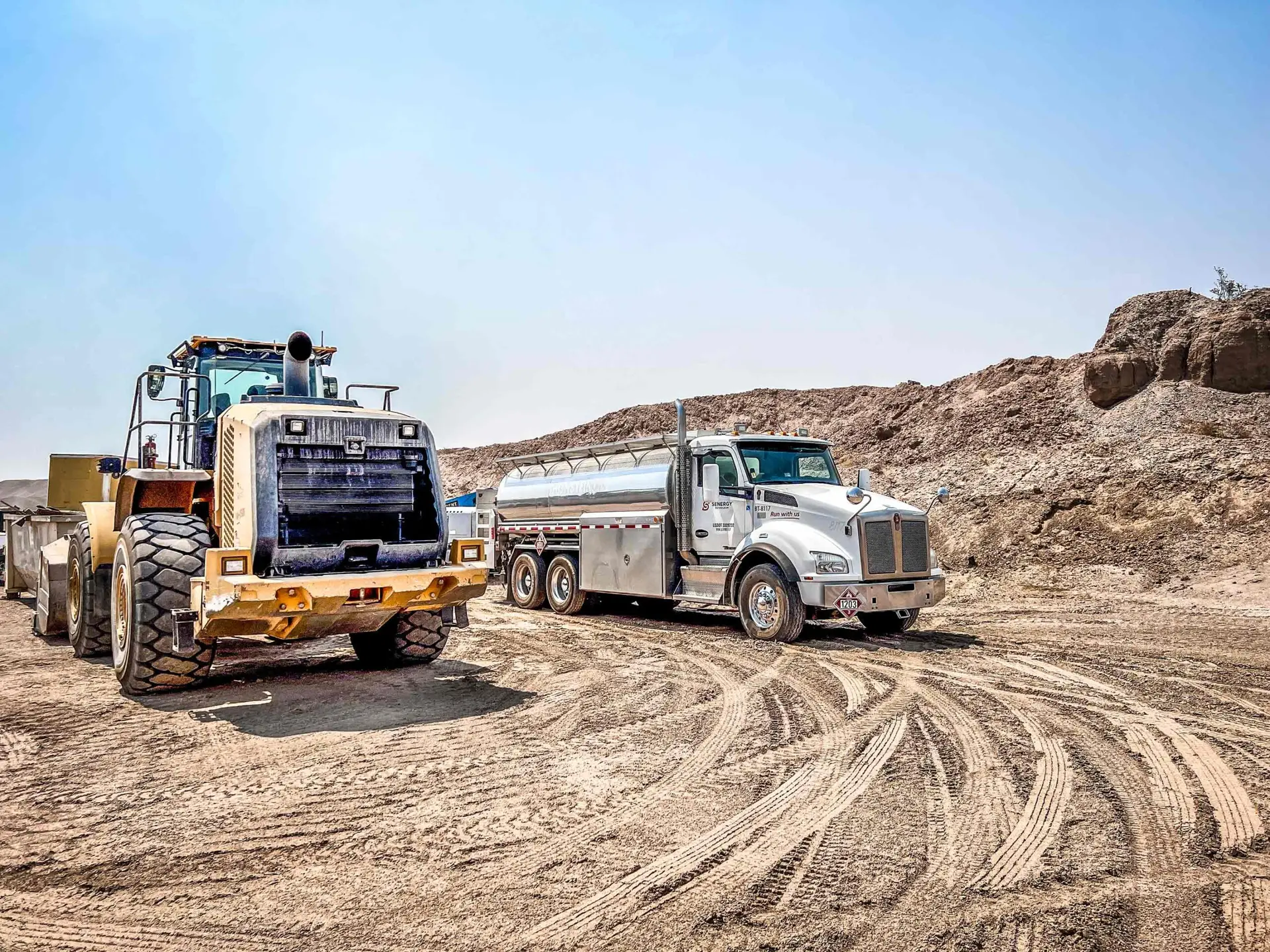
Mining Industry Fuels: Keeping Heavy Machinery Running
The global mining industry is one of the most energy-intensive sectors, relying heavily on robust fuel systems to maintain productivity and operational continuity. Mining involves the extraction of valuable minerals and resources from the earth, requiring extensive use of heavy-duty equipment such as haul trucks, excavators, and drilling rigs. These machines operate in demanding conditions—remote locations, extreme heat, and rugged terrain—making fuel efficiency and durability critical to performance.
Diesel remains the primary fuel source in mining due to its high energy density and ability to efficiently power compression-ignition engines. Diesel-powered equipment is widely used because it delivers superior torque, reliability, and fuel economy compared to gasoline alternatives. This ensures consistent operation in challenging environments, where downtime can result in significant financial impact.
Mining fuel systems extend beyond simply powering equipment; they are integral to the entire operational framework. From blasting applications that utilize diesel-based mixtures to the complexities of fuel logistics in remote locations, every stage of mining operations depends on a reliable and consistent fuel supply.
Understanding Mining Diesel: Performance, Safety, and Reliability
Mining diesel is specifically formulated to meet the demanding requirements of heavy industrial operations. Unlike standard diesel, it may include performance-enhancing additives designed to improve efficiency and support engine longevity. As a liquid petroleum product used in compression-ignition engines, diesel ignites under high pressure without the need for a spark, making it well-suited for heavy equipment applications.
One of the key characteristics of mining diesel is its high cetane rating, which promotes efficient combustion and improved engine performance. This is particularly important in mining environments, where equipment operates under continuous, high-load conditions. Efficient combustion supports productivity while helping reduce overall fuel consumption and operational costs.
The Role of Lubricants in Mining Equipment Performance and Longevity
While fuel powers mining equipment, lubricants play an equally critical role in ensuring smooth operation and extending equipment life. Lubricants reduce friction between moving parts, minimize wear, and help dissipate heat generated during operation. In heavy mining equipment—where components are subjected to constant stress—proper lubrication is essential to maintaining performance and reliability.
Mining machinery operates in harsh environments characterized by dust, moisture, and high temperatures. Without proper protection, these conditions can accelerate equipment degradation. High-quality lubricants act as a protective barrier, helping prevent contaminants from damaging internal components. This not only improves performance but also reduces maintenance costs and minimizes unplanned downtime.
Lubricants also contribute to improved fuel efficiency. By reducing friction, engines and mechanical systems operate more smoothly, allowing for more efficient energy use. This relationship between fuel and lubrication systems is key to maximizing productivity across mining operations.
Modern lubricants are formulated with advanced additives that enhance resistance to oxidation, corrosion, and thermal breakdown. These properties ensure consistent performance, even under extreme operating conditions.
Minimizing Downtime and Maximizing Uptime
In the mining industry, downtime is more than an inconvenience—it carries significant operational costs. Fuel reliability is a critical factor in maintaining continuous operations. A dependable fuel supply requires consistent quality, as well as reliable storage and delivery systems.
Mining sites are often located in remote areas, where fuel access can be challenging. This makes well-coordinated logistics and properly designed storage infrastructure essential to ensure fuel is available when needed. Advanced fueling systems, including fast fueling solutions, support efficient and safe refueling of heavy equipment, helping reduce downtime and improve overall productivity.
Maintaining fuel quality is equally important. Contaminants such as water, dirt, and microbial growth can negatively impact fuel performance and lead to equipment issues. Regular testing, effective filtration, and proper storage practices help prevent these risks and ensure consistent fuel performance.
Redundancy in fuel supply also plays a key role in operational continuity. Many mining operations maintain backup fuel reserves to reduce the risk of supply disruptions, ensuring that operations can continue even in unexpected situations.

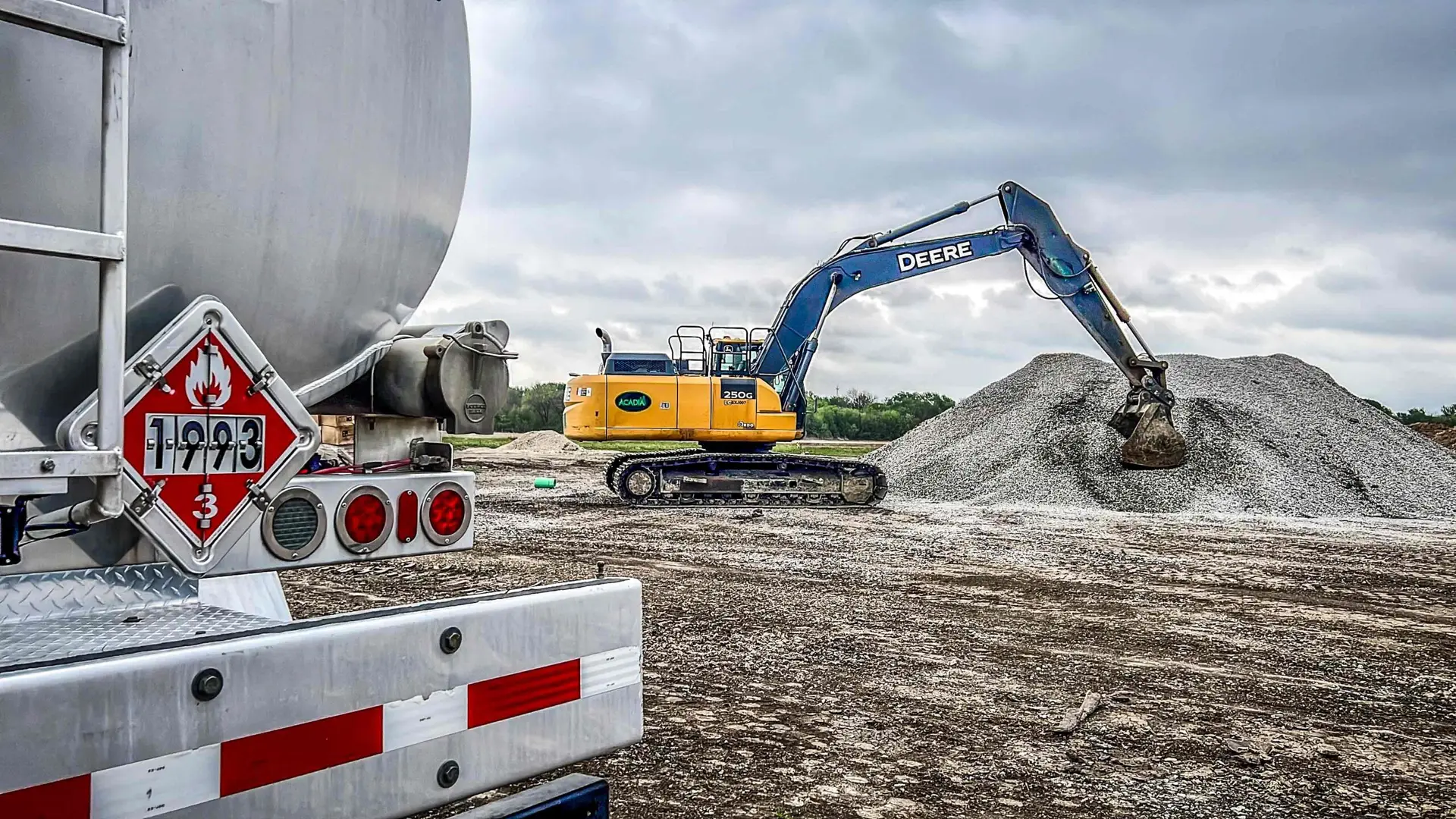
Efficiency, Innovation, and Performance
The mining industry continues to place greater emphasis on efficiency and performance, driving changes in how fuel and energy are managed across operations. Diesel remains a primary energy source, making fuel efficiency and the evaluation of alternative options increasingly important for long-term operational effectiveness.
Many modern mining operations are incorporating cleaner-burning fuel options such as biodiesel and synthetic diesel, which can be used in existing diesel engines. These alternatives provide flexibility while supporting evolving operational standards and fuel strategies.
Advancements in engine technology also play a role in improving fuel performance. For example, ultra-low sulfur diesel (ULSD) is widely used to support modern engine systems while maintaining reliability and efficiency in demanding conditions.
Lubricants also contribute to overall system efficiency. High-performance lubricants (HPLs) reduce friction and energy loss, allowing equipment to operate more effectively and make better use of available fuel.
In addition, mining companies are adopting energy management systems to monitor and optimize fuel usage. These tools provide valuable insights into consumption patterns, helping operations identify opportunities to improve efficiency and maintain consistent performance.
Technology in Mining Fuel Systems: Driving Efficiency and Control
Technology is transforming how fuel systems are managed across the mining industry. From automation to data analytics, these advancements are improving efficiency, safety, and operational reliability.
One of the most impactful developments is the use of automated fueling systems. These systems reduce the need for manual intervention, minimize errors, and ensure accurate fuel delivery. Automation also enhances safety by lowering the risk of spills and handling incidents.
The integration of IoT (Internet of Things) devices is another key advancement in fuel management. Sensors and monitoring systems provide real-time data on fuel levels, consumption, and quality. This visibility supports predictive maintenance strategies and helps prevent equipment failures before they occur.
Digital platforms are also optimizing fuel logistics. By analyzing fuel usage patterns and supply chain data, operations can improve delivery efficiency, reduce waste, and better control costs.
At the equipment level, advancements in engine technology continue to improve fuel efficiency and expand compatibility with alternative fuels. While hybrid and electric mining equipment is gaining traction, diesel remains the primary energy source for heavy machinery due to its reliability and performance in demanding conditions.
Challenges in Mining Fuel Management
Despite technological advancements, fuel management in mining still presents key challenges. Fuel contamination remains a primary concern, making proper storage, filtration, and maintenance essential to protect equipment and avoid costly repairs.
Fuel costs also significantly impact operations, requiring a focus on efficiency through high-quality diesel, well-maintained equipment, and energy-efficient technologies. In remote locations, logistical complexity adds another layer, making reliable infrastructure and advanced planning critical for consistent fuel supply.
Evolving regulations continue to shape fuel strategies, pushing operations toward cleaner, more efficient solutions. At the same time, workforce training remains essential to ensure safe handling, proper maintenance, and adherence to best practices.