Mining Fuel Management: Planning for Supply in Remote Locations
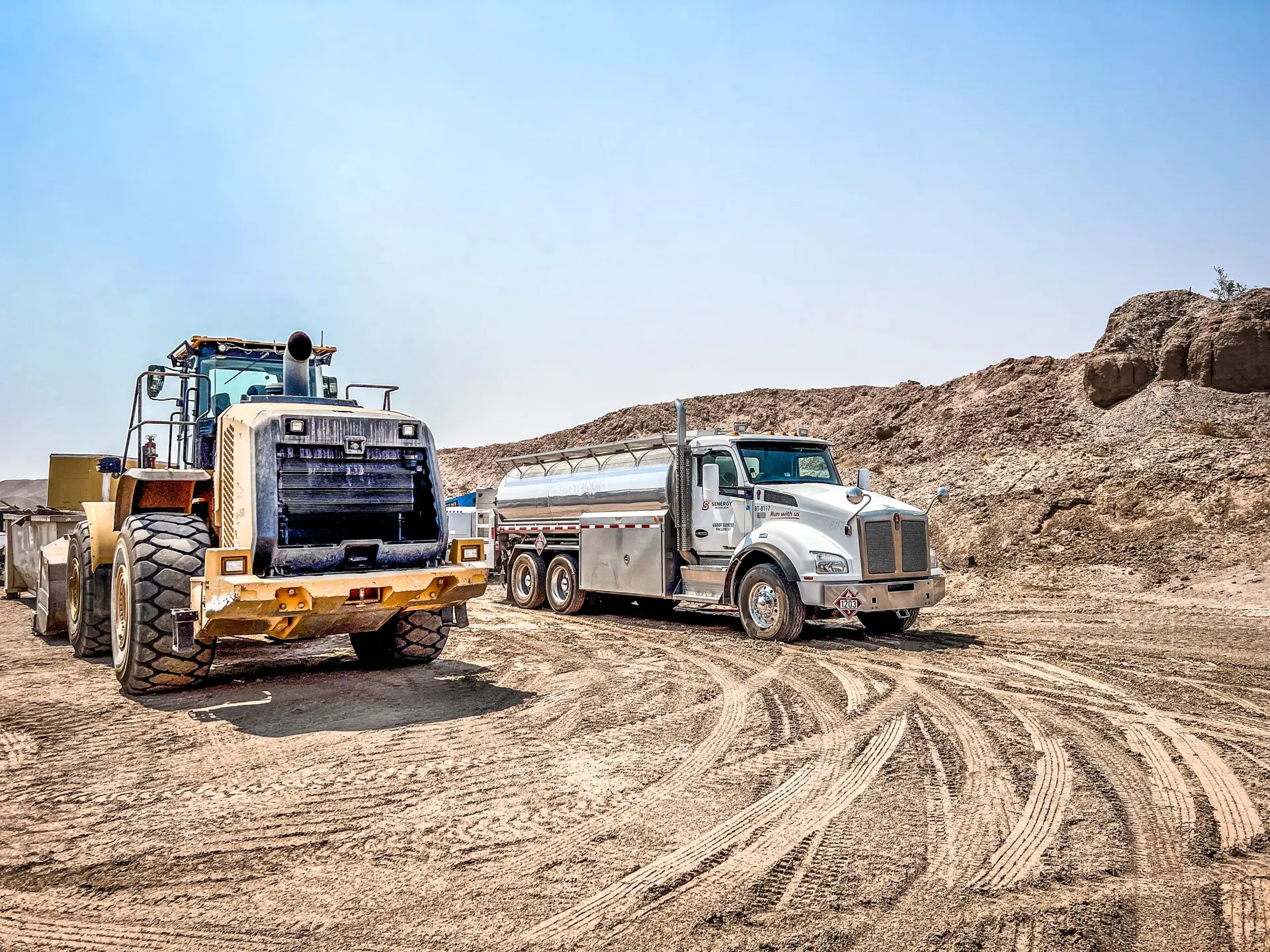
Fuel logistics play a critical role in modern mining operations, especially in remote locations where reliable energy sources are not easily accessible. In these settings, fuel must travel long distances over rough terrain, often on seasonal, poorly maintained, or undeveloped roads. Effective fuel logistics planning ensures diesel, gasoline, and other energy products arrive on time and in optimal condition.
Without proper planning, operations can face project delays, increased costs, idle equipment, and safety risks. Mining companies operating in remote regions require a robust fuel supply system that anticipates transportation delays and supply fluctuations to keep operations running without interruption.
Bulk Fuel Planning for Mining Operations
Bulk fuel planning is a critical component of mining operations, particularly in remote locations where unexpected supply interruptions can lead to significant financial losses. Effective planning ensures a consistent fuel supply without excessive inventory, which can increase risk and create unnecessary handling challenges. Remote mining sites typically experience high fuel consumption due to heavy equipment, generators, and transportation fleets, making accurate forecasting essential.
Forecasting relies on historical consumption data, operational projections, and anticipated growth to determine optimal ordering cycles, delivery schedules, and onsite storage levels. Incorporating these data points into bulk fuel planning helps mining operations maintain reliability while controlling operational complexity.
Bulk fuel planning also plays a key role in cost management. Fuel prices fluctuate based on global markets, storage requirements, and transportation costs. Large-scale mining projects can achieve substantial savings by scheduling bulk deliveries during favorable pricing periods. However, planning must balance cost savings with operational safety. Excessive fuel storage increases risk, so mining operations invest in high-quality storage tanks, containment systems, and monitoring technology to maintain secure and efficient fuel management.
Problems of Fuel Supplies in Remote Mines
Remote mining facilities face supply challenges that are far less common in urban or easily accessible locations. Geographic isolation means fuel deliveries are more susceptible to delays caused by severe weather, road conditions, and terrain limitations. In many cases, transportation can only resume once access routes are cleared or upgraded, often at significant cost. To reduce disruption, mining fuel logistics strategies must include risk buffers, alternative delivery routes, and backup inventory plans.
Remote operations also frequently lack developed local infrastructure, including adequate storage facilities, onsite staffing accommodations, and emergency support services. These limitations add complexity to fuel planning and delivery logistics. Additionally, changing weather conditions can significantly affect fuel demand and delivery feasibility. For example, cold climates may require fuel additives or heating systems, increasing handling complexity and operational risk. High-temperature regions can also increase storage and handling challenges.
To address these variables, mining fuel logistics teams rely on predictive planning models and historical data to anticipate demand fluctuations and maintain reliable fuel supply chains.
Forecasting Methods of Fuel Demands
Accurately predicting fuel requirements in remote mining operations requires a combination of strategic planning and data-driven forecasting. Effective forecasting integrates historical consumption data with projections for equipment upgrades, production targets, and seasonal operational changes. Advanced predictive algorithms can model multiple scenarios and continuously adjust forecasts as real-time consumption data becomes available. Machine learning tools can identify usage patterns and flag anomalies before they disrupt operations, improving accuracy for fuel logistics planning and supporting both procurement teams and operations managers.
Scenario planning is another essential component of bulk fuel planning. By modeling best-case and worst-case demand scenarios, planners can establish buffer inventory levels that prevent shortages without excessive overstocking. High-accuracy forecasting also reduces the need for emergency fuel deliveries, which are often costly and difficult to coordinate in remote locations.

Technology Advancements in Mining Fuel Logistics
New technologies are transforming mining fuel logistics and improving the efficiency of remote operations. IoT sensors are used to monitor fuel systems and storage conditions in real time, including delivery timing and tank levels. These systems transmit live data to centralized platforms, providing visibility into fuel consumption trends and identifying potential leaks or unauthorized usage. With accurate real-time data, logistics teams can adjust delivery schedules based on actual consumption rather than estimates, improving reliability and cost control.
Satellite communications and GPS tracking further enhance oversight by providing precise location data for fuel shipments. These technologies are especially valuable in remote regions where traditional communication networks are limited, ensuring fuel deliveries remain visible, trackable, and coordinated across long distances.
Improving Driver Experience and Operational Planning
The driver experience directly affects safety, retention, and productivity. Crowded fuel stations, busy retail locations, and long wait times can add frustration and fatigue to an already demanding workday. Cardlock fueling removes many of these friction points by providing a streamlined, fleet-focused fueling experience for drivers.
Fleet-oriented fueling locations reduce congestion, improve access for larger vehicles, and eliminate the need to enter stores or manage paper receipts. The fueling process becomes faster and less disruptive, allowing drivers to stay focused on routes and service responsibilities instead of navigating consumer-focused fueling environments.
An improved fueling experience also supports driver retention. Small improvements in daily workflows can have a meaningful impact in industries that depend on skilled technicians and service drivers. When crews see systems designed around their operational needs, morale improves and turnover pressures can decrease.
Advanced mining fuel logistics are also adopting digital twins and simulation models to strengthen planning and execution. Virtual supply chain models allow teams to simulate scenarios such as route disruptions or equipment failures, enabling proactive contingency planning and route optimization. Inventory management software further reduces human error and shortens procurement cycles, improving overall operational efficiency.
Safety and Risk Management in Mining Fuel Logistics
Fuel management requires rigorous safety and compliance standards, particularly in remote and high-risk operating environments. Fuel spills, improper storage, and transportation incidents can create significant operational hazards, making robust containment and control systems essential. Mining fuel logistics plans incorporate advanced safety measures such as double-walled fuel tanks, secondary containment systems, and emergency response protocols. Ongoing personnel training in fuel handling and hazard mitigation is also critical to reducing risk and maintaining operational integrity.
Safety considerations extend beyond storage to fuel transportation, especially across rugged terrain or during adverse weather conditions. Drivers and logistics teams receive specialized training to operate under these conditions and respond effectively to emergencies. Monitoring systems further support safety by alerting teams to anomalies in fuel levels or system performance. In remote operations, where emergency services may be limited, proactive planning becomes even more important. Regular audits and risk assessments help organizations identify vulnerabilities and strengthen fuel management systems to ensure reliability, security, and operational continuity.
Stakeholder Collaboration and Strategic Partnerships
Stakeholder collaboration is essential for building resilient mining fuel logistics systems. Mining operations often rely on a network of suppliers, logistics providers, and regulatory stakeholders to establish stable and reliable supply channels. Strong partner ecosystems help reduce bottlenecks and distribute risk, particularly in remote operations. Shared transport routes and fueling infrastructure can also create economies of scale, lowering costs for all parties involved. Clear performance standards and transparent contracts ensure accountability for delivery schedules, product quality, and safety requirements.
Many organizations also use collaborative forecasting tools that integrate data from suppliers and logistics partners. This creates a coordinated planning environment where all stakeholders can respond quickly to changes in demand or supply disruptions. Long-term bulk fuel supply contracts can further secure favorable pricing and priority supply during periods of high demand, strengthening operational continuity and cost control.
Best Practices for Mining Operations
Effective fuel management is a strategic advantage for modern mining operations. Best practices begin with accurate measurement and reporting systems that track fuel consumption across equipment and locations, helping teams identify inefficiencies such as idle time or scheduling gaps.
Standardizing bulk fuel planning processes— including minimum stock levels, reorder thresholds, and emergency allocation procedures—improves consistency and reduces operational risk. Regular staff training, audits, and performance reviews help refine these systems over time and ensure fuel logistics remain reliable, cost-effective, and aligned with operational goals.