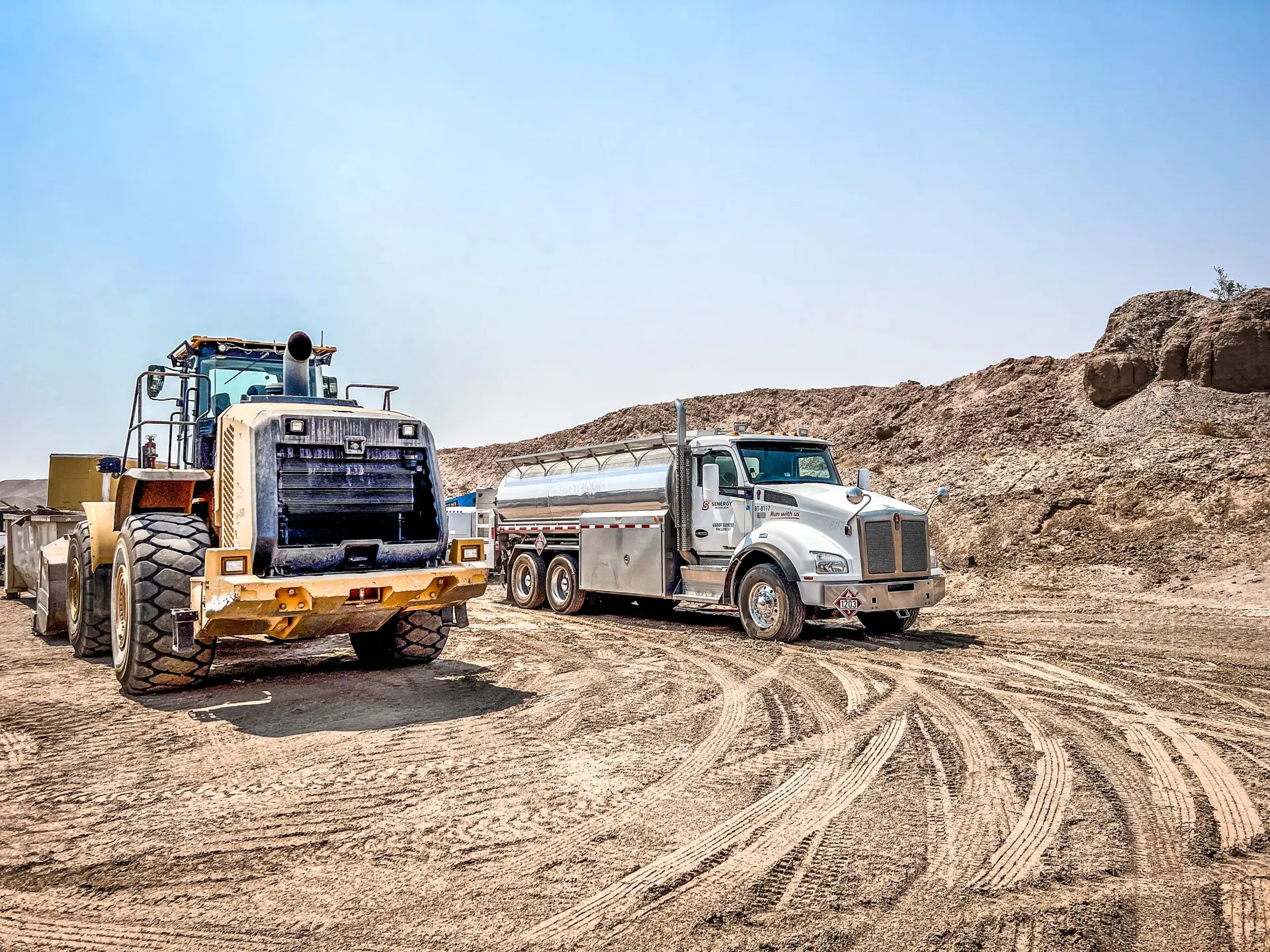
Mining Equipment Performance Starts With Reliable Fuel Supply
Mining operations depend on a stable energy supply to maintain uptime and productivity. In the mining industry, mining equipment fuel is more than diesel or gasoline—it represents operational stability, efficiency, and continuity. In remote locations where equipment operates around the clock, fuel reliability is not optional; it is mission-critical. When machines halt due to fuel disruptions, the impact extends beyond equipment downtime to production schedules, labor coordination, and financial performance.
Reliable fuel availability forms the foundation of measurable uptime—the defined period equipment remains operational and productive. When fuel supply is inconsistent, haul trucks, excavators, drills, and generators sit idle, creating costly delays. Fuel is not merely a commodity; it is a strategic asset that directly influences operational performance and profitability.
True fuel reliability requires disciplined logistics, accurate forecasting, and real-time monitoring. It demands proactive planning around storage capacity, supplier credibility, and contingency strategies. Mining companies that prioritize secure fuel flow consistently achieve higher uptime, reduce operational risk, and protect financial outcomes. A stable fuel supply also minimizes emergency expenses associated with unplanned shutdowns.
Why Fuel Availability Defines Mining Uptime
Uptime is the gold standard in mining operations and a direct indicator of operational success. When assets operate continuously, costs are controlled and production targets are achieved—both of which depend heavily on reliable fuel availability. Consistent fuel supply ensures equipment is ready to perform when needed, without interruptions caused by shortages or delivery failures.
Mining equipment operates in demanding environments, from desert heat to frozen terrain. These conditions place significant stress on engines and energy systems, making fuel quality and delivery consistency critical. Any disruption in fuel supply can force equipment shutdowns, interrupt haul cycles, and reduce overall site productivity.
Fuel supply failures extend beyond equipment downtime; they directly affect workforce efficiency and morale. Crews operating around the clock lose valuable time when machinery sits idle. Critical processes such as drilling, blasting, and haulage are delayed, disrupting coordination across departments and impacting overall operational performance.
The Operational Risks of Poor Fuel Management in Mining
Mining operations face significant risks when fuel management is not properly controlled. The most immediate consequence is unplanned downtime. If fuel deliveries are delayed or fuel quality is compromised, equipment may be unable to operate at full capacity—or may shut down entirely. In remote mining locations, even minor supply disruptions can result in substantial financial losses.
Fuel transportation presents additional challenges, particularly in remote regions with limited road access or severe weather conditions. Disruptions within the supply chain reduce productivity and increase operating costs. Inconsistent fuel quality can also accelerate engine wear, reduce performance, and, in severe cases, lead to mechanical failure.
Beyond equipment concerns, unstable fuel logistics can introduce operational safety risks. When fuel supply becomes uncertain, teams may attempt temporary or improvised solutions to keep equipment running. These practices can increase the likelihood of injury, spills, or contamination. Structured fuel management and dependable logistics are essential to maintaining safe, efficient, and uninterrupted mining operations.
Reliable Mining Equipment Fuel Supply Strategic Planning
Successful mining operations prioritize fuel reliability as a strategic function—anticipating demand before shortages occur. Effective demand forecasting begins with dependable supply planning. By leveraging predictive analytics and historical consumption data, mining companies can accurately determine required fuel volumes, anticipate seasonal fluctuations, and adjust procurement schedules accordingly.
Another critical component is the development of diversified supplier networks. Relying on a single fuel provider can expose operations to logistical disruptions. Working with multiple vetted suppliers increases flexibility, reduces risk, and encourages competitive pricing. This approach strengthens continuity and ensures fuel availability across varying operational conditions.
Infrastructure investment further reinforces fuel reliability. Adequate on-site storage capacity provides a buffer against delivery delays, while diversified transportation routes—such as road, rail, or pipeline—add logistical resilience. Real-time monitoring systems allow operations teams to track fuel levels and consumption trends, enabling proactive decision-making and uninterrupted performance.

Leveraging Technology to Strengthen Fuel Reliability in Mining
Technology plays a critical role in strengthening fuel reliability and maximizing uptime. Advanced fuel monitoring systems provide real-time visibility into consumption rates, tank levels, and delivery schedules—giving mining operations greater control over equipment fuel management.
Telemetry devices installed on storage tanks and transport vehicles automatically transmit data to centralized dashboards, delivering up-to-date operational insights. This information is processed through predictive analytics, allowing teams to anticipate fuel needs, reduce uncertainty, and eliminate last-minute disruptions.
Digital alert systems enable operations teams to set thresholds that trigger notifications when fuel levels approach critical limits, preventing interruptions before they occur. More advanced tracking platforms can integrate with maintenance software, correlating fuel consumption rates with engine performance and downtime metrics. This integrated approach supports informed decision-making and consistent operational performance.
How Fuel Quality Impacts Automotive Shop Efficiency and Profitability
Fuel quality directly impacts the efficiency and productivity of an automotive service operation. When shop vehicles, service trucks, or test units experience issues related to contaminated fuel, technicians spend valuable time diagnosing preventable problems. This reduces shop throughput, delays customer repairs, and disrupts overall workflow.
Contaminated fuel can also produce misleading diagnostic results, prompting technicians to investigate mechanical faults that are not the true source of the issue. The outcome is extended troubleshooting time, increased labor costs, and longer service cycles—ultimately affecting profitability.
For commercial service centers managing fleet accounts, downtime is especially costly. Fleet customers rely on fast turnaround times to keep their operations moving. Fuel-related delays can interrupt supply chains, construction schedules, and agricultural operations, placing long-term business relationships at risk.
Maintaining clean, properly managed fuel systems supports consistent power delivery, reduces unexpected breakdowns, and keeps operations on schedule. Reliable fuel quality is a foundational component of operational stability and customer confidence.
Best Practices for Fuel Storage and Handling in Mining Operations
Fuel reliability begins with proper handling and storage practices that protect uptime. Inadequate storage conditions increase the risk of contamination, evaporation loss, and equipment failure. Mining operations must implement structured best practices to preserve fuel integrity and minimize operational disruptions.
Storage infrastructure should be designed and maintained to meet all applicable safety and regulatory standards. Tanks require routine inspection to verify structural integrity, detect leaks, and ensure fittings remain secure. Contamination control measures—such as sediment filtration and water separation systems—are essential to maintaining fuel quality and preventing debris or moisture from entering equipment.
Clear fuel transfer protocols further strengthen reliability. Using clean, dedicated fueling equipment—including hoses, filters, and nozzles—reduces the risk of cross-contamination. Fuel handling areas should be well-lit, accessible, and clearly labeled to minimize human error and promote safe, efficient fueling procedures.
Mining Operations with Fuel Reliability
Fuel reliability delivers measurable financial value in addition to operational stability. In mining, every hour of downtime represents both direct expense and lost opportunity. Consistent access to dependable fuel supply supports higher uptime, which directly contributes to stronger financial performance.
When fuel flows steadily and equipment operates without interruption, mining companies are better positioned to meet contractual production targets, avoid penalties, and protect revenue streams. Increased uptime improves throughput—the volume of material extracted, transported, and processed—driving overall profitability.
Reliable fuel supply also reduces maintenance expenses. Engines operating on clean, consistent fuel experience fewer breakdowns and require less unscheduled service. This extends equipment lifespan, lowers repair costs, and reduces total cost of ownership across the fleet.