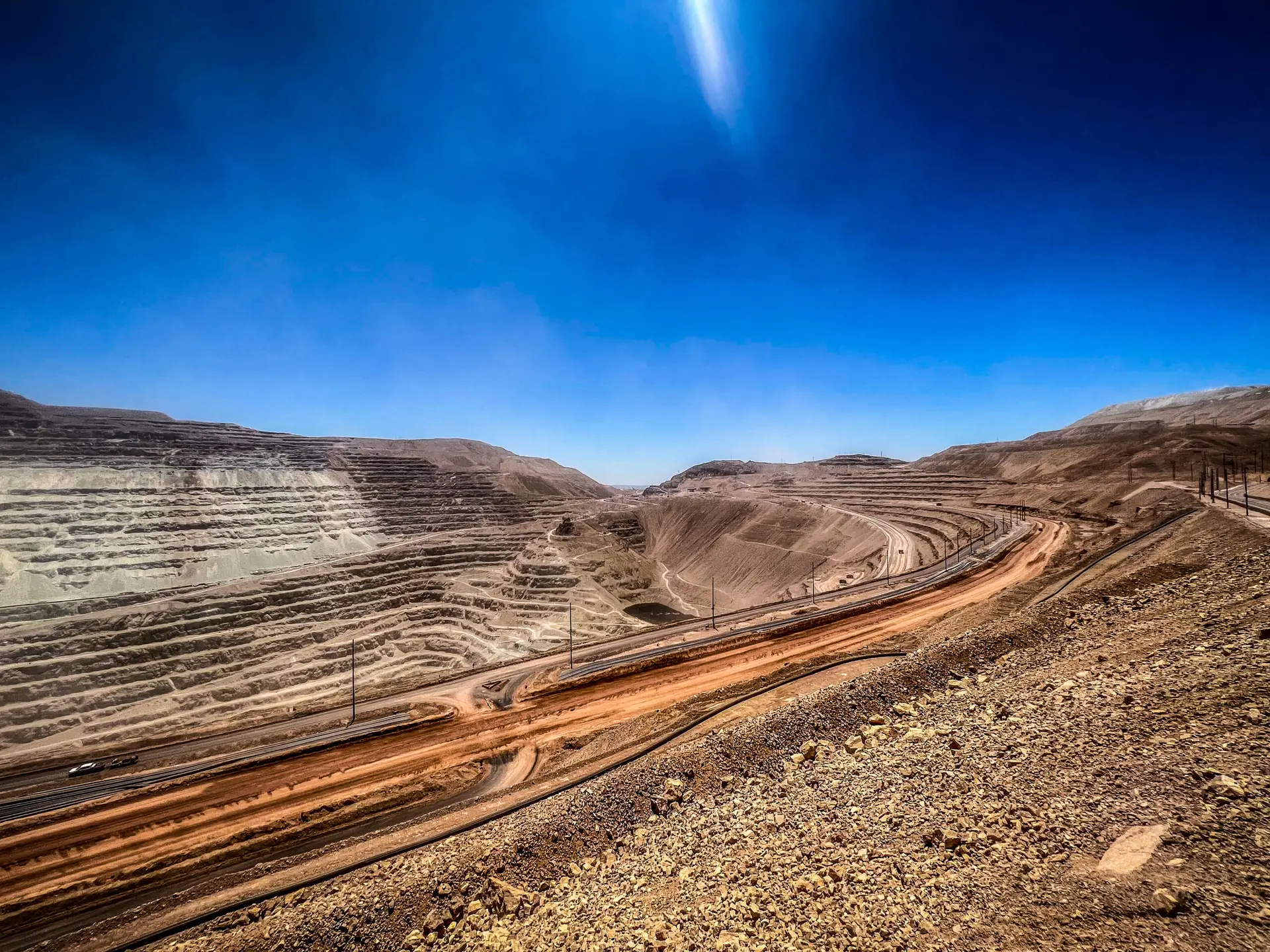
The Critical Interrelationship that Mining Equipment Fuel has with Operational Uptime
Operational uptime in mining is a primary measure of success. Every minute equipment is offline results in lost productivity and revenue. Uptime depends on dependable fuel delivery and the efficient supply of mining equipment fuel. Fuel is not simply an operational input; it is a strategic asset that powers crushers, haul trucks, dozers, drills, and other capital-intensive equipment. Without consistent fuel flow and real-time visibility into consumption, mining operations face service delays, unplanned downtime, and production setbacks.
Fuel reliability extends beyond simple availability. It encompasses sourcing, storage, monitoring, and controlled distribution—often in remote and logistically complex environments. Accurate consumption forecasting, strategic bulk delivery scheduling, and proactive inventory management directly support consistent equipment performance. Disruptions in fuel supply can idle fleets, alter shift schedules, and slow entire production lines.
When fuel logistics is treated as a performance driver rather than a back-end function, mining operations can significantly improve uptime. This approach requires modern equipment, forward planning, and the recognition that fuel management is a critical operational strategy—not an afterthought.
Strengthening Fuel Reliability in Remote Mining Operations
Fuel reliability gives mining operations consistent access to quality mining equipment fuel exactly when they need it. Unlike retail or transactional fueling, mining fuel management involves complex logistical challenges. Many mine sites operate in remote locations with narrow delivery windows, vulnerable transportation routes, and limited infrastructure. In these conditions, mining leaders must treat a dependable fuel supply chain as a strategic priority.
To strengthen fuel reliability, operations teams must implement intelligent supply planning that aligns projected demand with delivery schedules and integrates real-time tank monitoring. Predictive analytics and consumption modeling signal when storage levels approach reorder thresholds, which allows planners to prevent emergency deliveries and unexpected shortages. Teams that actively manage fuel quality, storage conditions, and contamination control protect engine performance and extend equipment reliability.
Operations also improve supply consistency when they build strong contingency plans. Mines that depend on a single supplier or limited transportation options increase their exposure to disruption. By diversifying supply channels, maintaining buffer inventory, and automating reorder alerts, operations teams reinforce fuel reliability and maintain stability during transportation challenges, market shifts, or seasonal constraints.
The Hidden Risks of Traditional Fuel Management in Mining
Traditional fuel management methods are often insufficient to support consistent operational uptime. Many mining operations rely on periodic manual tank inspections, which are prone to human error and lack real-time accuracy. These assessments are rarely integrated into broader operational planning, forcing managers to rely on estimates when determining inventory levels. The result is overstocking, understocking, or unexpected supply gaps—each of which directly impacts equipment uptime.
Fuel losses caused by spillage, contamination, theft, or improper storage further reduce supply reliability. Manual tracking systems make auditing and accountability more difficult, limiting visibility into abnormal consumption patterns or inventory discrepancies. In multi-site operations, decentralized recordkeeping compounds these challenges, slowing decision-making and reducing operational efficiency.
Delivery scheduling presents another critical vulnerability. Without precise visibility into tank levels and consumption rates, planners may overcompensate with large bulk orders—tying up capital and storage capacity—or risk running critically low. Emergency fuel deliveries are costly and disruptive, particularly when essential heavy equipment depends on uninterrupted fuel access to maintain productivity.
How Real-Time Fuel Monitoring Maximizes Mining Uptime
Real-time fuel monitoring drives measurable improvements in fuel reliability and operational performance. Modern sensor technology, telematics, and cloud-based platforms deliver continuous visibility into fuel levels, consumption rates, temperature fluctuations, and system anomalies—without manual intervention. This precision replaces guesswork with actionable intelligence.
Instead of relying on routine visual inspections, operations teams receive automatic alerts as inventory approaches reorder thresholds. Teams can schedule bulk fuel deliveries proactively, avoid emergency refueling, and prevent tanks from reaching critical levels. This approach keeps equipment fueled according to plan and reduces disruptions caused by inefficient fueling cycles, directly strengthening uptime.
Continuous monitoring also reveals detailed fuel consumption patterns, highlighting inefficiencies, waste, and gaps between projected and actual usage. Mining managers can use this data to refine operational plans, adjust rotation schedules, and deploy equipment more strategically based on verified fuel demand. These actions improve uptime, strengthen cost control, and increase overall operational efficiency.
Optimizing Bulk Fuel Delivery with Data-Driven Planning
Bulk fuel delivery has become a core component of modern mining operations, offering economies of scale, streamlined logistics, and improved cost control. However, bulk delivery strategies are most effective when aligned with actual consumption patterns. Integrating real-time monitoring data with supply planning enables a more precise delivery cadence and supports stronger operational uptime.
By leveraging historical usage data alongside live tank readings, predictive models determine when and how much fuel should be delivered. Rather than reacting to low inventory levels, planners can forecast demand weeks or months in advance, accounting for seasonal fluctuations, production peaks, and expansion plans. This proactive approach strengthens fuel reliability and reduces the risk of shortages during critical production periods.
Using Fuel Analytics to Improve Mining Efficiency and Uptime
Fuel cost and performance conditions are critical factors in mining operations. Improving fuel efficiency extends beyond reducing overall consumption; it requires a detailed understanding of how fuel is used across equipment types, locations, shifts, and operating conditions. Advanced analytics and predictive insights break down usage patterns and identify opportunities for operational improvement.
Machine-level data provides visibility into which assets consume the most fuel and whether that usage aligns with expected activity levels. With this information, decision-makers can implement targeted adjustments such as idle reduction strategies, route optimization, and proactive maintenance scheduling to minimize waste and improve efficiency. Predictive modeling also enhances budgeting accuracy by forecasting future fuel requirements with greater precision.
Fuel efficiency is closely tied to equipment health. Irregular consumption trends often signal underlying mechanical issues that may otherwise go undetected. Sudden increases in usage, for example, can indicate leaks, engine inefficiencies, or sensor inaccuracies that require prompt attention. Addressing these issues early strengthens uptime, reduces the risk of unexpected breakdowns, and improves overall equipment reliability.
Building a Culture of Accountability Around Fuel Performance
Sustained improvements in uptime and fuel reliability require more than advanced technology; they depend on a culture of accountability and continuous improvement. Training operators, supervisors, and planners on fuel management best practices ensures that monitoring insights are consistently applied and maintained across operations.
Operators should understand how to interpret real-time monitoring data and respond appropriately to system alerts. Preventive practices—such as minimizing idle time, conducting pre-shift equipment inspections, and promptly reporting irregular equipment behavior—help address issues before they escalate. When fuel performance becomes a shared responsibility, potential disruptions are resolved early, supporting stronger and more consistent uptime.
Managers and planners play a critical role by using monitoring data to establish performance benchmarks and regularly track fuel-related metrics. Setting measurable targets and recognizing teams that achieve efficiency and reliability goals reinforces positive operational habits and integrates fuel performance into daily decision-making.
Compliance and procedural discipline further strengthen accountability. Proper training ensures that bulk fuel handling, storage, and delivery processes follow established regulatory and operational standards, reducing the risk of contamination, loss events, or penalties that could disrupt operations.
Smart Fuel Systems in Mining
As mining operations continue to advance through digital transformation, smart fuel systems will become increasingly sophisticated. Automated sensors, AI-driven forecasting, remote diagnostics, and integrated planning platforms will further strengthen fuel strategies, improve uptime, and enhance supply reliability.
Future systems will deliver more precise demand forecasting, scenario modeling, and adaptive delivery planning—reducing operational risk and allowing leadership teams to focus on strategic priorities rather than reactive problem-solving. Integration with enterprise systems such as ERP, maintenance management, and fleet telematics will align fuel planning directly with production targets and financial forecasting, creating a more unified and efficient operational strategy.