
Matching Red Dye Diesel Supply to Seasonal Equipment Demand
Keeping equipment fueled is an important part of running a farm, construction site, or industrial operation. Fuel consumption can change significantly throughout the year as equipment workloads increase or slow down. Planting, harvesting, major construction projects, and seasonal weather can all affect how much diesel a business needs.
Red dye diesel is commonly used in eligible off-road applications, including agricultural machinery, construction equipment, generators, pumps, and other diesel-powered equipment. When demand increases, having a reliable supply becomes especially important. Planning purchases and deliveries around equipment usage can help businesses avoid unnecessary downtime and keep daily operations moving.
Overview
- Seasonal equipment use can significantly increase diesel consumption.
- Planting, harvest, construction, and severe weather can drive higher fuel demand.
- Review historical usage and equipment hours before peak seasons.
- Maintain adequate storage and monitor tank levels regularly.
- Schedule deliveries ahead of periods of high demand.
- A reliable fuel plan helps prevent shortages, delays, and equipment downtime.

Understanding Seasonal Fuel Needs
Equipment rarely consumes the same amount of fuel every month. Agricultural operations, for example, may experience higher usage during planting and harvest when tractors, combines, sprayers, and other machinery operate for longer hours. Construction companies can see similar increases when multiple machines are working on active projects.
The type and number of machines also influence fuel consumption. An excavator running throughout a workday will have different requirements from a smaller skid steer, while generators and pumps can add to overall usage. Looking at previous consumption is a practical way to understand how much fuel may be needed during upcoming busy periods.
Weather can also affect demand. Cold conditions may increase the need for generators and other equipment, while severe storms can create additional demand for backup power and recovery operations. Understanding these seasonal patterns gives businesses a better starting point for planning their fuel needs.
Planning Ahead for Higher Demand
Waiting until a storage tank is nearly empty can create unnecessary pressure, particularly during periods when many businesses are placing fuel orders at the same time. A better approach is to estimate upcoming requirements and arrange deliveries before equipment reaches peak operating levels.
Businesses can begin by reviewing historical fuel usage, planned equipment hours, fleet size, and upcoming work. A farm preparing for harvest, for instance, can compare previous harvest consumption with the number of machines expected to operate this year. Construction companies can use project schedules and equipment utilization to estimate future requirements.
Delivery lead time should also be considered. If a supplier normally needs several days to complete an order, that time should be included when setting reorder points. Keeping a reasonable reserve can provide additional flexibility if equipment runs longer than expected or a delivery is delayed.
Managing Fuel Storage and Inventory
Proper storage is another important part of maintaining a dependable diesel supply. Businesses need enough capacity to support normal operations without relying on frequent emergency deliveries. The appropriate tank size depends on fuel consumption, available space, delivery frequency, and the requirements of the operation.
Regular inventory checks can help operators identify changes in usage before they become a problem. Tank monitoring systems can make this easier by providing information about current fuel levels and helping businesses determine when another delivery should be scheduled.
Fuel quality also deserves attention. Water, sediment, and other contaminants can affect diesel-powered equipment and lead to maintenance problems. Keeping storage tanks in good condition and following appropriate fuel-handling practices can help protect both the fuel and the equipment using it.
Supporting Agriculture and Construction
Agriculture is one of the industries where seasonal fuel planning can make a noticeable difference. Tractors, combines, irrigation pumps, grain equipment, and other machinery may operate for extended periods during critical stages of the crop cycle. A fuel shortage at the wrong time can interrupt work when schedules are already tight.
Construction companies face many of the same challenges. Excavators, bulldozers, wheel loaders, backhoes, graders, cranes, generators, and compressors can all contribute to higher fuel consumption. Large projects may require several machines to operate simultaneously, making reliable fuel availability an important part of site planning.
Different regions can also have different seasonal patterns. Construction activity may slow during harsh winters in northern states, while warmer regions can maintain longer construction seasons. Agricultural fuel requirements also vary by crop, location, and planting and harvesting schedules.
Choosing a Reliable Delivery Strategy
There is no single delivery schedule that works for every business. Some operations may only need occasional bulk deliveries, while farms, contractors, and industrial facilities with higher consumption may benefit from recurring deliveries.
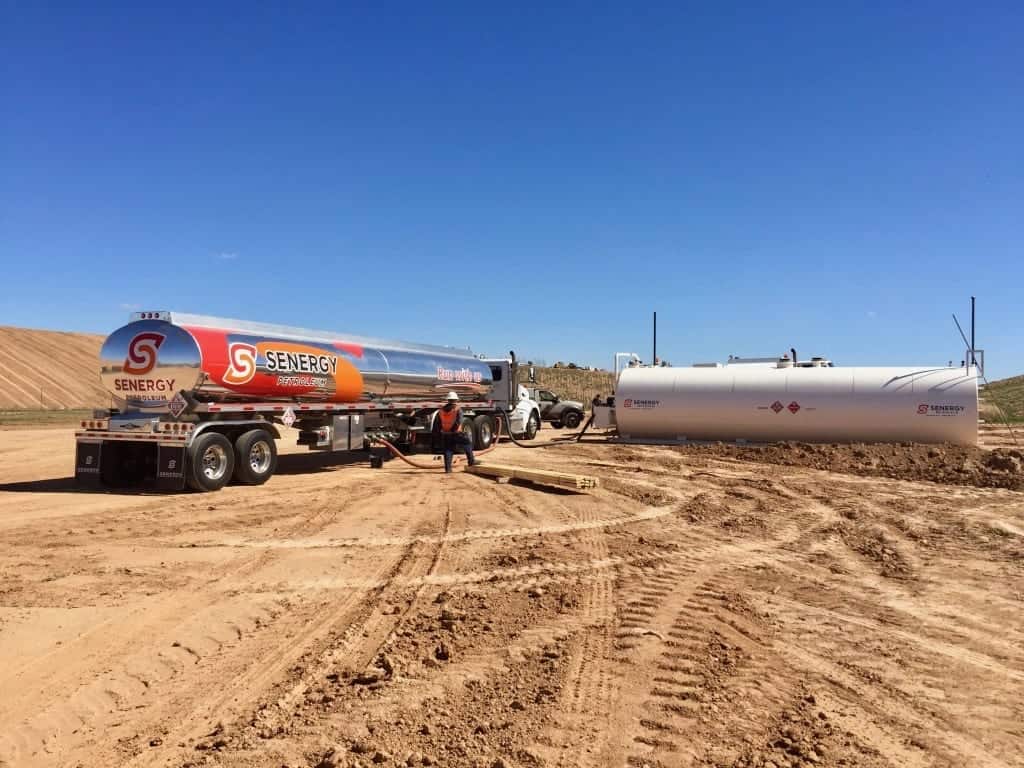
Bulk delivery can help businesses maintain an on-site supply without making frequent trips to retail fueling locations. On-site fueling may be useful for large or remote operations where moving heavy equipment simply to refuel is inefficient. Some suppliers also offer scheduled or recurring delivery programs that can be adjusted as consumption changes.
A reliable Diesel fuel supply should provide enough flexibility to handle both normal and peak demand. Businesses should consider delivery coverage, lead times, storage capacity, emergency support, and the supplier’s ability to respond when requirements change.
Preparing for Peak Operating Periods
The best time to review fuel requirements is before equipment enters its busiest period. Once a seasonal workload begins, there may be little room to correct a poorly planned supply schedule.
Businesses can prepare by reviewing previous fuel records, identifying upcoming equipment requirements, checking storage capacity, and confirming delivery schedules with their supplier. Monitoring actual usage during the season can then help operators adjust future orders instead of relying entirely on previous estimates.
This approach is particularly useful when workloads change unexpectedly. A construction project may take longer than planned, a harvest may begin earlier, or severe weather may increase generator use. Keeping track of inventory and equipment consumption allows businesses to respond before a shortage affects operations.
Keeping Equipment Ready When It Matters
Seasonal fuel planning is ultimately about keeping equipment available when it is needed most. Understanding equipment usage, reviewing historical consumption, maintaining suitable storage, and arranging deliveries ahead of peak periods can help businesses avoid preventable interruptions.
Matching fuel demand with seasonal workloads also makes purchasing more predictable. Instead of reacting to an empty tank, businesses can establish practical reorder points and delivery schedules based on how their equipment actually operates.
For farms, construction companies, and industrial operations, a dependable fuel plan can support smoother day-to-day work throughout the year. When red dye diesel requirements are planned around equipment schedules rather than last-minute needs, businesses have a better chance of maintaining productivity, controlling fuel logistics, and keeping critical equipment ready for the job.
