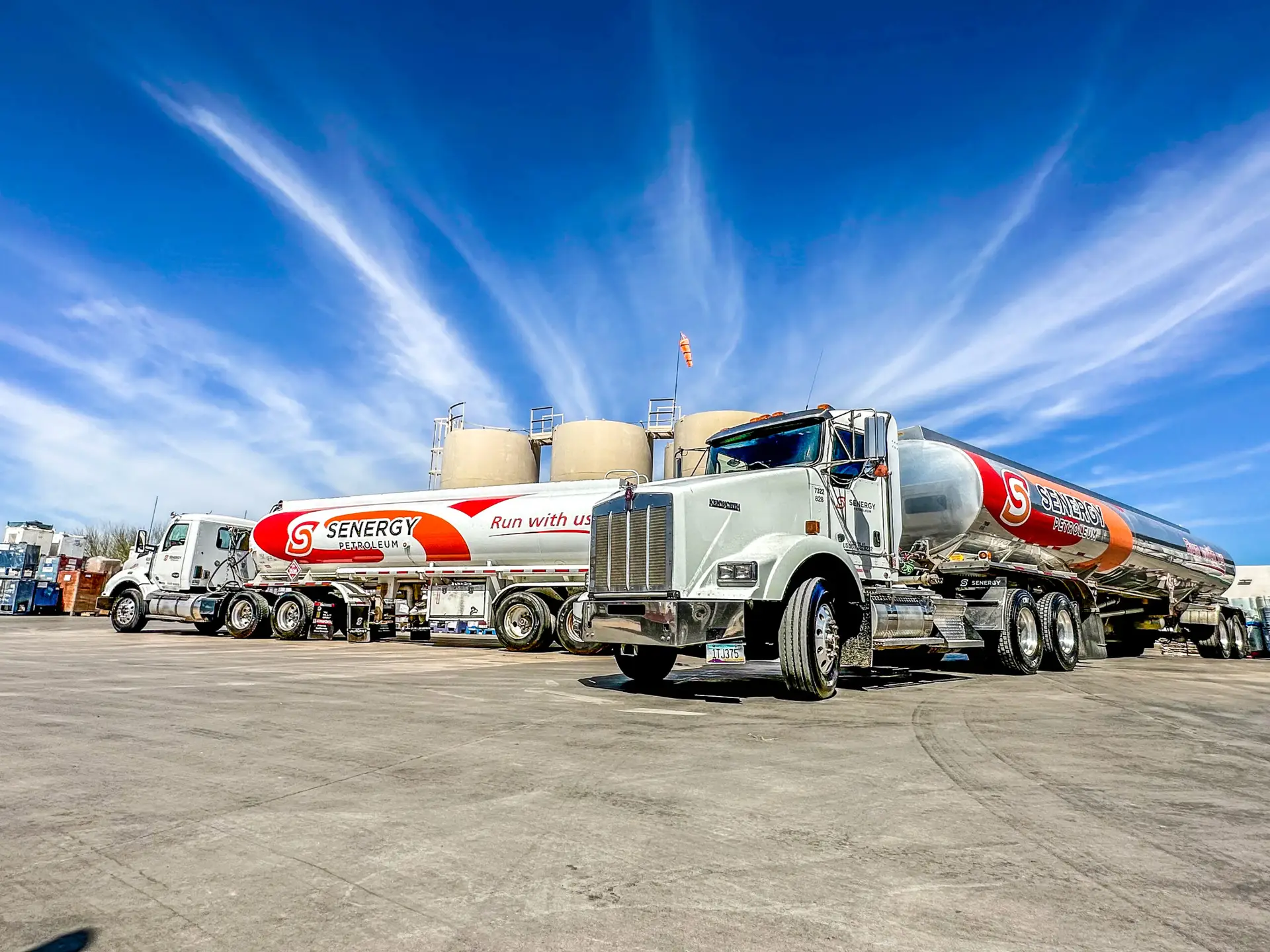
Managing Fuel Supply for Multi-State Fleet Operations
Fuel management in various regions is one of the most challenging issues in the contemporary transportation processes. Multistate companies experience variable fuel costs, varying tax laws, supply variations, and transportation difficulties which directly affect profitability. Multi-state fuel supply as opposed to single-region fleets involves co-ordinated planning that takes into consideration distance, terrain, and local fuel availability.
The fleet operators also have to maneuver through different compliance requirements like fuel taxes, reporting standards and environmental regulations. These intricacies necessitate the introduction of sophisticated fleet fuel management systems that offer visibility in all their operating regions. Lack of proper coordination will lead to inefficientities like shortages of fuel, overstocking or unjustified detours.
Over 30% of fleet operating expenses can be explained by fuel costs only, and optimization is essential to ensure sustainability over the long term. This underscores the strategic fuel planning as opposed to reactive buying.
Moreover, companies should take into account supply chain disruptions, geopolitical factors, and demand changes in the region. A strong multi-state fuel system ensures uniformity in business, reduces downtime, and improves reliability of routes and finally allows fleets to scale effectively with geographical boundaries.
Building Efficient Fleet Fueling Strategies for Multi-State Operations
Effective operations depend on well-structured fleet fueling policies that align with organizational objectives and geographic coverage. These strategies include selecting optimal fueling locations, establishing fuel contracts, and leveraging technology for real-time visibility and monitoring.
Centralized fuel procurement is a key component in achieving cost efficiency, as it allows organizations to leverage bulk purchasing power and secure more competitive pricing. However, decentralized fueling can also provide advantages in scenarios where fleets operate in remote locations or areas with high fuel demand. Balancing both approaches is essential to maintaining cost control while preserving operational flexibility.
Route-based fueling is another important strategy. By integrating fueling stops into optimized route planning, unnecessary mileage and excess fuel consumption can be reduced. Industry practices consistently show that improved route efficiency supports lower fuel usage and more reliable delivery schedules.
Additionally, strategic partnerships with fuel suppliers help strengthen supply chain reliability. These relationships are especially important in multi-state operations where fuel availability and distribution conditions may vary.
Driver behavior also plays a significant role in overall fuel efficiency. Training drivers on fuel-efficient practices—such as reducing idling time and maintaining consistent speeds—supports broader operational performance goals.
Ultimately, effective fueling strategies ensure fuel is available when and where it is needed, at the most efficient cost, while maintaining operational consistency across multiple regions.
The Role of Digital Technology in Modern Fleet Fuel Management
Contemporary fleet operations rely heavily on digital solutions to streamline fuel management and provide real-time visibility into consumption patterns. Modern fuel management systems integrate telematics, sensors, and cloud-based analytics to deliver comprehensive oversight of fuel usage across the entire fleet.
These systems monitor fuel levels, driver activity, and operational inefficiencies such as excessive idling or unauthorized fuel loss. With this data, fleet managers can make informed decisions that improve efficiency and reduce overall operating costs. More advanced platforms can also automate reporting and compliance processes, significantly reducing administrative workload.
For multi-state operations, real-time visibility is especially critical. Fleet managers can track fuel consumption across multiple regions, compare performance metrics, and quickly address anomalies as they arise. This level of oversight helps maintain consistency and control across distributed operations.
In addition, predictive analytics are reshaping fleet fuel management. AI-driven tools can forecast fuel demand based on historical usage, route structures, and operational patterns, enabling more proactive planning and improved supply coordination.
Multi-State Fuel Supply Chains
A resilient multi-state fuel supply chain is a core component of efficient fleet operations. It involves the coordinated management of fuel sourcing, storage, transportation, and distribution across multiple locations.
One of the primary challenges is maintaining consistent fuel availability across regions with varying supply conditions. This requires supplier diversification and the implementation of contingency plans to mitigate risks such as supply shortages or price volatility. Strategic fuel depots and regional storage facilities further support supply continuity and operational stability.
Logistics coordination is another critical factor. Well-timed fuel deliveries help reduce downtime and ensure vehicles remain in service. Integrating supply chain data with fleet management systems enables better alignment between fuel availability and fleet demand.
Fuel demand forecasting also plays an essential role. By analyzing consumption patterns, organizations can anticipate fuel needs and adjust supply accordingly. This proactive approach helps minimize the risk of overstocking or shortages while supporting more consistent fleet performance.
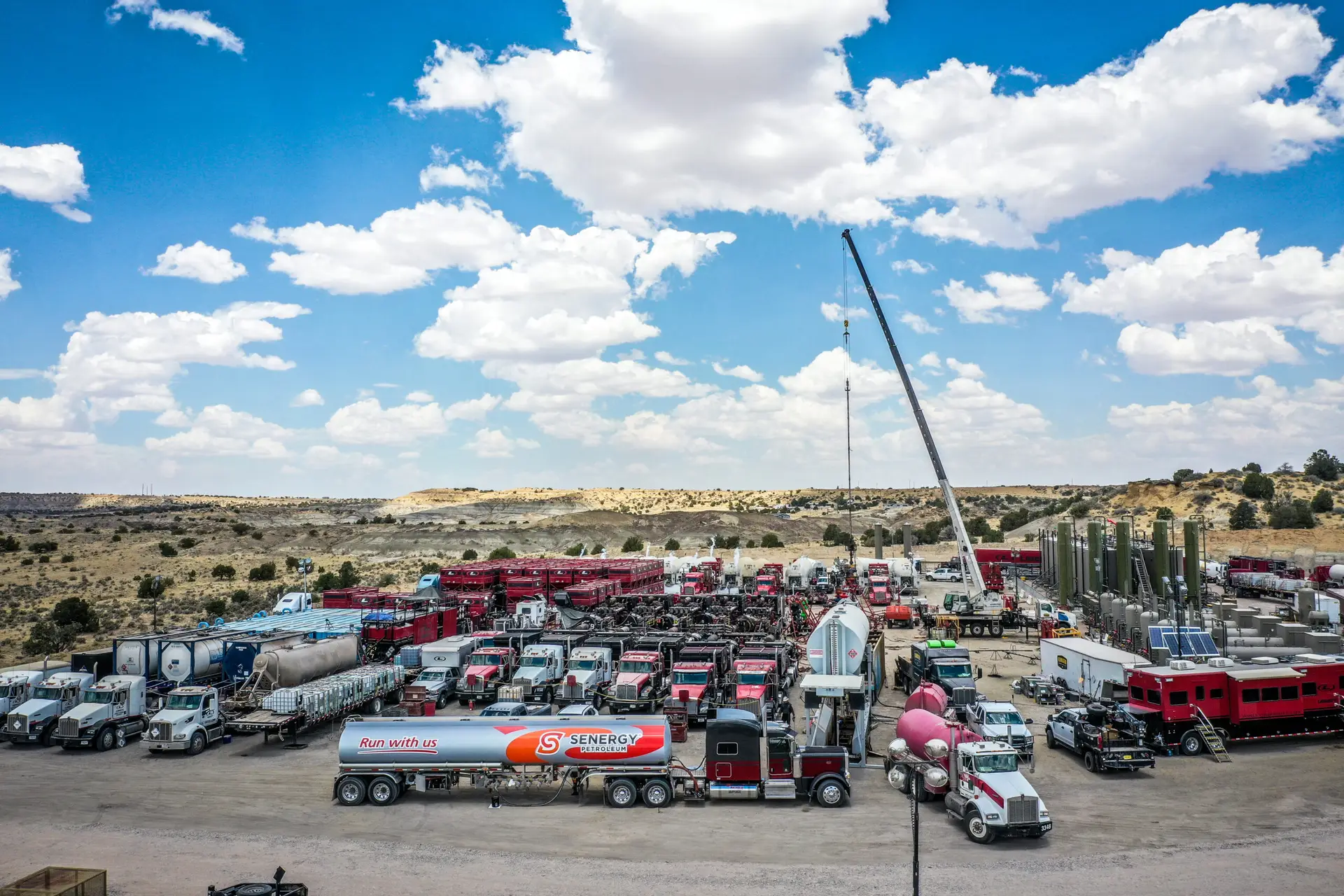

Function of Commercial Diesel Delivery in Fleet Operations
The introduction of commercial diesel delivery services has significantly improved multi-state fleet operations. Organizations are no longer required to rely solely on traditional fueling stations, as fuel can now be delivered directly to depots or active job sites.
This approach reduces unnecessary travel and eliminates detours, helping improve operational efficiency. It also allows drivers to remain focused on core responsibilities rather than spending time locating fueling stations. On-site fueling can further reduce disruptions, particularly for large fleets with demanding schedules.
Mobile fueling services are especially beneficial in remote or high-traffic areas where access to traditional fueling infrastructure may be limited. They help ensure a consistent fuel supply regardless of location, making them well-suited for multi-state operations. In addition, these services can be scheduled around fleet requirements, offering greater flexibility in planning and execution.
Another key advantage is improved fuel tracking and accountability. Direct fuel delivery supports more accurate recordkeeping, helping reduce the risk of loss, theft, or misallocation. This level of transparency strengthens financial oversight and supports more effective operational planning.
Strategies for Managing Fuel Costs in Multi-State Fleet Operations
Fuel cost management is a critical component of fleet operations, particularly for organizations managing multi-state routes. Budgets are often impacted by fluctuating fuel prices, varying regional tax structures, and differences in fuel availability across markets.
Scenario-based budgeting is one effective strategy, allowing organizations to anticipate fuel costs under different market conditions. Industry best practices recommend building contingency ranges of 10–15% to account for price volatility and unexpected shifts in fuel pricing.
Centralized payment systems and fuel cards also play an important role in cost control. These tools provide detailed transaction data, enabling managers to track spending, identify inefficiencies, and improve accountability. They may also offer rebates and discount structures that help reduce overall fuel expenses.
Another key factor is operational fuel efficiency. Improving vehicle performance and reducing idle time can lead to significant cost savings across large fleets. Fuel consumption remains one of the largest contributors to total fleet operating expenses, making efficiency-focused strategies essential for long-term cost control.
Multi-State Fleet Fuel Management
Technological innovation and evolving industry demands are shaping the future of fleet fueling strategies, with a strong focus on digital transformation and data-driven decision-making.
Artificial intelligence and machine learning enable predictive fuel management, helping organizations forecast demand and optimize supply chains. Telematics and IoT devices further enhance visibility by delivering real-time operational data and improving overall control.
Automation continues to streamline fuel operations, from automated tracking systems to scheduled fuel deliveries, reducing manual processes and improving efficiency. Emerging technologies such as blockchain are also increasing transparency and security in fuel transactions.