Managing Fuel Deliveries Across Multiple Job Sites
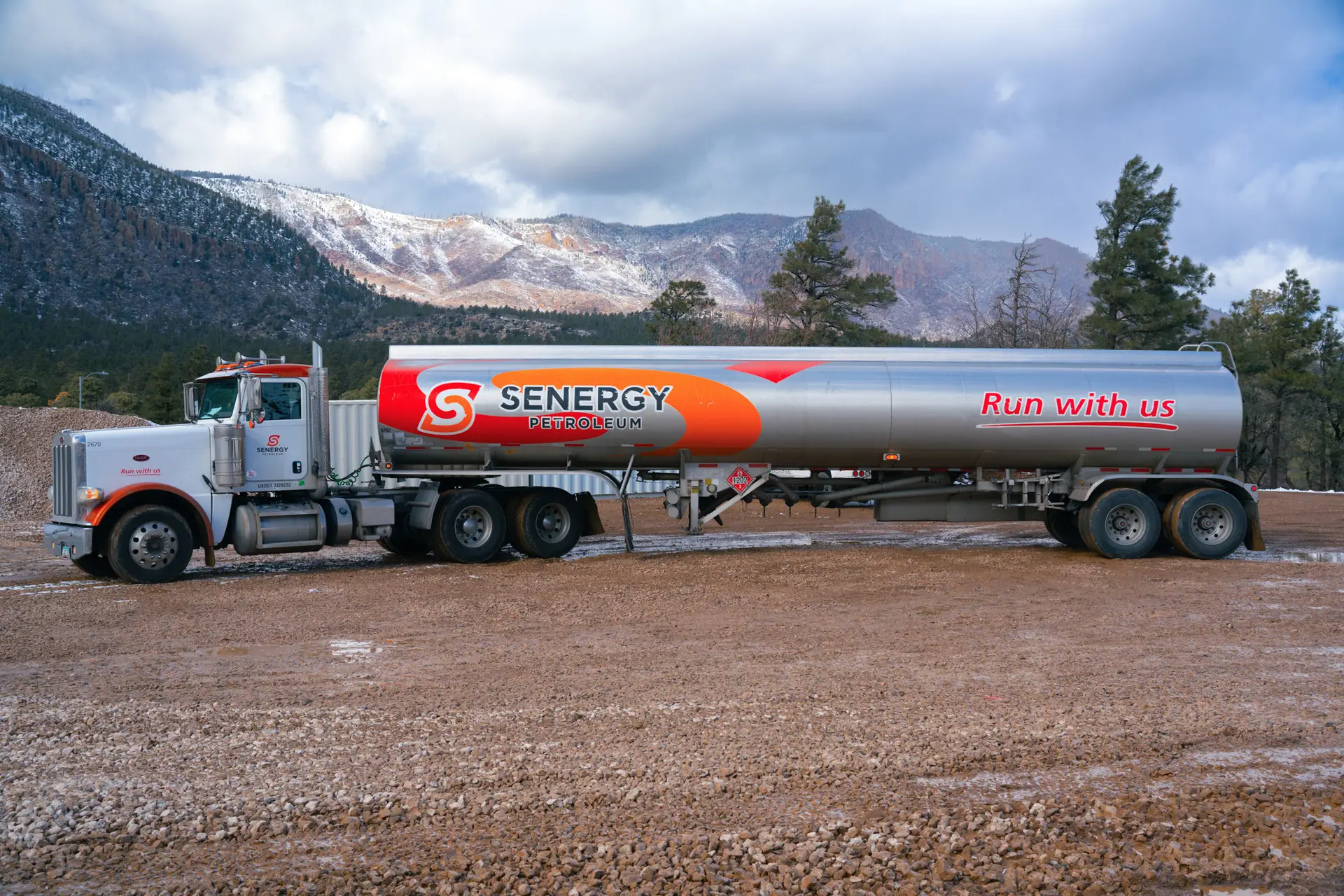
Managing fuel delivery across multiple locations is a complex challenge. Each site may have unique access restrictions, equipment types, fuel usage patterns, and scheduling constraints. Ensuring a seamless supply chain for fuel is critical to maintaining operational productivity, as equipment downtime caused by fuel shortages can disrupt project schedules. From a fleet logistics perspective, each location may require a tailored approach—some sites benefit from centralized tank storage, while others are better served by mobile refueling trucks or temporary on-site tanks. Coordinating these solutions without duplication or misallocation demands a clear strategy and robust systems.
Proactive Fuel Planning for Seamless Project Operations
Efficient fueling requires precise planning of when and where teams need fuel, especially for projects with shifting phases. The team starts by collecting data on equipment operating hours, fuel consumption rates, idle-time losses, and site access patterns. Modern technology allows crews to monitor tanks remotely and receive automatic alerts, preventing fuel shortages from interrupting operations. For example, if a site will begin excavation in the next two weeks, teams can schedule deliveries in advance to meet project needs instead of waiting for equipment to run dry. This proactive planning aligns fuel delivery with fleet logistics and site schedules, reducing the risk of operational disruptions.
Building an Effective On-Site Fueling Infrastructure
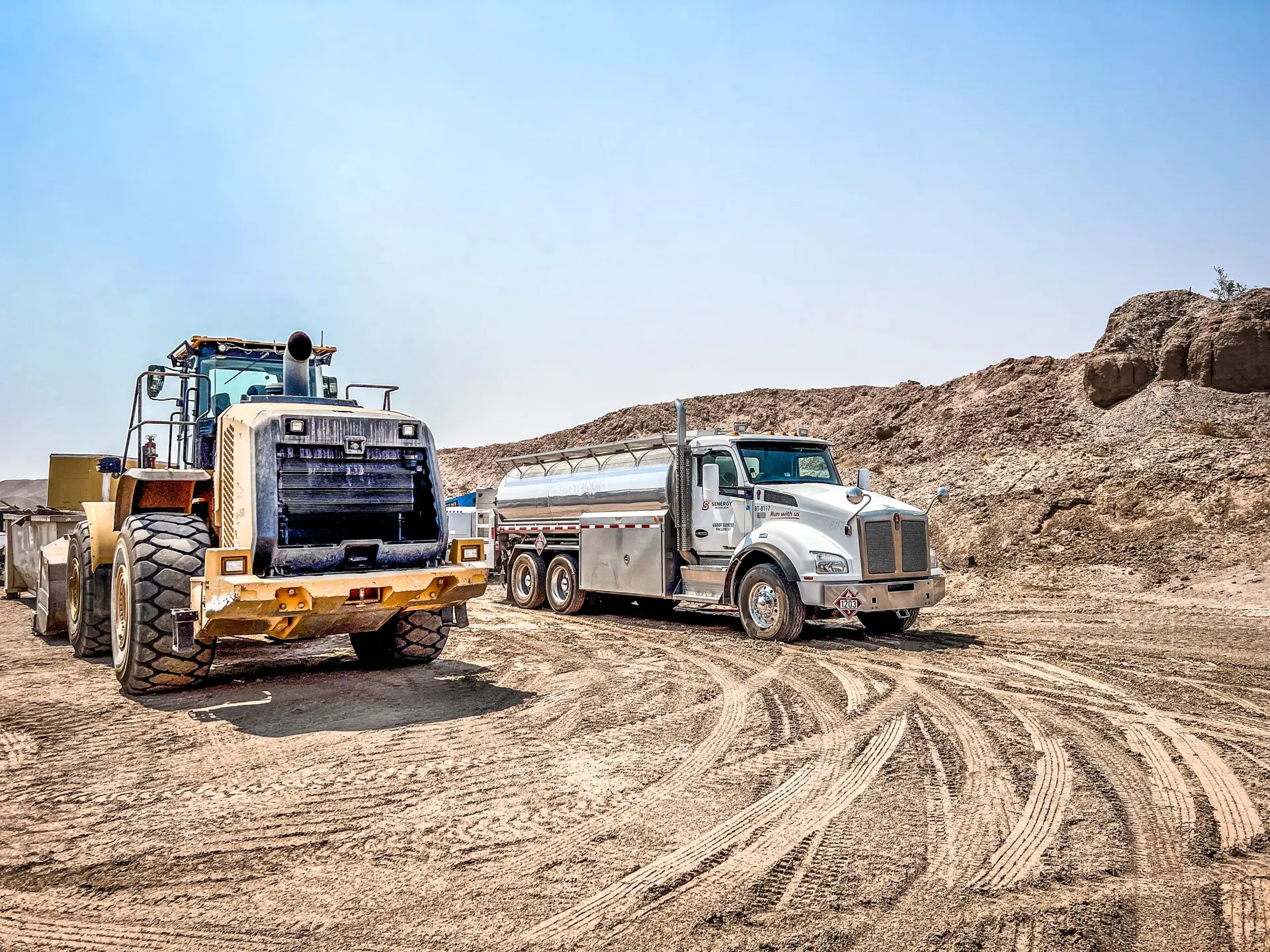
Implementing a strong on-site refueling infrastructure reduces downtime and simplifies fuel logistics. On-site tanks, mobile bowsers, or temporary tanks let heavy equipment refuel without leaving the job site. Many construction fueling programs use sensors to monitor fuel levels and schedule timely refills. This approach ensures compliance and safety: tanks meet regulations, stay secure, and allow easy delivery access. Multi-site operations present unique challenges. Remote sites may require double-walled or fireproof enclosures. Urban sites may have limited delivery windows or restricted truck access.
Optimizing Fleet Logistics for Fuel Delivery
Managing fuel logistics across multiple locations presents challenges in coordination, route optimization, and inventory management. Delivery fleets, mobile refueling units, and equipment vehicles must be synchronized to ensure fuel reaches the right place at the right time. An integrated system can manage deliveries to on-site tanks or directly to vehicles, while accounting for driver access, site hours, and location-specific restrictions. Such a system also allows multiple sites to be monitored and supported efficiently through a single dashboard, simplifying oversight and reducing the risk of delays.
Assuring Safety, Compliance, and Quality Control
When teams deliver fuel to multiple locations, they must prioritize safety and compliance. Crews refuel vehicles and handle large tanks following best practices for spill prevention, ventilation, safe storage, transfer, and regulatory documentation. Industry guidance for construction sites stresses proper tank placement, drip tray use, separation from ignition sources, and thorough staff training. Maintaining fuel quality is critical—contaminated fuel in on-site tanks can cause equipment failure, filter blockages, and engine damage. Teams use remote tank monitoring and schedule deliveries to prevent microbial growth and fuel degradation, keeping equipment running reliably.
Reducing Costs and Downtime with Multi-Site Fuel Management
Fuel is one of the most controllable operating expenses for construction sites and vehicle fleets. Multi-site delivery and bulk on-site refueling offer the potential to reduce hidden costs, including fewer trips to distant stations, less idle time, and reduced waiting for refueling. As one industry expert notes, “Bulk fuel delivery helps fleets decrease downtime, reduce expenses, and boost efficiency.” Proactively planning deliveries and integrating fueling into project workflows minimizes disruptions. Additionally, purchasing fuel in bulk and storing it on-site can secure better rates, reducing price volatility and avoiding higher spot-market costs. Effective cost management also relies on accurate monitoring of fuel consumption for each asset and location.
Efficient Fuel Delivery Across Sites
Effective multi-site fuel management relies on data and technology. Real-time tank monitoring, automated delivery triggers, and consolidated dashboards provide visibility across all locations. Advanced platforms offer forecasting, route optimization, and centralized control of deliveries. Tracking fuel usage, identifying peaks, and analyzing inefficiencies with data analytics allows each site’s performance to be evaluated and supports predictive maintenance and project planning. Multi-site fuel delivery is not just about moving fuel—it’s about managing information. Transparent, traceable processes reduce unexpected disruptions and enhance operational resilience.