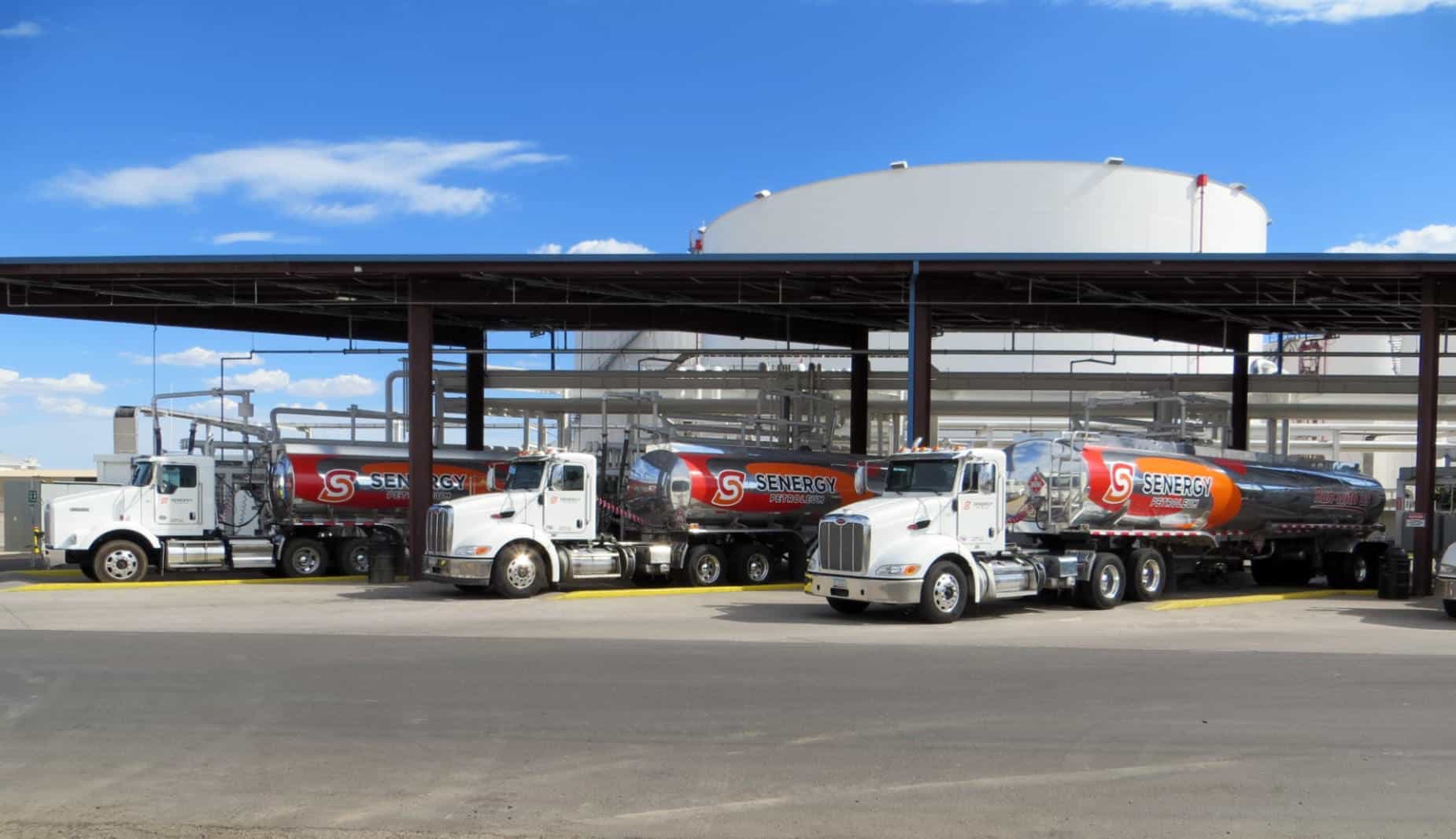
Managing Fuel Costs for Large Vehicle Fleets
Managing a fleet comes with challenges—especially when it comes to fuel costs. Whether operating delivery trucks, tractors, or agricultural equipment, fuel often takes up a significant portion of the budget. With prices constantly fluctuating, staying ahead can feel like a moving target.
While fuel prices can’t be controlled, usage can. Small operational changes can make a noticeable difference in efficiency and long-term cost savings.
Track Your Fuel, Control Your Costs
When you don’t track fuel usage, every fill-up becomes a guess—and guesswork won’t save money. Start managing costs by actively monitoring fuel consumption across your fleet.
Fuel cards simplify the process and deliver real-time insights into how much fuel each vehicle or piece of agricultural equipment uses and where it goes. With accurate data, you can quickly spot inefficiencies. If a vehicle or operator burns more fuel than expected, you can take action before costs rise.
Consistent tracking helps you catch small issues early, prevent expensive problems, and keep operations running efficiently.
Optimize Routes to Maximize Fuel Efficiency
The less time vehicles spend on the road, the less fuel they consume—it’s a simple equation. Yet many fleets lose efficiency by running long or poorly planned routes.
Route optimization plays a critical role in controlling fuel costs. With GPS tracking and telematics, fleet managers can monitor vehicle locations, routes, and idle times in real time. This visibility makes it easy to identify inefficiencies such as detours, traffic delays, or extended idle periods.
Armed with accurate data, better routing decisions can be made—shortening travel time, reducing fuel consumption, and improving overall fleet productivity. The result is lower costs, quicker deliveries, and more efficient operations across the board.
Train Drivers to Save Fuel and Boost Efficiency
Driver behavior has a major influence on fuel consumption. Actions like speeding, hard braking, and extended idling can quickly increase fuel use across an entire fleet. The same holds true for agricultural equipment—operator habits directly affect efficiency.
Fortunately, these issues are easy to address with proper training. Teaching operators to maintain steady speeds, drive smoothly, and reduce idle time can significantly lower fuel usage.
With the help of fuel cards and telematics, performance data for each driver or operator is easy to monitor. If one unit or individual shows higher-than-average fuel use, adjustments can be made through coaching and support. Building awareness around efficient driving habits helps reduce costs and keeps operations running at peak performance.
Automate Fuel Tracking for Smarter Fleet Management
Manually tracking fuel can be time-consuming and error-prone. Sorting receipts, entering data, and cross-checking records take valuable time away from managing operations. Automation simplifies the entire process.
By integrating fuel management software with fuel cards, every transaction is automatically recorded and organized. Real-time reporting replaces manual entry, eliminating paperwork and reducing administrative workload.
Automation also improves accuracy. Potential issues with tractor fluids or fuel usage can be identified early, backed by precise data that supports quick, informed decisions. The result is a streamlined, efficient system that gives full visibility and control over fleet performance.
Set Clear Fuel Policies to Control Costs
Without defined fuel spending policies, costs can quickly exceed the budget. Unmonitored purchases and inconsistent fueling practices add up fast—but a clear set of guidelines helps keep spending in check.
A fuel policy doesn’t need to be complex. Establish which fuel types are approved, where drivers should refuel, and how much can be purchased at one time. Clear rules make it easier for teams to stay consistent and accountable.
Fuel cards further simplify enforcement. Purchase limits, station restrictions, and fuel-type controls can all be managed automatically, reducing oversight demands. With built-in monitoring, the system ensures compliance—so every gallon is tracked, controlled, and accounted for.
Stay Ahead with Regular Equipment Maintenance
One of the most effective ways to improve fuel efficiency is through consistent maintenance. Vehicles and agricultural equipment that aren’t properly maintained tend to consume more fuel than necessary. Keeping tires inflated, air filters clean, and engines tuned makes a measurable difference in diesel performance.
Routine maintenance also ensures farm equipment and tractor fluids operate at peak efficiency, extending the life of valuable assets while reducing fuel costs.
With fuel cards and maintenance tracking systems in place, it’s easy to monitor performance trends and identify when a unit begins using more fuel than expected. Addressing maintenance issues early prevents larger problems down the road and helps keep operations running efficiently and cost-effectively.
Use Technology to Simplify Fuel Management
Technology continues to transform the way fleets manage fuel. With the right tools, tracking usage and improving efficiency becomes easier and more accurate than ever before.
Telematics systems provide valuable visibility into fleet operations, offering data on fuel consumption, driver behavior, and equipment performance. When paired with fuel cards, these systems deliver a complete picture of where every gallon is going—making it simple to adjust routes, coach drivers, and correct inefficiencies before they impact costs.
Mobile apps add another layer of convenience. From the job site to the field, fuel usage and performance data can be accessed in real time. This allows managers to make informed decisions instantly, without waiting to return to the office. With technology in place, staying in control of fuel operations is easier, faster, and far more efficient.
Ready to Start Saving on Fuel?
Cutting fuel costs doesn’t need to be a big, complicated task. It’s actually pretty simple. Track your fuel usage, plan better routes, help your drivers get into better habits, and use the right tools. You’ll start saving without much extra effort.
And here’s the best part: you don’t have to do it on your own. Senergy Petroleum is here to help. We’ve got everything you need to make your fleet’s fuel management easy, whether that’s improving diesel fuel efficiency, handling farm fuel, or managing tractor fluids, we’re here for you.
Let’s get started today. We’ll help make sure your fleet is running smoothly, using less fuel, and saving you money. Together, we’ll make it happen.