Key Differences: Cardlock vs. Retail Fuel Stations

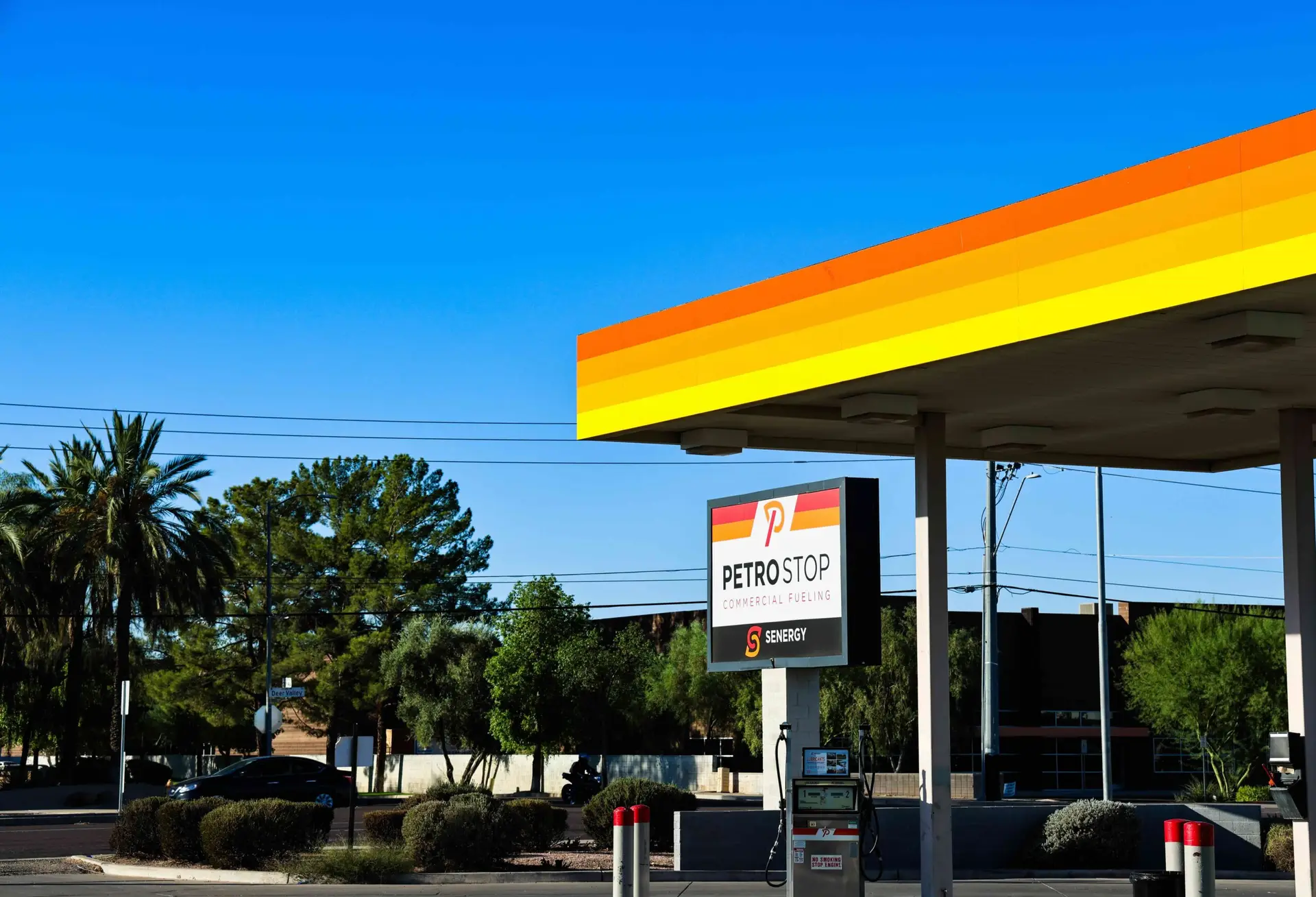
Over the past few decades, cardlock fueling stations have become a trusted resource for fleet operators, agricultural businesses, and government agencies. Unlike retail fuel stations, these facilities serve only businesses with authorized accounts. Cardlock fueling operates on a membership basis, providing access to fuel through a specialized card system, eliminating the need for cash transactions. This structure appeals to businesses seeking efficiency and cost control in their operations. The cardlock versus retail fueling discussion often centers on convenience for everyday drivers compared to efficiency for commercial fleets. Businesses value that cardlock sites are strategically located along major trucking routes and are designed to accommodate large vehicles, making fueling faster and more convenient for heavy-duty trucks and equipment. As more businesses seek reliable commercial fueling options, the growth of cardlock stations shows no signs of slowing.

Retail Fuel Stations: Convenience for the Everyday Driver

Retail fuel stations continue to serve private vehicle owners and small businesses. They provide public access and often include amenities beyond fuel, such as convenience stores, car washes, and quick-service restaurants. Unlike cardlock facilities, retail stations accept traditional payment methods like cash, credit, or debit cards, and staff assist customers directly. The competitive retail market drives daily fuel price changes based on location and brand competition. While retail stations offer a convenient one-stop experience, they focus on individual consumers rather than commercial fleet needs. This highlights the contrast between cardlock and retail fueling: retail locations prioritize accessibility and customer experience, while cardlock stations emphasize operational efficiency. For most private drivers, retail stations remain the preferred fueling option.

Why Cardlock Stands Out for Fleet Fueling

Access represents one of the most significant differences between cardlock and retail stations. Cardlock locations require businesses to set up an account with the fuel provider, providing details such as authorized drivers and vehicle IDs. Each driver receives a card to operate the pumps, ensuring only approved personnel can fuel vehicles and reducing the risk of unauthorized purchases. Retail stations, in contrast, remain open to the public 24/7 with no membership required. For fleet managers, the cardlock system gives greater control and allows detailed tracking of fuel usage. Managers can monitor when and where fuel is purchased, improving budgeting and accountability. Retail fueling provides less oversight, as drivers can make purchases anywhere, sometimes without proper tracking. These access advantages make cardlock the preferred choice for companies seeking secure, controlled commercial fueling solutions.

How Cardlock Saves Time for Fleet Operators

In business, time is money, and cardlock stations help fleets minimize downtime. High-speed fuel dispensers deliver large volumes quickly, which benefits semi-trucks and heavy machinery. Retail stations rely on standard pumps designed for passenger vehicles, making it take significantly longer to fill large tanks. Cardlock sites feature wide lanes and ample space, letting large vehicles move easily without congestion. They also avoid the long lines common at busy retail stations, further speeding up fueling. For fleet operators, these time savings add up over the year, boosting operational productivity. When comparing efficiency, cardlock clearly outperforms retail stations, especially for companies that depend on fast turnarounds and time-sensitive operations.

Maximizing Cost Control for Fleet Fueling

Fuel costs represent one of the most significant ongoing expenses for business fleets, making pricing a critical consideration. Cardlock stations often offer more consistent and competitive rates than retail locations, thanks to bulk purchasing agreements and reduced overhead. Many cardlock providers also offer negotiated pricing for large-scale customers, allowing companies to lock in rates and avoid unexpected market fluctuations. Retail stations, by contrast, set prices based on market competition, location demand, and brand positioning, which can result in daily price changes and higher costs in busy areas. Cardlock systems further simplify price management by generating detailed reports that track fuel purchases by driver or vehicle. This transparency reduces the risk of unauthorized use and supports more accurate financial forecasting. For companies managing dozens or hundreds of vehicles, these savings and controls can be substantial. In the comparison between cardlock and retail fueling, pricing flexibility and oversight give cardlock a clear advantage for long-term operational budgeting.


Why Cardlock Fueling Protects Your Fleet

Security is a critical concern for any business managing fuel expenses. Cardlock fueling systems are inherently more secure because access is limited to authorized users with account-specific cards. Each transaction is recorded, capturing the exact time, date, location, and amount of fuel dispensed. This reduces the risk of fuel theft and unauthorized spending. Retail fuel stations, while convenient, are more susceptible to misuse, especially if a company’s drivers use cash or personal payment methods for business fueling. Additionally, retail locations may be vulnerable to credit card skimmers, potentially putting both personal and corporate accounts at risk. Cardlock stations often include advanced tracking systems and can integrate with GPS monitoring to ensure fueling occurs along assigned routes. For fleet managers, the added security and transparency of commercial fueling solutions like cardlock are invaluable. This level of protection is a primary reason many companies transition from retail fueling to cardlock-based programs.

Cardlock Fueling: Designed for Commercial Efficiency and Scale

While retail fuel stations focus on customer amenities such as snacks, beverages, and lottery tickets, cardlock stations prioritize features that support fleet operations. These may include bulk diesel storage, DEF (Diesel Exhaust Fluid) dispensers, and access to multiple fuel types, including off-road diesel for construction or agricultural equipment. Some cardlock networks also offer national fueling access, allowing businesses to fuel their fleets consistently across different states without concern for varying service levels. High-speed fuel dispensers and large fueling bays make cardlock stations ideal for semi-trucks, buses, and specialized vehicles. Retail stations, despite offering a broader customer experience, may lack the space or equipment required for oversized vehicles. In the comparison of cardlock versus retail fueling, the difference comes down to purpose: retail serves the general public, while cardlock is designed to meet the needs of commercial operations. These specialized features are why many industries consider cardlock a smarter, more strategic fueling solution.

Choosing Between Cardlock and Retail Fueling

The choice between cardlock and retail fueling depends largely on your operational needs. Businesses with large fleets, time-sensitive deliveries, and a need for precise fuel tracking will find cardlock solutions tough to beat. Managed access, high-speed dispensers, and competitive pricing create an environment where efficiency and cost savings thrive. Retail stations remain a convenient option for smaller operations or mixed-use fueling, offering broader coverage in urban areas. Many companies adopt a hybrid approach, using cardlock for most fleet fueling while keeping retail access for emergencies or out-of-town needs. Run With Senergy to streamline operations, reduce costs, and gain a competitive advantage with secure, efficient fueling solutions.

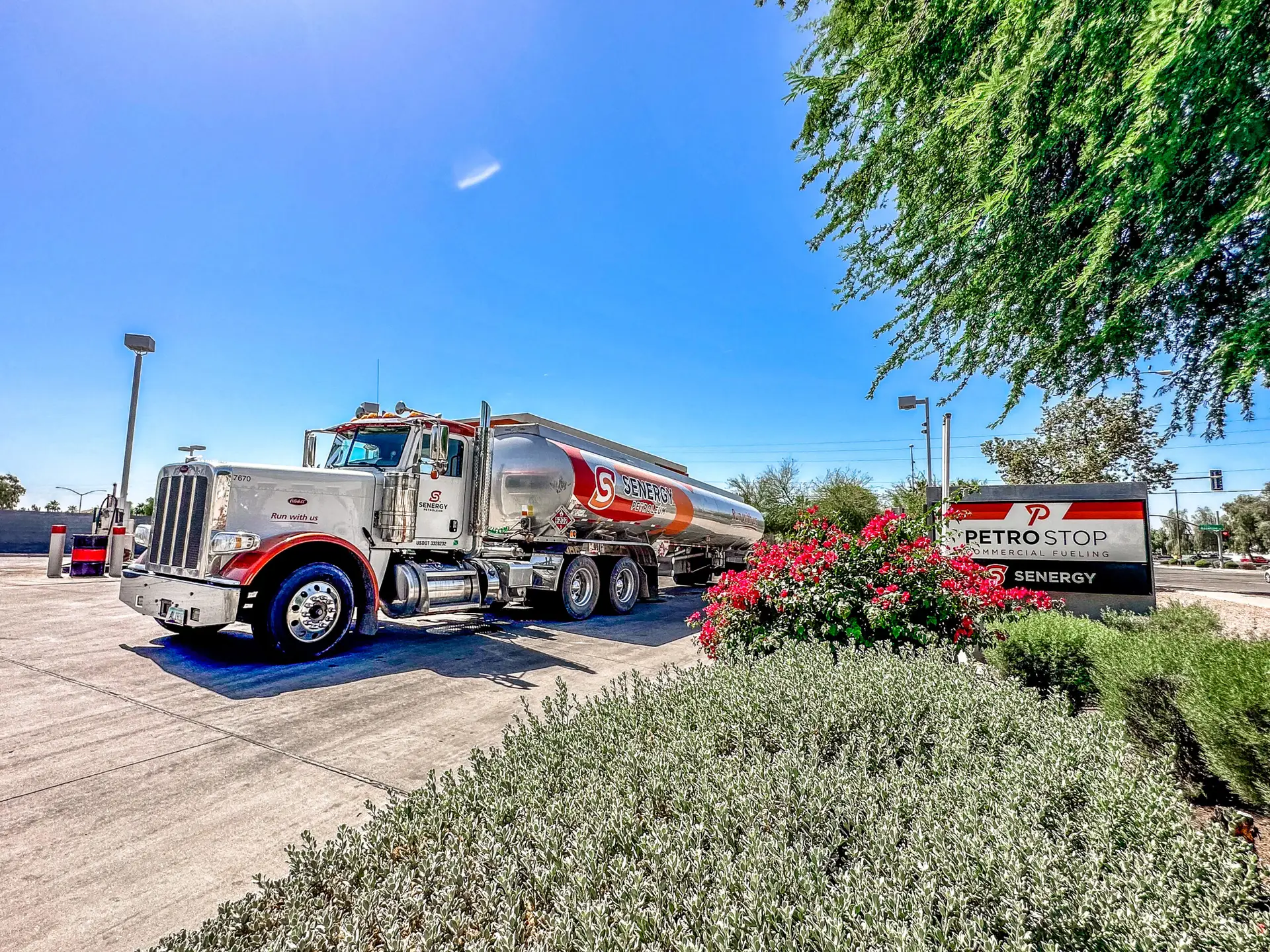
senergy phoenix truck

Stay Up To Date!

Keep up with Deals, Industry Updates, and more!

"*" indicates required fields

This field is for validation purposes and should be left unchanged.