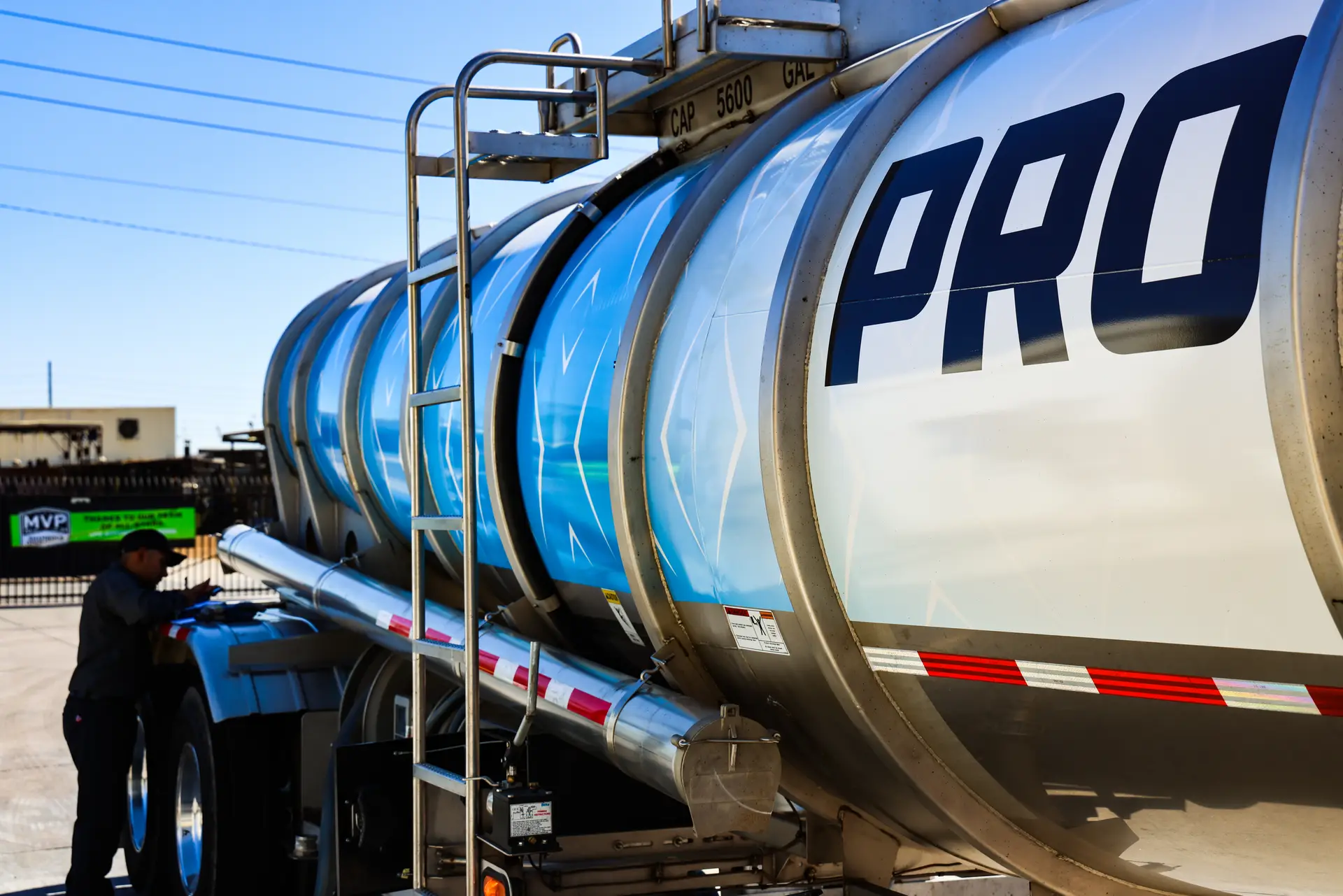
Keeping Your DEF and Fuel Clean in Harsh Conditions
For businesses that depend on diesel equipment, keeping fuel and Diesel Exhaust Fluid (DEF) free from contaminants is essential. In industries such as construction, government fleets, retail fueling, and agriculture, unplanned shutdowns from poor fluid quality can add up quickly. Severe weather—whether hot, cold, or dusty conditions—poses unique risks to stored fuel and DEF. Understanding how environmental factors affect these liquids allows operators to take proactive steps to protect their inventory. Managing fuel cleanliness and preventing DEF contamination isn’t just good practice; it’s a long-term investment in cost efficiency, safety, and reliable performance for any diesel-powered operation.
Defending Fuel and DEF Against Contamination Risks
Fuel and Diesel Exhaust Fluid (DEF) are highly vulnerable to contamination if not properly managed. The most common threats to fuel quality are water, dirt, and microbial growth. Water can enter storage tanks through condensation or leaking seals, leading to corrosion and microbial buildup that clogs filters. On construction sites or in rural areas, dust and dirt often find their way into tanks, disrupting engine performance. DEF is even more susceptible to contamination—small amounts of metals, dust, or the wrong fluids can render it unusable, clogging the selective catalytic reduction (SCR) system and causing costly shutdowns. Contamination typically occurs during transfers, when stored in low-quality containers, or from prolonged sun and heat exposure. By identifying these risks and implementing strict handling procedures, businesses can ensure that both diesel fuel and DEF remain clean, protecting equipment and keeping operations efficient across all industries.
Managing Fuel and DEF Storage Through Extreme Weather”
Severe weather creates additional challenges for fuel and DEF storage. In cold conditions, diesel can gel, clogging filters and preventing engines from starting. DEF, which freezes at 12°F (-11°C), must also be handled carefully to prevent crystallization and system malfunctions. Hot weather accelerates evaporation and microbial growth, reducing fuel quality, while dust storms, rain, and humidity can infiltrate tanks through deteriorating seals and vents. To safeguard operations year-round, companies should invest in insulated or temperature-controlled tanks, regularly monitor storage conditions, and apply additives when necessary. Seasonal transitions are particularly critical, as shifts from summer to winter often expose vulnerabilities in storage systems. Businesses operating across diverse regions should take a proactive approach, adjusting maintenance practices to address the specific environmental risks they face. This ensures reliable performance and helps avoid costly downtime during peak demand.
Best Practices for DEF Storage and Handling
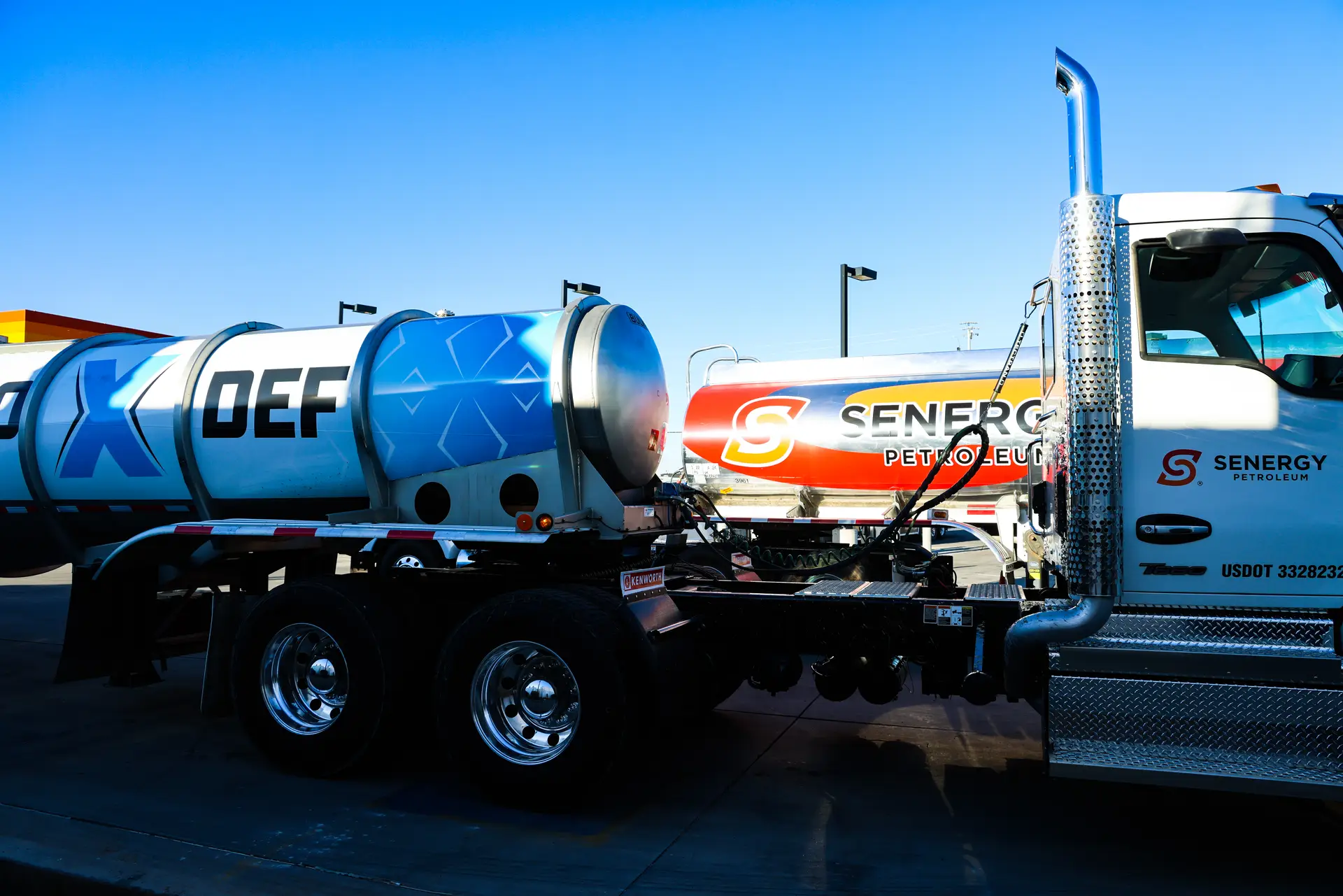
Preventing DEF contamination requires proper handling and secure storage practices. DEF should always be stored in sealed containers made of approved materials such as polyethylene or stainless steel. Equipment or funnels that have come into contact with other fluids should never be used, as they can introduce harmful contaminants. Regular cleaning of storage and dispensing systems helps prevent residue buildup, while training personnel ensures safe handling and reinforces that even a single mistake can compromise an entire system. When refilling DEF tanks, operators should avoid overfilling to minimize the risk of spills and contamination. DEF must also be shielded from direct sunlight and extreme temperature fluctuations, which can degrade its quality over time. Consistent monitoring and testing further safeguard against contaminants. By following these best practices, businesses can prevent costly system failures and extend the life of their clean diesel systems, even in demanding operating conditions.
Fuel Tank Best Practices for Reliable Operations
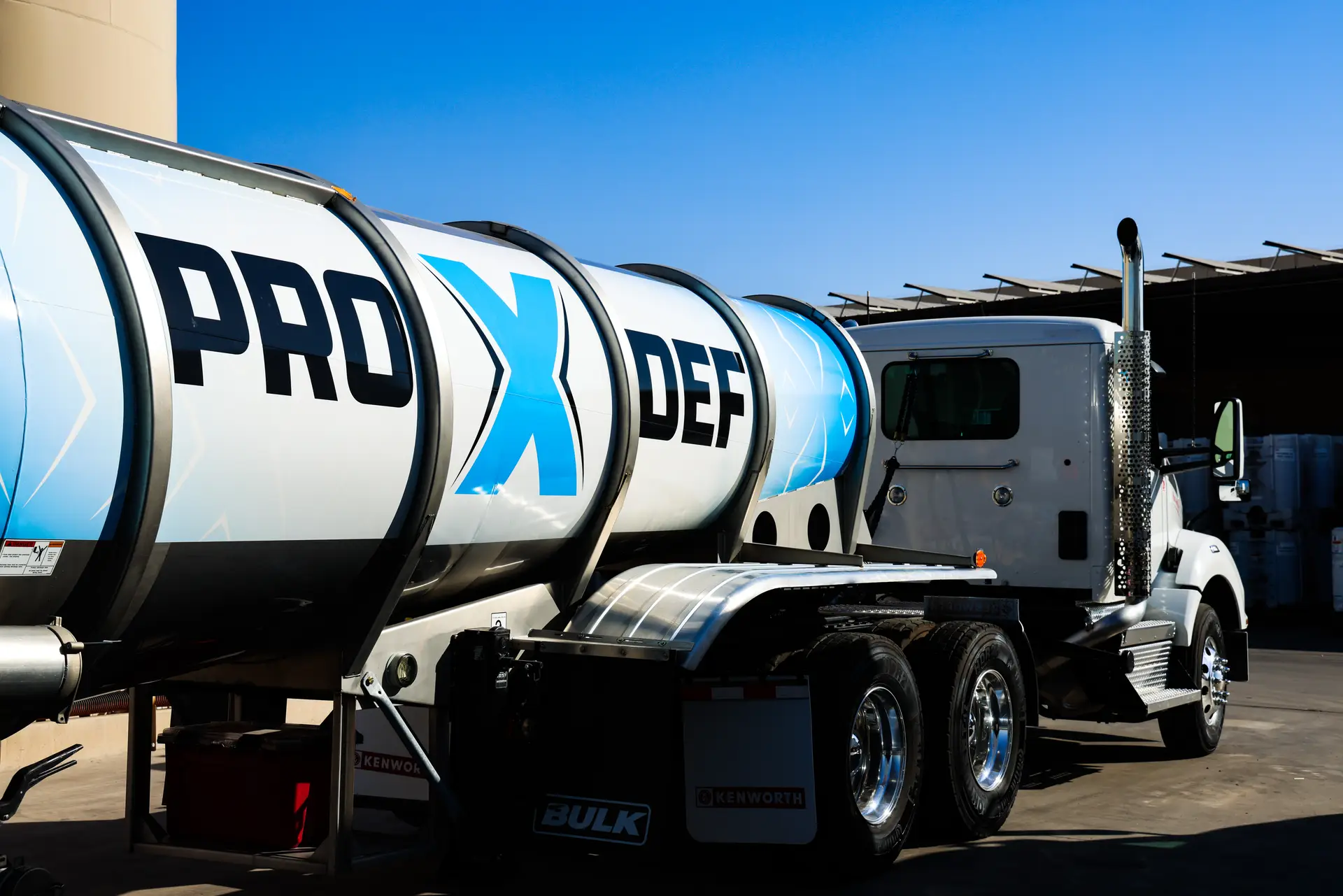
Fuel tanks play a critical role in preventing contamination, especially in large-scale or challenging environments. Use high-grade, corrosion-resistant materials with proper seals and venting systems to block water intrusion. Enclose or insulate subsurface tanks to protect them from direct sunlight and extreme temperatures. Apply protective covers and clean regularly during rain or dusty conditions to keep foreign matter out of fuel systems. For long-term storage, rely on fuel polishing systems that clean and recycle stored fuel to maintain quality. Perform routine maintenance by draining water and replacing filters to keep tanks clean. Add further protection with desiccant breathers that block moisture intake and biocide treatments that stop microbial growth. By combining these practices, businesses secure reliable fuel and keep equipment performing even in the harshest operating conditions.
Daily Maintenance Practices for Clean Fuel and DEF Systems
Consistent care of fuel and DEF is essential to maintaining clean diesel systems. Regular filter replacement remains one of the simplest and most effective ways to remove contaminants from engines. Lines, seals, and pumps should be inspected frequently for leaks or other vulnerabilities, while scheduled tank cleaning is especially important during rainy or dusty conditions. Cold-weather additives help prevent gelling, and stabilizers protect fuel integrity during long-term storage. Ongoing monitoring of DEF levels and periodic quality checks ensure systems operate at peak performance. Seasonal practices, such as draining tank condensation during weather transitions, are proven methods for reducing breakdown risks. Employees should also be trained to recognize early signs of contamination—such as heavy exhaust smoke, low voltage, or dirty filters—and act quickly to prevent further damage. With these preventative measures in place, businesses can maintain efficient operations and extend equipment lifespan.
Training Personnel to Protect Fuel and DEF Systems
Even the best storage systems and maintenance practices are ineffective without properly trained personnel. Teams responsible for daily fuel and DEF operations must understand how improper handling can lead to contamination and equipment damage. Training should cover best practices for fluid transfers, proper storage methods, and procedures for spill prevention or cross-contamination response. DEF-specific training must emphasize clean dispensing equipment, protection from heat and dust, and correct handling to prevent pollution. For fuel systems, personnel should be educated on detecting water intrusion, identifying microbial growth, and maintaining secure tanks. Seasonal considerations should also be included, as best practices differ between summer and winter conditions. By fostering a culture of knowledge and responsibility, companies empower their teams to act as stakeholders in protecting clean diesel systems. This not only prevents costly downtime but also ensures every operation runs with clean, reliable fuel and DEF.
Clean Fuel, Reliable Systems, Stronger Bottom Line
Investing in clean fuel and DEF maintenance delivers long-term savings through fewer breakdowns, lower repair costs, and extended equipment life. Reliable systems mean minimal downtime and projects that stay on schedule, even in challenging conditions. By prioritizing proper handling, storage, and training, businesses build a culture of reliability and efficiency that protects their bottom line. Keep your operations running strong—Run With Senergy.