
Keeping Farms Running Smoothly with Senergy Fuel and Lubricants
Farm operations depend on machinery that has to perform when the work cannot wait. Planting, irrigation, spraying, harvesting, grain handling, and transportation all place heavy demands on tractors, combines, generators, trucks, and other machinery. A dependable fuel and lubricant plan helps farm owners avoid preventable interruptions and keep daily work moving.
Fuel quality is only one part of the picture. The right lubricants, proper storage, timely deliveries, and maintenance planning all contribute to dependable operation. Senergy brings these needs together with fuel, lubricants, DEF, inventory management, tank monitoring, and delivery services designed around agricultural operations. That approach gives farm managers a practical way to plan their fluid needs instead of dealing with separate suppliers for every requirement.
Reliable Fuel Supply for Demanding Farm Operations
Farm work follows a schedule dictated by weather, crop conditions, and seasonal deadlines. A delay in fuel delivery during planting or harvest can leave valuable machinery sitting idle and put pressure on the rest of the operation. For this reason, farms need a fuel supply that is reliable and planned around actual consumption rather than occasional purchases.
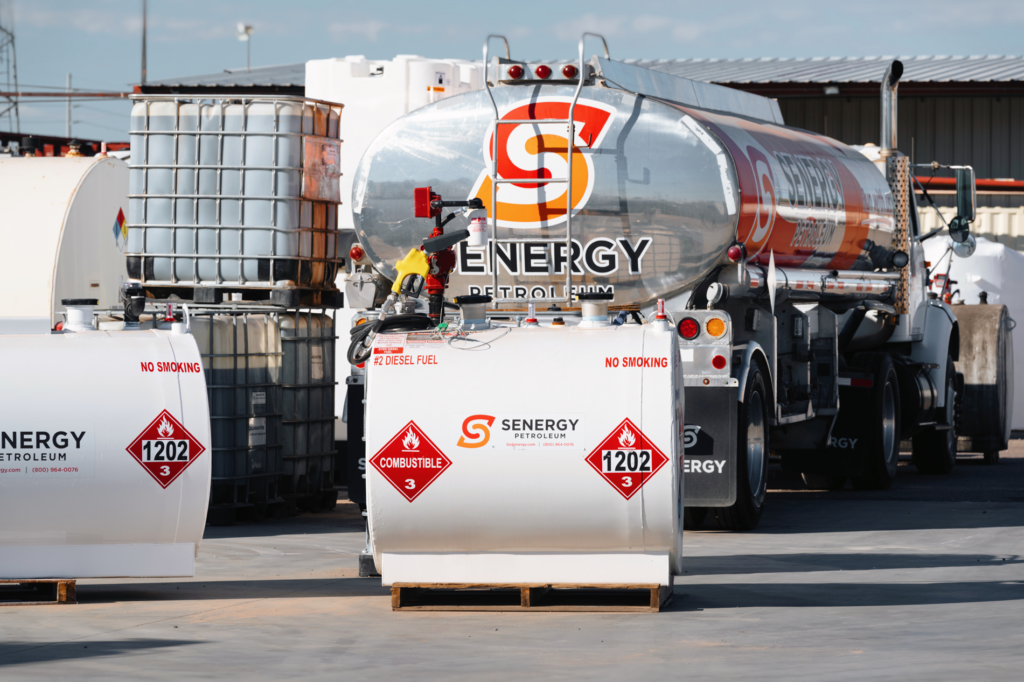
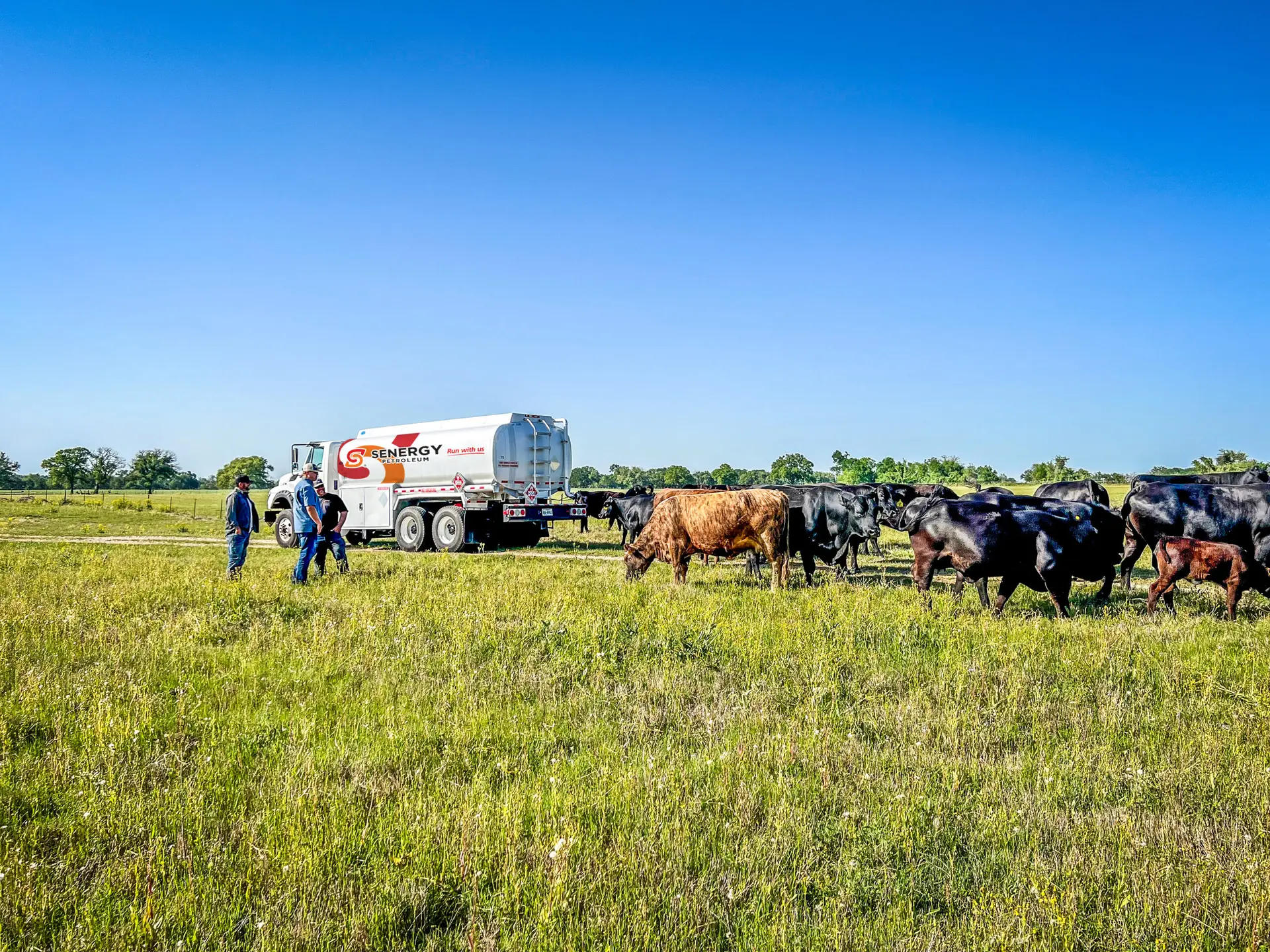
Bulk diesel and gasoline delivery can help farms maintain an adequate supply on site. Storage capacity, fuel consumption rates, seasonal demand, and delivery frequency should all be considered when planning inventory. A well-managed supply also reduces the risk of making last-minute trips for fuel when workers and machinery are already committed to the field.
Senergy’s agriculture-focused offering combines bulk fuel with delivery planning and inventory services.
Quality Diesel Helps Protect Farm Engines
Diesel fuel quality can affect engine performance and fuel-system reliability. Modern diesel engines rely on precise fuel injection, clean combustion, and properly maintained fuel systems. Water, sediment, rust particles, and microbial growth can interfere with fuel filters, injectors, and pumps, potentially leading to poor starting, rough running, reduced power, or costly repairs.
Proper fuel storage is therefore just as important as selecting a suitable fuel supply. Farm tanks should be inspected regularly for contamination, corrosion, water accumulation, and debris. Filtration and water separation can help maintain fuel cleanliness, while testing and fuel polishing may be appropriate when stored fuel shows signs of degradation or contamination.
Diesel properties such as cetane quality, lubricity, cold-flow performance, storage stability, and compliance with applicable fuel specifications also matter. For farm operators, the practical goal is straightforward: maintain clean, suitable fuel that supports consistent engine performance and reduces avoidable fuel-system problems.
Lubricants Keep Moving Parts Protected
Fuel provides the energy needed to run machinery, while lubricants protect the components that turn that energy into useful work. Engines, transmissions, hydraulic systems, differentials, gears, and other moving parts operate under heat, pressure, friction, and load. Without appropriate lubrication, wear can accelerate and maintenance requirements can increase.
Farm operators may need heavy-duty motor oil, tractor hydraulic fluid, gear oil, transmission fluid, grease, coolant, and other specialty fluids depending on the machines being serviced. Viscosity, thermal stability, oxidation resistance, shear stability, film strength, and corrosion protection are among the characteristics that influence lubricant performance. The correct product should always match the manufacturer’s specifications and the operating conditions of the machine.
Using one fluid for every application is not a sound maintenance strategy. Hydraulic systems have different requirements from diesel engines, while gears and bearings may require specific lubricants or grease.
Flexible Fuel Delivery Helps Farms Stay Prepared
Fuel demand can change quickly during peak fieldwork. A farm that consumes modest quantities during the off-season may use substantially more fuel during planting and harvest. Planning deliveries around historical consumption and upcoming workloads helps prevent a nearly empty tank from becoming an operational problem.
Tank monitoring can make this process easier. Fuel-level sensors and telemetry can provide visibility into inventory and help identify when another delivery may be required. Instead of relying entirely on manual checks, farm managers can use consumption information to improve supply planning and make delivery decisions with greater confidence.
Flexible delivery options can also be valuable when circumstances change unexpectedly. Weather windows, equipment repairs, extended harvest hours, or sudden increases in field activity can alter fuel requirements.
Convenient Fuel and Lubricant Management Can Help Reduce Downtime
Managing fuel and lubricants separately can create unnecessary work. Different vendors, delivery schedules, product requirements, invoices, and inventory records can make it harder to see the complete picture. A consolidated supplier can simplify purchasing and give farm managers one point of contact for multiple fluid needs.
This is particularly useful when preventive maintenance is planned before a busy season. Oil changes, filter replacement, hydraulic-system checks, greasing, tank inspections, and fuel testing can be coordinated with inventory planning. Having the necessary fluids available before major fieldwork begins helps maintenance teams avoid delays caused by missing supplies.
Good management also supports cost control. Monitoring consumption can reveal unusual usage, storage losses, or changes in operating patterns. Keeping accurate records of fuel volume and lubricant consumption can improve purchasing decisions and help businesses plan around seasonal demand.
Why Senergy Can Be a Practical Farm Fuel Partner
Keeping a farm productive requires more than having fuel available. Clean diesel, appropriate lubricants, sound storage practices, timely deliveries, and planned maintenance work together to protect engines and reduce interruptions. When these pieces are managed as part of one supply strategy, farm operators can spend less time chasing individual products and more time managing their core business.
Senergy’s agriculture offering is positioned around this complete approach, combining bulk fuel, lubricants, DEF, tank monitoring, inventory management, fluid services, and delivery technology. For businesses that want a convenient way to manage their fuel and fluid requirements, having these services available through one supplier can make planning easier.
The goal is simple: keep fuel available, keep fluids suited to the job, and keep critical machinery ready for the next task. With reliable supply, flexible delivery options, responsive support, and careful planning, farms can be better prepared for the demanding periods that matter most.
